
Understanding the Essence of Nyonya Fish Curry
Nyonya Fish Curry is more than just a dish; it’s an experience. The key to its distinctive flavor lies in the harmonious marriage of fresh seafood, a complex blend of spices, and the creamy richness of coconut milk. The delicate balance of sweet, sour, spicy, and savory notes creates a symphony of flavors that dance on your palate.
The Fish: The choice of fish is crucial. Firm, white-fleshed fish like snapper, barramundi, or grouper are ideal as they hold their shape well during cooking and absorb the flavors of the curry. Avoid oily fish like salmon or mackerel, as they can overpower the delicate balance of the curry.
The Spice Paste (Rempeh): The rempeh is the heart and soul of the curry. It’s a fragrant blend of fresh and dried spices that are ground into a paste. Common ingredients include chili peppers, shallots, garlic, ginger, galangal, turmeric, lemongrass, candlenuts, and belacan (shrimp paste).
The Liquid: Coconut milk is the traditional liquid base for Nyonya Fish Curry. It adds richness, creaminess, and a subtle sweetness that complements the spices. You can use either fresh or canned coconut milk, but fresh coconut milk will generally yield a richer flavor.
The Sour Agent: A sour agent is essential to balance the richness of the coconut milk and the spiciness of the rempeh. Common choices include tamarind pulp, assam gelugor (dried tamarind slices), or lime juice.
The Vegetables: Vegetables add texture, flavor, and visual appeal to the curry. Popular choices include okra, eggplants, tomatoes, and long beans.
Ingredients for Nyonya Fish Curry
- 1 kg firm white fish, cut into steaks or fillets
- 200ml thick coconut milk
- 400ml thin coconut milk
- 2 tbsp cooking oil
- 1 large onion, thinly sliced
- 1 tbsp tamarind pulp, soaked in 1/2 cup water and strained (or 3-4 pieces of assam gelugor)
- 1 tsp sugar
- Salt to taste
- Optional vegetables: okra, eggplants, tomatoes, long beans
- 10-15 dried chilies, soaked in hot water to soften
- 8-10 shallots
- 4-5 cloves garlic
- 2-3 cm ginger, peeled
- 2-3 cm galangal, peeled
- 2-3 cm turmeric, peeled
- 2 stalks lemongrass, bruised
- 5-6 candlenuts
- 1 tbsp belacan (shrimp paste), toasted
Step-by-Step Recipe: Cooking Nyonya Fish Curry
Step 1: Prepare the Spice Paste (Rempeh)
Combine all the ingredients for the spice paste in a food processor or blender. Grind until you achieve a smooth and fine paste. This may take a few minutes, so be patient and scrape down the sides of the processor as needed. Alternatively, you can use a mortar and pestle to grind the spices manually, which will result in a more rustic texture and intense flavor.
Step 2: Sauté the Spice Paste
Heat the cooking oil in a large pot or wok over medium heat. Add the sliced onion and sauté until softened and translucent. Then, add the spice paste and sauté for 8-10 minutes, stirring frequently, until fragrant and the oil separates from the paste. This step is crucial for developing the complex flavors of the curry.
Step 3: Add the Coconut Milk
Pour in the thin coconut milk and bring to a simmer. Add the tamarind juice (or assam gelugor), sugar, and salt. Stir well to combine. Adjust the seasoning to your liking. The curry should have a balance of sweet, sour, and spicy flavors.
Step 4: Add the Vegetables (Optional)
If using vegetables, add them to the curry at this stage. Add vegetables that take longer to cook, such as eggplants and long beans, first. Add softer vegetables like okra and tomatoes towards the end of the cooking process.
Step 5: Add the Fish
Gently add the fish pieces to the curry. Ensure that the fish is submerged in the liquid. Bring the curry back to a simmer and cook for 5-7 minutes, or until the fish is cooked through and flakes easily with a fork. Be careful not to overcook the fish, as it will become dry and rubbery.
Step 6: Add the Thick Coconut Milk
Stir in the thick coconut milk and bring the curry to a gentle simmer. Cook for another 2-3 minutes, allowing the coconut milk to thicken and enrich the curry. Do not boil the curry at this stage, as it can cause the coconut milk to separate.
Step 7: Serve and Enjoy
Remove the curry from the heat and let it rest for a few minutes before serving. This will allow the flavors to meld together and deepen. Garnish with fresh coriander leaves or chili slices, if desired. Serve hot with steamed rice.
Tips and Tricks for the Perfect Nyonya Fish Curry
Use Fresh Ingredients: The quality of your ingredients will directly impact the flavor of your curry. Use fresh spices, coconut milk, and fish for the best results.
Toast the Belacan: Toasting the belacan before adding it to the spice paste enhances its umami flavor and reduces its fishy smell.
Adjust the Spice Level: Adjust the number of chili peppers in the spice paste to control the spiciness of the curry. If you prefer a milder curry, remove the seeds from the chili peppers.
Don’t Overcook the Fish: Overcooked fish is dry and unappetizing. Cook the fish just until it is cooked through and flakes easily with a fork.
Use Good Quality Coconut Milk: The quality of the coconut milk will affect the richness and creaminess of the curry. Use full-fat coconut milk for the best results.
Taste and Adjust: Taste the curry throughout the cooking process and adjust the seasoning to your liking. Add more sugar, salt, or tamarind juice to balance the flavors.
Let it Rest: Allowing the curry to rest for a few minutes before serving allows the flavors to meld together and deepen.
Serve with Accompaniments: Nyonya Fish Curry is best served with steamed rice and other Nyonya dishes, such as acar (pickled vegetables) or chap chye (mixed vegetables).
Variations and Adaptations
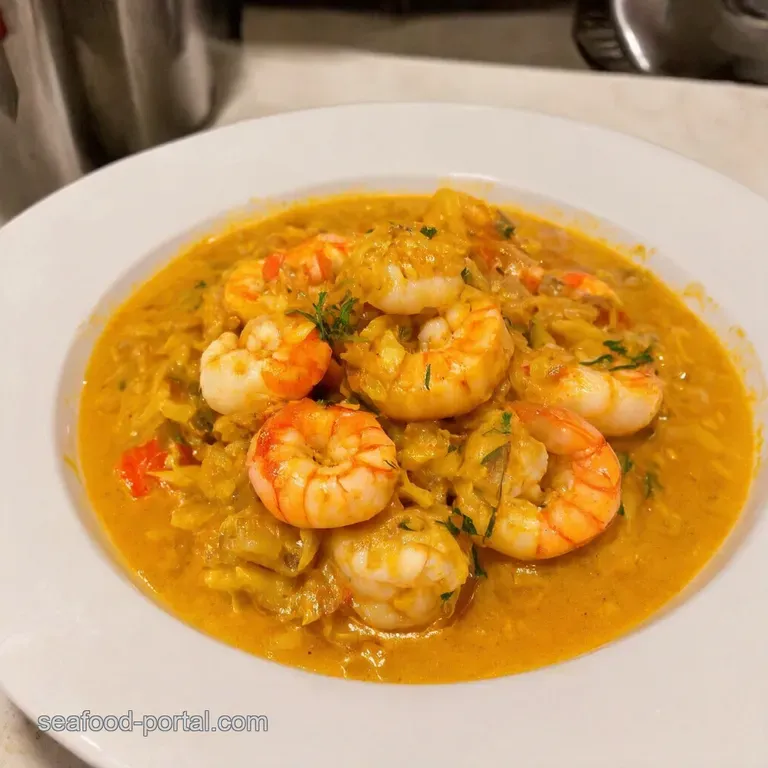
Seafood Curry: Replace the fish with other seafood, such as prawns, squid, or mussels. Adjust the cooking time accordingly.
Chicken Curry: Substitute the fish with chicken pieces. Marinate the chicken in the spice paste for at least 30 minutes before cooking.
Vegetarian Curry: Omit the fish and add more vegetables, such as potatoes, carrots, and cauliflower. You can also add tofu or tempeh for protein.
Spicier Curry: Add more chili peppers to the spice paste or add a pinch of chili flakes to the curry while cooking.
Tangier Curry: Add more tamarind juice or assam gelugor to the curry for a tangier flavor.
Serving Suggestions
Steamed Rice: The classic accompaniment to Nyonya Fish Curry. The rice soaks up the flavorful curry sauce.
Acar: Pickled vegetables that provide a refreshing contrast to the richness of the curry.
Chap Chye: Mixed vegetables stir-fried with glass noodles and dried shrimp.
Papadums: Crispy lentil crackers that add a textural element to the meal.
Sambal: A spicy chili paste that adds an extra kick to the curry.
Conclusion
Nyonya Fish Curry is a culinary masterpiece that embodies the vibrant flavors and cultural fusion of Nyonya cuisine. With its complex blend of spices, creamy coconut milk, and delicate seafood, this dish is sure to tantalize your taste buds and leave you wanting more. By following this comprehensive guide, you can confidently create your own authentic and delicious Nyonya Fish Curry at home, impressing your family and friends with your culinary skills. So, gather your ingredients, embrace the aromas, and embark on a flavorful journey into the world of Nyonya cuisine!
Enjoy the process of cooking and savor the delightful flavors of your homemade Nyonya Fish Curry. Selamat makan (bon appétit)!