
This comprehensive guide will walk you through every step of creating exquisite Vietnamese seafood spring rolls, from selecting the finest ingredients to mastering the rolling technique and perfecting the essential dipping sauce. Whether you are a seasoned home cook or new to Vietnamese cooking, you’ll find all the tips and tricks needed to craft rolls that are not only delicious but also visually stunning. Prepare to embark on a culinary journey that promises freshness, flavor, and a touch of Vietnamese culinary artistry in your own kitchen.
Understanding the essence of Vietnamese spring rolls is the first step to mastering them. Unlike their fried counterparts, Gỏi Cuốn are served fresh, emphasizing the natural flavors and textures of their components. The beauty lies in their simplicity and the harmony of contrasting elements: the tender protein, crisp vegetables, aromatic herbs, soft vermicelli, all encased in delicate rice paper. This focus on freshness makes them an incredibly healthy and satisfying option.
The decision to highlight seafood in your spring rolls is a fantastic one. Seafood, with its delicate texture and often subtle sweetness, complements the fresh herbs and vegetables beautifully. It offers a lighter alternative to pork and adds a touch of sophistication, making these rolls perfect for entertaining or a special meal. The variety of seafood available also allows for creative combinations, ensuring each bite is a unique experience.
The Foundation: Essential Ingredients You’ll Need. Success in making spring rolls begins with quality ingredients. Sourcing fresh, vibrant produce and premium seafood is paramount. Do not compromise on the freshness, as it will directly impact the final taste and texture of your rolls.
Rice Paper (Bánh Tráng): This is the wrapper for your rolls. Choose thin, pliable rice paper that is specifically labeled for spring rolls (often 22cm diameter). Avoid overly thick or brittle varieties, as they can be difficult to work with and might tear easily. Brands often specify if they are for fresh or fried rolls; ensure you pick the right one.
Vermicelli Noodles (Bún): Thin rice vermicelli noodles provide bulk and a pleasant chewy texture. They absorb the flavors of the other ingredients and the dipping sauce. Cook them according to package instructions until al dente, then rinse with cold water to prevent sticking and stop the cooking process. Drain thoroughly.
Fresh Herbs: These are non-negotiable for authentic Vietnamese flavor. A generous assortment is key. Essential herbs include:
- Mint leaves: For a refreshing, cooling sensation.
- Cilantro (Coriander): Adds a bright, citrusy note.
- Thai Basil: Offers a distinct anise-like flavor.
- Perilla leaves (Tía Tô): If available, provides a unique, slightly peppery aroma.
Wash and thoroughly dry all herbs before use.
Leafy Greens: Crisp lettuce leaves (such as butter lettuce, green leaf, or even romaine) provide a fresh base and structure within the roll. They add a satisfying crunch and help contain the other fillings. Ensure they are clean and dry.
Shrimp: A classic choice for spring rolls. Opt for medium to large shrimp, either fresh or frozen. If using frozen, thaw them properly in the refrigerator. Peel and devein the shrimp. For best results and a beautiful pink curl, quickly boil or steam them. To boil, bring a pot of salted water to a rolling boil, add shrimp, and cook for 1-2 minutes until they turn pink and opaque. Immediately plunge into an ice bath to stop cooking and maintain tenderness. Slice them in half lengthwise for easier rolling and better presentation.
Crab Meat: Adds a luxurious touch. You can use fresh lump crab meat, which offers the best flavor and texture, or high-quality canned crab meat (ensure it’s well-drained). Gently flake the crab meat, removing any shell fragments. It requires no further cooking if already pasteurized or cooked.
Scallops: For a truly gourmet experience, small bay scallops can be quickly pan-seared or poached until just opaque. Their sweet, delicate flavor pairs wonderfully with the fresh herbs. Ensure they are not overcooked, as they can become rubbery.
Other Fillings for Texture and Flavor: Beyond the seafood and core components, other ingredients add layers of texture and taste.
- Carrots: Julienne them for a sweet crunch.
- Cucumber: Julienne for a refreshing, cool element.
- Bean Sprouts: Add a fresh, crisp texture. Blanch quickly if you prefer them slightly softer.
- Optional Cooked Pork Belly or Lean Pork: While focusing on seafood, many traditional recipes include thinly sliced, cooked pork belly or lean pork. If adding, ensure it’s cooked until tender and sliced paper-thin.
Prepare all these ingredients by washing, peeling, and cutting them into uniform, manageable pieces that will fit well within the rice paper wrapper.
The Soul of the Roll: Crafting the Perfect Dipping Sauce (Nước Chấm). A Vietnamese spring roll is incomplete without its dipping sauce. Nước Chấm, the classic Vietnamese dipping sauce, is a harmonious blend of sweet, sour, salty, and spicy. It’s surprisingly easy to make and infinitely customizable.
Classic Nước Chấm Recipe:
- Ingredients: 1/4 cup fish sauce (good quality is crucial), 1/4 cup granulated sugar, 1/2 cup warm water, 2-3 tablespoons fresh lime juice (from 1-2 limes), 1-2 cloves garlic (minced), 1-2 bird’s eye chilies (minced, adjust to taste, optional).
- Instructions: In a bowl, dissolve the sugar in warm water. Add fish sauce and lime juice, stirring to combine. Finally, stir in the minced garlic and chilies. Taste and adjust. You might want more lime for tang, more sugar for sweetness, or more fish sauce for saltiness. The balance is key.
Hoisin-Peanut Sauce (Tương Đen): Another popular alternative, especially for those who prefer a richer, sweeter, and nuttier flavor. This sauce typically involves hoisin sauce, peanut butter, water, sugar, and sometimes a touch of sriracha for heat. It’s thicker and creamier, offering a different but equally delicious experience.
The Art of Assembly: Step-by-Step Rolling Guide. This is where practice makes perfect. Don’t be discouraged if your first few rolls aren’t perfect; they’ll still taste amazing! Preparation, or mise en place, is critical here. Have all your ingredients prepped, cooked, and arranged neatly on a platter or cutting board before you begin.
Setting Up Your Rolling Station: You’ll need a large, clean, flat surface (a cutting board works well), a shallow dish or pie plate filled with warm water (not hot, not cold – just warm enough to soften the rice paper), and your platter of prepared fillings. Arrange your fillings in the order you plan to add them.
Dampening the Rice Paper: Dip one sheet of rice paper into the warm water for about 15-20 seconds. It should be pliable but still slightly firm. Do not over-soak, as it will become too sticky and tear easily. Lay the softened rice paper flat on your work surface.
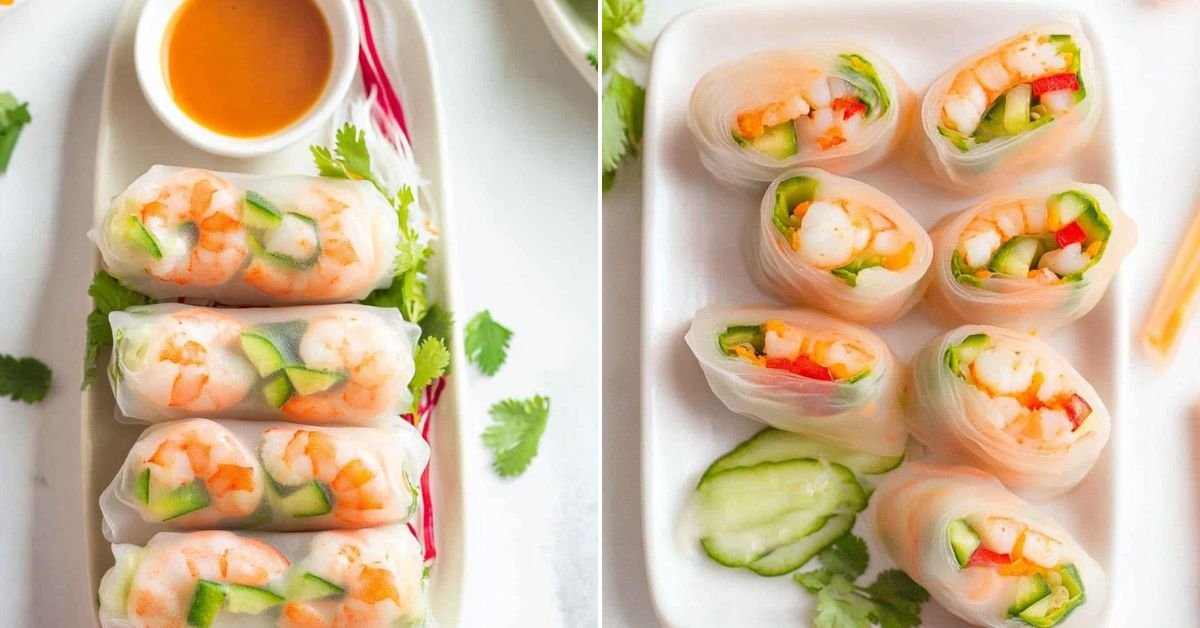
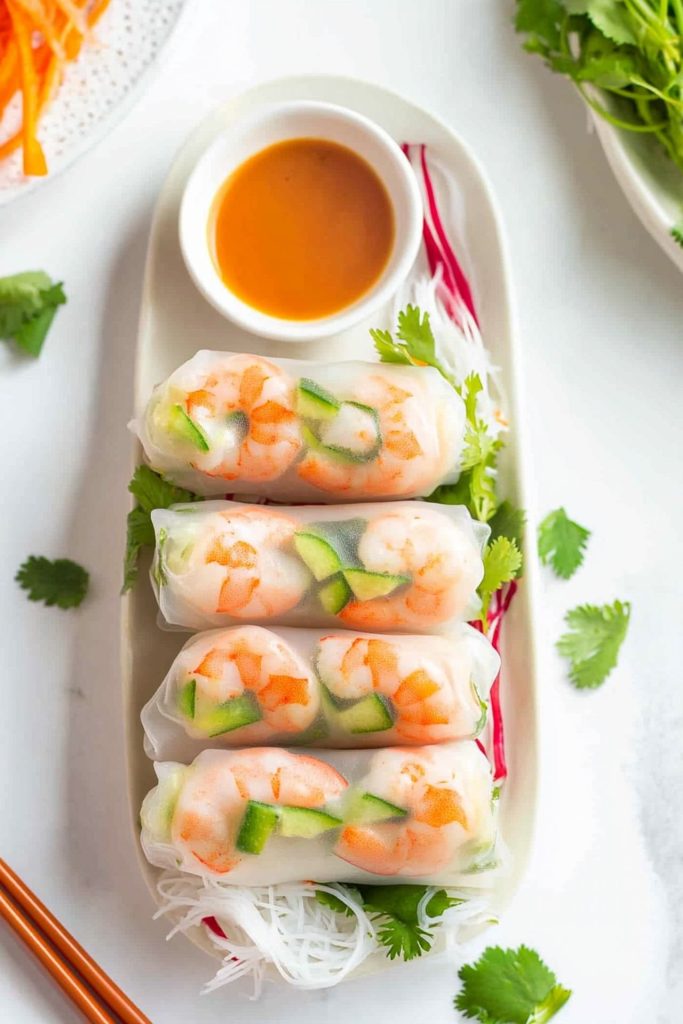
Arranging the Fillings: This is crucial for both taste and aesthetics. Near the bottom edge (closest to you) of the rice paper, place a small lettuce leaf. On top of the lettuce, layer a few sprigs of herbs (mint, cilantro, basil). Next, add a small portion of vermicelli noodles. On top of the noodles, place your seafood (e.g., 2-3 shrimp halves, cut side up, so they show through the wrapper). You can also add julienned carrots or cucumbers here.
The Rolling Technique: This requires a gentle but firm hand.
- Step 1: Fold the bottom edge of the rice paper up and over the fillings, tucking it in tightly.
- Step 2: Fold the left and right sides of the rice paper inwards, towards the center. This creates a neat, enclosed package.
- Step 3: Starting from the bottom, roll the entire assembly upwards, away from you, as tightly as possible without tearing the paper. The goal is a firm, cylindrical roll that holds its shape. As you roll, ensure the shrimp or other vibrant ingredients are positioned to be visible through the translucent wrapper.
Rice Paper Tearing: This usually happens if the paper is over-soaked (too soft) or if you’re pulling too hard while rolling. Use warm, not hot, water and don’t soak for too long. If it tears, simply discard and start with a new sheet.
Rolls Being Too Soggy: This is often due to over-soaking the rice paper or using wet ingredients. Make sure your noodles, vegetables, and seafood are thoroughly drained and patted dry if necessary.
Making Ahead and Storage: Spring rolls are best enjoyed fresh, immediately after assembly. However, you can make them 1-2 hours in advance. To prevent them from drying out or sticking, lightly brush each roll with a tiny bit of neutral oil and arrange them on a platter, covered loosely with a damp paper towel and then plastic wrap. Refrigerate until serving. Do not store for too long, as the rice paper can harden or become overly sticky.
- Different Seafood Combinations: Try a mix of shrimp and scallops, or even add thinly sliced, quickly seared tuna for a richer flavor.
- Adding Fruits: Thinly sliced mango or avocado can add a creamy texture and sweet-tart flavor that complements seafood beautifully.
- Vegetarian/Vegan Options: Omit seafood and pork, and instead use marinated baked tofu, tempeh, or even just a wider variety of vegetables and mushrooms.
- Spice Level: Increase the amount of chili in your Nước Chấm or add a dash of sriracha directly into the roll for a fiery kick.
- Herb Variety: Explore other Asian herbs like Vietnamese balm (kinh giới) or fish mint (diếp cá) for unique aromatic profiles.
Health Benefits of Vietnamese Spring Rolls. Beyond their delightful taste, these rolls are incredibly healthy. They are naturally low in fat (especially when focusing on lean seafood), high in protein, and packed with vitamins and minerals from the fresh vegetables and herbs. Being gluten-free (when using rice vermicelli and pure fish sauce), they cater to various dietary needs, making them a guilt-free pleasure.
Serving Suggestions. Vietnamese seafood spring rolls are incredibly versatile. They make an elegant appetizer for a dinner party, a refreshing light lunch, or a healthy snack. Arrange them artfully on a platter with small bowls of your dipping sauce for guests to serve themselves. They pair wonderfully with a light white wine, a crisp beer, or a refreshing iced tea.
Common Mistakes to Avoid for a Flawless Experience. Being aware of potential pitfalls can save you time and frustration:
- Overcooking Seafood: This leads to rubbery textures. Cook shrimp, scallops, or fish just until opaque.
- Using Cold Water for Rice Paper: Cold water won’t soften the rice paper effectively, leading to brittle wrappers.
- Overfilling Rolls: Too much filling makes rolls difficult to close and prone to tearing. Less is often more.
- Not Cutting Ingredients Uniformly: Irregularly sized pieces make rolling difficult and result in uneven textures.
- Skipping the Dipping Sauce: The sauce is not just an accompaniment; it’s an integral part of the flavor profile.
Creating Vietnamese seafood spring rolls at home is a rewarding culinary experience. It’s a dish that celebrates freshness, balance, and the joy of hands-on preparation. While it might take a few tries to perfect your rolling technique, the process itself is part of the fun, and the delicious results are always worth the effort. With this comprehensive guide, you are now equipped with the knowledge and confidence to bring the authentic flavors of Vietnam into your kitchen.
So gather your ingredients, set up your rolling station, and prepare to impress your family and friends with these vibrant, healthy, and incredibly tasty Vietnamese seafood spring rolls. Enjoy the journey of discovery and the delightful flavors you’ll create!