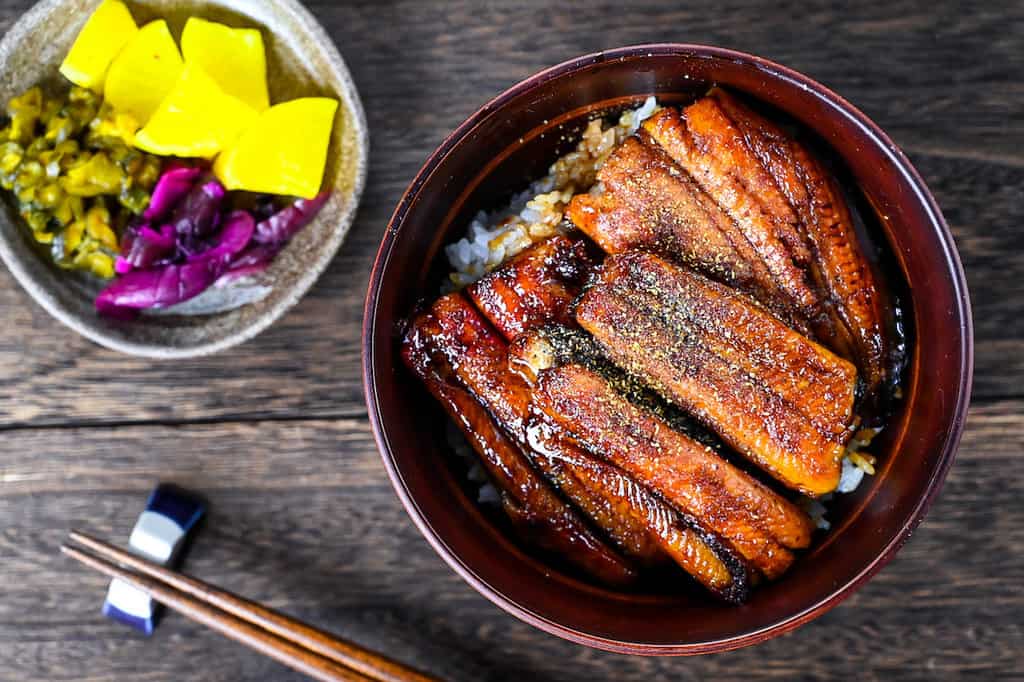
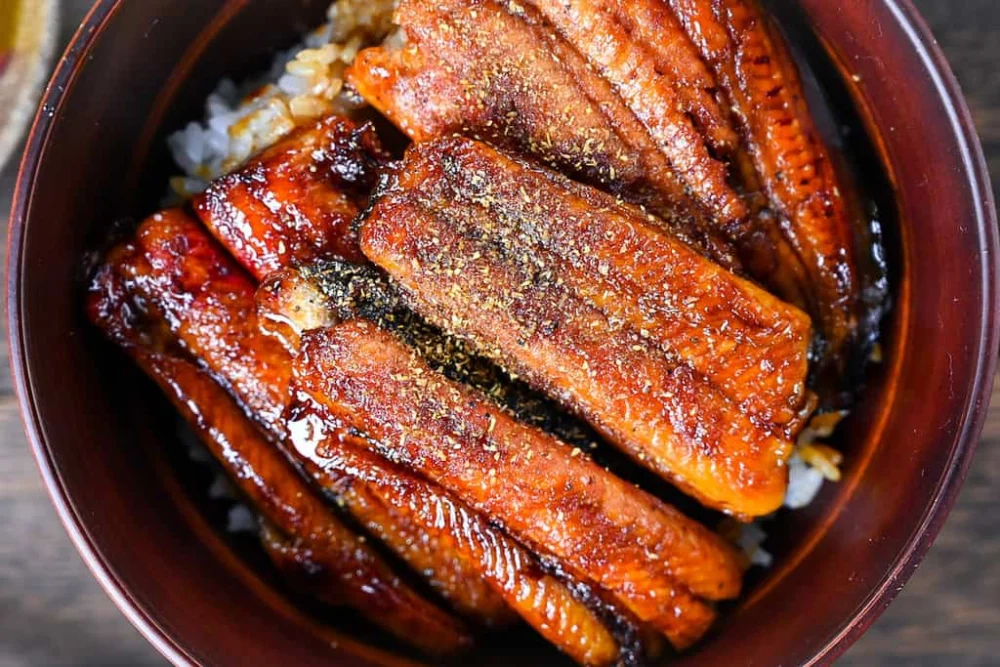

The journey to a perfect Unagi Don begins with understanding its core components and the cultural significance behind them. Unagi, or freshwater eel, is prized for its high nutritional value, including Omega-3 fatty acids, and is traditionally consumed during the hotter months in Japan to combat fatigue. The preparation style, known as kabayaki, involves butterflying, deboning, grilling, and basting the eel with a special soy-based sauce called tare.
Many home cooks might feel intimidated by the idea of preparing unagi, given its exotic nature and the specific techniques involved. However, with the right ingredients, proper guidance, and a touch of patience, achieving a delicious and authentic Unagi Don is well within reach. Our aim is to demystify the process, empowering you to create a dish that rivals those served in traditional Japanese eateries.
Before we delve into the cooking process, let’s gather our essential ingredients. The quality of each component directly impacts the final flavor and texture of your Unagi Don. Sourcing high-quality ingredients is paramount for an authentic experience.
First and foremost is the Unagi (Eel). For home cooks, the most practical option is often pre-grilled, vacuum-sealed unagi, readily available in the frozen section of most Asian grocery stores. While fresh unagi offers an unparalleled experience, its preparation (cleaning, deboning, butterflying) is a highly skilled art best left to professional chefs. When selecting frozen unagi, look for reputable brands known for quality and freshness. Ensure the package is intact and free from ice crystals, indicating proper storage.
Next, the Rice. Japanese short-grain white rice, often labeled as ‘sushi rice,’ is non-negotiable. Its sticky, slightly sweet, and firm texture provides the perfect foundation for the unagi and its sauce. Avoid long-grain or medium-grain varieties, as they will not yield the desired consistency or absorb the tare effectively. Thoroughly washing the rice until the water runs clear is crucial for achieving distinct, fluffy grains.
The heart and soul of Unagi Don is the Tare Sauce. This rich, glossy, savory-sweet glaze caramelizes beautifully on the eel during grilling, infusing it with incredible depth of flavor. While store-bought tare is available, making it from scratch allows for customization and often results in a superior taste. The basic components of tare are soy sauce, mirin (sweet rice wine), sake (Japanese rice wine), and sugar.
Finally, the Garnishes. These elements enhance the dish’s flavor, texture, and visual appeal. Essential garnishes include sansho pepper (Japanese prickly ash, offering a unique citrusy, numbing sensation), toasted sesame seeds, and finely chopped green onions (scallions). Some might also add thin strips of nori (roasted seaweed) for an umami crunch.
To prepare your Unagi Don, you’ll need some basic kitchen equipment. A reliable rice cooker or a heavy-bottomed pot for cooking rice is essential. For the unagi itself, a broiler in your oven is ideal for achieving that desirable char and crispiness. Alternatively, a grill pan or even a regular non-stick pan can work. A small saucepan for simmering the tare, a basting brush, and a sharp knife for any trimming complete your arsenal.
Let’s begin the journey with preparing our homemade Tare Sauce. This step can be done in advance, as the sauce keeps well in the refrigerator. In a small saucepan, combine 1/2 cup soy sauce, 1/2 cup mirin, 1/4 cup sake, and 2-3 tablespoons of granulated sugar (adjust to your sweetness preference). Bring the mixture to a gentle simmer over medium heat, stirring until the sugar dissolves completely.
Reduce the heat to low and continue to simmer the tare for about 15-20 minutes, or until it slightly thickens and reduces by about one-third. It should coat the back of a spoon. Be careful not to reduce it too much, as it will thicken further upon cooling. Once done, remove from heat and set aside. Some recipes call for adding a small piece of grilled unagi bone during simmering for added depth, but this is optional and often not feasible for home cooks.
Next, let’s focus on the Japanese Short-Grain Rice. Measure out your desired amount of rice (typically 1 cup dry rice per 2 servings). Place the rice in a large bowl and add cold water. Gently swirl the rice with your hand, then drain the cloudy water. Repeat this washing process 4-5 times until the water runs mostly clear. This removes excess starch, preventing the rice from becoming overly sticky.
After washing, drain the rice thoroughly and transfer it to your rice cooker or pot. For a rice cooker, follow the manufacturer’s instructions for water ratio (usually 1:1 or slightly less water to rice). If using a pot, add 1.1 to 1.2 cups of water for every 1 cup of rice. Let the rice soak for 30 minutes before cooking; this allows the grains to hydrate evenly, resulting in a more tender texture.
Cook the rice according to your rice cooker’s settings or using the stovetop method: bring to a boil, reduce heat to low, cover tightly, and simmer for 15-20 minutes until all water is absorbed. Do not lift the lid during cooking. Once cooked, let it rest, still covered, for another 10-15 minutes. Finally, fluff the rice gently with a paddle, being careful not to mash the grains.
Now for the star of the show: the Unagi. If using frozen pre-grilled unagi, thaw it completely in the refrigerator overnight or by submerging the sealed package in cold water for about 30 minutes. Once thawed, carefully pat the unagi dry with paper towels. This step is crucial for achieving a crispy skin and allowing the tare to adhere properly.
Preheat your broiler to high. Line a baking sheet with foil for easy cleanup. Place the unagi, skin-side down, on the prepared baking sheet. Broil for 3-5 minutes to gently warm it through and crisp the skin slightly. Keep a close eye on it, as broilers can vary in intensity.
Remove the unagi from the broiler. Generously brush the flesh side (the side without skin) with your homemade tare sauce. Return it to the broiler, flesh-side up, and broil for another 2-3 minutes. Watch carefully to prevent burning; the sauce should caramelize and bubble, not char. Repeat this basting and broiling process 2-3 more times, flipping the unagi once or twice if desired, until the unagi is heated through, glistening, and beautifully caramelized. The goal is to build up layers of flavor and a rich glaze.
Alternatively, you can pan-fry the unagi. Heat a non-stick pan over medium-high heat with a tiny bit of oil. Place the unagi skin-side down and cook for 2-3 minutes until slightly crispy. Flip, then brush with tare and cook for another 2-3 minutes. Continue basting and flipping every minute or so until heated through and glazed. This method works well but may not give the same intense char as a broiler.
Once the unagi is perfectly grilled and glazed, carefully transfer it to a cutting board. Using a sharp knife, slice the unagi into serving-sized pieces. Typically, this means cutting it in half lengthwise, then into 2-3 cross-sections, creating rectangular pieces that fit neatly over the rice.
Finally, it’s time for Assembly. Take a traditional Japanese donburi bowl (or any deep bowl) and fill it with a generous amount of hot, fluffy rice. Arrange the sliced unagi pieces artfully over the rice. Drizzle a little extra tare sauce over the unagi and rice, being mindful not to drench it; you want to enhance, not overpower, the natural flavors.
Garnish your masterpiece with a sprinkle of sansho pepper, toasted sesame seeds, and finely chopped green onions. If using, lay a few strips of nori delicately on top. Serve immediately while the unagi is warm and the rice is steamy.
For those looking to elevate their Unagi Don, or perhaps incorporate the ‘Seafood Unagi Don’ concept more literally, consider adding other elements. While traditional Unagi Don is solely eel, a broader ‘seafood don’ could feature unagi alongside seared scallops, grilled shrimp, or even a delicate piece of sashimi-grade fish. However, ensure the additional seafood complements, rather than competes with, the unagi’s distinct flavor.
A crucial tip for success is to never overcook the unagi. Since most home cooks use pre-grilled eel, the goal is merely to reheat, crisp, and glaze it. Overcooking will dry out the delicate flesh, turning it tough. Keep a close watch during broiling or pan-frying.
The balance of the tare sauce is another key. If it’s too thick, it can become cloyingly sweet or sticky. If too thin, it won’t properly glaze the eel. Adjust the simmering time and sugar content to achieve a rich, syrupy consistency that still flows easily.
Don’t underestimate the importance of your rice. Properly cooked, well-fluffed Japanese short-grain rice provides the perfect textural and flavor counterpoint to the rich unagi. Rice that is too hard, too mushy, or poorly washed can detract significantly from the overall experience.
When basting, apply the tare in thin, even layers. This allows each layer to caramelize gently, building up a beautiful sheen and depth of flavor without burning. Multiple thin layers are always better than one thick, gloopy application.
Consider the temperature. Unagi Don is best served piping hot. Ensure your rice is freshly cooked and hot, and the unagi is immediately transferred to the bowl after grilling. This ensures a comforting, aromatic experience with every bite.
If your unagi turns out dry, it’s likely been overcooked. To remedy this in future attempts, reduce grilling time and focus on quick, intense heat for glazing. You can also try adding a small splash of sake or water to the baking sheet during the initial warming phase to create some steam.
If your tare sauce is too thin, simply return it to low heat and simmer gently, stirring occasionally, until it reaches the desired consistency. If it’s too thick, you can thin it out with a tiny bit of hot water or sake, stirring until well combined.
For rice that’s too sticky, you might have used too much water or not washed it sufficiently. For rice that’s too hard, it may not have cooked long enough or had insufficient water. Practice makes perfect with rice cooking; adjust your water ratio and cooking times accordingly.
Pairing your Unagi Don with complementary side dishes can elevate the meal. A simple miso soup, a light cucumber salad, or traditional Japanese pickles (tsukemono) provide a refreshing contrast to the richness of the unagi and help cleanse the palate.
Unagi is not only delicious but also boasts several health benefits. It’s an excellent source of protein, Vitamin A, Vitamin E, and calcium. Furthermore, it’s rich in Omega-3 fatty acids, known for their cardiovascular benefits. Enjoying Unagi Don is a treat for both your taste buds and your well-being.
Sourcing quality ingredients is key. Look for well-stocked Asian supermarkets in your area; they typically carry frozen unagi, Japanese short-grain rice, mirin, sake, and sansho pepper. Online Asian food retailers are also a great resource if local options are limited.
Mastering Unagi Don at home is a culinary adventure that rewards patience and attention to detail. From the careful selection of ingredients to the precise art of grilling and glazing, each step contributes to the creation of a dish that is both deeply satisfying and culturally rich. Embrace the process, savor the aromas, and enjoy the unparalleled taste of your homemade Unagi Don. It’s a testament to the joy of cooking and the exquisite flavors of Japan.
With this comprehensive guide, you are now equipped with the knowledge and techniques to confidently prepare a restaurant-quality Unagi Don in your own kitchen. Experiment with the tare sauce, perfect your grilling method, and delight in the process of bringing this beloved Japanese classic to your table. Happy cooking!