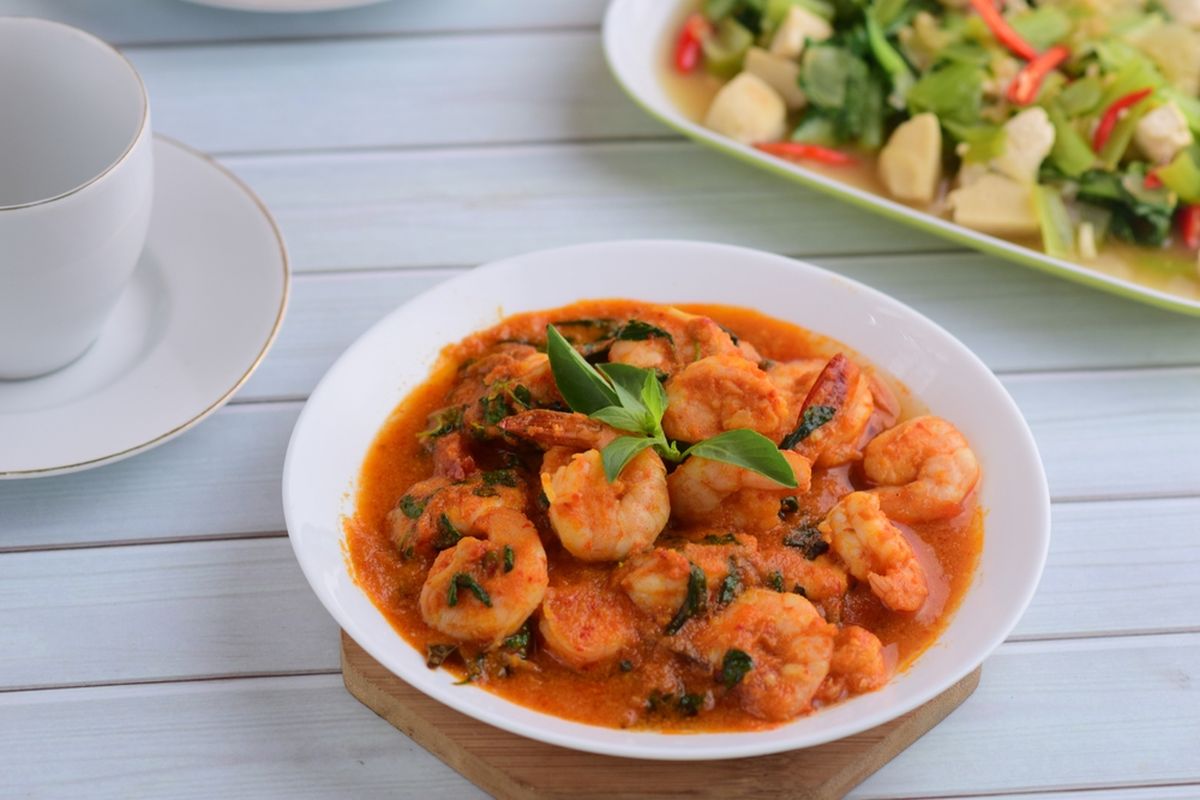

Fresh Shrimp: The star of the show! Choose fresh, firm shrimp, preferably medium to large size. Devein them properly for the best taste and texture. You can leave the tails on for presentation, or remove them if you prefer.
Aromatic Spices: This is where the magic happens. The core spices include shallots, garlic, red chilies (a combination of large red chilies for color and bird’s eye chilies for heat), ginger, turmeric, and candlenuts. These spices are ground into a paste to form the foundation of the sauce.
Padang Sauce Essentials: The signature Padang sauce is built upon a base of tomato sauce, chili sauce (sambal oelek is a good option), oyster sauce, and a touch of Worcestershire sauce. These ingredients contribute to the sauce’s depth, umami, and characteristic tang.
Aromatic Herbs: Fresh lemongrass, kaffir lime leaves, and bay leaves add fragrant notes that elevate the overall flavor profile. Bruise the lemongrass and tear the kaffir lime leaves to release their aromatic oils.
Cornstarch Slurry: A mixture of cornstarch and water is used to thicken the sauce, giving it a luscious, glossy texture.
Optional Enhancements: Some recipes include additions like sugar, salt, and a squeeze of lime juice to balance the flavors. A sprinkle of chopped scallions or cilantro adds a fresh, vibrant garnish.
-
500g fresh shrimp, peeled and deveined
-
8 shallots
-
4 cloves garlic
-
10-15 red chilies (adjust to your spice preference)
-
2-3 bird’s eye chilies (optional, for extra heat)
-
2 cm ginger, peeled
-
2 cm turmeric, peeled
-
3 candlenuts, roasted
-
2 lemongrass stalks, bruised
-
4 kaffir lime leaves, torn
-
2 bay leaves
-
3 tbsp tomato sauce
-
2 tbsp chili sauce (sambal oelek)
-
2 tbsp oyster sauce
-
1 tsp Worcestershire sauce
-
1 tbsp cornstarch
-
2 tbsp water
-
2 tbsp cooking oil
-
Salt and sugar to taste
-
Lime wedges for serving
Prepare the Spice Paste: In a blender or food processor, combine the shallots, garlic, red chilies, bird’s eye chilies (if using), ginger, turmeric, and candlenuts. Blend until you have a smooth paste. You may need to add a little water to help the blending process.
Sauté the Aromatics: Heat the cooking oil in a wok or large skillet over medium heat. Add the spice paste and sauté for 5-7 minutes, or until fragrant and the oil starts to separate from the paste. This step is crucial for developing the depth of flavor in the sauce. Be careful not to burn the spices.
Infuse with Herbs: Add the bruised lemongrass, torn kaffir lime leaves, and bay leaves to the wok. Sauté for another 2-3 minutes to infuse the oil with their aromatic oils.
Build the Sauce: Pour in the tomato sauce, chili sauce, oyster sauce, and Worcestershire sauce. Stir well to combine. Simmer for 3-5 minutes, allowing the flavors to meld together.
Add the Shrimp: Add the shrimp to the wok and cook for 3-5 minutes, or until they turn pink and opaque. Be careful not to overcook the shrimp, as they will become rubbery.
Thicken the Sauce: In a small bowl, whisk together the cornstarch and water to create a slurry. Pour the slurry into the wok and stir continuously until the sauce thickens to your desired consistency.
Season and Adjust: Season with salt and sugar to taste. Squeeze in a little lime juice for a touch of acidity. Adjust the amount of chili sauce to your preferred level of spiciness.
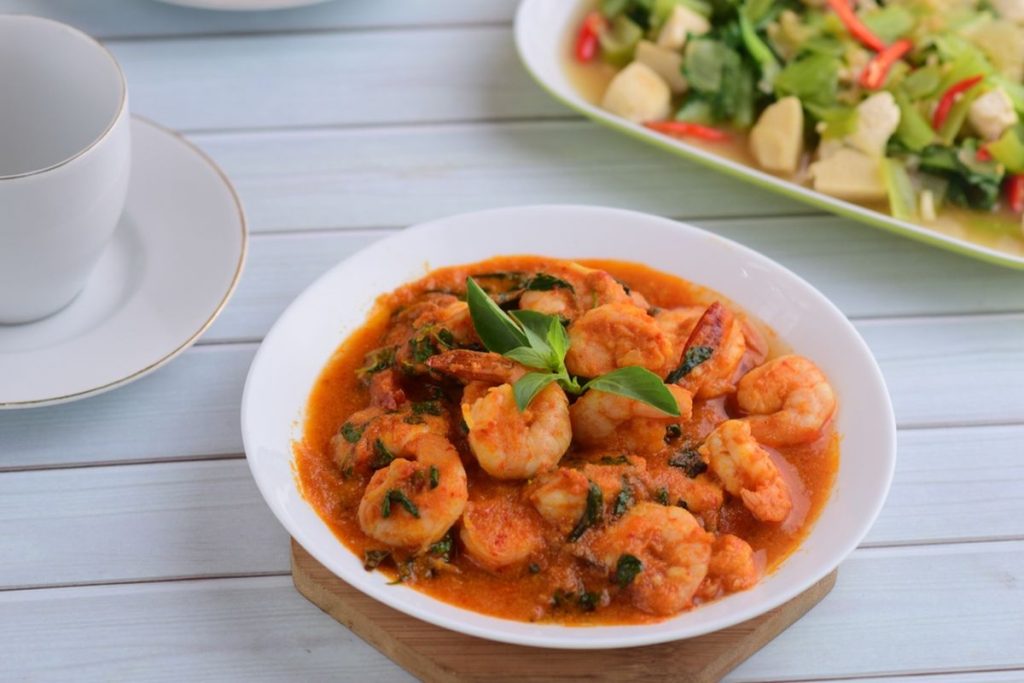
Serve: Serve the Udang Saus Padang hot, garnished with chopped scallions or cilantro (optional). Accompany with steamed rice for a complete and satisfying meal. Lime wedges are a must for squeezing over the shrimp just before eating.
Use Fresh Ingredients: The quality of your ingredients will directly impact the final result. Use the freshest shrimp and spices you can find.
Don’t Rush the Sautéing Process: Sautéing the spice paste properly is essential for developing the depth of flavor in the sauce. Take your time and allow the spices to release their aromatic oils.
Adjust the Spice Level: Udang Saus Padang is known for its spiciness, but you can adjust the amount of chili to your preference. Start with a smaller amount and add more as needed.
Don’t Overcook the Shrimp: Overcooked shrimp will be tough and rubbery. Cook them just until they turn pink and opaque.
Thicken the Sauce Gradually: Add the cornstarch slurry gradually, stirring continuously, to avoid lumps.
Balance the Flavors: Taste and adjust the seasoning as you go. The sauce should be a balance of sweet, savory, spicy, and tangy.
Serve Immediately: Udang Saus Padang is best served hot, right after cooking.
Seafood Medley: You can easily adapt this recipe to include other seafood, such as squid, clams, or mussels. Simply add them to the wok along with the shrimp.
Vegetable Additions: Add some vegetables to the dish for extra flavor and nutrition. Green beans, bell peppers, or broccoli florets would be great additions.
Tofu or Tempeh: For a vegetarian option, substitute the shrimp with tofu or tempeh. Cut the tofu or tempeh into bite-sized pieces and pan-fry until golden brown before adding them to the sauce.
Creamy Udang Saus Padang: For a richer and creamier sauce, add a splash of coconut milk or heavy cream towards the end of cooking.
Make it Ahead: You can prepare the spice paste ahead of time and store it in the refrigerator for up to 3 days. This will save you time when you’re ready to cook the dish.
Steamed Rice: The classic accompaniment to Udang Saus Padang.
Nasi Goreng: Serve with Indonesian fried rice for a more elaborate meal.
Gado-Gado: A traditional Indonesian salad with peanut sauce, for a complete Indonesian feast.
Cap Cai: Stir-fried mixed vegetables, a popular Chinese-Indonesian dish, makes a great side.
Krupuk: Indonesian crackers, for a crispy and savory snack.
Udang Saus Padang is more than just a dish; it’s an experience. It’s a celebration of flavors, textures, and aromas that will transport you to the heart of Indonesia. With this comprehensive guide, you now have the knowledge and skills to recreate this restaurant-quality dish in your own kitchen. So gather your ingredients, put on your apron, and get ready to embark on a culinary adventure. Selamat makan! (Enjoy your meal!)
Beyond the recipe itself, understanding the cultural significance of Udang Saus Padang adds another layer of appreciation. Padang cuisine, originating from the Minangkabau people of West Sumatra, is renowned for its communal dining style known as ‘Nasi Padang.’ Restaurants serving Nasi Padang typically display a wide array of dishes in their front windows, enticing passersby with the vibrant colors and aromas. Diners are presented with a selection of dishes, and they only pay for what they consume. This communal and generous approach to dining reflects the values of the Minangkabau culture, emphasizing hospitality and sharing.
Udang Saus Padang, as a staple of Padang cuisine, embodies these cultural values. It’s a dish meant to be shared and enjoyed with family and friends. The bold and spicy flavors are designed to stimulate the appetite and create a lively dining experience. Whether you’re enjoying it in a bustling Padang restaurant or preparing it in the comfort of your own home, Udang Saus Padang is a dish that brings people together.
In conclusion, mastering Udang Saus Padang is a rewarding culinary journey that allows you to experience the authentic flavors of Indonesia. By following this detailed recipe and incorporating the tips and techniques shared, you can confidently create a restaurant-quality dish that will impress your family and friends. So, embrace the spice, savor the aroma, and enjoy the rich cultural heritage that Udang Saus Padang represents. Happy cooking!