
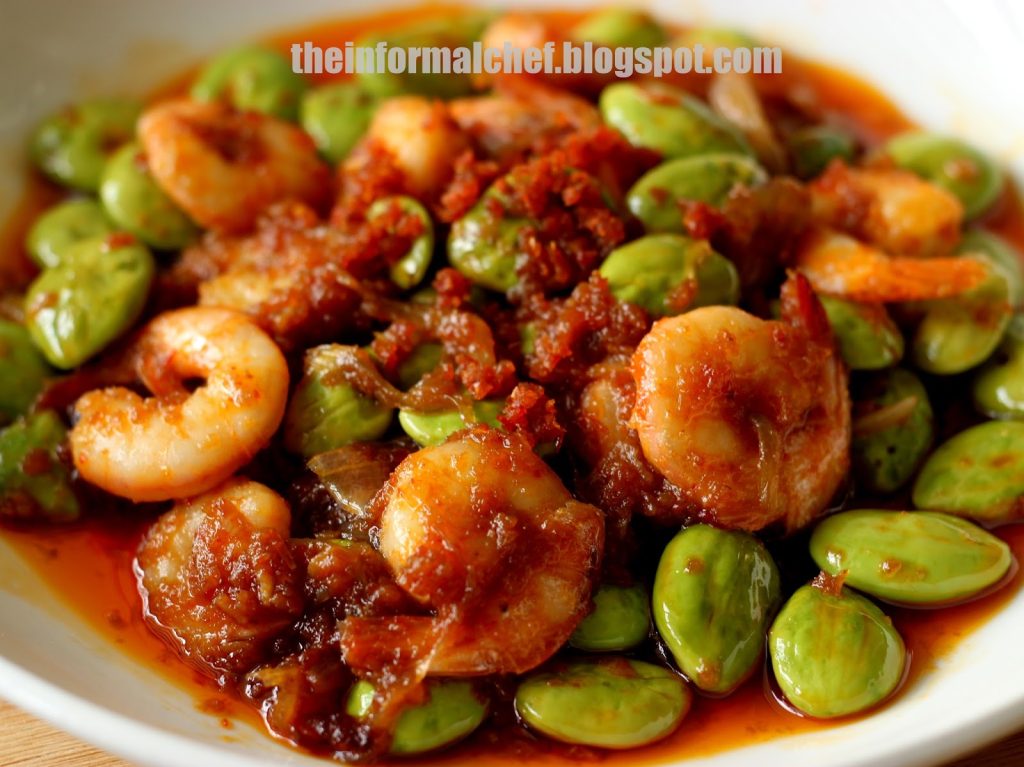

This dish is more than just a meal; it’s an experience. The vibrant red of the sambal, the green of the petai, and the pinkish-orange of the prawns create a visually appealing plate. The aroma that fills the kitchen as it cooks is intoxicatingly spicy and savory, a promise of the deliciousness to come. It’s a dish often found in humble warungs (small local eateries) and celebrated in homes across Indonesia, a testament to its enduring popularity.
At its heart, Udang Sambal Petai is a celebration of bold flavors. The heat from the chilies, the tang from tamarind, the sweetness from palm sugar, and the umami from shrimp paste (terasi) work in harmony. The petai, often described as having a flavor profile somewhere between asparagus and garlic, provides a unique, slightly bitter counterpoint that cuts through the richness of the sambal and the sweetness of the prawns.
To truly master Udang Sambal Petai, understanding the key components is crucial. These include the prawns, the petai, and the sambal base. Each element plays a vital role in the final outcome. Getting the balance right requires attention to detail and fresh, quality ingredients.
Choosing the right prawns is the first step towards a successful dish. Opt for fresh, medium-sized prawns. They should be firm to the touch, with a sweet, oceanic smell. Avoid prawns that are mushy, discolored, or have a strong ammonia odor, as these indicate they are past their prime. Peeling and deveining the prawns is essential for both texture and presentation. Leaving the tails on can add a decorative touch and a convenient handle for eating.
Petai, also known as stink beans or bitter beans, are the star of the show for many. These beans are encased in a pod and have a characteristic sulfurous aroma when raw, which mellows considerably during cooking. When selecting petai, look for pods that are plump and vibrant green. Avoid pods that are yellowing, shriveled, or have a slimy texture. The beans inside should be firm and plump. Petai is typically available in Asian markets, either fresh in their pods or sometimes pre-shelled.
Preparing the petai involves shelling them and then often rinsing them. Some cooks prefer to lightly blanch or pan-fry the petai before adding them to the sambal to soften their texture and further mellow their aroma. This step is optional but can be beneficial for those who are new to petai or prefer a less intense flavor.
The soul of this dish lies in the sambal. A traditional sambal for Udang Sambal Petai is a complex blend of red chilies (both large and small for varying heat levels), shallots, garlic, and a touch of shrimp paste (terasi). The chilies provide the heat, the shallots and garlic offer aromatic depth, and the terasi lends a crucial umami savoriness that is characteristic of many Indonesian stir-fries.
To make the sambal paste, the ingredients are typically pounded or blended until a coarse or smooth paste is formed, depending on preference. A mortar and pestle are traditional and yield a superior texture, but a food processor or blender can be used for convenience. It’s important to sauté this sambal paste thoroughly in oil until it darkens slightly and the raw chili aroma dissipates. This cooking process unlocks the full flavor potential and removes any rawness.
Let’s delve into the step-by-step cooking process. First, prepare your ingredients: peel and devein the prawns, shell and rinse the petai, and prepare the sambal paste ingredients.
The sambal paste is the foundation. Blend or pound the red chilies, shallots, garlic, and shrimp paste until you achieve your desired consistency. For a smoother sambal, blend longer; for a coarser texture, blend less.
Heat a generous amount of cooking oil in a wok or large skillet over medium heat. Add the prepared sambal paste and sauté, stirring constantly, until it becomes fragrant and the oil starts to separate from the paste. This process, known as ‘tumis,’ is crucial for developing the flavors and cooking out the raw chili taste. Be patient; this can take several minutes.
Once the sambal is well-cooked, add the diluted tamarind paste and palm sugar. Stir well and let it simmer for a minute or two to allow the flavors to meld. Season with salt to taste. Adjust the sweetness, sourness, and saltiness until you achieve a balanced flavor profile.
Now, it’s time to introduce the prawns. Add the peeled and deveined prawns to the simmering sambal. Stir gently to coat them evenly. Cook for just a few minutes until the prawns turn pink and opaque. Overcooking prawns will make them tough and rubbery, so be vigilant.
Finally, add the prepared petai to the wok. Stir-fry for another minute or two, just enough to heat the petai through and allow it to absorb some of the sambal sauce. The goal is to retain some of the petai’s signature crunch.
Taste and adjust seasoning one last time. If it’s too spicy, a little more palm sugar can help. If it needs more tang, a touch more tamarind. If it’s too bland, add more salt or a tiny bit more terasi.
Serve the Udang Sambal Petai immediately, piping hot. It is traditionally served with steamed white rice, which acts as a perfect neutral canvas to absorb the rich, spicy sauce. A side of sliced cucumbers or fresh tomatoes can provide a refreshing contrast.
Garnishes can elevate the presentation. Fresh cilantro leaves, a sprinkle of fried shallots, or a few slices of red chili can add visual appeal and an extra layer of flavor and texture.
Variations of this dish exist across different regions and households. Some might add a splash of water or coconut milk to create a saucier consistency. Others might include additional aromatics like lemongrass or kaffir lime leaves. Some daring cooks even add a few pieces of petai to the sambal grinding stage for a more integrated flavor.
The key to a truly exceptional Udang Sambal Petai lies in the quality of the ingredients and the careful cooking of the sambal base. Rushing the ‘tumis’ process will result in a raw, unpleasant chili flavor.
For those sensitive to spice, the number and type of chilies can be adjusted. Using fewer bird’s eye chilies and more large red chilies, or even deseeded chilies, can significantly reduce the heat while still maintaining the flavor profile.
The aroma of petai is a polarizing factor. If you find the natural aroma too strong, soaking the shelled petai in salted water for about 15-30 minutes before cooking, or lightly stir-frying them separately until slightly tender, can help mitigate it.
The shrimp paste (terasi) is indispensable for authentic Indonesian flavor. Ensure you use good quality terasi, which is typically sold in dried, compressed blocks. Toasting it lightly before adding it to the sambal can enhance its aroma and flavor.
Udang Sambal Petai is a dish that pairs wonderfully with other Indonesian staples. Think of it alongside a simple grilled fish, a side of stir-fried water spinach (kangkung), or crispy fried tempeh. The variety of textures and flavors makes for a truly satisfying Indonesian feast.
Storage and reheating: Leftovers can be stored in an airtight container in the refrigerator for up to two days. Reheat gently in a wok or skillet, adding a tablespoon of water or oil if it seems dry. The flavors often deepen and meld further upon reheating, making it just as delicious the next day.
Nutritional considerations: This dish is rich in protein from the prawns and offers fiber and vitamins from the petai and chilies. However, it can be high in sodium and fat due to the sambal and oil used. Moderation is key, and adjustments can be made to reduce oil and salt content.
Beyond the classic combination with prawns, petai can be cooked with other proteins like chicken, squid, or even tempeh. The sambal base remains largely the same, showcasing the versatility of this flavorful Indonesian chili paste.
The cultural significance of Udang Sambal Petai cannot be understated. It represents the bold, vibrant spirit of Indonesian cooking, where complex flavors are embraced and celebrated. It’s a dish that brings people together, sparking conversations and creating memorable dining moments.
Learning to cook Udang Sambal Petai is a rewarding culinary journey. It’s an opportunity to explore the depth and diversity of Indonesian flavors, mastering techniques that result in a truly unforgettable dish. So, gather your ingredients, embrace the spice, and prepare to be delighted by this iconic Indonesian delicacy.