
This guide will take you through a deep dive into creating restaurant-quality honey grilled shrimp in your own kitchen. We will explore everything from selecting the perfect crustaceans to mastering the delicate art of caramelization without burning, ensuring that your final result is not just food, but an experience.
The Foundation: Selecting the Perfect Shrimp
The first rule of any five-star kitchen is that a dish is only as good as its raw ingredients. When it comes to grilled shrimp, size and freshness are non-negotiable. For a truly luxurious presentation, you should opt for Tiger Prawns (Udang Windu) or King Prawns (Udang Galah). These varieties offer a firm texture that holds up well against the high heat of a grill and provides a substantial bite that feels premium.
When selecting your shrimp, look for shells that are glossy and firm, not slimy or soft. The meat should appear translucent rather than opaque, and there should be no scent of ammonia. A fresh ocean breeze smell is the standard. If you are buying head-on shrimp—which is recommended for the maximum aesthetic and flavor impact—ensure the heads are firmly attached to the body.
Professional Preparation Techniques
In a professional kitchen, the ‘prep’ is where the magic begins. To achieve the five-star look and ensure even cooking, you must clean and cut the shrimp correctly. Start by snipping off the sharp rostrum (the spike on the head) and the long antennae using kitchen shears. This makes the shrimp easier to eat and improves the presentation.
The hallmark of a chef-prepared grilled shrimp is the butterfly cut. Using a sharp paring knife or shears, cut along the back of the shrimp through the shell, from the head down to the tail. Make the incision deep enough to open the shrimp flat like a book, but be careful not to cut all the way through.
Butterflying serves two critical purposes. First, it allows you to easily remove the dark vein (the digestive tract) for hygiene and taste. Second, it increases the surface area of the meat. This maximized surface area allows the marinade to penetrate deeper and creates more space for the glaze to caramelize, resulting in more flavor in every bite.
Once cleaned and butterflied, rinse the shrimp under cold water and—this is crucial—pat them completely dry with paper towels. Excess moisture is the enemy of grilling; it causes the shrimp to steam rather than sear, preventing that beautiful golden-brown crust from forming.
The Alchemy of the Marinade
The flavor profile of Udang Bakar Madu is a delicate balancing act. It is not simply about slathering honey on shrimp. A five-star marinade requires a complexity that hits all the palate points: sweet, salty, sour, and umami. The honey provides the sweetness and the lacquer-like finish, but it must be tempered.
- Honey: Use a high-quality, viscous honey. Avoid watery syrups.
- Soy Sauce & Oyster Sauce: These provide the savory umami depth and the rich dark color.
- Aromatics: Finely grated garlic and ginger are essential. They must be grated into a paste so they don’t burn as chunks on the grill.
- Acidity: A squeeze of lime or lemon juice cuts through the sweetness and tenderizes the meat.
- Fat: Melted butter or neutral oil helps conduct heat and prevents sticking.
For an extra layer of complexity often found in high-end establishments, consider adding a dash of coriander powder, a hint of white pepper, and a small amount of sweet soy sauce (Kecap Manis) to bridge the gap between the honey and the savory elements.
The Art of Marination
Unlike red meat, seafood is delicate. You might assume that longer marination is better, but this is a common mistake. Shrimp meat can break down and become mushy if left in an acidic marinade for too long. For Udang Bakar Madu, a marination time of 15 to 30 minutes in the refrigerator is optimal.
While the shrimp are marinating, prepare a separate batch of the marinade to use as a basting glaze. Never use the leftover marinade that the raw shrimp sat in for basting unless you boil it first to kill bacteria. A fresh batch of glaze mixed with a little extra melted butter is the professional route.
Grilling: The High-Heat Method
Cooking shrimp requires confidence and speed. Whether you are using a charcoal grill (which adds an authentic smoky flavor) or a gas grill, the heat must be medium-high. If the heat is too low, the shrimp will dry out before they brown. If it is too high, the honey will burn before the meat is cooked.
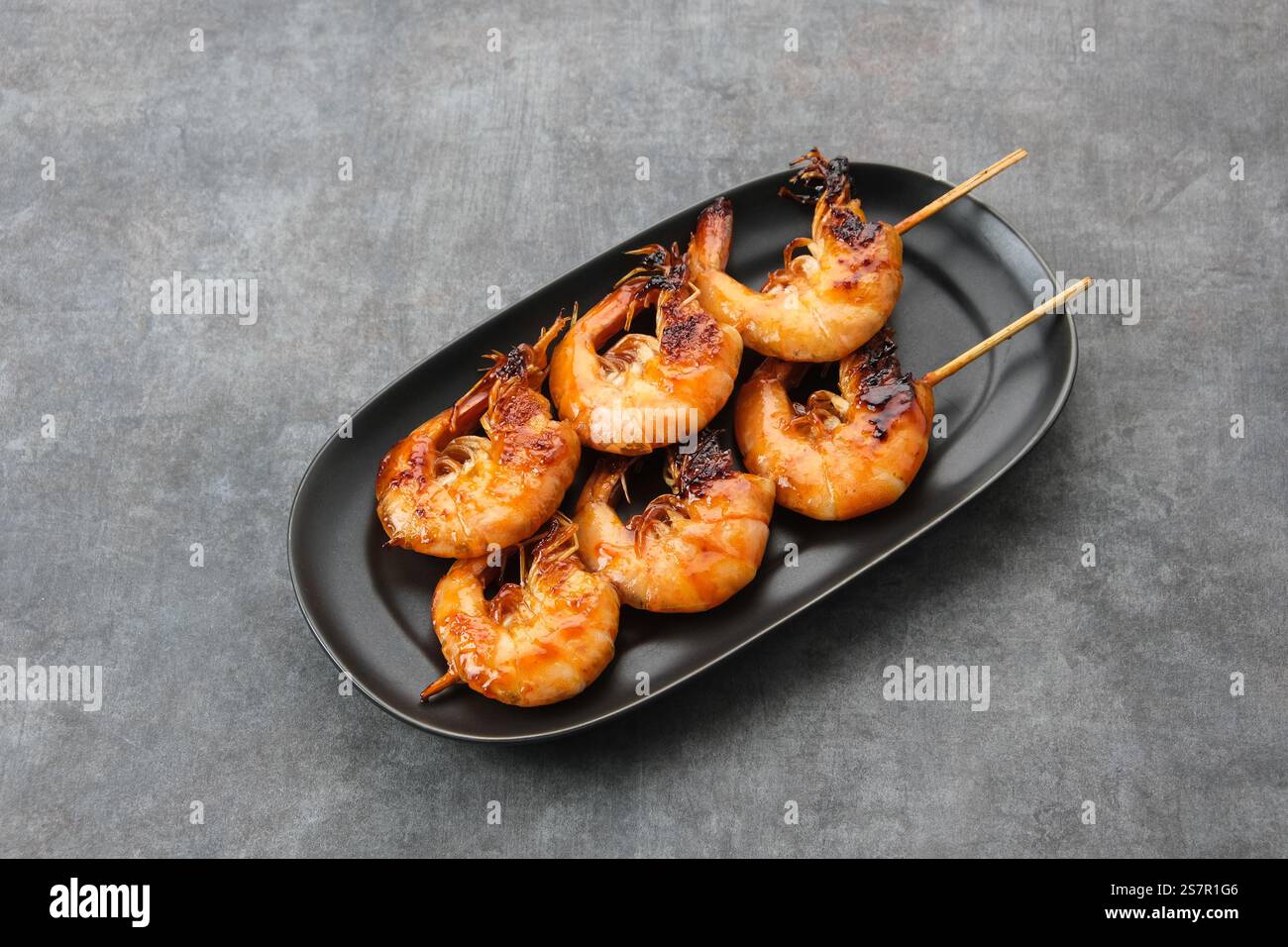
If you are using bamboo skewers to keep the shrimp straight (a common presentation technique), ensure they have been soaked in water for at least 30 minutes to prevent them from catching fire. Thread the skewer through the tail and up into the head to keep the butterflied shrimp flat.
Managing the Caramelization
This is the most technically challenging part of the recipe. Honey has a high sugar content and burns easily. Therefore, do not apply the heavy glaze immediately. Place the shrimp on the grill, shell-side down first if possible, or flesh-side down for just a minute to get sear marks.
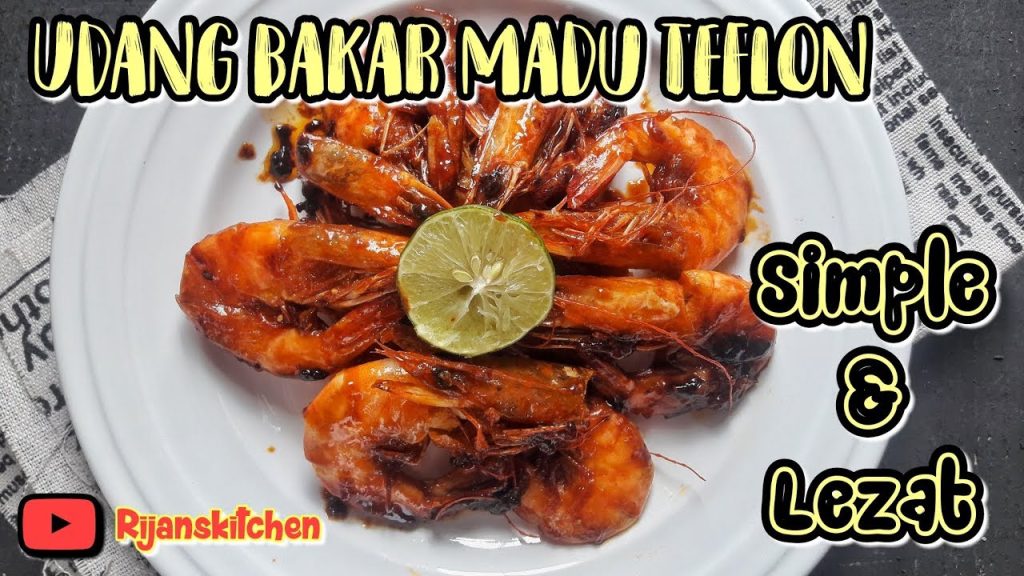
Flip the shrimp and begin to brush them generously with your basting glaze. The heat will cause the sugars in the honey and soy sauce to bubble and thicken, creating a sticky, glossy coating. Keep a close eye on the color. You want a deep mahogany red-brown, not a charred black.
The total cooking time for large prawns is usually only 3 to 5 minutes depending on the heat. The shrimp are done when the meat turns opaque and firm to the touch. Overcooked shrimp become rubbery and lose their natural sweetness, so it is better to pull them off the heat the moment they are just cooked through.
Resting and Final Touches
Just like a good steak, let the shrimp rest for a minute or two after taking them off the grill. This allows the juices to redistribute. In a five-star setting, the presentation is paramount. Arrange the shrimp on a platter lined with banana leaves or fresh lettuce for color contrast.
Garnish is not just decoration; it adds freshness. Sprinkle toasted sesame seeds or finely chopped cilantro (coriander leaves) over the shrimp. Serve with wedges of lime or calamansi to allow the diner to add a fresh hit of acidity right before eating.
Serving Suggestions
To complete the ‘Chef Bintang Lima’ experience, the accompaniments must be up to par. Udang Bakar Madu pairs beautifully with steamed jasmine rice or a fragrant yellow rice (Nasi Kuning).
A side of Sambal is traditional and essential for the Indonesian context. A Sambal Matah (raw Balinese shallot and lemongrass chili paste) or a Sambal Kecap (sweet soy sauce with chopped chilies and shallots) complements the sweetness of the honey perfectly without overpowering the delicate shrimp.
Common Mistakes to Avoid
1. Overcrowding the grill: If you put too many shrimp on at once, the temperature drops, and they steam. Give them space.
2. Using frozen, water-logged shrimp: If you must use frozen, thaw them slowly in the fridge and ensure they are incredibly dry before marinating.
3. Burning the garlic: This is why using garlic powder or a very fine garlic paste is preferred over minced garlic chunks, which turn bitter when charred.
Conclusion
Cooking Udang Bakar Madu ala Chef Bintang Lima is less about secret ingredients and more about respecting the produce and controlling the elements. It is the harmony of the fresh, briny shrimp with the caramelized, sweet-savory glaze that creates a memorable dish.
By following these steps—selecting premium prawns, butterflying for texture, balancing your marinade, and grilling with precision—you can bring the luxury dining experience into your own dining room. Fire up the grill, prepare your glaze, and get ready to impress your guests with a dish that looks and tastes like it came straight from a resort kitchen.