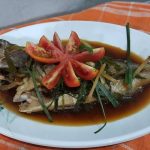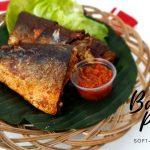
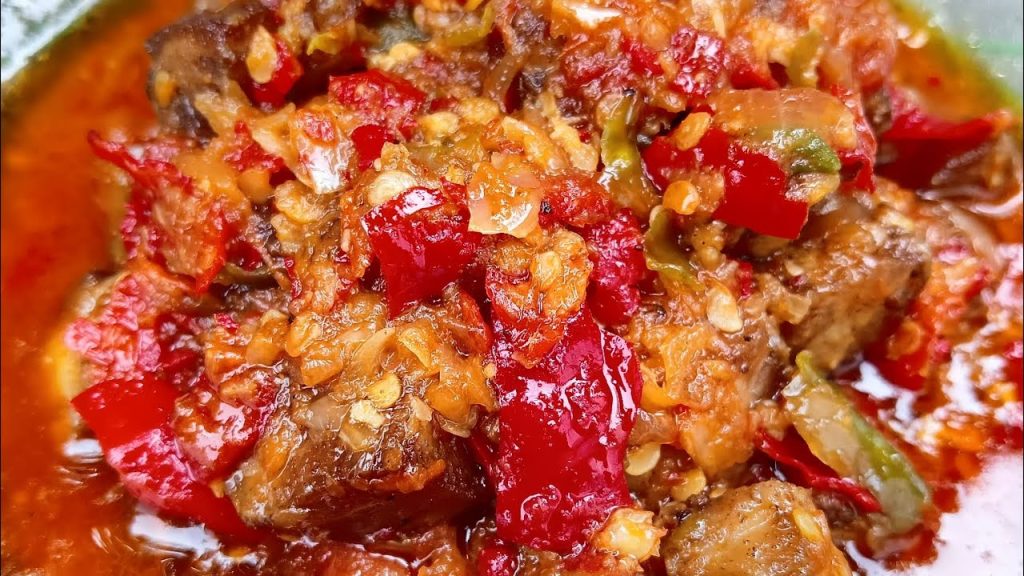

The foundation of any successful Tuna Balado dish lies in the quality of the tuna itself. Opting for fresh, high-quality tuna is paramount. Look for fish with bright, clear eyes, firm flesh that springs back when pressed, and a clean, oceanic scent. Avoid tuna that appears dull, has soft flesh, or emits a strong, ammonia-like smell, as these are indicators of staleness.
Proper handling and preparation of the tuna before cooking are crucial steps in minimizing fishiness. One of the most effective methods is to rinse the tuna thoroughly under cold running water. This helps to remove any surface slime or blood, which can contribute to a stronger odor.
Marinating the tuna is another highly effective technique. A simple marinade of lime or lemon juice, salt, and a pinch of pepper can work wonders. The acidity from the citrus helps to neutralize the amines responsible for the fishy smell. Allow the tuna to marinate for at least 15-30 minutes, or longer for a more pronounced effect.
Some cooks also advocate for a quick blanching or parboiling of the tuna before proceeding with the balado preparation. This involves briefly simmering the tuna in boiling water, often with added aromatics like ginger or lemongrass, for a few minutes. This process helps to firm up the flesh and release some of the volatile compounds that cause fishiness.
When preparing the balado paste, the choice and preparation of chili peppers play a significant role. Use a combination of red chilies (large and small) and bird’s eye chilies for a balanced heat and flavor. Removing the seeds and membranes from the larger chilies can help to moderate the spiciness, while the bird’s eye chilies provide a sharp, pungent kick.
Aromatics are key to masking and complementing the flavor of the tuna. Garlic and shallots form the base of most balado pastes. Sautéing these aromatics until fragrant before adding the chili paste helps to develop their sweetness and mellow their pungency.
Ginger and galangal are invaluable ingredients in Tuna Balado, not only for their distinct flavors but also for their deodorizing properties. Grating or finely mincing these rhizomes and incorporating them into the balado paste can significantly reduce any fishy undertones.
Turmeric, both fresh and powdered, is another excellent ingredient for its anti-microbial and deodorizing qualities. It also imparts a beautiful golden hue to the dish, enhancing its visual appeal.
Lemongrass, bruised and added to the cooking process, releases a fragrant citrusy aroma that effectively counteracts fishiness. Ensure the tough outer layers are removed and the stalk is bruised to release its essential oils.
The cooking oil used for sautéing the balado paste and frying the tuna can also influence the final flavor. Using a neutral-flavored oil like vegetable oil or canola oil is recommended. Some prefer to use a small amount of shallot-infused oil for added depth.
When frying the tuna, ensure the oil is sufficiently hot. This allows the tuna to sear quickly, creating a slightly crispy exterior that locks in moisture and flavor, while preventing it from becoming oily or mushy. Overcrowding the pan should be avoided, as it can lead to uneven cooking and steaming rather than frying.
The balado paste itself should be cooked thoroughly. Sautéing the paste over medium-low heat until the oil separates from the chili mixture is a sign that it’s well-cooked. This process cooks out the raw chili taste and deepens the flavor profile.
Adding a touch of sweetness is essential to balance the heat and savory notes. A spoonful of palm sugar or regular sugar can be used. Caramelizing the sugar slightly with the chili paste can add a delightful complexity.
Acidity plays a crucial role in cutting through richness and balancing flavors. A squeeze of fresh lime or tamarind juice added towards the end of cooking can brighten the dish and further neutralize any lingering fishiness.
The consistency of the balado sauce is also important. It should be thick enough to coat the tuna without being overly dry or soupy. Adjusting the cooking time and adding a splash of water or broth if needed can help achieve the desired consistency.
For those sensitive to strong fish odors, consider using pre-treated tuna. Many fish markets offer tuna that has been treated with salt and lime to reduce its fishiness, which can be a good starting point.
Another technique involves soaking the tuna in a mixture of water and a tablespoon of vinegar for about 10-15 minutes after rinsing and before marinating. Vinegar, like citrus, has acidic properties that help neutralize amines.
Experiment with different types of chilies. While red chilies are standard, incorporating a small amount of dried chilies, rehydrated and blended, can add a different layer of flavor and aroma without necessarily increasing the heat significantly.
Don’t underestimate the power of fresh herbs. While not traditional in all balado recipes, a garnish of fresh cilantro or Thai basil leaves added just before serving can introduce a fresh, herbaceous note that complements the rich flavors and masks any subtle fishiness.
The cooking vessel can also make a difference. Using a well-seasoned wok or a heavy-bottomed skillet allows for even heat distribution, which is crucial for achieving the perfect sear on the tuna and properly cooking the balado paste.
Allowing the balado to rest for a few minutes after cooking can help the flavors meld together. This brief resting period allows the chili paste to further coat the tuna and for the aromatics to fully infuse the dish.
When serving, consider pairing the Tuna Balado with steamed white rice. The neutral flavor of the rice acts as a perfect canvas, allowing the complex flavors of the balado to shine.
For an extra layer of flavor and to further combat fishiness, some recipes include a small amount of shrimp paste (terasi or belacan). If using, ensure it’s toasted properly to release its aroma and avoid a raw, pungent smell.
The amount of oil used in the balado is also a factor. While some oil is necessary for sautéing and frying, excessive oil can make the dish greasy and can sometimes amplify unpleasant odors. Aim for a balanced amount that coats the ingredients well.
When purchasing tuna, if possible, buy it whole and cut it yourself. This gives you more control over the freshness and allows you to remove any less desirable parts of the fish that might contribute to odor.
Consider the cooking time for the tuna itself. Overcooking tuna can make it dry and tough, and can also release more of its natural odor. Cook it just until it’s opaque and flakes easily.
If you find the fishy smell persists even after following these tips, a final rinse of the cooked tuna in a very mild brine (salt and water) before tossing it with the balado can sometimes help, though this should be a last resort to avoid diluting the flavors.
The key takeaway is a multi-pronged approach: start with fresh ingredients, prepare the tuna meticulously, utilize a generous blend of aromatics and spices in the balado, and cook everything with care and attention to detail. By implementing these strategies, you can confidently create a Tuna Balado that is a true testament to its delicious potential, free from any fishy distractions.