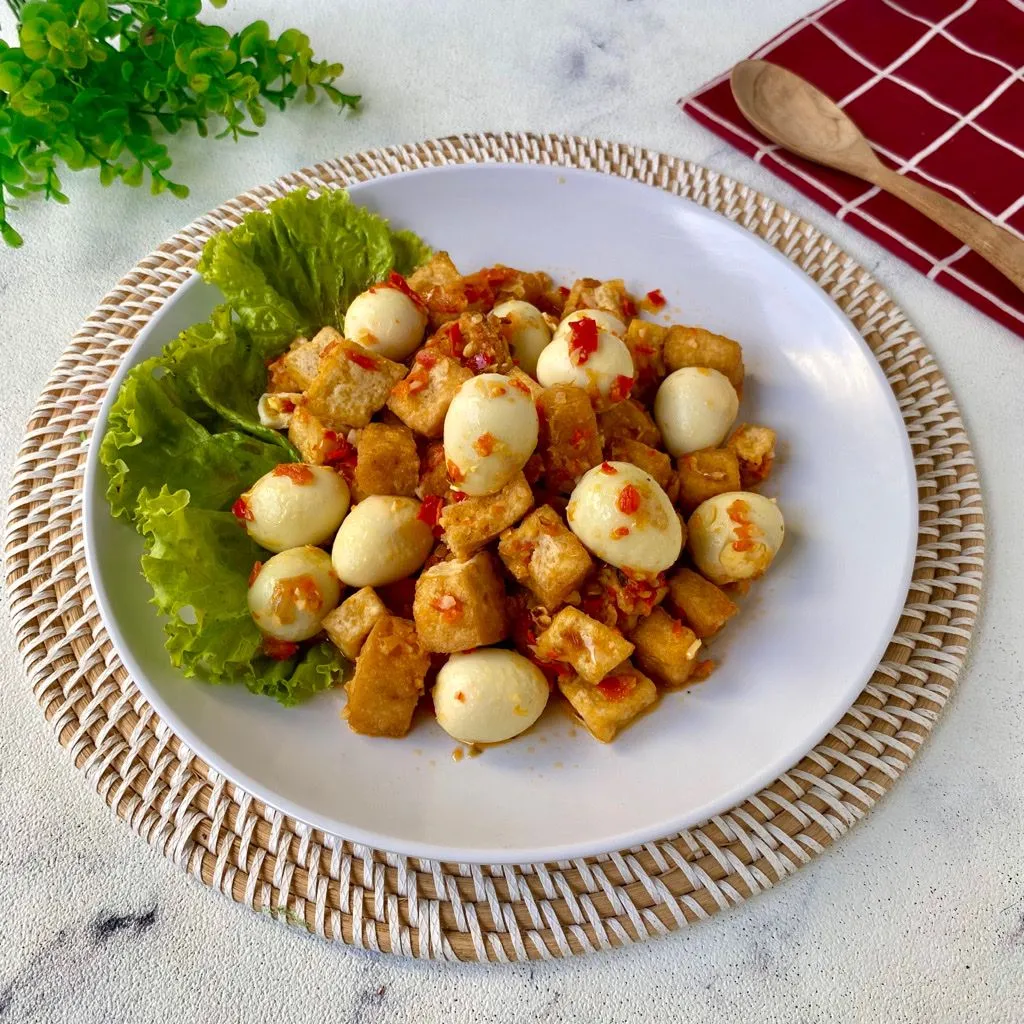

This article embarks on a comprehensive exploration of ‘Teknik Memasak Seafood Hot Plate Tahu Telur Puyuh,’ delving into the nuances of preparing this popular Indonesian-inspired dish. We will dissect the essential components, from selecting the freshest seafood to mastering the art of seasoning and cooking the tahu and telur puyuh to perfection. Whether you are a novice cook looking to impress or an experienced chef seeking to refine your techniques, this guide aims to provide invaluable insights and practical advice.
At its core, a successful seafood hot plate hinges on the quality of its primary ingredients. For the seafood component, variety is key to achieving a complex and satisfying flavor profile. Common choices include prawns, squid, fish fillets, and mussels. Each brings its unique texture and taste to the dish. Prawns offer a sweet, firm bite, while squid provides a tender chewiness when cooked correctly. Fish fillets, depending on the type, can add a flaky, delicate element. Mussels contribute a briny ocean essence that enriches the overall broth.
The preparation of these seafood elements is crucial. Ensuring they are fresh is paramount. Look for bright, translucent flesh in fish, firm and intact shells in prawns, and a fresh, oceanic smell. Over-handling or over-marinating can diminish their delicate flavors. A gentle rinse and pat dry are often all that’s needed before they join the hot plate.
Tahu, or tofu, serves as a wonderful absorbent for flavors and provides a soft, yielding texture that contrasts beautifully with the firmer seafood. There are various types of tahu, and the choice can significantly impact the final dish. Firm tofu, often labeled as ‘firm’ or ‘extra-firm,’ holds its shape well during cooking and is ideal for stir-frying or searing before being added to the hot plate. Silken tofu, on the other hand, is more delicate and might break apart easily, making it better suited for softer preparations or as a thickening agent if desired.
For this specific hot plate dish, firm or semi-firm tofu is generally recommended. Cubing or slicing the tahu into bite-sized pieces allows for even cooking and ensures it readily soaks up the savory sauce. A light pan-fry or deep-fry before adding to the hot plate can create a delightful crispy exterior, adding another layer of textural interest.
Telur puyuh, or quail eggs, are miniature powerhouses of flavor and visual appeal. Their small size makes them an ideal addition, offering a burst of richness with every bite. Quail eggs have a distinct flavor profile that is more intense than chicken eggs, with a creamier yolk. They are typically hard-boiled and peeled before being introduced to the hot plate.
The preparation of quail eggs is straightforward: boil them until firm, cool them in ice water to prevent overcooking and to make peeling easier, and then carefully shell them. Some recipes might suggest lightly searing the boiled quail eggs on the hot plate for a minute or two to give them a slightly caramelized exterior, enhancing their flavor and texture.
The heart of any hot plate dish is its sauce or seasoning. This is where the magic truly happens, binding all the individual components together into a harmonious symphony of taste. A well-balanced sauce for seafood hot plate typically involves a combination of savory, sweet, spicy, and umami elements. Common base ingredients include soy sauce, oyster sauce, fish sauce, and sometimes a touch of kecap manis (sweet soy sauce) for added sweetness and depth.
Aromatics play a vital role in building the flavor foundation. Garlic and ginger are almost always present, finely minced or grated to release their pungent and warming qualities. Onions or shallots can add a subtle sweetness and depth. For a touch of heat, chili peppers, either fresh or dried, are indispensable. The type and quantity of chili will determine the overall spiciness of the dish.
To achieve the characteristic glossy sheen and rich consistency of a hot plate sauce, a thickening agent is often employed. Cornstarch or tapioca starch, mixed with a little water to form a slurry, is commonly used. This slurry is added towards the end of the cooking process, stirred until the sauce thickens to the desired consistency, coating all the ingredients beautifully.
The cooking vessel itself is a critical element. Traditionally, a cast-iron skillet or a specialized hot plate is used. These materials retain heat exceptionally well, ensuring that the ingredients continue to cook and sizzle even after being placed on the table. The initial searing and caramelization that occurs on a hot surface are fundamental to the dish’s appeal.
When preparing at home, a heavy-bottomed skillet, such as cast iron or stainless steel, can effectively mimic the hot plate experience. Preheating the skillet is essential. It should be smoking hot before any ingredients are added to achieve that signature sizzle and sear.
The cooking process for seafood hot plate with tahu and telur puyuh typically begins with searing the aromatics in hot oil until fragrant. This releases their essential oils and forms the base of the flavor profile. Next, the tofu, if not pre-fried, can be added and lightly browned to develop a pleasing texture.
The seafood is usually cooked quickly to avoid becoming tough or rubbery. Prawns and squid cook in a matter of minutes. Fish fillets require careful monitoring to ensure they are cooked through but still moist. The key is to add the seafood towards the end of the cooking process, allowing it to cook in the developing sauce.
The sauce ingredients are then added, bringing everything together. As the sauce begins to bubble and reduce, the cornstarch slurry is incorporated to thicken it. The pre-boiled and peeled quail eggs are then gently folded in, along with any vegetables that are being used. The heat should be maintained to keep the dish sizzling.
Vegetables can add color, texture, and nutritional value to the dish. Common additions include broccoli florets, bell peppers (various colors for visual appeal), snap peas, carrots, and mushrooms. These vegetables should be added at a stage where they will be cooked until tender-crisp, retaining their vibrant colors and a slight bite.
Some recipes might call for a splash of Shaoxing wine or rice wine to deglaze the pan and add an extra layer of complexity to the sauce. A dash of sesame oil at the very end can impart a nutty aroma and enhance the overall flavor profile.
The presentation is as important as the taste. The hot plate dish is typically served directly in its cooking vessel, often placed on a heat-resistant trivet. Garnishes such as chopped spring onions, fresh cilantro, or a sprinkle of toasted sesame seeds can elevate the visual appeal and add a final burst of freshness.
Let’s delve into some specific techniques for preparing each component. For the seafood, ensuring prawns are deveined is a crucial step for both hygiene and texture. Squid can be scored in a diamond pattern to help it cook more evenly and create a more appealing texture. For fish, choosing fillets with firm flesh, like snapper or sea bass, is ideal.
When frying the tofu, aim for a golden-brown exterior. This not only improves the taste but also prevents it from disintegrating in the sauce. Ensure the oil is hot enough before adding the tofu to achieve this crispiness.
The art of making the sauce lies in balancing the sweet, salty, and spicy elements. Taste and adjust as you go. If it’s too salty, a touch more sweetness or a splash of water can help. If it’s too bland, more soy sauce or oyster sauce is needed. For spice, adjust the amount of chili to your preference.
Consider the order of adding ingredients. Harder vegetables like carrots and broccoli should be added before softer ones like bell peppers or snap peas. The seafood should be added last to prevent overcooking.
A common variation involves marinating the seafood briefly before cooking. A simple marinade of soy sauce, a pinch of white pepper, and a touch of cornstarch can tenderize the seafood and help it absorb more flavor. However, be mindful not to marinate for too long, as the acidity in some marinades can start to ‘cook’ the seafood.
For those who prefer a spicier kick, consider adding a tablespoon of chili paste or sambal oelek to the sauce. This will impart a more robust and authentic heat.
The texture of the sauce is also important. It should be thick enough to coat the ingredients but not so thick that it becomes gloopy. If the sauce is too thin, add more cornstarch slurry. If it’s too thick, a little water or broth can thin it out.
When serving, ensure the hot plate is placed on a stable, heat-resistant surface. Provide serving utensils and encourage diners to mix the ingredients as they eat to ensure they get a bit of everything in each bite.
Exploring different types of seafood can lead to exciting variations. Scallops offer a sweet, delicate flavor and cook very quickly. Clams or mussels can add a wonderful briny depth, but ensure they are thoroughly cleaned before cooking. Even small pieces of firm white fish can be incorporated.
The tofu can also be varied. Smoked tofu can introduce an intriguing smoky note. Fried tofu puffs, which are porous and absorb sauce exceptionally well, are another excellent option.
The integration of telur puyuh adds a unique richness. The creamy yolk is a delightful surprise within the savory sauce. Ensure they are fully cooked and easily peelable before adding.
Beyond the basic sauce, consider adding other flavor enhancers. A tablespoon of fermented black beans can provide a pungent, salty depth. A teaspoon of five-spice powder can introduce a complex aromatic profile.
For a healthier twist, consider reducing the oil used for searing and opting for steaming or poaching some of the components before adding them to the hot plate to finish with the sauce.
The concept of ‘wok hei’ or the ‘breath of the wok’ is crucial in Asian cooking, referring to the smoky aroma imparted by a seasoned wok over high heat. While difficult to fully replicate at home, using high heat and not overcrowding the pan can help achieve a similar effect.
Finally, the beauty of this dish lies in its adaptability. Feel free to experiment with different vegetables, seafood combinations, and spice levels to create your own signature version of this sizzling delight. The fundamental techniques, however, remain the bedrock of a successful and memorable seafood hot plate experience.
In conclusion, mastering the ‘Teknik Memasak Seafood Hot Plate Tahu Telur Puyuh’ involves a thoughtful approach to ingredient selection, meticulous preparation, and a keen understanding of cooking techniques. From the freshness of the seafood to the perfect texture of the tofu and the delightful burst of the quail eggs, each element plays a vital role. The artful creation of a balanced and savory sauce, combined with the dramatic sizzle of the hot plate, culminates in a dish that is as visually captivating as it is delicious. By following these principles and allowing for creative exploration, you can confidently recreate this sensational dish and impress your diners with its complex flavors and satisfying textures.