
While the presentation may seem intimidating to the home cook, the underlying techniques are surprisingly accessible. The dish, often referred to in Southeast Asia as ‘Cara Memasak Seafood Hot Plate Tofu,’ relies on a balance of textures: the crisp exterior of fried tofu, the bounce of perfectly cooked shrimp and squid, and the silky richness of a savory oyster sauce-based gravy. Mastering this dish allows you to bring a restaurant-quality centerpiece to your dining table.
Understanding the ‘Hot Plate’ Concept
The defining feature of this dish is, naturally, the hot plate itself. Traditionally made of cast iron and resting on a wooden base, this equipment is designed to retain intense heat. When the sauce and eggs are poured onto the superheated metal, they cook instantly, creating a caramelized layer at the bottom and keeping the food piping hot throughout the meal.
However, if you do not own a cast iron hot plate, do not let that deter you. You can replicate the flavors perfectly using a standard skillet or wok. While you may miss the dramatic sizzling presentation at the table, the culinary result—a rich, umami-packed seafood stew over silken tofu—remains equally delicious. For the purpose of this guide, we will cover the traditional method, but note that a heavy-bottomed frying pan is a suitable alternative for the cooking process.
The Star Ingredient: Egg Tofu
The foundation of this dish is egg tofu (often labeled as Japanese tofu). Unlike standard block tofu made solely from soy milk and coagulants, egg tofu includes whole eggs, giving it a custard-like consistency and a pale yellow hue. It is significantly smoother and richer than firm tofu, but it is also much more fragile.
Handling egg tofu requires a gentle touch. The tube must be sliced carefully—usually into discs about an inch thick. Because of its high moisture content and delicate structure, it is prone to breaking during the cooking process. The secret to maintaining its shape lies in a two-step process: dusting with cornstarch and deep-frying (or shallow-frying) until a protective skin forms.
Selecting the Seafood
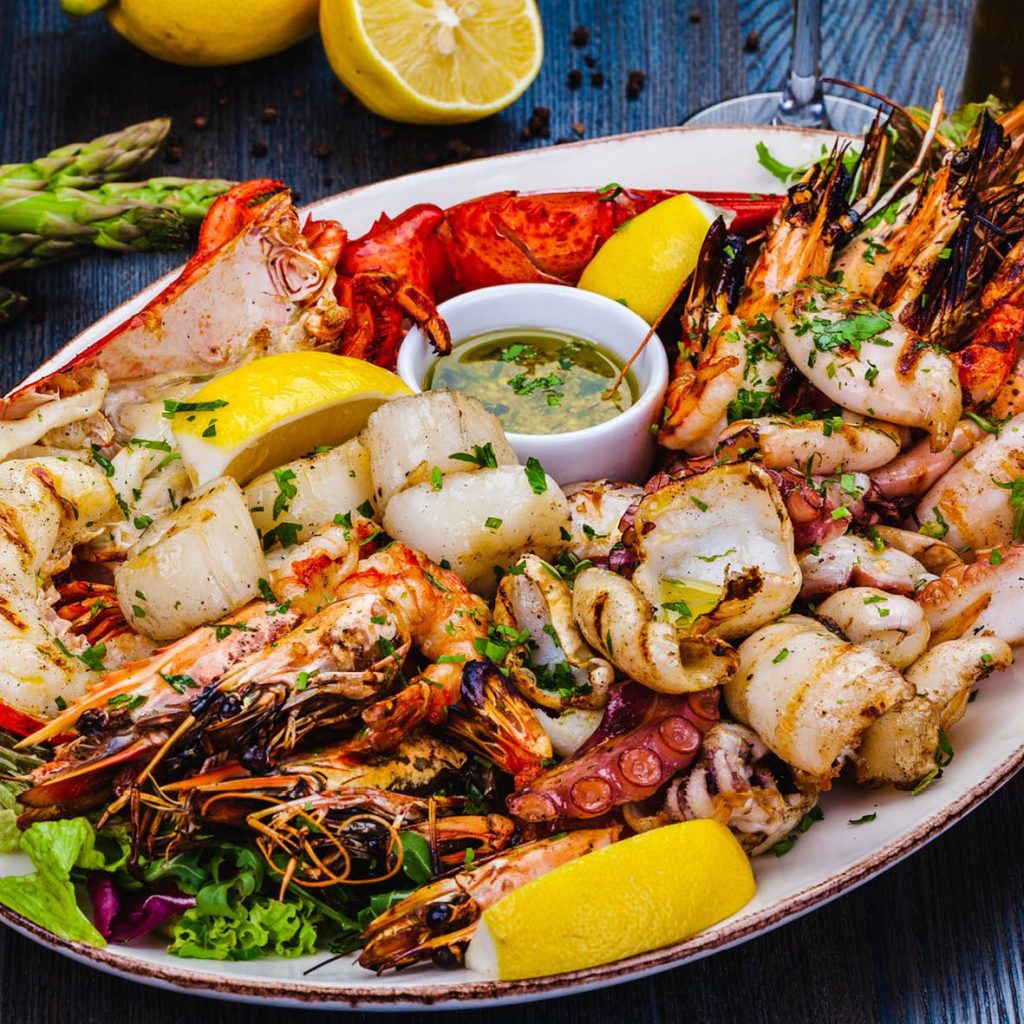
The ‘Seafood’ component of this dish is highly versatile, but the classic trio consists of shrimp, squid, and scallops. When sourcing shrimp, opt for medium-sized prawns, peeled and deveined. Leaving the tail on is an aesthetic choice that adds visual appeal, but removing it makes for easier eating.
Squid should be cleaned thoroughly. To achieve the beautiful curled shapes seen in restaurants, score the inside of the squid in a cross-hatch pattern before slicing it into bite-sized pieces. When blanched or stir-fried, the squid will curl up, catching more of the savory sauce in its ridges. Scallops, if used, should be seared quickly to retain their sweetness without becoming rubbery.
Vegetables and Aromatics
To balance the richness of the tofu and seafood, a medley of vegetables is essential. Snap peas or snow peas add a necessary crunch and a pop of bright green color. Sliced carrots offer sweetness, while fresh mushrooms—such as shiitake or button mushrooms—absorb the gravy and deepen the umami profile.
The aromatic base is built on the holy trinity of Chinese cooking: ginger, garlic, and onions. Sliced ginger helps to neutralize any fishiness from the seafood, while minced garlic provides the pungent backdrop for the sauce. Spring onions (scallions) are used both in the stir-fry and as a fresh garnish.
The Savory Gravy
The sauce ties all the elements together. It is a savory, brown gravy that leans heavily on oyster sauce for its depth. The typical blend involves oyster sauce, light soy sauce for saltiness, a dash of dark soy sauce for color, sugar to balance the salt, and white pepper for a subtle heat. Sesame oil is added at the very end for aroma.
Consistency is key. The sauce must be thick enough to cling to the slippery tofu and seafood but fluid enough to bubble vigorously on the hot plate. This texture is achieved using a cornstarch slurry (cornstarch mixed with cold water), which is stirred in towards the end of the cooking process.
Step-by-Step: Preparing the Tofu
Begin by slicing the tubes of egg tofu into discs. Gently blot them dry with a paper towel to remove excess moisture; this reduces oil splatter and helps the coating adhere. Dredge each piece lightly in cornstarch, shaking off the excess. The cornstarch creates a barrier that turns crispy when fried.
Heat oil in a wok or frying pan to approximately 350°F (175°C). Carefully slide the tofu pieces into the oil. Do not overcrowd the pan, and do not stir immediately, or the tofu will break. Let them fry undisturbed until a golden crust forms on the bottom, then gently flip. Once golden brown on all sides, remove them and drain on a wire rack.
Step-by-Step: Cooking the Seafood and Veggies
In a clean wok with a small amount of oil, stir-fry the ginger, garlic, and sliced onions until fragrant. Add the carrots and mushrooms, stir-frying for another minute. Next, add the seafood. It is crucial not to overcook the seafood at this stage, as it will continue to cook in the sauce and on the hot plate.
Once the shrimp turns pink and the squid turns opaque, pour in the pre-mixed sauce ingredients along with some water or chicken stock. Bring the mixture to a simmer. Add the snap peas now so they retain their crunch. Slowly stir in the cornstarch slurry until the sauce reaches a gravy-like consistency.
Combining the Elements
Gently return the fried egg tofu to the wok. Use a spatula to carefully toss the tofu in the sauce, ensuring every piece is coated. Be extremely gentle to avoid breaking the crispy skin you worked so hard to achieve. Let it simmer for just 30 seconds to allow the flavors to meld, then turn off the heat.
The Hot Plate Finale
While finishing the stir-fry, you should have your cast iron plate heating up on a separate burner. It needs to be smoking hot. Brush a thin layer of oil on the surface of the hot plate. This is the moment that defines the dish.
Whisk two to three eggs lightly with a pinch of salt. Pour the beaten eggs directly onto the sizzling hot plate. They will immediately begin to bubble and set at the bottom. While the eggs are still slightly runny on top, carefully pour the tofu and seafood mixture from the wok right over the eggs.
Serving and Presentation
The transition from stove to table should be immediate. The residual heat from the plate will finish cooking the eggs, creating a fluffy, golden bed beneath the savory gravy. The sauce will bubble aggressively, releasing aromatic steam. Garnish immediately with chopped spring onions and perhaps a few slices of red chili for color.
Serve the dish alongside steamed jasmine rice. The sauce is robust and flavorful, making it the perfect accompaniment to plain rice. The contrast between the soft, custard-like tofu, the chewy seafood, and the fluffy egg layer provides a complex mouthfeel that is highly satisfying.
Chef’s Tips for Success
Temperature Control: If the hot plate isn’t hot enough, you won’t get the sizzle, and the eggs will be greasy rather than fluffy. If it’s too hot, the eggs will burn instantly. Aim for a high heat where a drop of water evaporates immediately upon contact.
Seafood Management: If you are worried about overcooking the seafood, you can blanch the shrimp and squid separately in boiling water for 30 seconds, drain them, and add them to the sauce at the very end, just before thickening. This ensures they remain tender.
Vegetarian Variations: This dish can easily be adapted for vegetarians. Substitute the seafood with various types of mushrooms (king oyster, straw mushrooms) and mock meat. Replace the oyster sauce with a vegetarian mushroom stir-fry sauce.
Common Mistakes to Avoid
One common error is skipping the cornstarch coating on the tofu. Without it, the egg tofu will likely disintegrate into a scramble when added to the sauce. The fried skin acts as a structural container for the soft interior.
Another mistake is making the sauce too thin. A watery sauce will drown the eggs on the hot plate and fail to coat the ingredients properly. Conversely, a sauce that is too thick will become gloopy and unappetizing as it cools. Aim for the consistency of heavy cream.
Nutritional Profile
Seafood Hot Plate Tofu is a protein-rich dish. The combination of eggs, tofu, and seafood provides a substantial amount of high-quality protein. However, because the tofu is deep-fried and the sauce can be sodium-heavy, it is best enjoyed as part of a balanced meal with plenty of steamed greens or rice.
Conclusion
Learning Cara Memasak Seafood Hot Plate Tofu is a rewarding endeavor for any home cook. It demystifies the allure of restaurant sizzling plates and provides a versatile technique that can be adapted with different proteins and vegetables. Whether for a festive family dinner or a special weekend treat, this dish promises to impress with its dramatic presentation and comforting, savory flavors.
By following these steps—respecting the delicate nature of the tofu, timing the seafood cooking perfectly, and mastering the thermal dynamics of the hot plate—you can recreate this beloved classic in your own kitchen. The result is a harmonious blend of textures and tastes that sizzles with every bite.