

Understanding the ‘Fast or Slow’ Rule
The ‘Fast’ method involves high heat for a very short duration—typically under two or three minutes. Think deep-frying, searing in a scorching hot wok, or a quick flash on a charcoal grill. This cooks the protein just enough to be safe and warm without allowing the muscle fibers to tighten up and toughen.
The ‘Slow’ method takes the opposite approach. If you cook squid for more than three minutes, the collagen fibers contract, and the meat becomes tough. However, if you keep cooking it on low heat for 30 to 45 minutes, that collagen eventually breaks down into gelatin. The result is a texture that is meltingly tender and soft, perfect for tomato-based stews or braises. The danger zone is everything in between: cooking squid for 10 to 15 minutes is a guaranteed recipe for rubber bands.
Selecting and Prepping Your Squid
When buying squid, freshness is key. If you are buying it whole and fresh, look for bright, clear eyes and moist skin. It should smell like the ocean, not like fishy ammonia. However, do not be afraid of the frozen section. Squid freezes exceptionally well. In fact, many professional chefs prefer frozen squid because the freezing process helps to tenderize the meat slightly. Just be sure to thaw it slowly in the refrigerator overnight for the best texture.
Cleaning squid can seem intimidated, but it is a quick process once you get the hang of it. If you bought whole squid, simply pull the head and tentacles away from the body tube. They should detach easily. Inside the tube, you will find a clear, plastic-like shard called the quill or gladius. Pull this out and discard it. You can also peel off the purple speckled skin if you want a stark white appearance, though keeping it on adds flavor and color.
Don’t throw away the tentacles! They are often the most flavorful part. Cut the tentacles just below the eyes to separate them from the head (discard the head and innards). Check the center of the tentacles for a small, hard beak and squeeze it out. Now, give everything a good rinse, and you are ready to cook.
Recipe 1: Classic Crispy Salt and Pepper Squid
Ingredients: 1 lb cleaned squid tubes and tentacles, 1 cup cornstarch, 1 tbsp Sichuan peppercorns (toasted and ground), 1 tsp sea salt, 1/2 tsp sugar, vegetable oil for frying, fresh chili and green onions for garnish.
Start by slicing the squid tubes into rings or cutting them open to create flat squares. If doing squares, lightly score the inside flesh in a diamond pattern; this looks beautiful and holds more seasoning. Pat the squid extremely dry with paper towels. This is crucial—moisture is the enemy of crispiness.
Mix your cornstarch, ground peppercorns, salt, and sugar in a bowl. Heat about two inches of oil in a deep pan or wok to 375°F (190°C). Toss the squid in the dry mixture, shaking off any excess, and carefully lower it into the oil. Do this in batches to avoid dropping the oil temperature. Fry for only 2 minutes until golden and curled. Drain on a wire rack and toss immediately with sliced chilies and green onions. Serve with a wedge of lime.
Recipe 2: Grilled Lemon and Herb Calamari
Ingredients: 1 lb squid bodies (left whole or halved), 1/4 cup extra virgin olive oil, 3 cloves minced garlic, juice of 1 lemon, 1 tbsp fresh chopped oregano, salt, and black pepper.
Whisk the olive oil, garlic, lemon juice, oregano, salt, and pepper together in a bowl. Add the cleaned squid and toss to coat. Let this sit in the fridge for just 20 to 30 minutes. Do not marinate too long, or the acid in the lemon juice will start to ‘cook’ the squid (like ceviche) and change the texture.
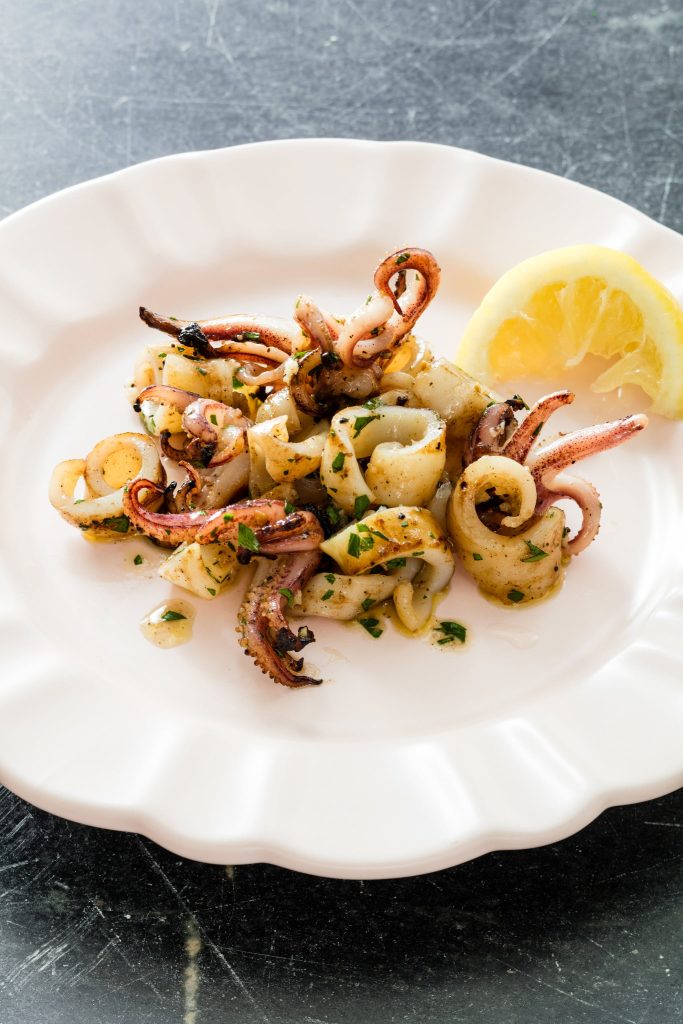
Preheat your grill to high. You want the grates smoking hot. Remove the squid from the marinade and place it directly on the grill. If you are worried about them falling through, use a grill basket or skewers. Grill for about 1 to 2 minutes per side. You want char marks, but the center should stay tender. Remove immediately, drizzle with a little fresh olive oil and a squeeze of lemon, and serve with a side of crusty bread.
Recipe 3: Slow-Braised Squid with Tomato and Red Wine
Now we switch gears to the ‘slow’ method. This dish is perfect for colder months when you want something hearty. This is often known in Italian cuisine as Calamari in Umido. The squid transforms into something completely different here—soft, yielding, and rich.
Ingredients: 1.5 lbs squid (cut into thick rings), 1 onion (diced), 2 cloves garlic (sliced), 1/2 cup red wine, 1 can (28 oz) crushed tomatoes, 1 tsp chili flakes, fresh parsley, olive oil.
In a heavy-bottomed pot or Dutch oven, sauté the onion and garlic in olive oil until soft and translucent. Add the chili flakes and the squid rings, stirring for a minute. Pour in the red wine and let it bubble vigorously for two minutes to burn off the alcohol. Add the crushed tomatoes and bring the mixture to a boil.
Once boiling, reduce the heat to the absolute lowest setting. Cover the pot and let it simmer gently for at least 45 minutes to an hour. Check it occasionally to ensure it isn’t sticking. After an hour, taste a piece of squid. It should be tender enough to cut with a spoon. If it still has a ‘snap’ to it, keep cooking. Serve this over polenta, mashed potatoes, or toss it with rigatoni pasta.
Recipe 4: Spicy Korean Squid Stir-Fry (Ojingeo Bokkeum)
Squid is a staple in Korean cuisine, where its texture is celebrated. This dish is fiery, slightly sweet, and packed with umami. It comes together in minutes, making it a perfect weeknight dinner served over steamed white rice.
Ingredients: 1 lb squid (scored and cut into bite-sized pieces), 1 onion, 1 carrot (julienned), 2 green onions, 1 tbsp vegetable oil. Sauce: 3 tbsp Gochujang (Korean chili paste), 1 tbsp Gochugaru (Korean chili flakes), 2 tbsp soy sauce, 1 tbsp sugar, 1 tbsp minced garlic, 1 tsp sesame oil.
Combine all the sauce ingredients in a small bowl. Heat your wok or large skillet over high heat with the vegetable oil. Add the onions and carrots, stir-frying for 2 minutes until they just start to soften. Add the squid and the sauce simultaneously.
Toss everything vigorously. The squid releases water as it cooks, which will mix with the thick paste to create a glossy, red sauce. Cook for about 3 to 4 minutes—just until the squid curls up and is opaque. Turn off the heat immediately to prevent toughening. Finish with a drizzle of sesame oil and sesame seeds. The heat of the chilies pairs perfectly with the sweet, chewy texture of the squid.
Recipe 5: Stuffed Squid (Calamari Ripieni)
This dish looks incredibly impressive but is surprisingly simple to assemble. It involves stuffing the tube of the squid with a flavorful breadcrumb mixture and baking it. This usually falls into the ‘slow’ cooking category, or a hybrid medium-heat roast.
Ingredients: 4 large squid tubes, 1 cup breadcrumbs, 1/4 cup parmesan cheese, 1 egg, chopped parsley, 1 clove garlic (minced), chopped squid tentacles, olive oil, 1/2 cup white wine.
Preheat your oven to 375°F (190°C). Finely chop the tentacles you removed earlier and sauté them quickly in a pan with garlic. In a bowl, mix the sautéed tentacles, breadcrumbs, parmesan, egg, parsley, and a splash of olive oil to bind it. The mixture should be moist like wet sand.
Stuff the squid tubes with the mixture. Important tip: Do not overstuff them! Squid shrinks when cooked, and if the tube is packed too tight, it will burst. Fill them only about two-thirds full and secure the open end with a toothpick.
Place the stuffed tubes in a baking dish. Drizzle generously with olive oil and pour the white wine into the bottom of the dish. Bake for 20 to 30 minutes. The squid should be tender and the filling hot and set. Slice them into rounds to serve; they look like beautiful mosaics on the plate.
Common Mistakes to Avoid
Even with these recipes, things can go wrong if you aren’t careful. The most common mistake is overcrowding the pan when frying or searing. If you put too much cold squid into a hot pan at once, the temperature drops, and the squid releases water. Instead of frying, you end up boiling the squid in its own juices, leading to a rubbery texture and no browning.
Another mistake is under-seasoning. Squid meat is mild and slightly sweet, but it needs salt to wake it up. Because it has a smooth surface, salt can slide right off. Seasoning your flour or marinades aggressively ensures the flavor penetrates or sticks to the meat.
Finally, failing to dry the squid is a recipe for disaster, especially when frying. Water creates steam, which pushes coating away from the meat. If your batter falls off your calamari, it is likely because the squid was too wet when you dredged it.
What to Serve with Squid
Squid is versatile, but it pairs best with acidic and fresh flavors to cut through its richness (especially if fried). Lemon wedges are non-negotiable. For sides, think of a crisp arugula salad with a vinaigrette, garlicky sautéed spinach, or a simple tomato bruschetta.
If you are making the braised version, you need a starch to soak up that incredible sauce. Crusty sourdough bread, creamy polenta, or even rice are excellent vehicles for the tomato-wine reduction. Beverage-wise, a crisp, dry white wine like Pinot Grigio, Sauvignon Blanc, or a light Rosé complements the seafood perfectly without overpowering it.
Conclusion
Cooking squid at home does not have to be a daunting task reserved for professional chefs. It is an economical, healthy, and delicious protein that offers endless variety. Whether you are craving the crunch of fried calamari, the smokiness of the grill, or the comfort of a slow-cooked stew, the ocean’s most versatile ingredient is waiting for you. Remember the rules of heat—fast or slow—and you will never have to worry about rubbery seafood again. So next time you are at the fish market, look past the salmon and give the squid a try. Your taste buds will thank you.