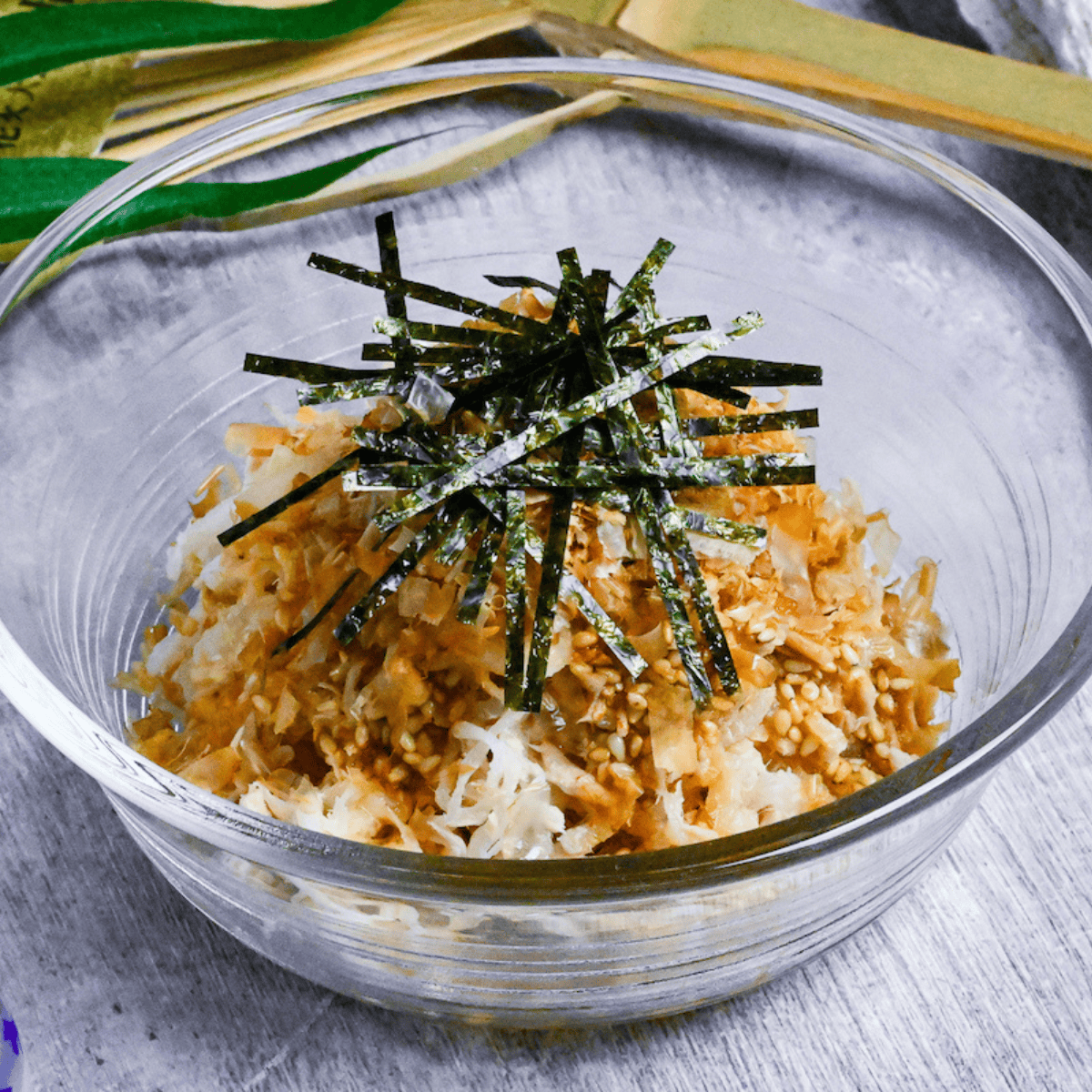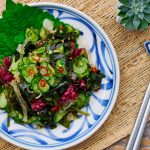
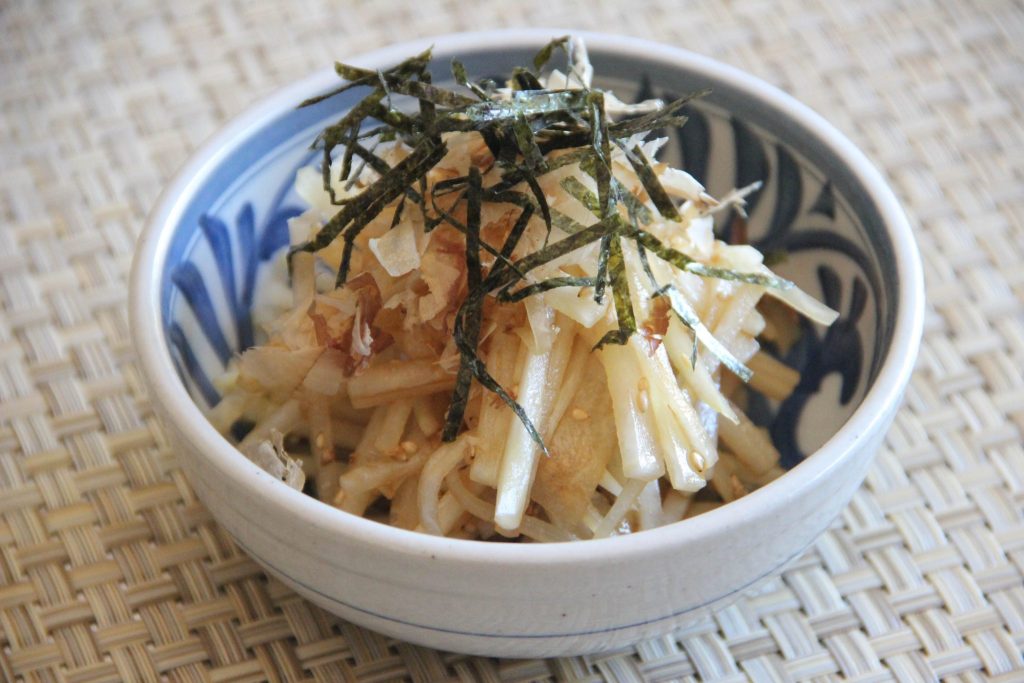

At its heart, this salad is a celebration of contrasting textures and harmonious tastes. The star ingredients typically include thinly sliced daikon radish, a staple in Japanese cuisine known for its mild peppery bite and satisfying crunch. Paired with this are succulent pieces of fresh seafood, which can range from plump shrimp and tender squid to delicate crab meat or even seared scallops, each contributing its unique oceanic essence. The dressing, often a light vinaigrette, ties everything together with a zesty, slightly sweet, and savory profile.
Daikon radish, also known as ‘mooli’ or ‘white radish,’ is a root vegetable that plays a significant role in Japanese cooking. Its versatility allows it to be enjoyed raw, pickled, simmered, or stir-fried. In this salad, its raw form is crucial, providing a refreshing, watery crunch that cuts through richer flavors. The way it’s prepared – often julienned or thinly sliced into delicate ribbons – is key to achieving the salad’s signature texture and visual appeal.
The choice of seafood is where much of the personalization of this salad can occur. For a classic rendition, cooked shrimp and imitation crab sticks (kani kama) are common and readily available. However, for a more elevated experience, consider using fresh, high-quality ingredients. Gently poached squid rings, blanched scallops, or even flaked cooked salmon can add depth and sophistication. The key is to ensure the seafood is cooked perfectly – not overcooked to the point of toughness, but just enough to be tender and flavorful.
The dressing is the unsung hero of any salad, and in the Japanese Seafood Daikon Salad, it’s particularly important for harmonizing the diverse ingredients. A typical Japanese-style dressing often features a base of rice vinegar, offering a mild, slightly sweet acidity. Soy sauce provides the essential umami depth, while a touch of sugar or mirin balances the sourness and adds a subtle sweetness. Sesame oil, with its nutty aroma, is frequently incorporated to lend a distinctively Asian fragrance.
Beyond the core components, a variety of other ingredients can be incorporated to enhance the salad’s complexity and nutritional value. Thinly sliced cucumber adds another layer of crispness and a cooling effect. Shredded carrots introduce a touch of sweetness and vibrant color. Edamame, with their satisfying pop and mild flavor, offer additional protein and a delightful texture. Some recipes even call for the inclusion of wakame seaweed, rehydrated and chopped, to impart a subtle oceanic brininess and a chewy texture.
The preparation of the daikon radish is a critical step. To achieve the ideal texture and to temper its natural pungency, it’s often recommended to soak the julienned daikon in ice-cold water for about 10-15 minutes. This process not only makes the radish exceptionally crisp but also mellows its sharp flavor, making it more palatable for a wider audience. After soaking, it’s essential to drain it thoroughly and pat it dry to prevent the salad from becoming watery.
Similarly, the seafood needs careful preparation. If using shrimp, they should be peeled, deveined, and cooked until just pink and opaque. Overcooking will result in a rubbery texture. Imitation crab sticks can be simply shredded or cut into bite-sized pieces. If you opt for squid, a brief blanching in boiling water is usually sufficient. For a more luxurious touch, seared scallops, cooked quickly on high heat, add a wonderfully caramelized sweetness.
The dressing can be whisked together in a small bowl. The ratio of ingredients is flexible and can be adjusted to personal preference. Some may prefer a tangier dressing, while others might lean towards a sweeter profile. A good starting point is equal parts rice vinegar and soy sauce, with a smaller amount of sesame oil and sweetener. Freshly ground black pepper can add a subtle warmth.
Assembling the salad is a straightforward process, but attention to detail can elevate its presentation. Begin by placing the prepared daikon radish in a large mixing bowl. Add the chosen seafood and any other vegetables like cucumber, carrots, or edamame. Gently toss these ingredients together to distribute them evenly.
Pouring the dressing over the salad just before serving is recommended. This ensures that the ingredients remain crisp and do not become soggy. Gently toss the salad again to coat all the components with the flavorful dressing. Avoid over-mixing, which can bruise delicate ingredients.
Garnishes play a vital role in the final presentation and flavor profile of Japanese dishes. For this salad, toasted sesame seeds are almost a must, adding a nutty crunch and visual appeal. Thinly sliced green onions (scallions) provide a fresh, pungent bite and a pop of color. A sprinkle of shichimi togarashi, a Japanese seven-spice blend, can add a touch of heat and complexity for those who enjoy a little spice.
The health benefits of this salad are numerous. Daikon radish is rich in vitamin C and contains digestive enzymes. Seafood, depending on the type, is an excellent source of lean protein, omega-3 fatty acids, and essential minerals like iodine and selenium. The light, vinegar-based dressing is typically low in fat compared to creamy dressings, making it a heart-healthy choice.
For those with dietary restrictions or preferences, this salad offers a good degree of flexibility. For a gluten-free option, ensure you use tamari instead of regular soy sauce. To make it vegan, omit the seafood and focus on a medley of crisp vegetables, perhaps adding firm tofu or edamame for protein. The base dressing is naturally vegan-friendly.
Storage of this salad requires some consideration. It’s best enjoyed fresh, as the crispness of the daikon and other vegetables can diminish over time. If you need to prepare it in advance, it’s advisable to store the salad components and the dressing separately. Combine them just before serving to maintain optimal texture and flavor.
Variations on this theme are abundant. Some might add a touch of wasabi to the dressing for a spicy kick. Others might incorporate avocado for a creamy counterpoint to the crisp vegetables. Thinly sliced red onion can add a sharper bite and a beautiful color contrast.
Exploring the origins of this salad, while not a single, ancient recipe, draws inspiration from traditional Japanese dishes that emphasize raw vegetables and seafood. The concept of a ‘sunomono’ salad, which typically features vinegared vegetables, is a close relative. The addition of seafood elevates it to a more substantial and celebratory dish.
The art of julienning daikon is worth mastering for this recipe. Using a sharp knife or a mandoline slicer, aim for thin, uniform matchsticks. This ensures that the daikon cooks evenly in the dressing and provides a pleasing texture in every bite. If you find julienning challenging, thinly slicing the daikon into rounds and then cutting those rounds into fine strips is another effective method.
When selecting seafood, freshness is paramount. If purchasing raw seafood to cook yourself, ensure it smells clean and oceanic, with no strong fishy odor. If using pre-cooked options like shrimp or imitation crab, check the expiration dates and ensure they are stored properly.
The balance of sweet and sour in the dressing is key to its success. Rice vinegar provides the sourness, while mirin or a touch of sugar brings the sweetness. Experiment with these ratios to find your perfect balance. A tiny pinch of salt can also enhance the overall flavor profile.
Consider the temperature at which you serve the salad. Chilling all the ingredients before assembly, and chilling the finished salad for at least 15-30 minutes before serving, can significantly enhance its refreshing qualities. This is especially true for a warm-weather dish.
For a visually stunning presentation, arrange the salad components artfully on a platter or in individual bowls. A drizzle of the dressing over the top, followed by a careful scattering of garnishes, can transform a simple salad into a culinary masterpiece.
The subtle crunch of the daikon, the tender chew of the seafood, the crispness of the cucumber, and the pop of edamame all contribute to a multi-sensory eating experience. This complexity is a hallmark of well-executed Japanese cuisine.
Incorporating a protein boost can be achieved by adding more seafood, or by including ingredients like cooked chicken or even firm tofu, prepared in a similar light marinade.
The dressing can also be infused with other flavors. A little grated ginger can add a warm, spicy note. A splash of yuzu juice, if available, can provide a unique citrusy aroma and flavor that is distinctly Japanese.
For those who appreciate the art of Japanese pickles, a small amount of pickled ginger (gari) or thinly sliced pickled daikon (takuan) can add an intriguing sweet and tangy dimension to the salad.
The simplicity of this salad’s preparation belies its sophisticated flavor profile. It’s a dish that allows the natural qualities of its ingredients to shine through, enhanced by a carefully balanced dressing and thoughtful presentation.
In conclusion, the Japanese Seafood Daikon Salad is more than just a dish; it’s an experience. It’s a testament to the beauty of fresh ingredients, the elegance of simplicity, and the joy of creating something both healthy and delicious. Whether you’re a seasoned cook or a beginner, this recipe offers a rewarding culinary adventure that is sure to impress.