
The phrase ‘pedas mantap’ perfectly encapsulates the essence of this dish – ‘superbly spicy.’ Manadonese cuisine is famous for its generous use of chilies, and Rica-Rica is the quintessential embodiment of this characteristic. It’s a vibrant, aromatic chili paste that coats succulent grilled fish, creating a symphony of flavors that is both invigorating and deeply satisfying. For those who appreciate a good kick, Ikan Bakar Rica-Rica offers an unparalleled journey into the heart of Indonesian spice.
Embarking on the creation of Ikan Bakar Rica-Rica at home is a rewarding endeavor. It allows one to connect with the culinary traditions of a distant land and bring its vibrant flavors to their own table. This comprehensive guide will walk you through every step, from selecting the ideal fish to mastering the art of the Rica-Rica paste, ensuring your rendition is as authentic and ‘pedas mantap’ as any found in the bustling markets of Manado.
The allure of Manadonese cuisine extends beyond its spiciness; it’s also about the freshness of ingredients and the harmonious blend of various aromatics. Unlike some Indonesian regional cuisines that lean heavily on coconut milk or sweet soy sauce, Manado’s flavor profile often emphasizes bright, zesty, and intensely savory notes, with a dominant fiery character. This makes Ikan Bakar Rica-Rica a refreshing departure for those seeking a different kind of Indonesian culinary adventure.
At the core of this dish is the Rica-Rica paste itself. The term ‘rica’ means chili in Manadonese dialect, and the repetition ‘rica-rica’ signifies its abundant and prominent use. This paste is a dynamic blend of red chilies, bird’s eye chilies (for extra heat), shallots, garlic, ginger, turmeric, lemongrass, lime leaves, and often fresh tomatoes. The precise ratio and freshness of these ingredients are paramount to achieving the authentic flavor profile.
Choosing the right fish is the first critical step towards a successful Ikan Bakar Rica-Rica. Freshness is non-negotiable. Look for fish with clear, bulging eyes, bright red gills, firm flesh that springs back when pressed, and a fresh, oceanic scent – never fishy. While any firm white-fleshed fish can work, traditional choices in Manado include:
- Kakap Merah (Red Snapper): Known for its firm, flaky white flesh.
- Kembung (Mackerel): A smaller, oilier fish that holds flavor well.
- Cakalang (Skipjack Tuna): A popular choice in Manado, often used for various dishes.
- Gurame (Gourami): A freshwater fish with a delicate flavor, often grilled.
The size of the fish is also important; medium-sized whole fish (around 500-800 grams) are ideal for grilling and absorbing the paste’s flavors.
Once you have your fresh fish, proper preparation is key. Begin by cleaning the fish thoroughly, removing scales, guts, and gills. Rinse it under cold running water and pat it completely dry with paper towels. To help the fish cook evenly and absorb the Rica-Rica paste deeply, make a few diagonal slits (scoring) on both sides of its body. This also prevents the skin from tearing during grilling and creates pockets for the flavors to penetrate.
While some recipes might suggest a preliminary marinade for the fish, a simple rub of salt and a squeeze of lime or lemon juice is often sufficient. This helps to firm up the flesh and reduce any lingering fishy odors. Let it sit for about 15-20 minutes while you prepare the star of the show: the Rica-Rica paste.
Crafting the Rica-Rica paste is an art form, though a blender or food processor can simplify the process significantly. The traditional method involves grinding the ingredients using a mortar and pestle, which releases their essential oils more effectively and creates a distinct texture. Regardless of the method, the goal is a smooth, yet slightly coarse paste.
- Chilies: A combination is best. Cabai Merah Keriting (curly red chilies) provide bulk and color, while Cabai Rawit Merah (red bird’s eye chilies) deliver the intense heat. Adjust the quantity of bird’s eye chilies according to your heat tolerance.
- Bawang Merah (Shallots): Provide sweetness and depth.
- Bawang Putih (Garlic): A pungent aromatic base.
- Jahe (Ginger): Adds a warm, peppery, and slightly sweet undertone.
- Kunyit (Turmeric): For earthy notes and a beautiful golden hue. Often used fresh, not powdered.
- Sereh (Lemongrass): The lower white part, bruised, for a citrusy, herbaceous aroma.
- Daun Jeruk (Lime Leaves): Shredded or finely sliced, these impart a distinct citrusy fragrance.
- Tomat (Tomatoes): Fresh red tomatoes add a touch of acidity and help to balance the heat.
- Kemiri (Candlenuts): Often included to thicken the paste and add a creamy texture, though sometimes omitted in simpler rica-rica versions. Toast them lightly before grinding.
- Salt and Sugar: To season and balance the flavors.
- Minyak Goreng (Cooking Oil): For sautéing the paste.
Once all ingredients for the paste are gathered, blend or grind them until smooth. If using a blender, add a little oil or water to facilitate blending. After blending, the paste should be sautéed in a pan with a little cooking oil over medium heat until fragrant and the oil separates, indicating it’s cooked through. This step is crucial for developing the depth of flavor and mellowing the raw chili taste. Add the lime leaves and bruised lemongrass during this sautéing process.
Grilling is the preferred cooking method for Ikan Bakar Rica-Rica, imparting a smoky char that complements the spicy paste beautifully. While charcoal grilling offers the most authentic flavor, a grill pan or even an oven broiler can be used as alternatives. If using charcoal, ensure the coals are glowing hot with a thin layer of ash, indicating even heat. Clean and oil your grill grates thoroughly to prevent sticking.
Begin by grilling the fish plain for the first few minutes on each side. This initial grilling helps to firm up the fish and prevents the paste from burning too quickly. Do not apply the rica-rica paste yet. Grill until the skin starts to crisp and you see some char marks.
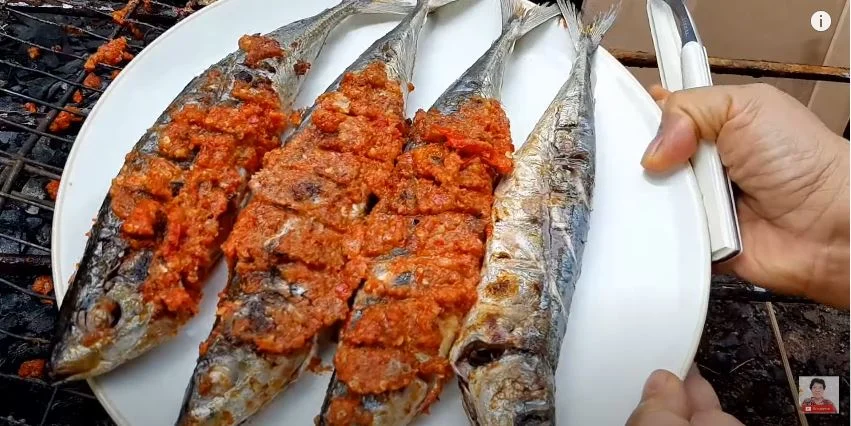
Now comes the heart of the process: applying the Rica-Rica paste. Generously spread the cooked paste all over the fish, ensuring it gets into the scored slits. Use a brush or spoon to coat both sides. Return the fish to the grill, continuing to baste with more paste as it cooks. The goal is to build layers of flavor and achieve a beautiful caramelized crust from the paste.
Be mindful of the heat. The sugars and oils in the paste can cause it to burn easily. Keep a close eye on the fish, flipping it regularly and moving it to cooler parts of the grill if necessary. The heat should be medium-low to allow the fish to cook through without charring the paste excessively. A perfect char on the paste will add a smoky, slightly bitter note that enhances the overall flavor, but burnt paste will taste acrid.
The cooking time will vary depending on the size and thickness of your fish. Generally, a medium-sized fish might take 15-25 minutes in total. The fish is done when the flesh is opaque throughout and flakes easily with a fork. Be careful not to overcook, as this can result in dry, tough fish. A meat thermometer inserted into the thickest part should read around 145°F (63°C).
Once cooked to perfection, transfer the Ikan Bakar Rica-Rica to a serving platter. The vibrant red hue of the paste, combined with the smoky char, makes it an incredibly appealing dish. Garnish with fresh lime wedges, which can be squeezed over the fish just before eating to add a burst of acidity that cuts through the richness and spice.
Serving Ikan Bakar Rica-Rica is an experience in itself, often accompanied by a variety of side dishes that enhance its flavors. The most common accompaniments include:
- Nasi Putih (Steamed White Rice): Essential for soaking up the delicious spicy sauce and balancing the heat.
- Sambal Dabu-Dabu: A fresh, raw chili salsa typical of Manado, made with finely chopped chilies, tomatoes, shallots, and lime juice. Its freshness offers a delightful contrast.
- Lalapan: A plate of fresh raw vegetables like cucumber slices, cabbage, basil leaves, and bitter melon, providing a refreshing crunch.
- Kangkung Tumis (Stir-fried Water Spinach): A common vegetable side dish that complements grilled fish well.
For those who prefer a less intense heat, the spice level of Rica-Rica can be easily adjusted. Simply reduce the number of bird’s eye chilies. Conversely, for the true chili lovers, feel free to add more! Some variations might also include a touch of tamarind paste for extra tanginess or belacan (shrimp paste) for an umami depth, though these are not always traditional in classic Manadonese Rica-Rica.
Beyond the incredible taste, Ikan Bakar Rica-Rica offers several health benefits. Fish is an excellent source of lean protein and omega-3 fatty acids, vital for heart and brain health. The fresh spices and herbs in the Rica-Rica paste are packed with antioxidants and anti-inflammatory compounds, contributing to overall well-being. It’s a flavorful way to incorporate healthy ingredients into your diet.
The cultural context of Ikan Bakar Rica-Rica is deeply rooted in Manadonese daily life. It’s a dish enjoyed by families, served at celebrations, and a staple in local eateries. The communal aspect of sharing a whole grilled fish, tearing off pieces of its flavorful flesh, and pairing it with rice and fresh sides, embodies the warmth and hospitality of Indonesian culture.
For those embarking on this culinary journey, remember these tips for success: always prioritize fresh ingredients, especially the fish and chilies. Don’t rush the sautéing of the paste; this step is crucial for flavor development. And finally, manage your grill heat carefully to prevent burning the delicate paste while ensuring the fish cooks through perfectly. Practice makes perfect, and each attempt will bring you closer to mastering this iconic dish.
Troubleshooting common issues can save your dish. If your fish is sticking to the grill, ensure the grates are thoroughly clean and well-oiled before you start. If the paste is burning too quickly, your heat might be too high; adjust it or move the fish to a cooler part of the grill. If the fish seems dry, you might be overcooking it or not basting enough with the flavorful oil from the paste.
While Ikan Bakar Rica-Rica is best enjoyed fresh off the grill, some components can be prepared in advance. The Rica-Rica paste can be made a day or two ahead and stored in an airtight container in the refrigerator, or even frozen for longer storage. This makes the cooking process on the day much quicker and more convenient, allowing you to focus on the grilling of the fish itself.
The versatility of Rica-Rica paste extends beyond fish. It’s a fantastic base for grilling chicken (Ayam Bakar Rica-Rica), stir-frying seafood (like prawns or squid), or even as a spicy condiment for tofu or tempeh. Once you master the paste, a world of fiery Manadonese flavors opens up to your kitchen.
Imagine the scene: a perfectly grilled, tender fish, its skin glistening with the vibrant red-orange hue of the Rica-Rica paste, the aroma of chilies, lemongrass, and ginger wafting through the air. You take a bite, and the initial burst of heat is quickly followed by the savory notes of the fish, the freshness of the herbs, and a subtle tang. It’s a multi-layered sensory experience that truly transports you.
Bringing a taste of Manado into your home kitchen is not just about following a recipe; it’s about embracing a culinary philosophy that celebrates bold flavors and fresh ingredients. Ikan Bakar Rica-Rica is more than just a dish; it’s an invitation to explore the passionate and vibrant heart of Indonesian cooking. Don’t be intimidated by the heat; instead, embrace it as a core component of its unique charm.
For the truly adventurous, consider making your own fresh turmeric and ginger paste from scratch, rather than relying on pre-ground versions. The difference in aroma and flavor is noticeable and contributes significantly to the authenticity of the Rica-Rica paste. The effort invested in fresh ingredients truly pays off in the final taste.
When balancing the flavors of Rica-Rica, think about the interplay of sweet, sour, spicy, and savory. The shallots and a pinch of sugar bring sweetness, lime leaves and tomatoes provide sour notes, the chilies deliver the heat, and salt and the fish itself contribute savory depth. Achieving this balance is what elevates a good Rica-Rica to a truly exceptional one.
Essential equipment for this dish includes a sturdy grill (charcoal or gas), a grill basket (optional but helpful for flipping whole fish), a sharp knife for scoring, a blender or mortar and pestle for the paste, and a basting brush. Having these tools ready will streamline your cooking process.
Safety should always be a priority. When handling raw fish, ensure proper hygiene by washing hands and cutting boards thoroughly. If using a charcoal grill, maintain a safe distance and be aware of potential fire hazards. Always have a fire extinguisher or water source nearby when grilling.
To complement the fiery flavors, consider pairing your Ikan Bakar Rica-Rica with refreshing beverages. Iced jasmine tea, fresh coconut water, or a simple glass of chilled lime juice can provide a welcome counterpoint to the heat, cleansing the palate and enhancing the overall dining experience.
In an increasingly globalized world, Indonesian cuisine, with its diverse regional specialties, is gaining well-deserved international recognition. Dishes like Ikan Bakar Rica-Rica showcase the incredible depth and complexity that Southeast Asian flavors have to offer, inviting food enthusiasts from all corners of the globe to explore its vibrant palate.
In conclusion, Ikan Bakar Rica-Rica Manado is more than just a spicy grilled fish; it’s a culinary masterpiece that embodies the spirit of Manadonese cuisine. Its bold flavors, enticing aromas, and satisfying heat make it an unforgettable dish. By following these steps and embracing the vibrant ingredients, you can recreate this authentic Indonesian delicacy and savor its ‘pedas mantap’ goodness right in your own home. Prepare to ignite your taste buds and embark on a truly sensational gastronomic adventure.