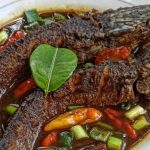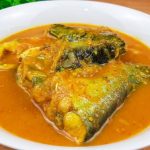
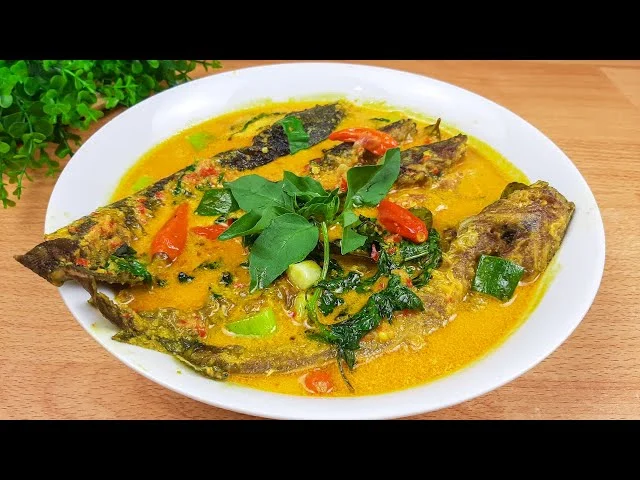

At its heart, the dish relies on three key components: tempoyak, ikan lele, and a potent blend of spices. Tempoyak, made from fermented durian, provides a unique umami depth and a characteristic sourness that cuts through the richness of the other ingredients. Ikan lele, or catfish, is chosen for its firm texture and ability to absorb flavors, making it an ideal canvas for the bold spices. The ‘mangut’ style refers to the cooking method, typically involving simmering in coconut milk with a generous amount of chilies, resulting in a rich and spicy gravy.
Understanding the role of each ingredient is crucial for achieving an authentic taste. The quality of the tempoyak, for instance, can significantly impact the final dish. Ideally, one should use well-fermented tempoyak that has a balanced sourness and aroma, not overly pungent or ammoniated. If using fresh durian to make your own tempoyak, ensure it is ripe and fermented for at least 3-5 days until it develops the desired tanginess.
Choosing the right catfish is also paramount. Opt for fresh, plump catfish, preferably those that have been raised in clean waters to avoid any muddy taste. The size of the catfish can vary, but medium-sized ones tend to be more tender and easier to manage during cooking. Cleaning the catfish thoroughly is essential; removing the innards and scales, and rinsing them well under running water helps eliminate any residual odors.
The spice blend, or ‘bumbu’, is where the magic truly happens. This aromatic foundation typically includes shallots, garlic, chilies (both red and bird’s eye for heat), turmeric, ginger, galangal, and candlenuts. Each of these ingredients contributes a specific note: shallots and garlic provide a sweet and pungent base, chilies deliver the heat, turmeric offers its earthy flavor and vibrant color, ginger and galangal add warmth and a subtle citrusy zing, while candlenuts lend a creamy texture to the spice paste.
Preparing the spice paste involves grinding or blending these ingredients into a fine consistency. Traditionally, a mortar and pestle (‘ulekan’) are used, which allows for a more rustic texture and releases the essential oils more effectively. However, a food processor or blender can also be used for convenience, though it’s advisable to pulse rather than over-process to maintain some texture.
Beyond the core ingredients, other elements enhance the dish. Lemongrass, kaffir lime leaves, and bay leaves are often added to the simmering liquid to impart a fragrant aroma and subtle citrusy notes that complement the richness of the coconut milk and the tanginess of the tempoyak.
Coconut milk is the lifeblood of the ‘mangut’ style. Full-fat coconut milk is preferred for its creamy texture and ability to create a luscious gravy. Some recipes might use a combination of thick and thin coconut milk, starting with thin milk for simmering the spices and then adding thick milk towards the end for richness.
The cooking process itself is a dance of flavors. It begins with sautéing the spice paste until fragrant, releasing its aromatic oils and cooking out any raw taste. This step is crucial for developing the depth of flavor.
Once the spice paste is well-cooked, the tempoyak is added. Stirring it in and allowing it to cook for a few minutes helps to mellow its pungent aroma and integrate its sour notes into the spice base. This melding of fermented durian and spices is a defining characteristic of the dish.
The catfish is then introduced, gently placed into the sautéed spice and tempoyak mixture. It’s important not to over-stir at this stage to prevent the fish from breaking apart.
Coconut milk is poured in, along with the aromatics like lemongrass, kaffir lime leaves, and bay leaves. The mixture is brought to a simmer, and then the heat is reduced to allow the catfish to cook gently and absorb the flavors of the broth.
Seasoning is a critical step. Salt and sugar are added to balance the sourness of the tempoyak, the spiciness of the chilies, and the richness of the coconut milk. A touch of MSG (monosodium glutamate) is often used by some cooks to further enhance the umami, though it can be omitted.
The dish is allowed to simmer until the catfish is cooked through and the gravy has thickened to the desired consistency. The longer it simmers, the more the flavors will meld and deepen. However, care must be taken not to overcook the fish.
Serving Tempoyak Ikan Lele Mangut Pedas is typically done hot, accompanied by steamed white rice. The fluffy rice acts as a perfect counterpoint to the intense flavors and heat of the curry, absorbing the delicious gravy.
Garnishes can elevate the presentation and add textural contrast. Freshly sliced chilies, thinly sliced shallots, or a sprinkle of fresh herbs like cilantro or spring onions can be added just before serving.
For those who wish to make their own tempoyak from scratch, the process involves selecting ripe durian, mashing it into a pulp, and then fermenting it in a clean, airtight container for several days. The key is to achieve a balance between sourness and aroma; over-fermentation can lead to an unpleasantly strong smell.
When selecting chilies, consider the desired level of heat. Red chilies provide a milder heat and vibrant color, while bird’s eye chilies (cabe rawit) deliver an intense, fiery kick. A combination of both is often used to achieve a layered spiciness.
Candlenuts, also known as kemiri, are essential for thickening the gravy and adding a subtle richness. If candlenuts are unavailable, macadamia nuts can be a suitable substitute, though they may impart a slightly different flavor profile.
The preparation of the spice paste can be done in advance, which can save time when you’re ready to cook the actual dish. Store the ground paste in an airtight container in the refrigerator.
When sautéing the spice paste, ensure it is cooked thoroughly. Undercooked spices can leave a raw, bitter taste in the final dish. The paste should darken slightly and become very fragrant.
Adjusting the amount of tempoyak is a matter of personal preference. Some prefer a stronger durian flavor, while others opt for a more subtle tang. Start with a moderate amount and add more to taste.
The cooking time for the catfish will depend on its size. Smaller pieces will cook faster than larger ones. It’s best to check for doneness by gently flaking the fish with a fork.
If the gravy becomes too thick during simmering, a little water or thin coconut milk can be added to reach the desired consistency. Conversely, if it’s too thin, continue simmering uncovered to allow some liquid to evaporate.
Tempoyak Ikan Lele Mangut Pedas is a dish that truly embodies the spirit of Indonesian cuisine – bold, complex, and deeply satisfying. It’s a culinary adventure that rewards the adventurous eater with an unforgettable taste experience.
This dish is not just about the ingredients and cooking method; it’s about the cultural context and the communal aspect of enjoying food. It’s often shared among family and friends, fostering a sense of togetherness.
Variations of this dish exist across different regions, with subtle differences in spice blends and the inclusion of other ingredients. Some might add tomatoes for a touch of acidity, while others might incorporate belacan (shrimp paste) for an extra layer of umami.
The key to a successful Tempoyak Ikan Lele Mangut Pedas lies in the balance. The sourness of the tempoyak, the heat of the chilies, the creaminess of the coconut milk, and the richness of the fish must all harmonize to create a truly exquisite dish.
For those new to tempoyak, it’s recommended to start with a smaller amount to gauge your palate’s reaction to its unique flavor profile. Its fermented nature can be an acquired taste for some.
The type of catfish used can also vary. While ‘lele dumbo’ (African catfish) is common, other varieties of catfish can also be used, provided they are fresh and cleaned properly.
The aroma that fills the kitchen as this dish simmers is truly intoxicating, a complex bouquet of spices, coconut, and the distinctive scent of fermented durian.
This dish is best enjoyed fresh, but leftovers can be stored in an airtight container in the refrigerator for a day or two. The flavors tend to deepen further upon refrigeration, making it even more intense.
When serving, consider pairing it with other Indonesian side dishes like stir-fried water spinach (kangkung), fried tempeh, or acar (pickled vegetables) to create a complete and balanced meal.
The journey of preparing Tempoyak Ikan Lele Mangut Pedas is as rewarding as enjoying its final taste. It’s an opportunity to explore the vibrant and diverse flavors of Indonesian gastronomy, and to create a dish that is both comforting and exhilarating.