
At its core, the success of any dish hinges on the quality of its ingredients. For Sweet and Sour Cockles, this begins with selecting the freshest cockles. Look for those with tightly closed shells, or shells that snap shut when tapped. This indicates they are alive and fresh. Avoid any with cracked or broken shells, or those that remain open and unresponsive. The briny liquor within the shells is a crucial flavor component, so ensure they are clean and free from excessive grit. Rinsing them thoroughly under cold running water is essential, and a brief soak in saltwater can help purge any remaining sand.
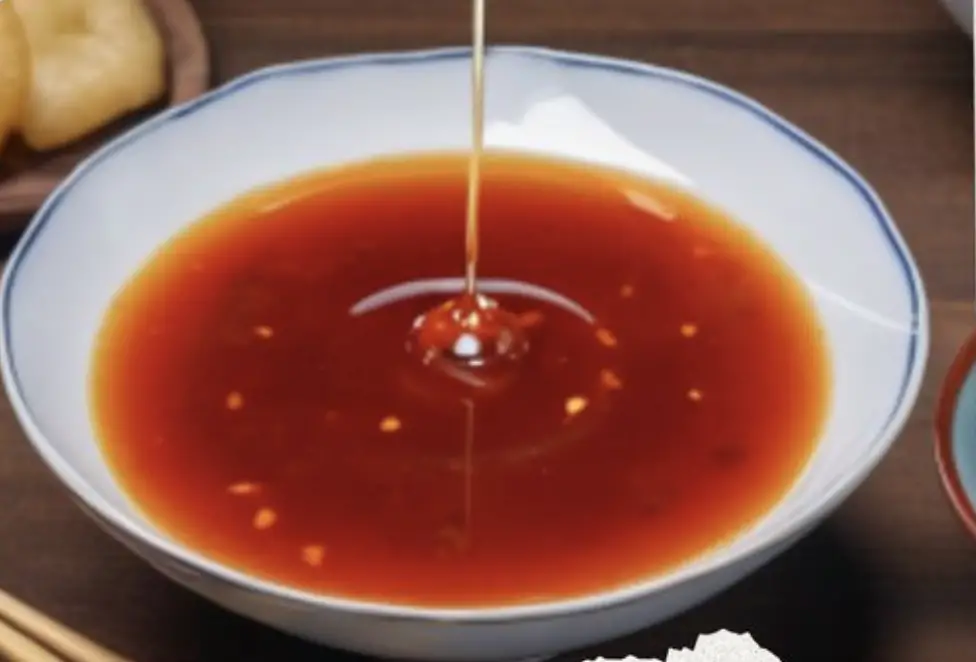
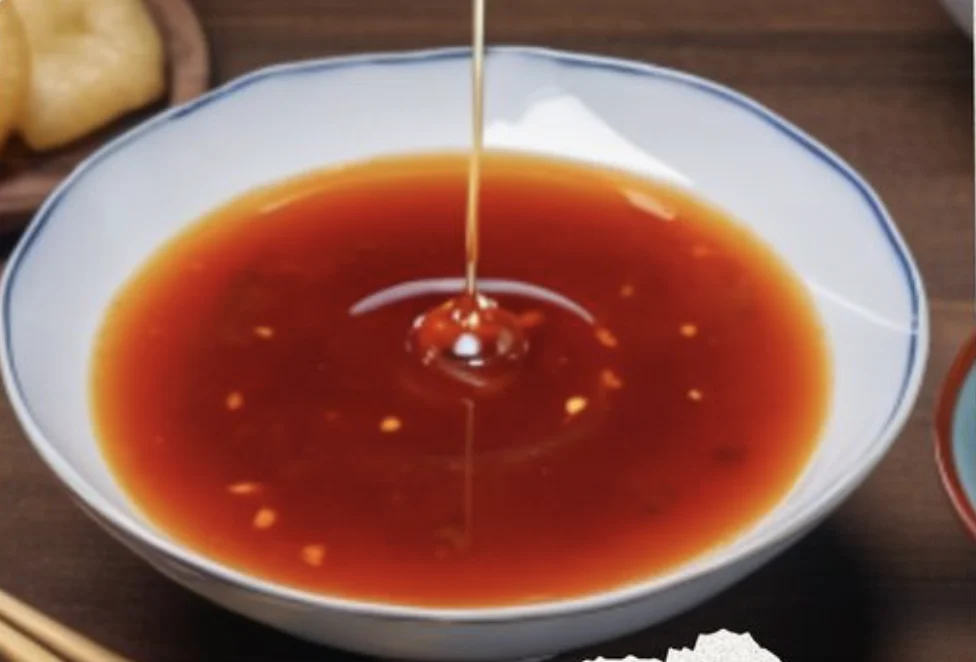
The soul of this dish lies in the sweet and sour sauce itself. Achieving the perfect balance is an art form. The fundamental components are typically a blend of sweetness, sourness, saltiness, and a hint of umami. Common sweeteners include sugar (granulated or brown), honey, or even fruit juices like pineapple or orange. For the sour element, vinegar is paramount – white vinegar, rice vinegar, or even apple cider vinegar can be used, each offering a slightly different profile. Soy sauce or fish sauce provides the necessary saltiness and a depth of umami.
Beyond the foundational elements, aromatics play a vital role in building complexity. Garlic and ginger, finely minced or grated, are indispensable. Their pungent aromas and sharp flavors create a perfect counterpoint to the sweetness and sourness. Shallots or onions, sautéed until translucent, add another layer of subtle sweetness and depth. For those who enjoy a touch of heat, chili peppers, either fresh or dried, can be incorporated. Bird’s eye chilies offer a fiery kick, while milder varieties can provide a gentle warmth.
The cooking process for cockles is remarkably swift. Overcooking can lead to tough, rubbery textures, so precision is key. Typically, cockles are steamed or stir-fried. Steaming is a gentle method that allows the natural flavors of the cockles to shine through while ensuring they cook evenly. Stir-frying, on the other hand, offers a quicker cooking time and allows the sauce to coat the cockles more effectively.
Let’s delve into the steaming method. A common approach involves heating a small amount of oil in a wok or large pan. Sauté the aromatics – garlic, ginger, and chilies – until fragrant. Then, add the cleaned cockles. Pour in a mixture of the prepared sweet and sour sauce ingredients (e.g., water, vinegar, sugar, soy sauce, ketchup for color and tang). Cover the pan tightly and let the cockles steam for a few minutes until they open. Discard any cockles that do not open.
The stir-frying method offers a more dynamic cooking experience. Heat oil in a wok over high heat. Add the aromatics and stir-fry until fragrant. Introduce the cockles and stir-fry for a minute or two until they begin to change color. Pour in the sweet and sour sauce mixture and toss vigorously to coat the cockles. Continue to stir-fry for another minute or two, allowing the sauce to thicken slightly and glaze the cockles. This method ensures a rapid cooking process, preserving the tender texture of the shellfish.
The magic of the sweet and sour sauce truly comes alive when it’s allowed to meld with the natural briny liquor released by the cockles during cooking. This interaction creates a sauce that is richer, more complex, and deeply infused with the essence of the sea. The starch from the cockles also contributes to the sauce’s body, giving it a delightful viscosity.
Ketchup often finds its way into sweet and sour sauces, and for good reason. It provides a base of tomato flavor, a touch of acidity, and a vibrant red hue that is visually appealing. However, the amount used should be balanced carefully to avoid overpowering the other flavors. Some recipes opt for tomato paste for a more concentrated flavor, while others rely solely on sugar and vinegar for sweetness and tang.
For an added layer of flavor and texture, consider incorporating vegetables into your Sweet and Sour Cockles. Bell peppers, sliced thinly, add a sweet crunch and a burst of color. Onions, cut into wedges, soften and caramelize slightly during cooking, adding another dimension. Pineapple chunks, fresh or canned, are a classic addition, their tropical sweetness and acidity perfectly complementing the sauce. Snow peas or green beans can introduce a fresh, crisp element.
The type of vinegar used can significantly influence the final taste. White distilled vinegar offers a clean, sharp acidity. Rice vinegar is milder and slightly sweeter. Apple cider vinegar brings a fruity undertone. Experimenting with different vinegars allows for customization based on personal preference and the desired flavor profile of the dish.
Sweeteners, too, can be varied. While granulated sugar is common, brown sugar imparts a richer, more caramel-like sweetness. Honey offers a floral note and a different kind of viscosity. Maple syrup, though less traditional, can introduce a unique depth. The key is to find the right balance – a sauce that is neither overwhelmingly sweet nor excessively tart.
The umami component is crucial for savory depth. Soy sauce is a staple, but tamari (for a gluten-free option) or even a dash of Worcestershire sauce can be used. Fish sauce, particularly in Southeast Asian-inspired variations, adds an intense savory kick that is hard to replicate.
For those seeking a healthier alternative, consider reducing the sugar content and relying more on the natural sweetness of ingredients like pineapple or carrots. Using less oil and opting for steaming over stir-frying can also contribute to a lighter dish. The inherent flavors of the cockles and the aromatics can carry the dish even with a lighter sauce.
Presentation is an integral part of the culinary experience. Serve your Sweet and Sour Cockles piping hot, straight from the wok or pan. The vibrant colors of the sauce and any added vegetables should be showcased. A sprinkle of fresh cilantro or chopped spring onions adds a final touch of freshness and visual appeal. Garnish with a wedge of lime for an extra burst of citrus.
Accompanying your Sweet and Sour Cockles with the right side dishes elevates the meal. Steamed white rice is a classic pairing, its neutral flavor providing a perfect canvas for the bold sauce. Fried rice, with its savory notes, also complements the dish well. For a lighter option, consider a simple side salad or steamed greens.
Exploring variations can lead to exciting new flavor profiles. A Thai-inspired version might incorporate lemongrass, galangal, and fish sauce, with a generous amount of chili for heat. A Cantonese-style sauce could lean more heavily on sugar, vinegar, and cornstarch for a thicker, glossy finish. A fusion approach might introduce elements like Sriracha for a spicy kick or a splash of orange juice for a brighter citrus note.
The texture of the sauce is also worth considering. For a thicker, more clinging sauce, a cornstarch slurry (cornstarch mixed with a little cold water) can be added towards the end of cooking. This thickens the sauce beautifully, ensuring each cockle is generously coated. Be careful not to add too much, as it can make the sauce gummy.
When it comes to selecting cockles, consider their origin. Different regions may have slightly different flavor profiles due to their diet and environment. While this might be a subtle difference, for the discerning palate, it can add another layer of appreciation.
The art of balancing flavors is perhaps the most critical skill in preparing Sweet and Sour Cockles. It’s a continuous process of tasting and adjusting. Does it need more sweetness? Add a pinch more sugar. Too sour? A touch more sugar or a splash of water. Not savory enough? A dash of soy sauce or fish sauce. This iterative process is what transforms a good dish into an exceptional one.
Consider the cooking vessel. A well-seasoned wok is ideal for stir-frying due to its ability to distribute heat evenly and its large surface area, allowing for quick evaporation and caramelization. If a wok is not available, a large, heavy-bottomed skillet can also be used effectively.
The temperature of your ingredients can also play a role. Ensuring your sauce components are at room temperature before combining them with the hot cockles can prevent drastic temperature drops and ensure more even cooking.
For those with dietary restrictions, gluten-free soy sauce (tamari) can be used. For a vegan or vegetarian alternative, while cockles are shellfish, the sauce itself can be adapted. However, the core of this dish is the seafood.
The aroma that fills your kitchen as you prepare this dish is intoxicating. The sizzle of the aromatics, the sweet and tangy scent of the sauce, and the briny perfume of the cockles create an inviting atmosphere, hinting at the delicious meal to come.
Learning to cook cockles with sweet and sour sauce is a rewarding culinary endeavor. It’s a dish that is relatively quick to prepare, yet offers a depth of flavor that can impress even the most discerning palates. The versatility of the sauce allows for endless experimentation, making it a staple in many kitchens.
The visual appeal of this dish is undeniable. The glossy, vibrant sauce clinging to the plump cockles, interspersed with colorful vegetables, creates a feast for the eyes. It’s a dish that speaks of freshness, flavor, and skillful preparation.
Ultimately, mastering the art of Sweet and Sour Cockles is about understanding the interplay of flavors, textures, and cooking techniques. It’s about respecting the ingredients and allowing them to shine. With practice and a willingness to experiment, you can create a dish that is both delicious and memorable.
The journey to perfect Sweet and Sour Cockles is one of continuous learning and enjoyment. Each time you prepare it, you gain a deeper understanding of how to balance the sweet, sour, salty, and savory elements to create a truly exceptional seafood experience.
So, gather your ingredients, sharpen your knives, and embark on this flavorful adventure. The world of Sweet and Sour Cockles awaits, promising a delightful culinary experience that will tantalize your taste buds and leave you craving more.