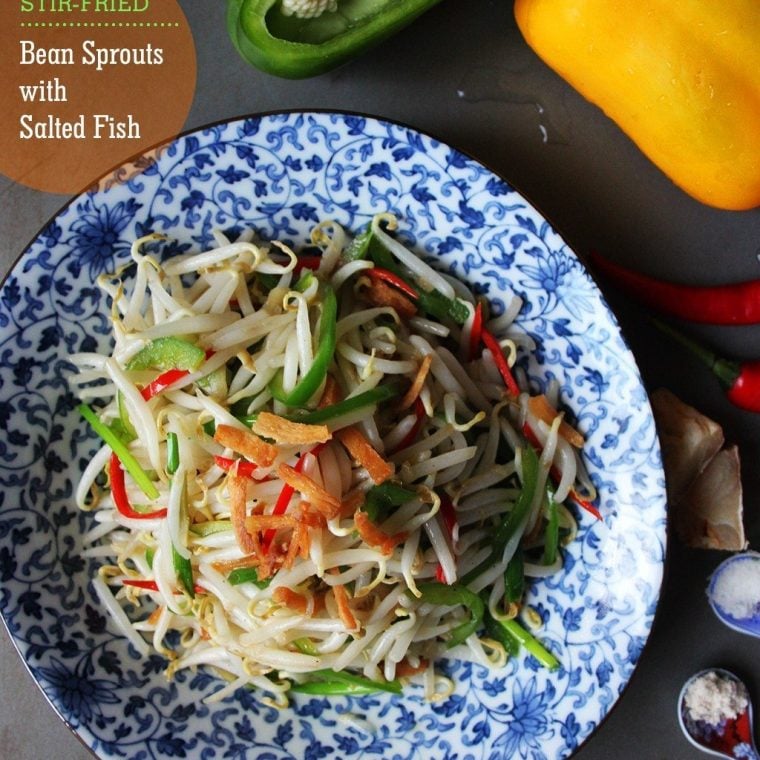
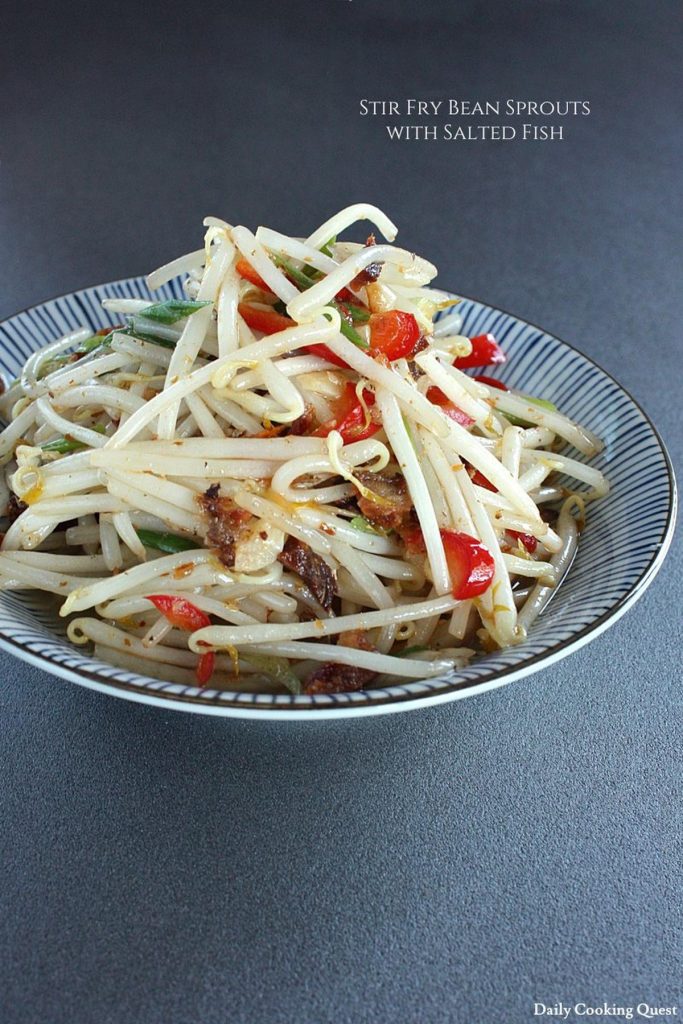

At its heart, Tumis Tauge Ikan Asin is a testament to the philosophy of maximizing flavor from humble components. Salted fish, a staple in many Asian households, provides an intense, salty, and deeply savory foundation that elevates the entire dish. Bean sprouts, with their refreshing crunch and subtle sweetness, offer a perfect counterpoint, preventing the dish from becoming too heavy or one-dimensional. The combination is a classic for a reason, delivering a delightful sensory experience with every bite.
Beyond the salted fish, fresh bean sprouts (tauge) are essential. Opt for plump, crisp sprouts with firm, unbroken stems. Overcooked bean sprouts lose their signature crunch, so timing is paramount in this stir-fry. The vibrant green of young bean sprouts adds a visual appeal that complements the savory tones of the fish.
Aromatic elements form the backbone of most stir-fries, and this dish is no exception. Garlic and shallots are typically minced or thinly sliced, providing a pungent and sweet base when sautéed. Chili peppers, whether fresh red chilies or dried ones, introduce a welcome heat that can be adjusted to your preference. Some recipes also incorporate ginger for an added layer of warmth and complexity.
The sauce, while often simple, is critical for binding the flavors together. A basic stir-fry sauce might include soy sauce (or a lighter version like kecap asin) for saltiness and umami, a touch of sugar to balance the salt and spice, and perhaps a splash of rice wine or water to create steam and help meld the ingredients. Some cooks also add oyster sauce for an extra layer of savory depth.
Preparation is key to a successful stir-fry, especially one cooked over high heat. Ensure all your ingredients are prepped and within easy reach before you begin. This includes rinsing and draining the bean sprouts, chopping the aromatics, and cutting the salted fish into bite-sized pieces. If your salted fish is particularly hard, you might need to rehydrate it slightly or fry it beforehand to soften it.
The cooking process itself is a rapid dance over high heat. A wok is the ideal vessel for stir-frying due to its sloped sides and ability to distribute heat evenly and intensely. However, a large, heavy-bottomed skillet can also be used effectively. The key is to achieve a high enough temperature to quickly cook the ingredients without making them soggy.
The first step in cooking is usually to render some of the fat from the salted fish. If the fish is very dry, you might lightly fry it in a little oil until it’s slightly golden and fragrant. This not only softens the fish but also releases its flavorful oils into the pan, which will then be used to cook the aromatics.
Once the salted fish has been lightly fried or if it’s already softened, it’s typically removed from the wok temporarily. This prevents it from overcooking while the other ingredients are added. The aromatics – garlic, shallots, and chilies – are then introduced to the hot oil, usually with a little more oil if needed. They are stir-fried quickly until fragrant, taking care not to burn the garlic.
Following the aromatics, the bean sprouts are added to the wok. This is where the speed comes in. The bean sprouts should be tossed vigorously with the fragrant oil and aromatics for just a minute or two. The goal is to heat them through and coat them with flavor while retaining their crisp texture.
The salted fish is then returned to the wok, along with any sauce ingredients. Everything is tossed together rapidly, ensuring the bean sprouts are evenly coated and the salted fish is well distributed. The sauce should thicken slightly and coat the ingredients, creating a glossy finish. This entire process, from adding the bean sprouts to finishing the sauce, should take no more than a few minutes.
Serving this dish promptly is crucial to enjoy the textures at their best. Tumis Tauge Ikan Asin is typically served hot, often as a side dish accompanying rice. The contrast between the fluffy rice and the vibrant, flavorful stir-fry is immensely satisfying.
Let’s delve deeper into the nuances of selecting and preparing the salted fish. Different regions and cultures have their preferred types of salted fish. In Southeast Asia, for instance, salted mackerel, salted croaker, and salted threadfin are popular choices. The salt content can range from moderate to intensely salty. If you are using a very salty variety, you might consider rinsing it under running water for a minute or two, or even soaking it briefly in fresh water to reduce the saltiness. However, be mindful not to over-soak, as this can diminish its characteristic flavor.
For those new to using salted fish, starting with a less intensely salty variety is advisable. You can always add more salt to the dish later if needed, but it’s impossible to remove excess salt. Frying the salted fish pieces until they are lightly golden and slightly crisp can also enhance their flavor and texture, making them more palatable and easier to integrate into the stir-fry.
The bean sprouts themselves require minimal preparation. A quick rinse under cold water to remove any dirt or debris is usually sufficient. Ensure they are well-drained before adding them to the hot wok. Excess water can steam the sprouts rather than stir-fry them, leading to a less desirable texture. Some people prefer to remove the root ends of the bean sprouts, but this is an optional step and often skipped for convenience.
When it comes to the aromatics, the finer you mince the garlic and shallots, the more their flavor will be released into the oil. For the chilies, you can deseed them if you prefer less heat, or leave the seeds in for a spicier kick. Experimenting with different types of chilies, such as bird’s eye chilies for intense heat or milder red chilies for color and flavor, can add further dimensions to the dish.
The sauce can be customized to suit individual palates. A common base is a mixture of soy sauce and a little sugar. For a richer flavor, a tablespoon of oyster sauce can be added. A teaspoon of sesame oil drizzled in at the very end, just before serving, imparts a wonderful nutty aroma. Some versions also call for a pinch of white pepper.
A variation that adds another layer of complexity is the inclusion of other seafood. While the core of the dish is salted fish and bean sprouts, you could incorporate quick-cooking seafood like shrimp, squid rings, or even small pieces of fish fillet. If adding other seafood, ensure they are added towards the end of the cooking process to prevent them from becoming rubbery.
Another popular addition is fermented black beans (douchi). These tiny, salty, and intensely flavorful beans, when lightly mashed and stir-fried with the aromatics, impart a unique depth of umami that is highly prized in Chinese cuisine. A small amount goes a long way.
For those seeking a vegetarian or vegan adaptation, the salted fish can be omitted. In its place, you could use firm tofu, pan-fried until golden, or even shiitake mushrooms, which offer a substantial umami flavor. The rest of the stir-fry process would remain similar, focusing on the crisp bean sprouts and aromatic seasonings.
The cooking technique is paramount. High heat is non-negotiable for a good stir-fry. Ensure your wok or skillet is smoking hot before adding any ingredients. This rapid cooking sears the ingredients quickly, locking in moisture and flavor while creating that characteristic ‘wok hei’ or breath of the wok – a slightly smoky, caramelized flavor.
Stir-frying is about constant motion. Keep the ingredients moving in the wok, tossing and stirring them to ensure even cooking and prevent burning. This energetic movement also helps to distribute the flavors evenly throughout the dish.
The order of adding ingredients is also critical. Typically, ingredients are added in order of their cooking time. Harder ingredients go in first, followed by faster-cooking ones. In this case, the salted fish is often cooked first, followed by aromatics, and then the delicate bean sprouts which require the least amount of cooking time.
Consider the moisture content of your ingredients. If your bean sprouts are very watery, they might release too much liquid, hindering the stir-frying process. Patting them dry after rinsing can be beneficial. Similarly, ensure your salted fish is not excessively wet before frying.
The visual appeal of this dish is also important. The vibrant white of the bean sprouts, the golden hues of the fried salted fish, and the pops of red from the chili peppers create an attractive plate. Garnishing with fresh chopped scallions or cilantro just before serving adds a final touch of color and freshness.
Tumis Tauge Ikan Asin is more than just a recipe; it’s a culinary experience that embodies the essence of resourceful and flavorful cooking. It’s a dish that can be prepared quickly on a weeknight yet is sophisticated enough to impress guests. The balance of salty, savory, crisp, and aromatic elements makes it a truly memorable and satisfying meal.
The beauty of this dish lies in its adaptability. Don’t be afraid to experiment with the spice levels, the types of salted fish, or even the addition of other vegetables like sliced carrots or bell peppers for added color and nutrients. Each variation will offer a unique twist on this classic.
Ultimately, mastering Tumis Tauge Ikan Asin is about understanding the interplay of heat, timing, and key ingredients. With a little practice, you’ll be able to recreate this delightful dish in your own kitchen, bringing a taste of authentic Asian home cooking to your table.