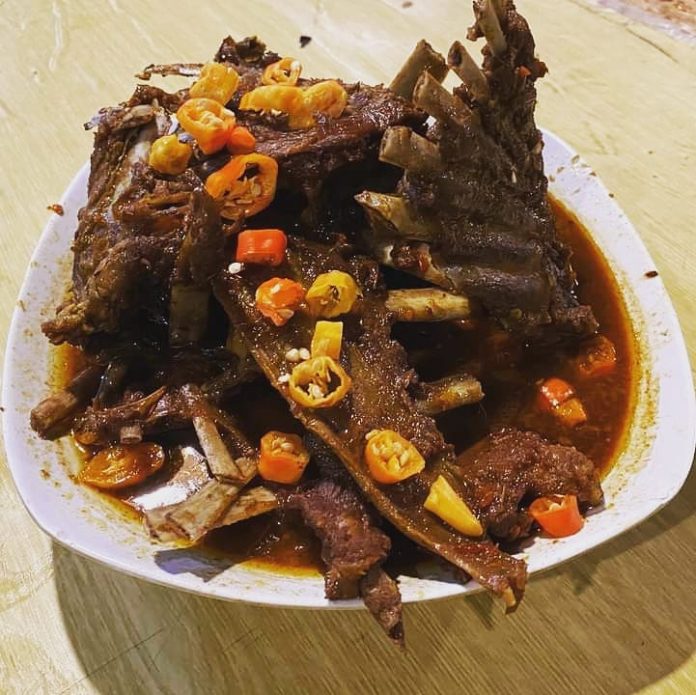
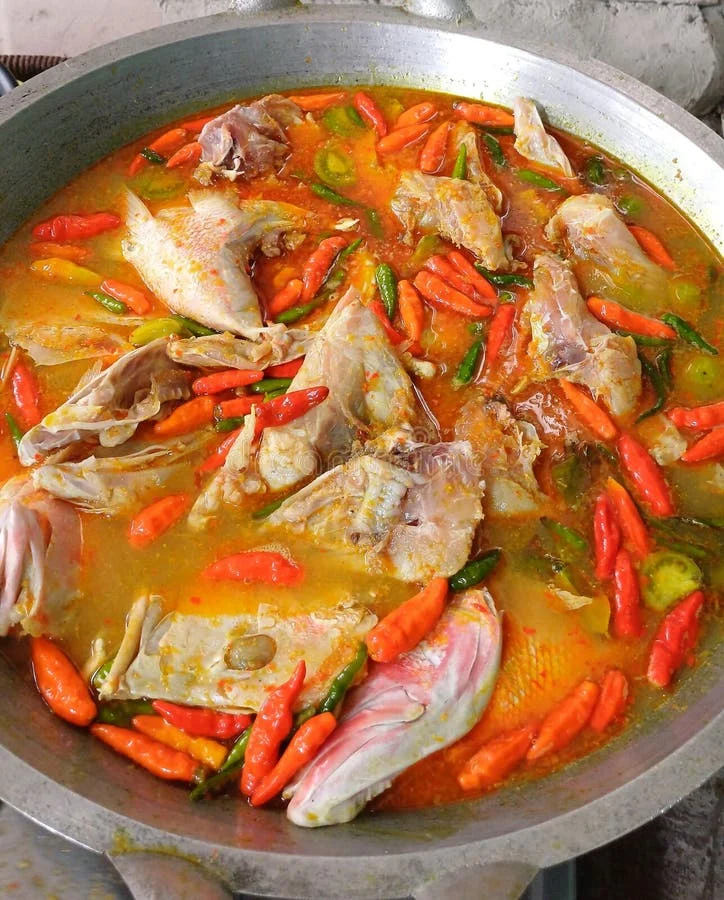

This unique adaptation elevates the humble fish head into a culinary masterpiece, transforming what might otherwise be discarded into a dish of profound depth and exquisite taste. It’s a testament to Indonesian ingenuity in maximizing ingredients and creating extraordinary flavors from simple components. The red snapper head, with its succulent flesh and rich collagen, provides a perfect canvas for the complex spice profile characteristic of Tengkleng.
The allure of this dish lies in its harmonious blend of ‘pedas’ (spicy) and ‘gurih’ (savory). It’s not just about heat; it’s about a nuanced spiciness that awakens the palate, complemented by a deep, umami-rich savory base derived from a medley of indigenous spices and the natural richness of the fish head itself. This combination creates an addictive flavor profile that keeps you coming back for more.
Why red snapper head, specifically? Red snapper (Ikan Kakap Merah) is prized in Indonesian cuisine for its firm, flaky, and sweet-tasting flesh. Its head, often overlooked, contains a surprising amount of meat, gelatinous textures, and rich marrow, which release incredible flavor when slow-cooked. The bones and cartilage contribute significantly to the broth’s body and depth, creating a luxurious mouthfeel that is distinct from regular fish curries.
To achieve the best Tengkleng Kepala Ikan Kakap, the journey begins with selecting the freshest possible red snapper head. Look for heads that are bright red, with clear, bulging eyes and firm, intact flesh. Avoid any signs of discoloration, dullness, or a strong, unpleasant fishy odor. A fresh fish head is paramount to the dish’s overall quality and flavor, ensuring a clean, sweet base for the spices.
Proper preparation of the fish head is crucial. Begin by thoroughly cleaning it under running water, removing any scales, gills, or blood clots. Some chefs prefer to blanch the fish head briefly in boiling water with a dash of vinegar or lime juice to further cleanse it and reduce any residual fishiness. Pat it dry completely before proceeding, as this helps the spices adhere better and prevents the dish from becoming watery.
The core of any Tengkleng, whether traditional or fish-based, lies in its intricate spice paste, known as ‘bumbu halus’. This paste is a symphony of fresh aromatics and dried spices, ground together to release their full potential. The interplay of these ingredients is what gives the dish its characteristic ‘pedas’ and ‘gurih’ notes, building layers of flavor that are both bold and comforting.
Key ingredients for this magnificent dish typically include:
- Main: 1 large red snapper head (about 800g-1kg), cleaned and halved or quartered.
- Liquid: 500ml thin coconut milk, 250ml thick coconut milk, 500ml water or fish broth.
- Aromatics: 2-3 stalks lemongrass (bruised), 4-5 kaffir lime leaves (torn), 2-3 bay leaves.
- Seasoning: Tamarind paste (1 tbsp dissolved in water), salt, sugar, a pinch of mushroom or chicken powder (optional).
These components, when combined, create a rich and balanced base for the snapper head.
The ‘bumbu halus’ or spice paste requires careful selection and preparation. You will need:
- 10-15 bird’s eye chilies (or to taste for desired heat)
- 5-7 large red chilies (for color and mild heat)
- 10-12 shallots
- 5-7 cloves garlic
- 2-inch piece fresh ginger
- 2-inch piece fresh turmeric (or 1 tsp turmeric powder)
- 2-inch piece galangal
- 3-4 candlenuts (roasted)
- 1 tsp coriander seeds (roasted)
- ½ tsp cumin seeds (roasted)
- Black pepper to taste
Grinding these fresh ensures maximum flavor and aroma.
Each spice plays a vital role in the orchestra of flavors. Galangal provides a unique citrusy, woody aroma, distinct from ginger. Turmeric not only lends its characteristic golden hue but also a subtle earthy bitterness. Ginger adds warmth and a pungent kick, while candlenuts contribute to the paste’s creaminess and act as a thickener. Roasting the candlenuts, coriander, and cumin seeds beforehand intensifies their nutty and earthy notes, making them more aromatic.
Beyond the ground paste, fresh aromatics are essential. Lemongrass, with its bright, citrusy perfume, is bruised to release its oils, infusing the broth with a refreshing note. Kaffir lime leaves contribute a distinctive floral and tangy aroma, while bay leaves add a subtle, herbaceous depth. These aromatics are typically added whole during the cooking process, allowing their essences to slowly meld with the other ingredients.
Coconut milk is the soul of many Indonesian curries, and Tengkleng Kepala Ikan Kakap is no exception. Using both thin and thick coconut milk allows for a layered richness. The thin coconut milk is added earlier to provide a liquid base for simmering the fish and spices, while the thick coconut milk is incorporated towards the end to create a creamy, velvety texture and a richer flavor, without overcooking its delicate fats.
Preparing the spice paste is an art form. Traditionally, this is done using a mortar and pestle (cobek ulekan), which slowly crushes and grinds the ingredients, releasing their essential oils and creating a paste with a coarser, more rustic texture. For convenience, a food processor or blender can be used, but ensure you add a little oil or water to aid in grinding to a smooth consistency. The goal is a fine, aromatic paste.
Step 1: Sautéing the Bumbu Halus. Heat a generous amount of cooking oil in a large pot or wok over medium heat. Once hot, add the finely ground spice paste. This is a critical step; the paste must be sautéed slowly and patiently until fragrant and the oil separates from the paste. This process, known as ‘menumis’, deepens the flavors, cooks off any raw taste from the spices, and develops a beautiful aroma that is the hallmark of a good Indonesian curry.
Step 2: Infusing Aromatics. Once the spice paste is perfectly fragrant, add the bruised lemongrass, torn kaffir lime leaves, and bay leaves to the pot. Stir them into the sautéed paste, allowing their potent aromas to meld and infuse the base flavor. Continue to stir for another minute or two, ensuring they release their essential oils into the rich spice mixture.
Step 4: The Liquid Base and Initial Simmer. Pour in the thin coconut milk and water (or fish broth). Bring the mixture to a gentle simmer, stirring occasionally to prevent the coconut milk from curdling. Ensure the fish head is mostly submerged. Cover the pot and allow it to simmer for about 15-20 minutes, or until the fish is partially cooked and the flavors have started to meld. This slow cooking allows the fish to absorb the complex spice profile.
Step 5: Adding Coconut Milk and Seasoning. Once the fish is partially cooked, add the thick coconut milk. Stir gently but continuously to ensure the thick coconut milk integrates smoothly without curdling. At this stage, add the dissolved tamarind paste, salt, and sugar to taste. The tamarind provides a subtle tang that beautifully balances the richness of the coconut milk and the heat of the chilies.
Step 6: Simmering to Perfection. Reduce the heat to low and continue to simmer, uncovered, for another 20-30 minutes, or until the sauce has thickened to your desired consistency and the fish is fork-tender. During this stage, the flavors will deepen, and the sauce will become incredibly rich and aromatic. Stir occasionally and gently to prevent the bottom from scorching and to ensure even cooking.
Step 7: Final Touches. Before serving, perform a final taste test. Adjust seasoning if necessary – perhaps a little more salt, sugar, or a touch more tamarind for balance. Garnish with fresh chopped chilies, fried shallots (bawang goreng), or fresh coriander leaves for an appealing presentation and an extra burst of freshness. The dish is now ready to be savored.
Expert Tip 1: Freshness is Key. As emphasized earlier, the quality of your red snapper head dictates the ultimate success of this dish. A fresh, firm fish head will yield sweet, tender flesh and a clean-tasting broth, elevating the entire culinary experience. Do not compromise on this essential ingredient.
Expert Tip 2: Balancing the Heat. The ‘pedas’ level is entirely customizable. For a milder version, reduce the number of bird’s eye chilies or remove their seeds. For those who crave intense heat, feel free to increase the chili count. Remember, the goal is a pleasant warmth that enhances the flavors, not overwhelms them.
Expert Tip 3: The Art of Slow Simmering. Patience is a virtue when cooking Tengkleng. Slow simmering allows the tough collagen in the fish head to break down, releasing its gelatinous goodness into the sauce, and enables the spices to fully infuse the fish and the broth, creating a profound depth of flavor that cannot be rushed.
Expert Tip 4: Preventing Coconut Milk Curdling. When adding coconut milk, especially the thick variety, ensure it’s at room temperature if possible. Stir continuously and gently as it heats up, and avoid bringing the mixture to a rolling boil after adding the thick coconut milk. This helps maintain its creamy texture and prevents it from separating.
Expert Tip 5: Tamarind Paste for Tang. The tamarind paste is not just for sourness; it’s a crucial element that brightens the dish, cutting through the richness of the coconut milk and the intensity of the spices. It adds a subtle, fruity tang that balances the ‘gurih’ and ‘pedas’ profiles, making the dish more complex and enjoyable.
Serving Tengkleng Kepala Ikan Kakap is an experience in itself. It is traditionally enjoyed with a generous portion of warm, fluffy steamed white rice, which acts as a perfect counterpoint to the rich, spicy sauce. The rice absorbs the flavorful broth, making every spoonful a delight.
To enhance the meal, consider pairing it with traditional Indonesian accompaniments. A side of fresh raw vegetables (lalapan) like cucumber slices, fresh basil, or cabbage provides a refreshing crunch. A dollop of extra sambal (chili paste) for those who desire more heat, and crispy fried shallots (bawang goreng) for added texture and aroma, will complete the authentic dining experience.
While red snapper is highly recommended, this recipe can be adapted. Other firm white fish heads, such as grouper (ikan kerapu) or barramundi (ikan kakap putih), can also be used. For an extra layer of texture and flavor, you might consider adding vegetables like sliced tomatoes, eggplant, or long beans during the last 15 minutes of simmering.
Customizing the spice level is straightforward. For a milder version, you can reduce the number of bird’s eye chilies and increase the larger red chilies, which offer more color than heat. For a fiery kick, incorporate more bird’s eye chilies or even a few habanero peppers if you dare. Always taste and adjust as you go, ensuring it suits your personal preference.
Beyond its exquisite taste, Tengkleng Kepala Ikan Kakap offers several health benefits. Fish, especially red snapper, is an excellent source of lean protein and omega-3 fatty acids, known for their heart-healthy properties. The array of fresh spices used provides antioxidants and anti-inflammatory compounds, contributing to overall well-being. It’s a dish that nourishes both body and soul.
In Indonesian culture, sharing food is a cornerstone of hospitality and community. Dishes like Tengkleng Kepala Ikan Kakap are often prepared for family gatherings, celebrations, or simply to share a comforting meal with loved ones. It embodies the spirit of togetherness and the joy of breaking bread (or rather, rice) with others.
Leftovers of Tengkleng Kepala Ikan Kakap can be stored in an airtight container in the refrigerator for up to 2-3 days. The flavors often deepen overnight, making it even more delicious the next day. To reheat, gently warm it on the stovetop over low heat, adding a splash of water or thin coconut milk if the sauce has become too thick. Avoid vigorous boiling to maintain the fish’s integrity.
Occasionally, home cooks might encounter challenges. If the sauce is too watery, simmer it uncovered for a bit longer to reduce. If it’s not spicy enough, a fresh sprinkle of chopped chilies or a dash of chili powder can rectify it. If the fish tastes bland, a little more salt and a longer, gentle simmer will help it absorb the flavors more thoroughly.
The sensory experience of this dish is truly remarkable. The moment the aroma of the simmering spices fills your kitchen, you know you’re in for a treat. The vibrant colors, the rich texture of the sauce, and the tender, flavorful fish all combine to create a dish that is not just food, but a journey for the senses. Each spoonful is a discovery of sweet, savory, spicy, and tangy notes.
Understanding Indonesian food philosophy often reveals a deep respect for ingredients and a masterful ability to balance contrasting flavors. This Tengkleng variant is a perfect example, showcasing how humble parts of an ingredient can be transformed into something extraordinary through careful preparation and a profound understanding of spices.
Embarking on the creation of Tengkleng Kepala Ikan Kakap Yang Pedas Gurih is more than just following a recipe; it’s an exploration of Indonesian culinary heritage. It invites home cooks to experiment with flavors, understand the nuances of spice, and ultimately, to create a dish that brings warmth and satisfaction to the table.
In conclusion, Tengkleng Kepala Ikan Kakap Yang Pedas Gurih is a magnificent dish that deserves a place in every adventurous cook’s repertoire. Its bold flavors, rich textures, and aromatic complexity offer a truly authentic taste of Indonesia. By following this comprehensive guide, you are now equipped to master this delightful recipe and bring a piece of Indonesian culinary magic into your home. Selamat makan!