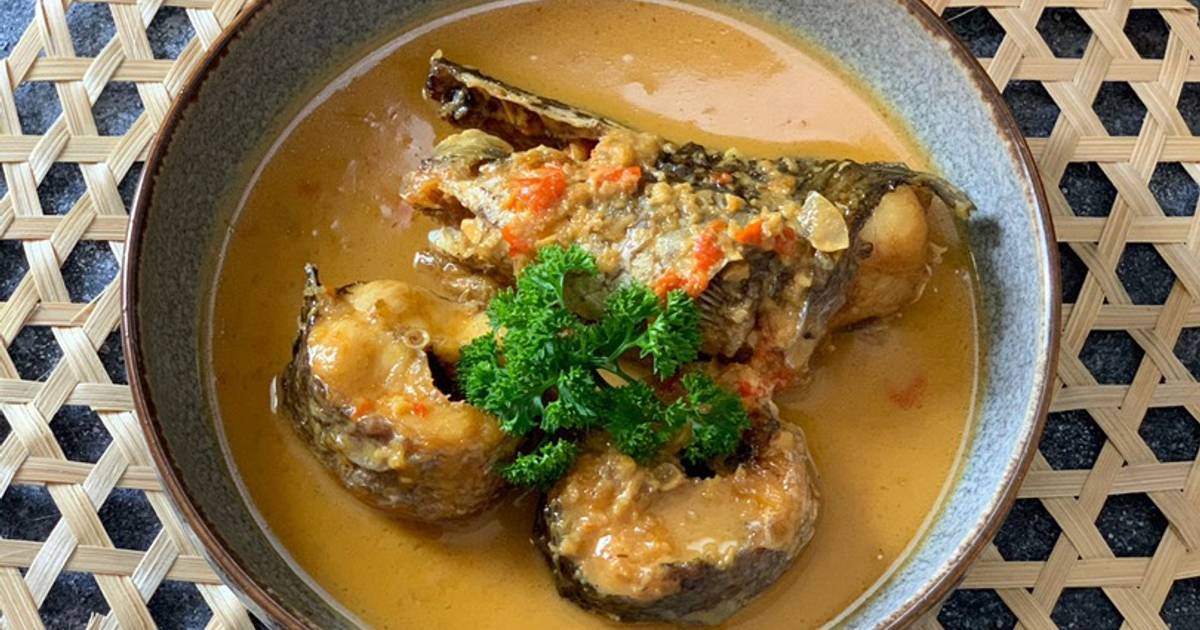
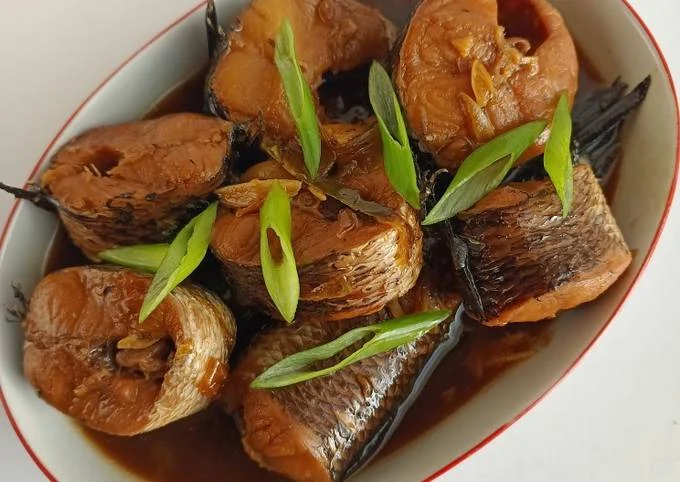

Semur, a quintessential Indonesian stew, is celebrated for its deep brown color, resulting from the generous use of kecap manis (sweet soy sauce), and its complex flavor profile that balances sweetness with savory notes, often complemented by a subtle hint of spice. While semur can be made with various proteins and vegetables, the combination of jengkol (dogfruit) and ikan gabus (snakehead fish) elevates it to an iconic status, particularly in certain regions of Indonesia.
This article will guide you through the intricate process of creating a truly delicious Semur Jengkol Ikan Gabus, demystifying its unique ingredients and providing step-by-step instructions to ensure your culinary success. Prepare to embark on a journey that will not only tantalize your taste buds but also deepen your appreciation for Indonesian gastronomy.
First, let’s introduce our star ingredients. Jengkol, scientifically known as Archidendron pauciflorum, is a type of bean pod native to Southeast Asia. It possesses a distinctive, pungent aroma and a firm, slightly nutty texture when cooked. Despite its strong smell, jengkol is highly prized for its unique flavor, which some describe as a more intense version of chestnuts or broad beans. Its preparation is crucial to mitigating its odor and enhancing its palatability.
The allure of jengkol is undeniable for those who appreciate its unique qualities. It’s an acquired taste for some, but once savored, it often becomes a beloved ingredient. The challenge and reward of cooking with jengkol lie in transforming its raw, potent state into a tender, flavorful component that harmonizes beautifully within the semur.
Our second star is Ikan Gabus, or snakehead fish (Channa striata). This freshwater fish is renowned for its firm, white flesh and relatively mild flavor, making it an excellent canvas for absorbing the rich spices of a semur. Beyond its culinary appeal, Ikan Gabus is highly valued in traditional medicine for its purported wound-healing properties, particularly due to its high albumin content, a protein essential for tissue repair.
The nutritional benefits of Ikan Gabus are significant. It is an excellent source of lean protein, omega-3 fatty acids, and various vitamins and minerals. Incorporating it into your diet, especially in a flavorful stew like semur, offers a delicious way to enjoy these health advantages. Its firm texture holds up well to simmering, ensuring it doesn’t disintegrate during the cooking process.
The synergy between jengkol and ikan gabus in a semur is what makes this dish truly special. The earthy, slightly pungent notes of the jengkol perfectly complement the mild, flaky texture of the fish, while the rich, sweet-savory semur sauce binds all the elements together into a cohesive and incredibly satisfying meal. It’s a dish that showcases the Indonesian genius for balancing strong flavors.
For many, this dish represents a culinary adventure, pushing boundaries beyond conventional ingredients. It’s a testament to the depth and breadth of Indonesian cooking, where every ingredient, no matter how unusual, finds its place in a symphony of flavors. Preparing it at home allows for a deeper connection to these traditions and the satisfaction of mastering a complex yet rewarding recipe.
Primary Ingredients:
- 500g jengkol (dogfruit), preferably mature ones
- 2 large ikan gabus (snakehead fish), about 500-700g each
- 2-3 tablespoons tamarind paste, mixed with 1/2 cup warm water (for fish marinade)
- Oil for frying and sautéing
Bumbu Halus (Fine Spice Paste):
- 10-12 shallots
- 5-7 cloves garlic
- 4-5 red chilies (adjust to your spice preference)
- 3-4 bird’s eye chilies (optional, for extra heat)
- 3 cm ginger
- 3 cm galangal
- 2 cm turmeric (fresh or 1 tsp ground turmeric)
- 1 teaspoon coriander seeds
- 1/2 teaspoon white pepper
- 4-5 candlenuts, roasted or soaked
Aromatics & Seasoning:
- 2 stalks lemongrass, bruised
- 3-4 kaffir lime leaves, torn
- 2 bay leaves
- 3-4 tablespoons kecap manis (sweet soy sauce)
- 1-2 tablespoons palm sugar (gula merah), grated
- Salt to taste
- Water or thin coconut milk (about 500-700ml)
- 1-2 tablespoons fried shallots for garnish (optional)
The preparation of jengkol is arguably the most crucial step in this recipe, as it directly impacts both its texture and aroma. Proper pre-treatment will ensure the jengkol is tender and its characteristic pungency is mellowed, making it more enjoyable.
Step 1: Preparing the Jengkol. Begin by soaking the jengkol. Place them in a large bowl and cover with plenty of water. Add a handful of coffee grounds or a few tea bags to the water, as this is a traditional method believed to help neutralize some of the strong odor. Let them soak for at least 24 hours, changing the water (and coffee/tea) every 8-12 hours. This step helps soften the jengkol and reduce its smell significantly.
Step 2: Boiling Jengkol for Tenderness. After soaking, drain the jengkol. Place them in a pot with fresh water, ensuring they are fully submerged. Add a pinch of salt and a few bay leaves to the water. Bring to a boil, then reduce heat and simmer for 1-2 hours, or until the jengkol are tender when pierced with a fork. You might need to change the water once or twice during boiling to further reduce the odor. Drain and rinse thoroughly.
Step 3: Pounding Jengkol. Once boiled and cooled slightly, gently pound each jengkol using a mortar and pestle or the back of a cleaver. Be careful not to mash them, just enough to flatten and slightly crack them. This step is essential as it allows the jengkol to better absorb the rich flavors of the semur sauce, making them incredibly delicious.
Step 4: Preparing the Ikan Gabus. Clean the snakehead fish thoroughly, removing scales, gills, and innards. Cut the fish into desired portions (usually 2-3 pieces per fish). Make a few shallow slashes on the thickest parts of the fish to help it cook evenly and absorb marinade. Marinate the fish with salt, pepper, and the dissolved tamarind paste for at least 15-20 minutes. The tamarind helps to tenderize the fish and subtly reduce any ‘fishy’ smell.
Step 5: Frying the Ikan Gabus. Heat a generous amount of oil in a large wok or frying pan over medium-high heat. Once hot, carefully fry the marinated fish pieces until golden brown and cooked through on both sides. This usually takes about 5-7 minutes per side, depending on thickness. Frying the fish before adding it to the semur adds a lovely texture and prevents it from breaking apart during simmering. Remove and set aside on a plate lined with paper towels to drain excess oil.
Step 6: Crafting the Bumbu Halus. While the fish is frying, prepare your spice paste. Peel and chop all ingredients for the bumbu halus. Grind them in a food processor or blender until a very fine paste is formed. If using a blender, add a little oil or water to help with the blending process. For the most authentic flavor, a traditional stone mortar and pestle (cobek ulekan) is recommended, as it releases the essential oils more effectively.
Step 7: Sautéing the Bumbu Halus. Heat 3-4 tablespoons of fresh oil in a clean wok or large pot over medium heat. Add the finely ground spice paste, bruised lemongrass, torn kaffir lime leaves, and bay leaves. Sauté the bumbu, stirring constantly, for about 8-10 minutes, or until it becomes very fragrant and the oil separates from the paste. This process, known as ‘menumis’, is crucial for developing the depth of flavor in the semur.
Step 8: Building the Semur Base. Once the bumbu is fragrant, add the pounded jengkol to the pot. Stir well to coat the jengkol with the spice paste. Pour in the water or thin coconut milk, followed by the kecap manis, grated palm sugar, and salt to taste. Stir everything together, ensuring the palm sugar dissolves completely. Bring the mixture to a gentle boil.
Step 9: Incorporating Jengkol into the Stew. Let the jengkol simmer in the sauce for about 15-20 minutes, allowing them to fully absorb the rich flavors of the semur. The sauce will thicken slightly and the jengkol will become even more tender and infused with the spices.
Step 10: Gently Adding the Fried Ikan Gabus. Carefully place the fried ikan gabus pieces into the simmering semur. Gently push them down into the sauce, making sure they are partially submerged. Avoid vigorous stirring at this stage to prevent the fish from flaking apart. The goal is to allow the fish to absorb the flavors without losing its structural integrity.
Step 11: Simmering to Perfection. Reduce the heat to low, cover the pot, and let the semur simmer for another 20-30 minutes. This slow simmering process is vital for the flavors to meld beautifully and for the sauce to thicken to the desired consistency. Periodically check and gently stir, ensuring nothing sticks to the bottom. The rich aroma filling your kitchen will be your reward.
Step 12: Adjusting Seasoning. Before serving, taste the semur and adjust the seasoning as needed. You might want to add a little more salt, kecap manis, or palm sugar to achieve your preferred balance of sweet, savory, and spicy. A truly delicious semur has a harmonious blend of all these elements, creating a complex and satisfying taste experience.
Tips for Selecting Ingredients: When choosing jengkol, look for those that are firm and free from blemishes. Younger jengkol tend to be less pungent and more tender. For ikan gabus, always opt for fresh fish with clear eyes, red gills, and firm flesh. If fresh isn’t available, frozen is an acceptable alternative, but ensure it’s properly thawed before use.
Advanced Tips for Minimizing Jengkol Odor: Beyond soaking and boiling, some cooks swear by boiling jengkol with a handful of pandan leaves or a few pieces of ginger, which also help to mask the strong aroma. Another method is to boil them in water mixed with a tablespoon of rice washing water (the cloudy water left after rinsing rice) for the first boil.
Enhancing the Umami: The judicious use of palm sugar (gula merah) and kecap manis is key to the semur’s signature flavor. Don’t be afraid to taste and adjust. The palm sugar provides a deeper, more caramel-like sweetness than white sugar, while kecap manis adds both sweetness and a rich, savory depth that is irreplaceable. A touch of tamarind in the sauce can also provide a subtle tanginess that brightens the overall flavor.
Serving Suggestions: Semur Jengkol Ikan Gabus is best served hot, alongside steamed white rice. The rich sauce is perfect for drizzling over the rice. For a complete Indonesian meal, you can pair it with fresh vegetables like sliced cucumbers or a simple stir-fried vegetable dish. A sprinkle of fried shallots (bawang goreng) just before serving adds an extra layer of aroma and crunch.
Variations and Regional Differences: While this recipe provides a classic approach, semur recipes can vary regionally. Some versions might incorporate coconut milk more prominently, leading to a creamier texture. Others might use more chilies for a spicier kick. Experiment with different ratios of spices to find your ideal balance. Some home cooks also like to add potatoes or hard-boiled eggs to their semur for extra substance.
The process of making Semur Jengkol Ikan Gabus is a labor of love, but the reward is a dish that is deeply satisfying and truly representative of Indonesia’s rich culinary heritage. It’s a meal that brings families together, sparking conversations and creating lasting memories through its unique and bold flavors.
In conclusion, mastering Semur Jengkol Ikan Gabus is more than just following a recipe; it’s an embrace of Indonesian culture, an understanding of unique ingredients, and a celebration of complex flavors. With patience and attention to detail, you can recreate this authentic and delicious dish in your own kitchen, bringing a taste of Indonesia to your table. Enjoy the journey and the delightful flavors it brings!