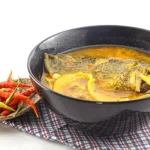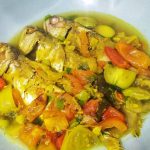
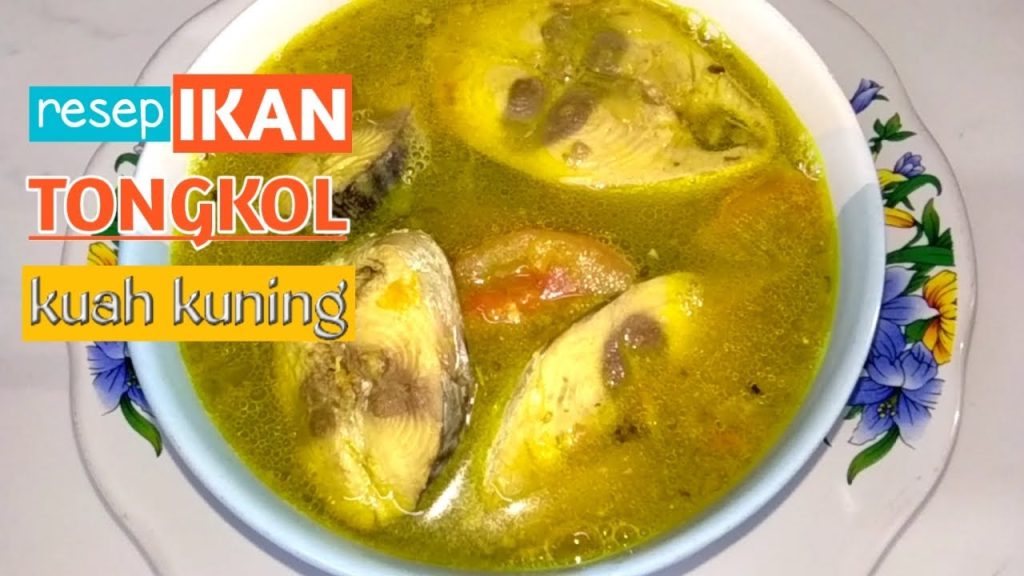

Seafood Tempoyak Ikan Tongkol Kuah Kuning is more than just a meal; it’s an experience. It represents a harmonious blend of textures and tastes – the firm, flaky fish, the unique umami of tempoyak, and the fragrant, spicy yellow gravy. This dish, often found in the heart of Malaysian kitchens, especially in states like Pahang and Terengganu, is a testament to the ingenuity of local cooks in transforming humble ingredients into culinary masterpieces.
At its core, the dish hinges on three key components: the seafood, the tempoyak, and the kuah kuning. Each plays a crucial role in building the complex flavor profile. Understanding these elements is the first step towards mastering this delightful preparation.
Let’s begin with the star of the show: Ikan Tongkol, or mackerel tuna. This fish is prized for its firm texture and rich, oily flesh, which holds up beautifully to the robust flavors of the tempoyak and spices. When cooked, it develops a delightful flakiness that absorbs the surrounding gravy, making every bite a burst of flavor. Choosing fresh Ikan Tongkol is paramount for the best results. Look for fish with clear, bright eyes, firm flesh, and a fresh, oceanic aroma.
The second essential element is Tempoyak. This fermented paste, made from ripe durian, is the soul of the dish. Its preparation involves fermenting durian pulp with salt for several days or even weeks, resulting in a unique flavor that is both sweet and savory, with a characteristic pungent aroma. The fermentation process breaks down the durian’s sugars, creating a complex umami profile that is unlike anything else. While the smell might be intense for the uninitiated, its taste in cooked dishes is surprisingly mellow and deeply satisfying.
Tempoyak can be purchased ready-made from local markets or specialty stores. When selecting tempoyak, look for a paste that has a consistent texture and a pleasant, fermented aroma. If you’re feeling adventurous, you can even make your own tempoyak at home, although this requires patience and a good supply of ripe durian.
The third pillar of this dish is the Kuah Kuning, or yellow gravy. This vibrant and aromatic sauce is the vehicle for all the flavors. Its characteristic yellow hue comes from turmeric, while other spices like ginger, galangal, lemongrass, chilies, and shallots provide its fragrant and complex base. The richness of the gravy is often enhanced with coconut milk, which adds a creamy texture and balances the heat of the chilies.
The interplay between these three elements is what makes Seafood Tempoyak Ikan Tongkol Kuah Kuning so captivating. The firm fish absorbs the spiced, creamy gravy, while the tempoyak adds a layer of fermented depth that cuts through the richness and elevates the overall taste. It’s a symphony of flavors that is both comforting and exciting.
Now, let’s delve into the process of preparing this iconic dish. While the ingredients might seem straightforward, the technique and balance of flavors are key to achieving an authentic and delicious result. We will break down the recipe into manageable steps, ensuring that even novice cooks can achieve success.
The first step in preparing the Kuah Kuning is to create a spice paste, often referred to as ‘rempah’. This paste is the flavor foundation of the gravy. The essential ingredients for the rempah typically include fresh turmeric, ginger, galangal, lemongrass, dried chilies (soaked and deseeded), shallots, and garlic. These ingredients are usually blended or pounded together until a smooth paste is formed.
The quality of your rempah will directly impact the final taste of the gravy. Using fresh, high-quality spices is crucial. For the turmeric, fresh turmeric root will provide a more vibrant color and a cleaner flavor than turmeric powder, though powder can be used in a pinch. Similarly, fresh ginger and galangal offer a more potent aroma and taste.
Dried chilies are often used for their heat and color. The level of spiciness can be adjusted by the number of chilies used and whether the seeds are removed. For a milder gravy, remove the seeds; for a spicier kick, leave some or all of them in. Soaking the dried chilies makes them easier to blend into a smooth paste.
Once the rempah is ready, it needs to be ‘pecah minyak’ – a crucial step where the spice paste is fried in oil until the oil separates from the paste. This process cooks the raw spices, removes any raw smell, and develops a deep, rich flavor. This should be done over medium-low heat, stirring constantly to prevent burning, until the paste darkens slightly and the oil starts to pool around it.
After the rempah has been properly fried, it’s time to introduce the liquid elements. Coconut milk is typically added to create the creamy gravy base. Full-fat coconut milk is recommended for a richer, more luxurious texture. Some recipes may also include a little water or tamarind juice to adjust the consistency and add a subtle tang.
The tempoyak is then added to the gravy. It’s important to stir it well, breaking up any clumps, to ensure it integrates seamlessly into the sauce. The tempoyak will lend its unique fermented flavor, which is a crucial characteristic of this dish. Be mindful of the saltiness of your tempoyak; you may need to adjust the seasoning accordingly.
Now, let’s prepare the Ikan Tongkol. The fish is usually cut into thick steaks or chunks. Some cooks prefer to lightly marinate the fish with a pinch of salt and perhaps a squeeze of lime juice, though this is optional. The key is to ensure the fish pieces are of a size that will cook through evenly in the gravy.
The fish is then added to the simmering Kuah Kuning. It’s important to let the fish cook gently in the gravy. Overcrowding the pot can lead to uneven cooking. The fish will release some of its natural juices, further enriching the sauce.
The cooking time for the fish will depend on the thickness of the pieces. It should be cooked until it is opaque and flakes easily when tested with a fork, but not so long that it breaks apart completely. The goal is for the fish to be tender and moist, having absorbed the flavors of the gravy.
Seasoning is a critical final step. Taste the gravy and adjust with salt, sugar, and perhaps a touch of MSG if desired, to balance the flavors. The sweetness of the coconut milk, the heat of the chilies, the tang of the tempoyak, and the savory notes of the fish all need to come together harmoniously.
Garnishes can elevate the presentation and add an extra layer of freshness. Sliced chilies, fresh herbs like Vietnamese mint (daun kesum), or kaffir lime leaves are often added towards the end of cooking or as a garnish. These additions provide a burst of aroma and a visual appeal.
Serving Seafood Tempoyak Ikan Tongkol Kuah Kuning is traditionally done hot, accompanied by steamed white rice. The fluffy rice is the perfect canvas to soak up the rich, flavorful gravy. The contrast in textures and temperatures makes for a truly satisfying meal.
Beyond the classic Ikan Tongkol, this flavorful gravy can also be adapted to other types of seafood. Prawns, squid, or even firm white fish can be used to create variations of this dish. The tempoyak and kuah kuning base remains the same, offering a versatile platform for culinary exploration.
The distinctive aroma of tempoyak is something that truly sets this dish apart. It’s a scent that is deeply ingrained in the culinary heritage of Malaysia, evoking memories of family gatherings and traditional meals. While some may find the initial smell challenging, the resulting flavor is incredibly rewarding.
For those new to tempoyak, it’s advisable to start with a smaller amount and gradually increase it to your preference. The intensity of flavor can vary between batches of tempoyak, so tasting and adjusting is always recommended.
The health benefits of fermented foods like tempoyak are also worth noting. Fermentation can enhance the digestibility of food and introduce beneficial probiotics. While it is a rich dish, it offers a unique nutritional profile.
The preparation of Seafood Tempoyak Ikan Tongkol Kuah Kuning is a culinary art that requires patience and attention to detail. Each step, from preparing the spice paste to frying it to perfection and simmering the fish, contributes to the final masterpiece.
The vibrant yellow color of the gravy, derived from fresh turmeric, is not only visually appealing but also signifies the use of a powerful and flavorful spice known for its anti-inflammatory properties.
Lemongrass adds a citrusy, fragrant note that complements the earthiness of the turmeric and galangal, while ginger provides a warming, zesty kick. The careful balance of these aromatics is what makes the Kuah Kuning so intoxicating.
The inclusion of coconut milk provides a creamy mouthfeel that coats the palate and softens the intensity of the spices and tempoyak, making the dish approachable and deeply satisfying.
When cooking, it’s important to maintain a gentle simmer for the gravy to allow the flavors to meld beautifully without becoming oily or separating. The ‘pecah minyak’ stage is crucial for this, ensuring the spices are fully cooked and integrated.
The texture of the Ikan Tongkol is key. It should be tender and flaky, absorbing the gravy without disintegrating. This often means adding the fish towards the end of the cooking process and ensuring it is not overcooked.
Ultimately, Seafood Tempoyak Ikan Tongkol Kuah Kuning is a dish that celebrates the rich flavors and culinary traditions of Malaysia. It is a dish that is best enjoyed with loved ones, shared over steaming bowls of rice, creating lasting memories and culinary appreciation.
Exploring the nuances of this dish offers a deeper understanding of Malaysian cuisine, where bold flavors and unique ingredients are celebrated. The combination of fermented durian, spicy gravy, and firm fish creates an unforgettable gastronomic experience.
Whether you are a seasoned cook or a culinary novice, this guide aims to demystify the process and empower you to recreate this beloved Malaysian classic in your own kitchen. Embrace the adventure, savor the aromas, and enjoy the exquisite taste of Seafood Tempoyak Ikan Tongkol Kuah Kuning.