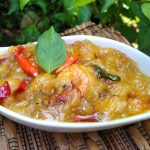
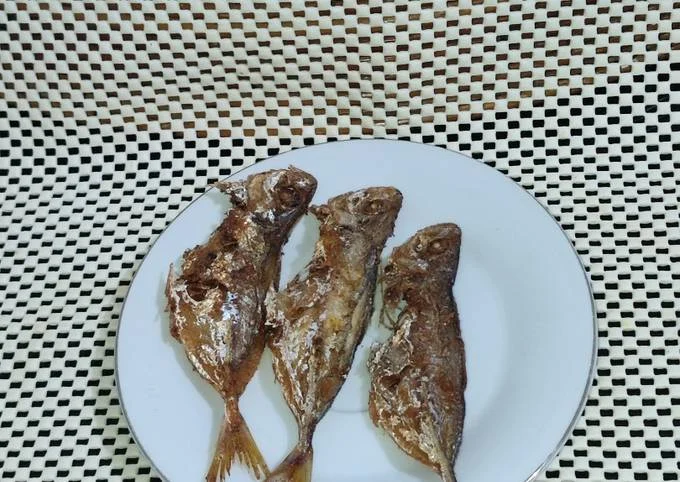

At its core, Seafood Tempoyak Ikan Selar Asap is more than just a meal; it’s an experience. The preparation itself is a labor of love, requiring patience and an understanding of the distinct ingredients involved. The star of the show, besides the tempoyak, is the ‘ikan selar asap’ – meticulously smoked mackerel that imparts a profound depth of flavor and a satisfyingly chewy texture.
The journey into this dish begins with understanding its primary components. Tempoyak, a fermented durian paste, is the soul of the dish. Made from ripe durian that has been left to ferment for several days, it develops a pungent aroma and a sour, slightly sweet taste. This fermentation process breaks down the durian’s sugars, creating a complex flavor profile that is essential for the dish’s character.
The second crucial element is the ‘ikan selar asap’. Traditionally, mackerel (ikan selar) is salted and then smoked over a fire, often using coconut husks or other aromatic woods. This smoking process not only preserves the fish but also infuses it with a smoky essence that is integral to the final taste. The quality of the ikan selar asap significantly impacts the overall dish.
Beyond these two pillars, a symphony of aromatics and spices elevates the dish. Shallots, garlic, chilies (both fresh and dried), and ginger form the foundational paste. These are typically pounded or blended into a fine consistency, releasing their pungent oils and creating a fragrant base for the cooking process.
Fresh turmeric is often included, lending its earthy notes and vibrant color. Lemongrass, bruised to release its citrusy aroma, adds a refreshing counterpoint to the richness of the tempoyak and the smokiness of the fish.
The cooking process itself is a careful dance of flavors. The spice paste is usually sautéed in oil until fragrant and the raw aroma dissipates. This step is crucial for developing the depth of flavor and ensuring a smooth texture in the final dish.
Once the paste is well-cooked, the tempoyak is introduced. It’s important to mix it thoroughly with the paste, allowing the sour notes of the tempoyak to meld with the savory spices. Some cooks prefer to lightly fry the tempoyak with the paste to mellow its pungency.
The ikan selar asap is then added. It might be added whole or cut into pieces, depending on preference and the size of the fish. The fish needs time to absorb the flavors of the tempoyak and spice paste, so a gentle simmer is usually employed.
Water or a light broth is often added to achieve the desired consistency. The dish is typically cooked until the fish is tender and the sauce has thickened slightly, coating the ingredients in a rich, flavorful gravy.
Seasoning is a delicate art. Salt is usually added sparingly, as the ikan selar asap is already salty. Sugar is used to balance the sourness of the tempoyak and the saltiness of the fish. Some might add a touch of fish sauce or soy sauce for an extra umami boost, though this is not always traditional.
The choice of chilies plays a significant role in the dish’s heat level. Bird’s eye chilies provide a sharp, intense heat, while larger chilies can offer a milder warmth and a fruitier note. The balance between heat and flavor is key.
The cooking vessel can also influence the outcome. A heavy-bottomed pot or wok ensures even heat distribution, preventing scorching and allowing the flavors to meld beautifully.
Serving Seafood Tempoyak Ikan Selar Asap is traditionally done with steamed white rice. The plainness of the rice acts as a perfect canvas, allowing the complex flavors of the dish to shine. The heat from the rice also helps to temper the intensity of the tempoyak.
Garnishes are often simple yet effective. Fresh herbs like cilantro or Vietnamese mint (daun kesum) can add a burst of freshness. Sliced chilies or fried shallots can provide textural contrast and an extra layer of flavor.
Some regional variations exist. In certain areas, other types of smoked fish might be used, or additional ingredients like petai (stink beans) could be incorporated, adding another layer of unique flavor and aroma.
The aroma of the dish as it cooks is truly intoxicating. The pungent tang of tempoyak, the smoky perfume of the fish, and the fragrant spices create a sensory experience that is quintessentially Malaysian.
For those new to tempoyak, the initial encounter with its strong aroma can be daunting. However, persistence is often rewarded with a deep appreciation for its unique culinary contribution. The fermentation process creates probiotics, adding a potential health benefit to the dish.
The sourcing of quality ingredients is paramount. Fresh, well-smoked ikan selar asap can be found in local markets, often prepared by skilled artisans. Similarly, ripe durians are essential for making good tempoyak at home.
Making tempoyak from scratch is a rewarding endeavor. It involves selecting ripe durians, removing the seeds, and allowing the flesh to ferment in a sealed container for 3 to 5 days, or longer, depending on the desired level of sourness.
The texture of the final dish is also important. It should be moist but not soupy, with the fish flakes tender and the sauce clinging to the ingredients. The spice paste should be well-integrated, providing a smooth, cohesive texture.
Chefs often emphasize the importance of ‘wok hei’ – the breath of the wok – in stir-frying the spice paste. This imparts a subtle smoky flavor and a desirable texture to the base of the dish.
When preparing this dish, it’s advisable to have all ingredients prepped and ready before starting to cook. The cooking process can be relatively quick once the spice paste is made.
The visual appeal of Seafood Tempoyak Ikan Selar Asap is also noteworthy. The vibrant orange-red hue from the chilies and turmeric, contrasted with the darker tones of the fish and the creamy texture of the sauce, makes it an attractive dish.
Understanding the cultural significance of tempoyak adds another dimension to appreciating this dish. It is a staple in many Malay households, particularly in the east coast states of Malaysia, and is often associated with home-cooked meals and festive occasions.
For a truly authentic experience, consider pairing it with other traditional Malay side dishes. A simple cucumber salad or acar (pickled vegetables) can offer a refreshing contrast.
The versatility of tempoyak means it can be used in various dishes beyond this specific preparation. However, its combination with smoked fish, especially ikan selar asap, is a classic pairing that has stood the test of time.
The economic aspect of sourcing ingredients should also be considered. While premium ikan selar asap might command a higher price, its unique flavor is worth the investment for those seeking an authentic taste.
Experimentation is encouraged. While the core recipe remains consistent, slight adjustments to the spice blend, chili levels, or cooking time can be made to suit individual palates. The key is to maintain the balance of sour, salty, spicy, and smoky notes.
Ultimately, Seafood Tempoyak Ikan Selar Asap is a dish that celebrates the bold and distinctive flavors of Malaysian cuisine. It is a testament to the ingenuity of using fermented ingredients and preserving techniques to create something truly extraordinary.
This dish is not just about eating; it’s about savoring the layers of flavor, appreciating the craftsmanship involved in its preparation, and understanding the cultural context from which it emerged. It is a culinary adventure waiting to be embarked upon.