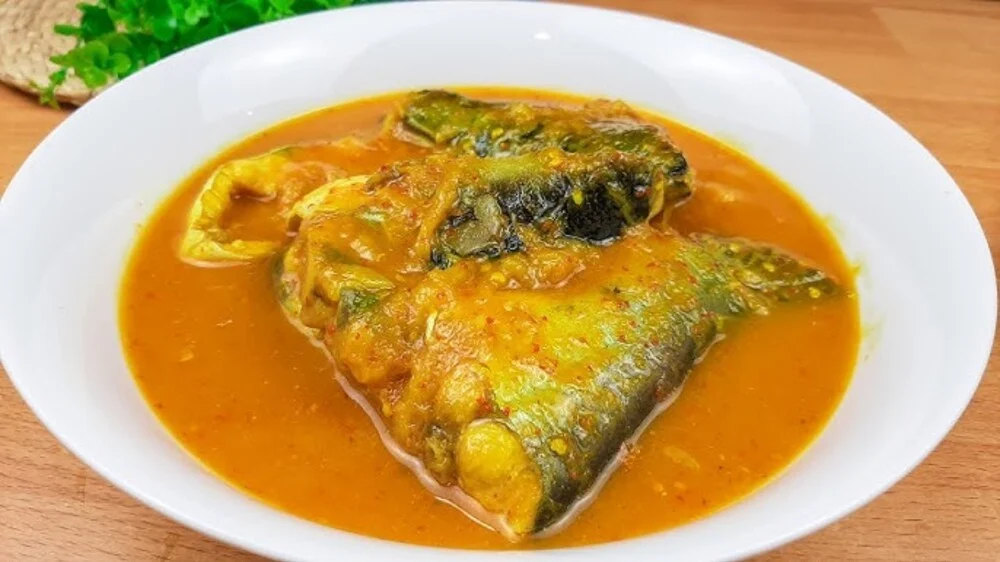

At its heart, this dish is defined by its primary ingredients. Tempoyak, the fermented durian paste, provides a pungent, tangy, and slightly sweet base that is both challenging and rewarding for the palate. Its unique fermentation process transforms the king of fruits into a condiment with an umami depth that complements rich, fatty fish like catfish. The catfish, with its tender, flaky flesh, absorbs the complex flavors of the gravy beautifully, making it the perfect canvas for the tempoyak and turmeric.
The ‘kuah kuning’ or yellow gravy is the soul of the dish, deriving its characteristic color and aroma from fresh turmeric. This aromatic spice is complemented by a medley of other essential aromatics, including shallots, garlic, ginger, and chilies, which are typically pounded or blended into a paste. This paste is then sautéed until fragrant, forming the flavor foundation upon which the entire dish is built. Lemongrass and kaffir lime leaves are often added to impart a citrusy freshness that cuts through the richness.
While ikan patin (catfish) is the traditional and most popular choice, variations exist. Some might opt for other freshwater fish with a similar texture and fat content, though the authentic flavor profile is best achieved with patin. The size and cut of the fish are also important considerations. Larger pieces are ideal for slow simmering, allowing them to absorb the flavors without breaking apart.
The preparation of tempoyak itself is a process that requires patience. Fresh durian flesh is packed into a clean jar or container and allowed to ferment for several days to weeks, depending on the desired intensity of flavor. The resulting paste has a distinctive smell that some find off-putting, but it is this very aroma that contributes to the dish’s signature taste. High-quality, well-fermented tempoyak is crucial for a successful dish.
Sourcing fresh ingredients is paramount. Opt for plump, fresh catfish, ideally from a reliable source. For the turmeric, fresh roots will yield a more vibrant color and robust flavor than powdered turmeric, though the latter can be used in a pinch. Shallots, garlic, ginger, and chilies should also be fresh for maximum aromatic impact. The quality of the coconut milk, if used, also plays a role in the richness and creaminess of the gravy.
The cooking process typically begins with preparing the spice paste. Shallots, garlic, ginger, turmeric, and chilies are usually pounded using a mortar and pestle for the best texture and flavor release. This traditional method is preferred over blending as it breaks down the fibers more effectively, releasing more oils and aromas. The consistency of the paste should be relatively fine.
Once the spice paste is ready, it’s sautéed in oil until it darkens slightly and releases its full fragrance. This step, known as ‘menumis,’ is critical for developing the depth of flavor. It’s important not to rush this process and to cook the paste over medium-low heat to prevent burning, which would impart a bitter taste.
After the spice paste is well sautéed, the tempoyak is added. This is where the dish takes on its unique character. The tempoyak is cooked with the spice paste for a few minutes, allowing its fermented flavor to meld with the aromatics. Some cooks prefer to lightly mash the tempoyak before adding it to ensure it distributes evenly throughout the gravy.
Next, the catfish pieces are introduced into the pot. They are gently placed into the simmering spice and tempoyak mixture. The fish is then cooked until it is almost done, allowing it to absorb the flavors of the gravy. Care must be taken during this stage to avoid over-stirring, which can cause the delicate fish to break apart.
The liquid base for the gravy is often water or, for a richer dish, a combination of water and coconut milk. Coconut milk adds a luxurious creaminess and a subtle sweetness that balances the tanginess of the tempoyak. The amount of liquid used will determine the thickness of the final gravy. Some prefer a thinner, soupier consistency, while others like it thicker and richer.
Seasoning is a delicate dance. Salt is added, but caution is advised as tempoyak itself can be quite salty. A touch of sugar might be added to balance the sourness and saltiness, enhancing the overall flavor profile. Some cooks also add a dash of fish sauce or belacan (shrimp paste) for an extra layer of umami, though this is optional and depends on personal preference.
The final cooking stage involves simmering the dish until the catfish is fully cooked and the gravy has thickened to the desired consistency. The aroma that fills the kitchen at this point is truly intoxicating – a complex blend of pungent tempoyak, earthy turmeric, fragrant spices, and the savory scent of fish.
Serving ‘Seafood Tempoyak Ikan Patin Kuah Kuning’ is typically done hot. It is traditionally accompanied by steamed white rice, which serves as the perfect neutral base to soak up the flavorful gravy. A side of fresh vegetables, such as cucumber slices or long beans, can provide a refreshing contrast.
Garnishes can elevate the presentation and flavor. Fresh cilantro, sliced chilies, or a sprinkle of fried shallots can add visual appeal and an extra burst of freshness or spice. Some also add sliced tomatoes towards the end of cooking for a slight tang and visual pop.
The balance of flavors in this dish is key. The goal is to achieve a complex interplay between the sourness and tang of the tempoyak, the earthiness of the turmeric, the pungency of the spices, the richness of the fish, and the creaminess of the gravy (if coconut milk is used). It’s a symphony of tastes that can be addictive.
For those new to tempoyak, it’s advisable to start with a smaller amount and gradually increase it to your preference. The intensity of fermented durian can be quite potent, and finding the right balance is often a matter of personal taste and experience.
When selecting catfish, look for firm flesh and a clean, fresh smell. Avoid fish that appear slimy or have a strong, unpleasant odor. The size of the fish is also a factor; larger catfish tend to have a richer flavor and more substantial texture.
The quality of the turmeric is also critical. Fresh turmeric root, when grated or pounded, imparts a brighter color and a more complex, less bitter flavor than turmeric powder. If using powder, ensure it is fresh and vibrant.
The spice paste can be prepared ahead of time. Pounding or blending a larger batch and storing it in the refrigerator can save time on cooking day. This can be a useful tip for busy cooks.
When sautéing the spice paste, ensure the oil is hot enough to cook the spices but not so hot that they burn. Stirring continuously will help to cook the paste evenly and release its full aromatic potential.
The addition of lemongrass and kaffir lime leaves during the sautéing process or when the liquid is added infuses the gravy with a wonderful citrusy aroma that complements the other strong flavors. Bruising the lemongrass stalk before adding it helps to release its essential oils.
If using coconut milk, add it towards the end of the cooking process to prevent it from curdling. Simmer gently until the gravy thickens slightly.
For a spicier version, increase the number of chilies in the spice paste or add bird’s eye chilies. The type of chilies used will affect the heat level and flavor profile.
Leftovers, if any, can be stored in an airtight container in the refrigerator for 2-3 days. The flavors often meld and deepen overnight, making it even more delicious the next day.
Reheating should be done gently, preferably on the stovetop, to avoid overcooking the fish. Add a splash of water or coconut milk if the gravy has become too thick.
Experimentation is encouraged. While the traditional recipe is excellent, don’t be afraid to adjust the spice levels, the amount of tempoyak, or the type of fish to suit your palate. This dish is a celebration of regional flavors, and personal touches are always welcome.
The cultural significance of this dish cannot be overstated. It represents a connection to heritage, a celebration of local produce, and a testament to the ingenuity of Southeast Asian cuisine in transforming humble ingredients into extraordinary meals.
In conclusion, ‘Seafood Tempoyak Ikan Patin Kuah Kuning’ is more than just a dish; it’s an experience. It’s an exploration of bold flavors, a journey into the heart of Southeast Asian culinary traditions, and a rewarding cooking endeavor for any adventurous foodie. Prepare to be captivated by its unique and unforgettable taste.
The aroma of the dish as it cooks is a sensory delight, a complex perfume that hints at the rich flavors to come. The pungent notes of fermented durian mingle with the earthy turmeric and the fragrant spices, creating an olfactory experience that is as intriguing as the taste itself.
For those who appreciate complex flavor profiles, this dish offers a delightful challenge. The initial encounter with tempoyak might be intense, but its unique tang and umami depth quickly become addictive, especially when balanced with the other elements of the dish.
The texture of the ikan patin is also a crucial component. Its naturally fatty flesh becomes incredibly tender and moist when cooked in the flavorful gravy, providing a luxurious mouthfeel that contrasts beautifully with the slightly firm texture of the spice paste.
When preparing the tempoyak, ensure it is well-fermented but not overly so, as extremely aged tempoyak can become excessively sour or bitter. A good tempoyak should have a balance of tanginess, a hint of sweetness, and that signature pungent aroma.
The choice of cooking vessel can also play a role. A heavy-bottomed pot or a clay pot is ideal for slow simmering, as it distributes heat evenly and helps to develop the flavors more deeply without scorching.
Consider serving this dish with a variety of accompaniments. Besides plain rice, some enjoy it with pulut (glutinous rice) or even toasted bread to soak up the delicious gravy. A simple salad of fresh greens or pickled vegetables can offer a refreshing counterpoint.
The art of cooking ‘Seafood Tempoyak Ikan Patin Kuah Kuning’ lies in mastering the balance of its distinct components. It’s a dish that rewards patience, quality ingredients, and a willingness to embrace bold, authentic flavors.