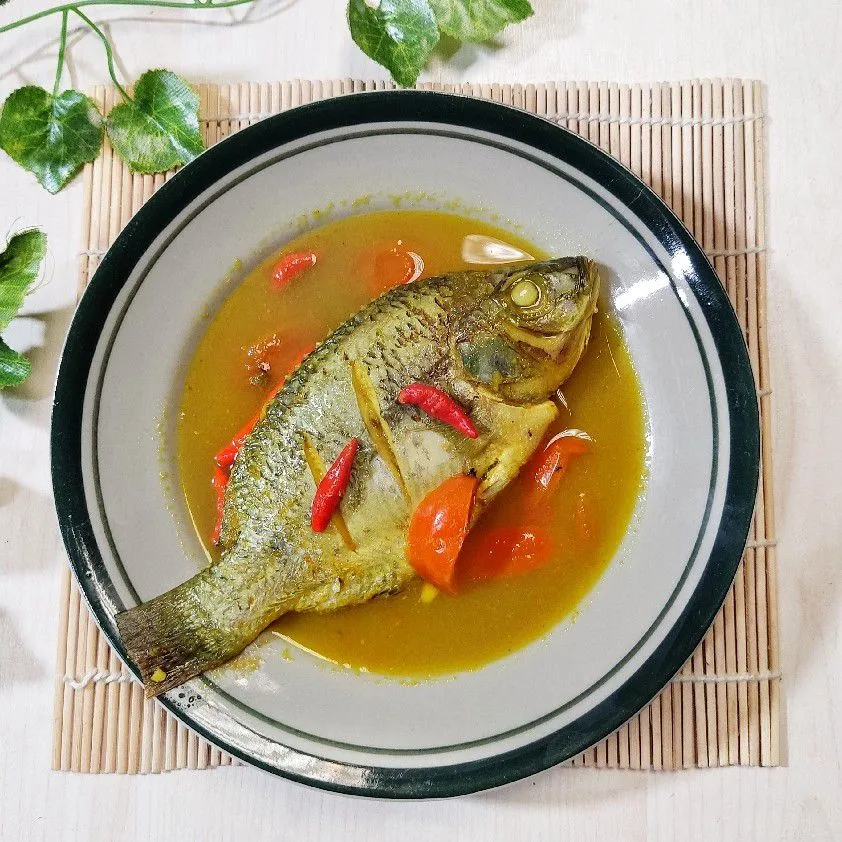
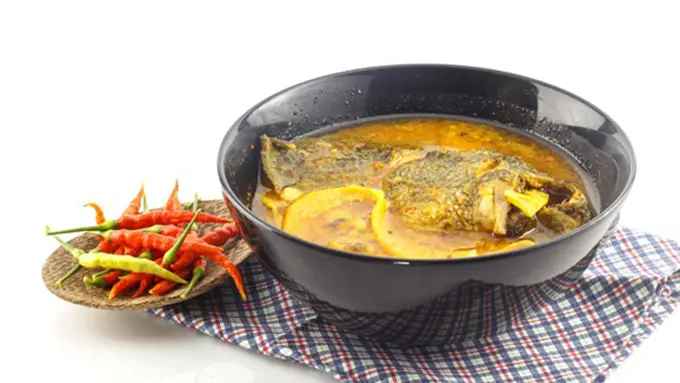

The star, or perhaps the most intriguing component, is tempoyak. This is essentially durian that has been allowed to ferment for several days, typically a week or more. The fermentation process transforms the sweet, creamy durian into a tangy, umami-rich paste. The aroma can be quite potent, a characteristic of durian, but it mellows considerably during cooking, leaving behind a complex flavor profile that is both sour and savory. Sourcing good quality tempoyak is crucial; it should have a pleasant fermented aroma, not an overly ammoniated smell, which can indicate spoilage.
The ‘Kuah Kuning’ or yellow curry sauce is what binds the flavors together. Its vibrant yellow hue comes from turmeric, a key spice in many Southeast Asian curries. The base typically involves a blend of aromatics such as shallots, garlic, ginger, and chilies, all pounded or blended into a paste. Lemongrass, galangal, and kaffir lime leaves are often added to provide layers of citrusy and fragrant notes.
Creating the spice paste (bumbu) is a fundamental step. Traditionally, this is done using a mortar and pestle, which yields a superior texture and flavor by bruising the spices. However, a food processor or blender can be used for convenience. The key is to achieve a smooth, finely ground paste that will infuse the sauce evenly.
The process of making Seafood Tempoyak Ikan Mujair Kuah Kuning begins with preparing the fish. It’s usually cleaned thoroughly and may be lightly seasoned with salt and perhaps a touch of turmeric powder for color and a subtle flavor enhancement. Some recipes also suggest marinating the fish briefly to allow the flavors to penetrate.
Next, the spice paste is sautéed in oil until fragrant and the raw aroma dissipates. This step is critical for developing the depth of flavor in the kuah kuning. Cooking the paste on medium-low heat allows the essential oils to release without burning.
Once the spice paste is well-cooked, the tempoyak is added. This is where the magic happens. The tempoyak is gently incorporated into the paste, allowing its unique fermented flavor to meld with the sautéed aromatics. Stirring continuously helps to break down the tempoyak slightly and integrate it seamlessly into the base.
The liquid component of the sauce is typically coconut milk. Full-fat coconut milk provides richness and a creamy texture, balancing the tanginess of the tempoyak and the heat from the chilies. Water or a lighter coconut milk can also be used to adjust the consistency.
As the sauce simmers, the Ikan Mujair is carefully added. The fish should be submerged in the liquid to ensure even cooking. It’s important not to overcrowd the pan, as this can lower the temperature and lead to uneven cooking. Cook the fish gently until it is just cooked through, flaky, and tender.
Seasoning is a delicate balance. Salt is essential, but sweetness and acidity also play a role. A touch of sugar, often palm sugar, can round out the flavors. Tamarind paste or a squeeze of lime juice can be added towards the end to provide a bright, acidic counterpoint that cuts through the richness of the coconut milk and tempoyak.
The choice of chilies can significantly impact the heat level. For a milder dish, use fewer chilies or remove the seeds. For a spicier kick, incorporate bird’s eye chilies or other hot varieties. The chilies can be added fresh, blended into the paste, or used as a garnish.
Beyond the core ingredients, various other seafood elements can be incorporated to elevate the dish. Prawns, squid, or mussels can be added alongside the Mujair, or even used as the primary seafood. These additions introduce different textures and flavors, making the dish even more complex and satisfying.
Garnishes play a vital role in both presentation and flavor. Fresh herbs like cilantro, mint, or Vietnamese mint (daun kesum) can add a burst of freshness. Sliced red chilies, fried shallots, or a sprinkle of toasted coconut flakes can provide textural contrast and visual appeal.
The cooking time for the fish is relatively short. Overcooking will result in dry, tough fish, diminishing the overall enjoyment of the dish. Monitor the fish closely and remove it from the heat as soon as it flakes easily with a fork.
When serving, it’s customary to ladle the rich, flavorful kuah kuning over the cooked Ikan Mujair. The dish is best enjoyed hot, typically served with steamed white rice. The rice acts as a perfect vehicle to soak up the delicious sauce.
The aroma of this dish is truly captivating. The initial pungency of the tempoyak transforms into a deep, savory fragrance, interwoven with the bright notes of lemongrass and kaffir lime leaves, the earthy warmth of turmeric, and the subtle sweetness of coconut milk.
For those new to tempoyak, it’s advisable to start with a smaller quantity. The fermented durian has a strong flavor profile that can be an acquired taste. Gradually increasing the amount as you become more accustomed to it will help you appreciate its unique contribution to the dish.
The consistency of the kuah kuning can be adjusted to personal preference. Some prefer a thicker, richer sauce, while others enjoy it slightly thinner. Adding more coconut milk or water can easily achieve the desired consistency.
The health benefits associated with the ingredients are also noteworthy. Turmeric is known for its anti-inflammatory properties, while ginger and garlic are packed with antioxidants. Coconut milk, in moderation, can provide healthy fats.
Storage of leftover Seafood Tempoyak Ikan Mujair Kuah Kuning requires care. Due to the fermented nature of tempoyak and the use of coconut milk, it’s best to refrigerate any leftovers promptly. Reheat gently on the stovetop, adding a splash of water or coconut milk if the sauce has thickened too much.
Variations of this dish exist across different regions. Some might add a touch of shrimp paste (belacan) for an extra layer of umami, while others might incorporate different types of fish or seafood.
The preparation of the spice paste can be done in advance, which speeds up the cooking process considerably. This makes it a great dish to prepare for gatherings or when you’re short on time.
The quality of the durian used to make the tempoyak will influence the final taste. Durians that are very sweet might result in a tempoyak that is less tangy, while those with a more bitter undertone can produce a sharper fermented flavor.
Experimentation is key to finding your perfect Seafood Tempoyak Ikan Mujair Kuah Kuning. Don’t be afraid to adjust the spice levels, the amount of tempoyak, or the sweetness and acidity to suit your palate.
The visual appeal of the dish is undeniable. The vibrant yellow sauce, the pristine white fish, and the colorful garnishes create a feast for the eyes, promising a delightful culinary experience.
The history of tempoyak dishes is deeply rooted in the culinary traditions of Borneo and Sumatra, where fermentation was a common method of food preservation. Its incorporation into curries signifies a masterful blend of preservation techniques and flavor enhancement.
When cooking the tempoyak with the spice paste, ensure it is well-cooked to mellow its strong aroma and develop its savory notes. This step is crucial for a balanced flavor profile.
The inclusion of seafood beyond just the fish adds a delightful variety in textures. The slight chewiness of squid, the firmness of prawns, or the tenderness of mussels complement the flaky fish beautifully.
Consider the type of oil used for sautéing the spice paste. Coconut oil or vegetable oil are common choices, each imparting a subtle characteristic to the base.
The role of lemongrass and galangal cannot be overstated. These aromatics provide a distinct citrusy and slightly peppery note that is characteristic of Southeast Asian cuisine and cuts through the richness of the dish.
Ultimately, Seafood Tempoyak Ikan Mujair Kuah Kuning is more than just a meal; it’s an experience. It’s a journey into the heart of authentic Southeast Asian flavors, a celebration of local ingredients, and a testament to culinary ingenuity. Enjoy the process of creating this unique and delicious dish!