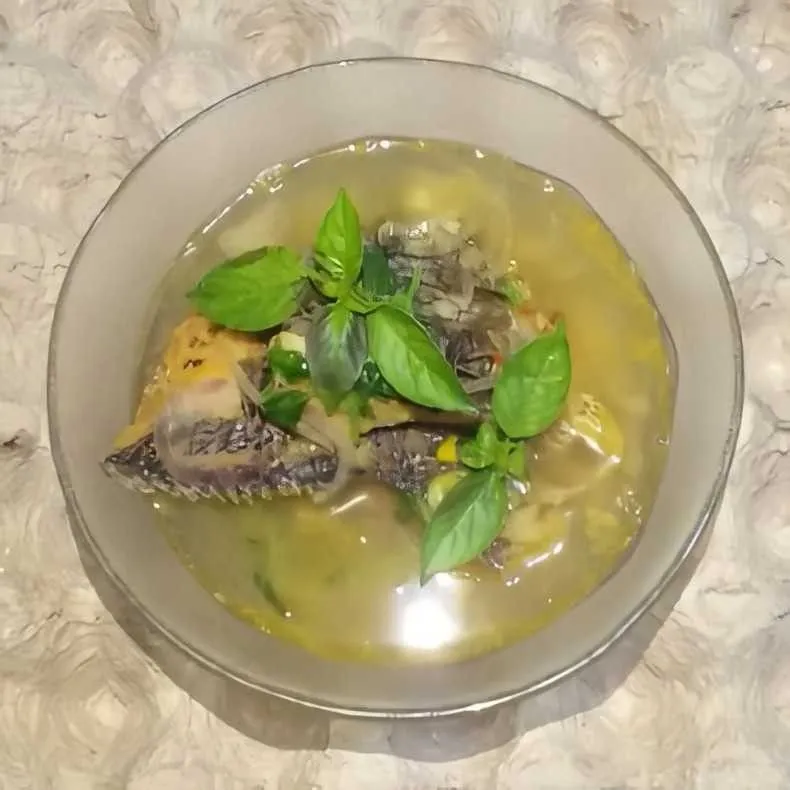
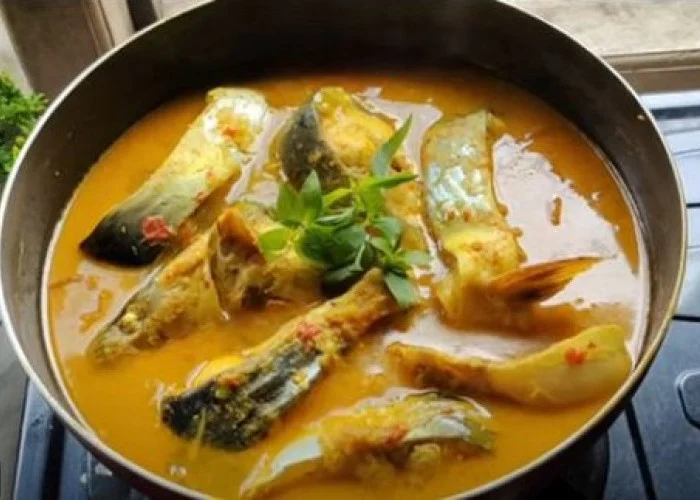

At its core, ‘Seafood Tempoyak Ikan Hiu Pindang’ is a fusion of several key components. ‘Seafood’ signifies the primary protein, which can vary but often includes fish. ‘Tempoyak’ is the star ingredient – a fermented durian paste, known for its pungent aroma and intensely savory-sweet flavor profile. ‘Ikan Hiu’ specifically refers to shark meat, a traditional protein in some coastal communities. ‘Pindang’ refers to a cooking method, often involving a broth or stew, and sometimes associated with a specific style of preparation that preserves the ingredients while infusing them with flavor.
Understanding each element is crucial to appreciating the dish. Tempoyak, derived from ripe durian that has been fermented for several days or weeks, is a polarizing ingredient. Its strong smell can be off-putting to the uninitiated, but for those who appreciate its unique taste, it provides an unparalleled umami depth and a slightly tangy counterpoint to other flavors. The fermentation process transforms the durian’s sweetness into a complex, savory paste that is a cornerstone of many traditional dishes in Sumatra and Borneo.
The inclusion of ‘Ikan Hiu’ (shark) adds another layer of intrigue. While not as commonly consumed as other fish in Western diets, shark meat has been a sustainable and accessible protein source in many parts of the world, including Southeast Asia, for centuries. It is known for its firm texture and mild flavor, which makes it a good candidate for absorbing the complex flavors of the tempoyak and the pindang broth.
The ‘Pindang’ method itself is versatile. It can refer to a type of sour and spicy fish soup or stew, often utilizing ingredients like tamarind, chilies, and turmeric. In the context of ‘Seafood Tempoyak Ikan Hiu Pindang’, it likely refers to a preparation where the seafood and tempoyak are simmered together in a flavorful broth, allowing the ingredients to meld and tenderize.
This dish is more than just a recipe; it’s a cultural artifact. It represents the ingenuity of coastal communities in utilizing local ingredients and preserving them through fermentation. It speaks to the adventurous spirit of palates that embrace strong, complex flavors and the tradition of sharing communal meals.
Preparing Seafood Tempoyak Ikan Hiu Pindang requires patience and an understanding of the ingredient’s nuances. The quality of the tempoyak is paramount. A good tempoyak should have a pleasant, fermented aroma without being overwhelmingly ammoniated. Its texture should be paste-like, and its flavor balanced between savory, sweet, and tangy.
When selecting shark meat, it’s important to choose cuts that are firm and fresh. Different types of shark can be used, but generally, the meat should be free of any strong ‘fishy’ odor. The preparation of the shark meat often involves cleaning it thoroughly and cutting it into manageable pieces. Some recipes may call for marinating the shark to further tenderize it and remove any potential gaminess.
The base of the pindang broth is typically built upon aromatics. Shallots, garlic, and chilies are almost always present, providing a pungent and spicy foundation. Turmeric adds a vibrant yellow hue and a subtle earthy flavor, while ginger or galangal can introduce a warming, aromatic complexity. Tamarind is often used for its sourness, balancing the richness of the durian and the seafood.
The cooking process usually begins with sautéing the aromatics until fragrant. Then, the tempoyak paste is introduced, and it’s crucial to cook it down slightly to mellow its raw fermented notes and release its full flavor potential. This step is key to integrating the tempoyak seamlessly into the dish.
Once the tempoyak is well incorporated, the liquid base is added. This could be water, fish stock, or even coconut milk for a richer, creamier rendition. The shark pieces are then added to the simmering liquid. The goal is to gently poach the shark, allowing it to cook through without becoming tough or rubbery. The cooking time will depend on the thickness of the shark pieces.
Flavor adjustments are critical at this stage. Taste the broth and season accordingly. Salt is essential, but additional sugar might be needed to balance the sourness of the tamarind and the tanginess of the tempoyak. A touch of fish sauce can also enhance the umami profile.
Beyond shark, other seafood can be incorporated into this dish. Prawns, squid, or various types of firm-fleshed fish like mackerel or snapper can be excellent additions. If using a mix of seafood, it’s important to add them according to their cooking times to ensure everything is perfectly cooked.
Serving Seafood Tempoyak Ikan Hiu Pindang is typically done hot, accompanied by steamed white rice. The rice acts as a perfect canvas to absorb the rich, flavorful broth. Fresh herbs like cilantro or mint, or a sprinkle of finely chopped chilies, can be added as a garnish for freshness and visual appeal.
A common variation involves adding vegetables to the pindang. Long beans, eggplant, or okra are popular choices that add texture and nutritional value to the dish. These vegetables are usually added towards the end of the cooking process to retain their crispness.
The authentic preparation of tempoyak itself is a science. Ripe durian is mashed into a paste, mixed with a little salt, and then packed tightly into a clean, airtight container, often a glass jar or a bamboo tube. It’s left to ferment at room temperature for several days, with the duration dictating the intensity of its flavor and aroma.
For those new to tempoyak, it’s advisable to start with a smaller quantity or a less intensely fermented paste. The flavor is acquired, and its boldness can be overwhelming if one is not accustomed to it. Many Southeast Asian markets offer pre-made tempoyak, which can be a convenient starting point.
The choice of chilies also plays a significant role in the dish’s final character. Bird’s eye chilies offer a sharp, intense heat, while larger red chilies provide a milder, fruitier spice. Adjusting the quantity and type of chilies allows for customization of the heat level.
The pindang broth can also be enriched with coconut milk, transforming the dish into a creamier, richer curry-like consistency. This variation is particularly popular in some Indonesian regions and adds a luxurious mouthfeel to the robust flavors of the tempoyak and seafood.
Historically, dishes like this were developed out of necessity and resourcefulness. Fermentation was a key method of food preservation before refrigeration. The abundance of durian in certain seasons meant finding ways to store and utilize this prized fruit, and tempoyak was the delicious answer. Shark, being readily available in coastal areas, became a staple protein.
The term ‘Pindang’ itself has regional variations. In some areas, it refers to a specific method of cooking fish in a salty, sour broth, often with turmeric. In others, it might be a more general term for a stew or soup. The specific application in ‘Seafood Tempoyak Ikan Hiu Pindang’ points to a flavorful, broth-based preparation that highlights the primary ingredients.
Exploring this dish offers a gateway into the broader culinary traditions of the Malay Archipelago. It’s a testament to the fusion of indigenous ingredients and techniques, influenced by centuries of trade and cultural exchange.
For home cooks, sourcing fresh shark meat might be challenging. In such cases, substituting with other firm, white fish like monkfish, cod, or even firm tofu for a vegetarian-inspired version (though tempoyak is typically not vegetarian) can be considered. However, to achieve the authentic experience, shark remains the traditional choice.
The balance of flavors in this dish is a delicate dance between the pungent, fermented tempoyak, the savory seafood, the aromatic spices, and the sour notes of tamarind. Each element must complement, not overpower, the others.
When cooking, ensure the tempoyak is thoroughly mixed into the aromatics. This process helps to ‘cook’ the tempoyak, mellowing its intensity and integrating its unique flavor into the base of the dish. Rushing this step can lead to a dish where the tempoyak flavor is too sharp.
The cooking liquid should be sufficient to submerge the seafood, allowing it to cook evenly. If the liquid reduces too quickly, a little more water or stock can be added. However, be mindful of diluting the concentrated flavors too much.
The final seasoning is perhaps the most critical part. Taste and adjust. Does it need more salt? A touch more sweetness to round out the sourness? Perhaps a squeeze of lime or a dash of fish sauce to boost the umami? This is where personal preference and culinary intuition come into play.
Serving this dish is often a communal affair. It’s meant to be shared, discussed, and savored. The unique aroma and taste are conversation starters, bridging gaps and creating shared memories around the dining table.
Ultimately, Seafood Tempoyak Ikan Hiu Pindang is a dish that rewards the adventurous cook and the curious diner. It is a journey into the heart of Southeast Asian culinary heritage, offering a complex, unforgettable flavor experience that is deeply rooted in tradition and regional identity.