
The foundation of any great stir-fry is the quality of its ingredients. For seafood, freshness is paramount. Opt for plump, firm shrimp with intact shells and heads if possible, as these indicate freshness. Scallops should be firm and free of any strong, fishy odor. Mussels and clams should be tightly closed, and if any are open, they should snap shut when tapped – discard any that remain open. For fish, choose fillets that are translucent and moist, without any dullness or discoloration.
Beyond the seafood itself, the supporting cast of vegetables plays a crucial role in both flavor and texture. Crisp, vibrant vegetables provide a delightful contrast to the tender seafood and savory sauce. Common choices include broccoli florets, snow peas, bell peppers (in various colors for visual appeal), carrots (julienned or thinly sliced), mushrooms (shiitake, cremini, or button), and onions or scallions. The key is to select vegetables that cook relatively quickly and maintain a pleasant crunch.
The star of our flavor profile, oyster sauce, is a condiment made from boiled oysters. The process involves simmering oysters, collecting the resulting liquid, and then concentrating it, often with the addition of sugar, salt, cornstarch, and sometimes MSG for an extra umami boost. High-quality oyster sauce will have a deep, rich flavor without being overly salty or cloying. Look for brands that list oysters as the primary ingredient.
Beyond oyster sauce, a well-rounded stir-fry sauce typically includes a few other essential components to build layers of flavor and achieve the desired consistency. Soy sauce (light or regular) provides saltiness and a foundational umami. Shaoxing wine, a Chinese cooking wine, adds depth and complexity, helping to tenderize the seafood and mask any slight fishiness. A touch of sesame oil, added towards the end of cooking, imparts a wonderful nutty aroma. Sugar, often in small amounts, balances the saltiness and enhances the overall flavor profile.
Cornstarch is the unsung hero of stir-fry sauces. When mixed with water or broth to create a slurry, it acts as a thickening agent. This slurry, added at the end of the cooking process, coats the seafood and vegetables in a glossy, flavorful glaze, ensuring that every bite is infused with the delicious oyster sauce mixture. The right consistency is key: not too thin that it runs off, and not too thick that it becomes gloopy.
Preparation is arguably the most critical step in stir-frying. Because the cooking process is so fast, all your ingredients must be prepped and ready to go before you even turn on the heat. This means chopping vegetables, deveining and peeling shrimp, slicing fish, and whisking together your sauce ingredients in a separate bowl. Having everything within arm’s reach ensures a seamless and stress-free cooking experience.
The choice of cooking vessel is also important. A wok is the traditional and ideal choice for stir-frying due to its shape, which allows for even heat distribution and easy tossing of ingredients. The high, sloped sides help to contain ingredients and prevent them from falling out during vigorous stirring. If a wok is unavailable, a large, heavy-bottomed skillet or sauté pan can also work, though it may require cooking in smaller batches to avoid overcrowding.
Heat management is fundamental to successful stir-frying. The cooking process requires high heat to quickly sear the ingredients, locking in moisture and flavor. Preheating your wok or pan is essential. You want to hear a sizzle the moment your ingredients hit the surface. However, you also need to be able to control the heat, reducing it slightly if necessary to prevent burning, especially when adding delicate ingredients or the sauce.
The order in which ingredients are added to the wok is crucial for achieving optimal texture and flavor. Generally, aromatics like garlic, ginger, and chili are added first to release their fragrance. Then, harder vegetables that take longer to cook (like carrots or broccoli stems) are added, followed by quicker-cooking vegetables (like bell peppers or snow peas). Seafood, being delicate and quick-cooking, is usually added towards the end, often after the vegetables are almost tender-crisp.
Let’s delve into a typical stir-fry process. Begin by heating your wok or pan over high heat. Add a high smoke point oil, such as peanut, canola, or grapeseed oil. Once the oil is shimmering, add your aromatics – minced garlic, grated ginger, and perhaps some finely chopped chili for a touch of heat. Stir-fry for about 30 seconds until fragrant.
Next, introduce your vegetables. Start with those that require a longer cooking time. For example, add broccoli florets and julienned carrots. Stir-fry for 1-2 minutes, ensuring they are coated in the oil and aromatics. If the wok seems dry, add a tablespoon of water or broth to create steam and help them cook without burning.
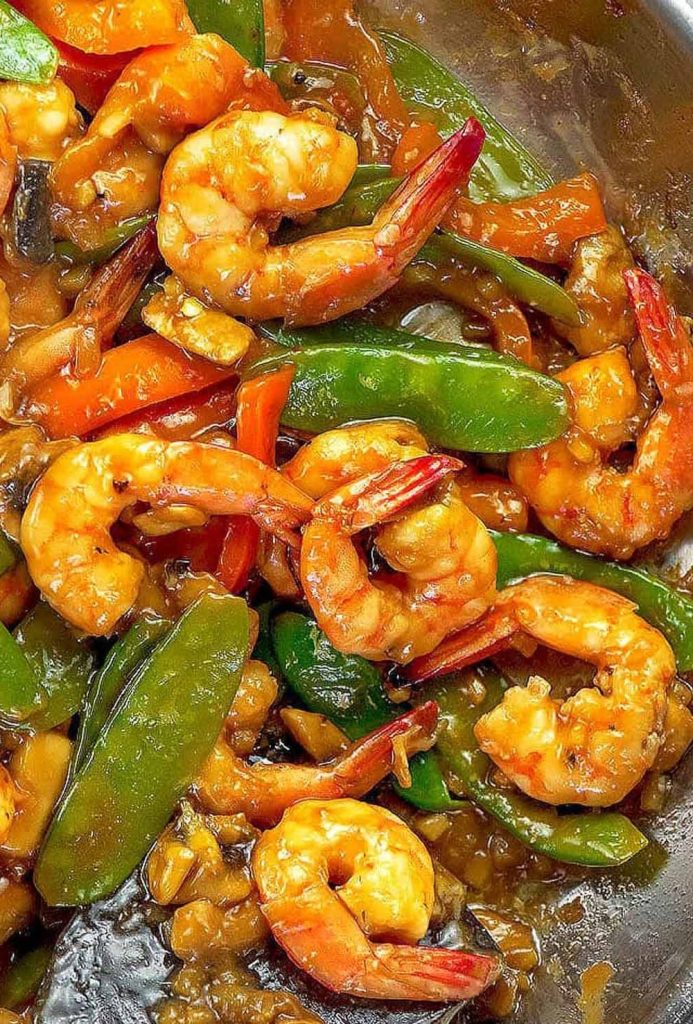
Now, it’s time to add the quicker-cooking vegetables. This might include sliced bell peppers, snow peas, or snap peas. Continue to stir-fry for another 1-2 minutes until the vegetables are vibrant and tender-crisp. Avoid overcooking; you want a slight bite to them. Overcooked vegetables become mushy and lose their appeal.
The seafood enters the wok at this stage. Add your prepared shrimp, scallops, or squid. Stir-fry gently, tossing them with the vegetables and aromatics. Seafood cooks very quickly. Shrimp will turn pink and opaque, scallops will become opaque, and squid will curl and turn opaque. This usually takes only 2-3 minutes.
Once the seafood is almost cooked through, it’s time to add the pre-mixed oyster sauce. Pour the sauce evenly over the ingredients in the wok. Stir gently to coat everything. As the sauce heats up, it will begin to thicken, especially if you’ve included cornstarch in your sauce mixture. If the sauce seems too thick, you can add a splash of water or broth to loosen it.
If you’ve used a cornstarch slurry, ensure it’s well-mixed before adding. Pour it into the wok while stirring continuously. The sauce should thicken within seconds, creating a glossy coating on the seafood and vegetables. This is the moment where the dish truly comes together, with the flavors melding beautifully.
Finally, add your finishing touches. A drizzle of toasted sesame oil at this point adds an incredible aroma. You can also toss in some chopped scallions or cilantro for freshness and a pop of color. Give everything a final quick stir to distribute these final ingredients.
Serve your seafood stir-fry immediately. Stir-fries are best enjoyed fresh off the wok, when the textures are at their peak and the flavors are most vibrant. Serve it over steamed jasmine rice, brown rice, or noodles for a complete and satisfying meal.
Let’s consider some variations and enhancements. For a spicier kick, increase the amount of chili or add a pinch of red pepper flakes along with the aromatics. For a richer flavor, a tablespoon of chili bean paste (doubanjiang) can be added alongside the oyster sauce.
Experiment with different types of seafood. A combination of shrimp, calamari, and mussels can create a delightful medley. Firm white fish like cod or snapper can also be used, though they should be cut into bite-sized pieces and added with care to avoid breaking apart.
Vegetable combinations are endlessly adaptable. Consider adding baby corn, water chestnuts for crunch, bok choy for leafy greens, or even asparagus. The key is to ensure a balance of colors, textures, and cooking times.
The sauce itself can be customized. For a slightly sweeter profile, increase the sugar. For a tangier note, a splash of rice vinegar can be added just before serving. A touch of hoisin sauce can also complement the oyster sauce, adding another layer of sweetness and depth.
When it comes to oyster sauce, there are different grades available. Premium oyster sauces often contain more oyster extract and less filler, resulting in a more intense and nuanced flavor. While they can be more expensive, a little goes a long way.
For those concerned about gluten, ensure your soy sauce is gluten-free (tamari is a good alternative). Many oyster sauces also contain wheat-based thickeners, so check the ingredients list if gluten is a concern, or look for gluten-free specific oyster sauces.
If you’re aiming for a lighter version, you can reduce the amount of oil used or opt for a non-stick pan. Cooking in batches also helps prevent overcrowding, which can lead to steaming rather than stir-frying, and thus a less desirable texture.
The art of the stir-fry is also about presentation. Arrange the cooked seafood and vegetables attractively on a plate or in a serving bowl. A garnish of toasted sesame seeds or fresh herbs can elevate the visual appeal significantly.
Understanding the ‘wok hei’ – the distinct smoky aroma imparted by a well-heated wok – is the ultimate goal for many stir-fry enthusiasts. While difficult to achieve perfectly in a home kitchen, high heat and proper technique will get you closer.
Practice makes perfect. Don’t be discouraged if your first attempt isn’t flawless. Each stir-fry is a learning experience. Pay attention to how the ingredients cook, how the sauce thickens, and adjust your technique accordingly for your next culinary adventure.
In conclusion, mastering the art of seafood stir-fry with oyster sauce is an accessible and rewarding culinary endeavor. By focusing on fresh ingredients, understanding the balance of flavors in the sauce, and employing proper stir-frying techniques, you can consistently create delicious, restaurant-quality dishes right in your own kitchen. Embrace the speed, the vibrant colors, and the incredible taste that this classic dish has to offer.