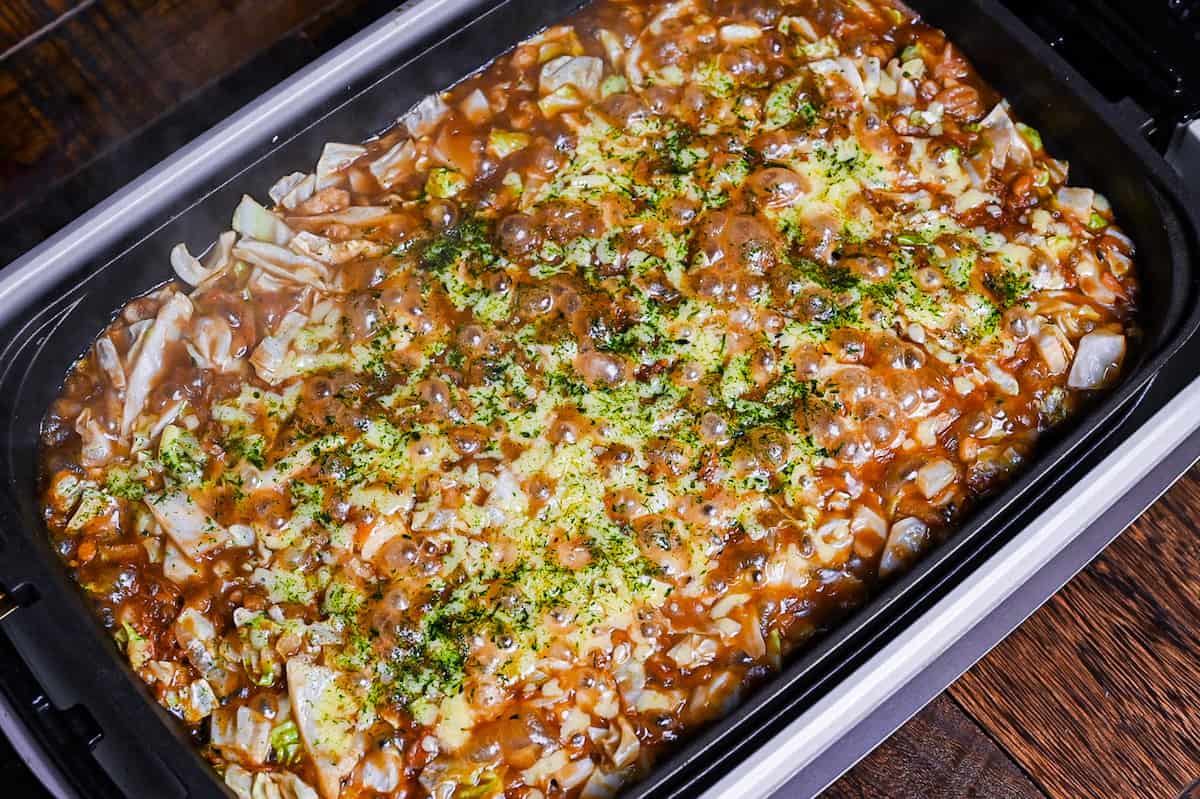
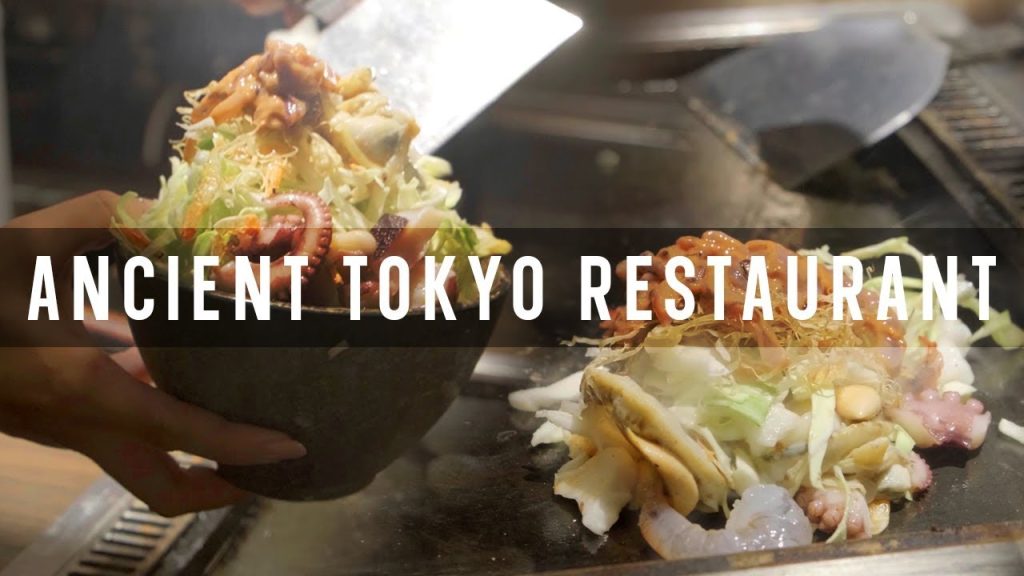

Unlike the firm, cake-like texture of Okonomiyaki, Monjayaki revels in its fluidity. The batter is much thinner, creating a thin layer that crisps up beautifully on the hot griddle while remaining soft and moist underneath. This distinct texture, combined with the savory ingredients, offers a sensory adventure that is both comforting and exciting. It’s a dish that demands participation, as diners often cook it themselves at their table, making it a popular choice for social gatherings and family meals across Japan.
Among the myriad variations, Seafood Monjayaki holds a special place, celebrated for its rich umami flavors and diverse textures. The addition of fresh seafood elevates the dish, introducing a delicate sweetness and a pleasant chewiness that complements the soft batter and crisp cabbage. From succulent shrimp and tender squid to sweet scallops and briny clams, the ocean’s bounty transforms a simple griddle cake into a gourmet delight, promising a truly memorable dining experience for seafood lovers.
Preparing Monjayaki is an engaging, hands-on activity that transforms cooking into an art form. It’s less about strict precision and more about embracing the process, enjoying the sizzling sounds and enticing aromas that fill the air as the ingredients cook. The interactive nature of Monjayaki makes it an ideal dish for sharing, fostering conversation and laughter around a communal hot plate. This guide will walk you through every step, ensuring you can recreate this authentic Japanese experience in your own home.
The foundation of any great Monjayaki lies in its batter. A classic Monjayaki batter is surprisingly simple, typically consisting of wheat flour, water, and dashi (Japanese soup stock). The dashi is paramount, infusing the batter with a deep, savory umami flavor that forms the perfect backdrop for the other ingredients. The ratio of water to flour is crucial for achieving the characteristic thin consistency, which allows the batter to spread thinly and develop those coveted crispy edges.
Beyond the basic flour and dashi, several key seasonings are often incorporated directly into the batter to enhance its flavor profile. A splash of Japanese Worcestershire sauce (often sweeter and less vinegary than its Western counterpart) adds a tangy complexity, while a dash of soy sauce deepens the umami and provides a subtle saltiness. Some recipes might also include a touch of mirin for sweetness or sake for an extra layer of aroma, all contributing to the rich tapestry of flavors.
For Seafood Monjayaki, the choice of fresh seafood is paramount. Shrimp offers a sweet, firm bite, while squid (ika) provides a satisfying chewiness and mild, oceanic flavor. Scallops (hotate) are another excellent addition, bringing a luxurious sweetness and tender texture. It’s essential to select high-quality, fresh seafood, as their flavors will be prominent in the final dish. Ensure they are cleaned, deveined (if shrimp), and cut into bite-sized pieces for even cooking.
Beyond the primary trio, other seafood options can further diversify your Monjayaki. Clams (asari), especially small ones, release a wonderful briny liquor that enriches the batter. Octopus (tako), when thinly sliced, adds a unique texture and robust flavor. Small pieces of white fish or even mussels can also be incorporated, depending on your preference and availability. The key is to use a variety that cooks relatively quickly on the griddle and complements each other.
No Monjayaki is complete without a generous amount of finely shredded cabbage. It’s the bulk of the dish, providing a sweet crunch and absorbing the savory flavors of the batter and seafood. Another indispensable ingredient is tenkasu (tempura scraps or agedama), which are crispy bits of fried tempura batter. These tiny morsels add an incredible textural contrast and soak up the batter, becoming wonderfully soft and flavorful. Their presence is crucial for authentic Monjayaki.
To further enhance the flavor and visual appeal, consider adding aromatics and garnishes. Finely chopped green onions (negi) provide a fresh, pungent bite, while a sprinkle of benishoga (red pickled ginger) introduces a zesty, sharp contrast that cuts through the richness. A final dusting of aonori (dried green seaweed flakes) and a drizzle of extra Japanese mayonnaise and Worcestershire sauce are customary for serving, adding layers of umami and creaminess.
To truly replicate the Monjayaki experience, certain equipment is highly recommended. The most crucial piece is a teppan or a large, flat griddle. While traditional Monjayaki restaurants feature built-in griddles at each table, a large electric griddle or even a heavy-bottomed cast-iron pan can serve as an excellent substitute. Ensure your cooking surface can maintain a consistent, high heat for optimal crisping.
Beyond the griddle, you’ll need a few specialized tools. Small spatulas (hera) are essential for cooking, mixing, and, most importantly, eating Monjayaki directly from the griddle. These compact spatulas allow for precise scraping and scooping of the thin, crispy layers. Additionally, large mixing bowls for preparing the batter and ingredients, and a regular spatula for initial mixing on the griddle, will complete your setup.
The preparation phase is vital for a smooth cooking process. Begin by finely shredding the cabbage; the finer, the better, as it cooks more evenly and integrates seamlessly into the dish. Chop your chosen seafood into small, bite-sized pieces. If using shrimp, ensure they are peeled, deveined, and patted dry. Prepare any other vegetables like green onions or mushrooms by finely dicing them.
For the seafood, proper preparation ensures optimal flavor and texture. If using fresh squid, clean it thoroughly, remove the internal organs, skin, and beak, then slice the body into thin rings and the tentacles into manageable pieces. Shrimp should be deveined and, if large, cut in half. Scallops can be left whole if small, or halved horizontally if larger. Patting all seafood dry with paper towels helps achieve a better sear and prevents excess moisture from diluting the batter.
Now, combine your batter ingredients. In a large bowl, whisk together the wheat flour with cold dashi stock until smooth, ensuring no lumps remain. Then, stir in the Japanese Worcestershire sauce, soy sauce, and any other desired liquid seasonings like mirin or sake. The consistency should be very thin, almost like water, but with a slight viscosity. Set this aside to allow the flavors to meld.
Heat your teppan or griddle to a medium-high temperature. A good indicator of readiness is when a drop of water sizzles and evaporates quickly. Lightly oil the surface with a neutral oil, ensuring an even coating. Maintaining a consistent heat throughout the cooking process is key to achieving the perfect balance of crispy and gooey textures.
Once the griddle is hot, place the solid ingredients onto the oiled surface. This includes the shredded cabbage, your chosen seafood (shrimp, squid, scallops), tenkasu, and any other vegetables. Sauté these ingredients, stirring constantly with your larger spatula, until the cabbage softens slightly and the seafood is about halfway cooked. The goal is to cook off some moisture and develop initial flavors before adding the batter.
A hallmark of Monjayaki preparation is creating a ‘dike’ or ‘well’ with the cooked ingredients. Once the cabbage and seafood are sufficiently sautéed, use your spatula to push and form them into a neat, circular ring or mound on the griddle, leaving an empty space in the center. This ring will act as a barrier, preventing the thin batter from spreading too widely before it can begin to set.
With the dike firmly in place, it’s time for the batter. Give the prepared liquid batter a final stir, then carefully pour it into the center of the vegetable and seafood ring. The batter will naturally pool within the dike. Allow it to sit for a moment, letting the edges of the batter start to bubble and slightly set around the base of the solid ingredients.
Now comes the crucial mixing and spreading technique. Once the batter has slightly warmed in the well, begin to gently mix the solid ingredients from the dike into the liquid batter using your spatula. Don’t overmix; the goal is to evenly distribute the ingredients within the batter. Then, using the edge of your spatula, slowly spread the entire mixture outwards into a thin, even layer across the griddle. The thinner you spread it, the crispier the bottom will become.
The magic of Monjayaki lies in achieving that delightful crispy bottom layer. Once the mixture is spread thin, resist the urge to constantly stir it. Allow it to cook undisturbed for a few minutes, letting the heat caramelize the bottom surface. You’ll know it’s ready when you can see golden-brown, crispy edges forming. Use your small spatulas to scrape and lift small portions from the griddle, ensuring you get a good amount of the crispy bits with each bite.
Monjayaki is traditionally eaten directly from the griddle. Each diner uses their personal small spatula (hera) to scrape off a small portion of the cooked Monjayaki, placing it onto their spatula and then directly into their mouth. This allows you to savor the varying textures – the crispy bottom, the gooey interior, and the tender ingredients – while it’s still piping hot. It’s a truly communal and interactive dining experience.
Achieving Monjayaki perfection hinges significantly on mastering griddle temperature. Start with a medium-high heat for sautéing the solids and forming the dike. Once the batter is poured and spread, you might slightly reduce the heat to medium-low to allow the batter to cook through without burning the bottom, while still promoting crispiness. Too low, and it won’t crisp; too high, and it will burn before cooking evenly.
The consistency of your batter is paramount. If it’s too thick, your Monjayaki will resemble Okonomiyaki, lacking the characteristic gooey texture. If it’s too thin, it might spread too much and struggle to form a cohesive dish. Aim for a consistency that is easily pourable but has a slight body, allowing it to cling to the solid ingredients when mixed. Adjust with a little more dashi or flour if necessary.
When cooking Monjayaki, especially at home, avoid overcrowding your griddle. Cooking too large a portion at once can lower the griddle’s temperature, leading to uneven cooking and a less crispy result. It’s better to cook smaller batches, allowing each one sufficient space to spread thinly and achieve that desired golden-brown crust. Patience is a virtue in Monjayaki making.
The unique way Monjayaki is eaten involves a technique called ‘koge,’ which refers to the slightly burnt, crispy bits that form on the griddle. Using your small spatula, gently scrape these delicious, caramelized pieces from the bottom of the Monjayaki. These crispy morsels are highly prized and add a wonderful textural contrast to the softer interior. Don’t be afraid to embrace the ‘burnt’ bits – they are part of the authentic experience.
One of the joys of Monjayaki is its incredible versatility. Feel free to customize your Seafood Monjayaki with additional ingredients. Popular additions include mochi (rice cakes), which melt into a wonderfully chewy, gooey texture, and cheese (often mozzarella or cheddar), which adds a creamy, savory richness. For a spicy kick, try adding mentaiko (spicy pollock roe), which bursts with umami and a subtle heat.
Beyond seafood, the world of Monjayaki variations is vast. Mochi-Cheese Monjayaki is a perennial favorite, creating an incredibly stretchy and satisfying dish. Pork Monjayaki (buta monja) offers a hearty alternative, while Curry Monjayaki provides a flavorful twist. Experiment with different proteins, vegetables, and even international flavors to create your signature Monjayaki. The only limit is your imagination!
Monjayaki is more than just food; it’s a cultural institution, particularly in Tokyo. Tsukishima Monja Street, located in the Tsukishima district, is famously lined with dozens of Monjayaki restaurants, each boasting its unique recipes and atmosphere. Visiting such a street offers an immersive experience, allowing you to witness the mastery of Monjayaki chefs and soak in the vibrant, communal dining culture.
The act of cooking Monjayaki together fosters a sense of camaraderie and shared enjoyment. It’s a dish meant to be savored slowly, with conversation flowing as each person scrapes their portion from the griddle. This social aspect is deeply ingrained in Japanese dining culture, where food often serves as a catalyst for connection and community, making Monjayaki a perfect choice for group meals.
To complete your Monjayaki experience, consider pairing it with suitable beverages. Classic choices include cold Japanese beer, which cuts through the richness and cleanses the palate. Green tea or oolong tea also make excellent non-alcoholic accompaniments, offering a refreshing contrast. For a more adventurous pairing, try a dry sake that complements the seafood’s umami without overpowering it.
Even experienced Monjayaki makers can encounter minor issues. If your Monjayaki is too watery, it likely needs more time to cook and evaporate moisture, or your batter might be too thin. If it’s too thick and not spreading, your batter might be too dense, or you might have too many solid ingredients. Adjusting the heat and being patient are often the best solutions. Don’t be afraid to experiment to find your perfect balance.
While Monjayaki is often seen as comfort food, it can also be a relatively balanced meal. Packed with cabbage, it provides a good source of fiber and vitamins. The inclusion of various seafood adds lean protein and essential omega-3 fatty acids. While the batter contains carbohydrates, the overall dish, especially with a good proportion of vegetables and lean protein, can be a nutritious and satisfying option.
When cooking on a hot griddle, always prioritize safety. Ensure proper ventilation, especially if cooking indoors. Be mindful of hot surfaces and spatulas to avoid burns. If cooking with children, supervise them closely and teach them safe handling practices for the small spatulas. Clean your griddle thoroughly after each use to maintain hygiene and prolong its lifespan.
Ultimately, making Monjayaki is about embracing the fun and interactive nature of Japanese cuisine. Don’t strive for absolute perfection on your first attempt; instead, enjoy the process, the sizzling sounds, and the delightful aromas. It’s a dish that encourages experimentation and personalization, allowing you to truly make it your own. Gather your friends and family, and embark on this delicious culinary adventure together.
We hope this comprehensive guide empowers you to confidently prepare authentic Japanese Seafood Monjayaki in your own kitchen. From understanding the core ingredients and essential equipment to mastering the unique cooking techniques and cultural nuances, you now have all the tools to create this delightful Tokyo specialty. So, fire up your griddle, gather your ingredients, and prepare to savor the unique, gooey, and crispy magic of Monjayaki!