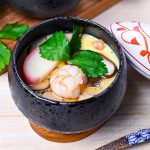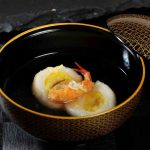

The allure of Seafood Miso Soup lies in its ability to combine the delicate brininess of the ocean with the earthy depth of fermented soybean paste. Imagine succulent shrimp, tender scallops, and flaky white fish mingling in a savory broth, each bite a symphony of textures and tastes. This isn’t just a recipe; it’s an exploration into the heart of Japanese comfort food, perfected with the freshest ingredients and time-honored techniques.
There are primarily three types of miso commonly used: Shiro Miso (white miso) is the lightest in color and flavor, fermented for a shorter period, offering a sweet and mild taste. Awase Miso (blended miso) is a combination of red and white miso, providing a balanced flavor profile that is versatile for many dishes. Aka Miso (red miso) is fermented for a longer duration, yielding a darker color, robust flavor, and a saltier, more pungent taste. For our ‘spesial’ seafood miso soup, an Awase or a good quality Shiro miso will provide a beautiful balance that complements the delicate seafood.
The soul of Japanese soup, including miso soup, is dashi. Dashi is a fundamental broth that forms the base of countless Japanese dishes, imparting a profound umami flavor. While instant dashi granules are available for convenience, preparing dashi from scratch elevates your soup to an unparalleled level of authenticity and taste. The traditional method involves just two key ingredients: kombu (dried kelp) and katsuobushi (dried, smoked bonito flakes).
To make traditional dashi, gently wipe any white powdery residue off a piece of kombu (do not wash it off, as it’s full of umami). Soak the kombu in cold water for at least 30 minutes, or ideally, several hours. Slowly heat the kombu and water, removing the kombu just before it boils to prevent bitterness. Once the kombu is out, bring the water to a boil, then remove it from the heat and add a generous handful of katsuobushi. Let the katsuobushi steep for a minute or two, then strain the broth carefully. This clear, amber liquid is your homemade dashi, brimming with pure umami.
For those times when you’re short on time, instant dashi granules are a perfectly acceptable alternative. Simply dissolve the recommended amount in hot water according to package instructions. While it won’t have the same nuanced depth as homemade dashi, it will still provide a solid foundation for your soup, allowing the seafood to shine.
The ‘spesial’ aspect of this soup truly comes to life with your selection of fresh seafood. The key is variety and freshness. Opt for a mix of textures and flavors to create a dynamic culinary experience. Visit your local fishmonger and choose ingredients that look vibrant, smell fresh (like the ocean, not ‘fishy’), and have firm flesh.
Excellent choices for seafood miso soup include: Shrimp (prawns), peeled and deveined, offering a sweet and tender bite. Scallops, with their delicate, buttery texture. Clams or mussels, which release their briny liquor into the broth, adding immense flavor. White fish fillets such as cod, snapper, or halibut, cut into bite-sized pieces, providing a flaky and mild element. Small pieces of crab meat or even squid rings can also be wonderful additions for an extra layer of luxury and texture.
Beyond the seafood, several essential vegetables contribute to the soup’s overall flavor, texture, and nutritional value. These typically include wakame (dried seaweed), tofu, mushrooms, and green onions. Each plays a vital role in creating a balanced and visually appealing dish.
Tofu, specifically silken or soft tofu, adds a creamy, melt-in-your-mouth texture and absorbs the flavors of the broth beautifully. It’s a fantastic source of plant-based protein and complements the seafood without overpowering it. Ensure to gently press excess water from the tofu before cutting it into small cubes.
Wakame seaweed, when rehydrated, expands significantly, offering a slightly chewy texture and a distinct oceanic flavor that harmonizes perfectly with the seafood. It’s also packed with minerals and vitamins, adding a healthy boost to your soup. A small amount goes a long way once rehydrated.
Mushrooms, such as shiitake or enoki, contribute an earthy umami depth and an interesting textural contrast. Fresh shiitake mushrooms, with their meaty caps, are particularly excellent. Green onions (scallions) are primarily used as a fresh garnish, providing a mild oniony bite and a vibrant splash of color just before serving.
- 4 cups (1 liter) Dashi broth (homemade or instant)
- 150-200g assorted fresh seafood (e.g., shrimp, scallops, white fish, clams)
- 150g soft or silken tofu, drained and cubed
- 1-2 tablespoons dried wakame seaweed
- 50g fresh shiitake mushrooms, thinly sliced (optional)
- 3-4 tablespoons miso paste (Awase or Shiro recommended)
- 2 green onions, thinly sliced for garnish
- Optional: A pinch of salt, a dash of mirin for sweetness
Step 1: Prepare the Dashi Base. If making dashi from scratch, begin this step well in advance. Gently prepare your kombu and katsuobushi as described earlier to yield a clear, flavorful broth. If using instant dashi, dissolve the granules in hot water in a medium pot over medium heat.
Step 2: Prepare the Seafood. Clean and prepare all your chosen seafood. Peel and devein shrimp. Rinse scallops and pat dry. Clean clams thoroughly, discarding any that are open and don’t close when tapped. Cut white fish fillets into 1-inch pieces. Keep seafood separate until ready to add.
Step 3: Prepare the Vegetables. Rehydrate the dried wakame by soaking it in a bowl of warm water for 5-10 minutes until it expands. Squeeze out excess water and chop into smaller pieces if necessary. Drain and gently cube the tofu. Thinly slice your shiitake mushrooms. Slice the green onions for garnish, separating the white and green parts if desired.
Step 4: Simmering the Initial Ingredients. Bring the dashi to a gentle simmer over medium heat. Add the cubed tofu and sliced shiitake mushrooms (if using). Let them simmer for about 3-5 minutes, allowing their flavors to meld with the dashi.
Step 5: Adding the Seafood. This is a crucial step to prevent overcooking. Add the clams first, allowing them to open (discard any that don’t). Then, add the shrimp, scallops, and white fish pieces. Simmer gently for only 2-4 minutes, or until the seafood is just cooked through. Shrimp will turn pink, scallops opaque, and fish will flake easily. Do not overcook, as seafood can become rubbery.
Step 6: Incorporating the Miso Paste. This is perhaps the most critical step for a perfect miso soup. Remove the pot from direct heat or lower the heat to its absolute minimum. Scoop a few tablespoons of the warm dashi broth into a small bowl. Add the miso paste to this bowl and whisk it gently until it forms a smooth slurry. This prevents lumps and ensures even distribution. Gradually stir the dissolved miso back into the main pot of soup. It is imperative NOT to boil the soup once the miso has been added, as boiling will diminish its delicate flavor and destroy its beneficial probiotics.
Step 7: Final Adjustments and Garnish. Taste the soup and adjust seasoning if needed. If it tastes a bit flat, a tiny pinch of salt or a splash of mirin can enhance the flavors. Stir in the rehydrated wakame. Ladle the hot soup into individual bowls. Garnish generously with freshly sliced green onions just before serving. A sprinkle of shichimi togarashi (Japanese seven-spice blend) can add a delightful kick if you enjoy a touch of spice.
Pro Tip 1: The Art of Dissolving Miso. For an even smoother miso incorporation, use a small sieve or mesh strainer. Place the miso paste in the strainer and submerge it partially in the soup. Use a spoon to gently press and stir the miso through the strainer, allowing it to dissolve directly into the broth without lumps.
Pro Tip 2: Preventing Overcooked Seafood. Different types of seafood cook at different rates. If using a variety, consider adding the more robust seafood (like clams or firm fish) a minute or two before more delicate items (like shrimp or scallops). Alternatively, you can quickly blanch very delicate seafood separately and add it to the soup right before the miso.
Pro Tip 3: Balancing Umami. Dashi provides the initial umami, and miso deepens it. If your dashi is particularly robust, you might need slightly less miso. Always taste and adjust. The goal is a harmonious balance, not an overpowering miso flavor.
One of the joys of cooking is customization. Feel free to experiment with your seafood selection. Consider adding small pieces of octopus, squid, or even crab claws for a luxurious touch. For a truly indulgent soup, a few drops of sesame oil can be drizzled just before serving, adding a nutty aroma.
Beyond the traditional ingredients, you can expand your vegetable options. Thinly sliced daikon radish adds a subtle peppery note and crisp texture. Spinach or Napa cabbage can be wilted in the soup for extra greens. Even a few cubes of sweet potato or potato can be simmered until tender, adding a hearty element.
For those who enjoy a bit of heat, a tiny dash of chili oil or a sprinkle of finely chopped fresh red chili can awaken the palate. If you prefer a slightly sweeter note, a small amount of mirin (sweet rice wine) can be added to the dashi before the miso, but use sparingly to avoid making the soup too sweet.
Seafood Miso Soup is incredibly versatile in how it can be served. It can be a light yet satisfying main course, especially when paired with a bowl of steamed white rice. The soup’s rich flavors and nourishing ingredients make it a complete meal on its own. Alternatively, it serves as an elegant and comforting side dish to accompany grilled fish, tempura, or other Japanese delicacies.
Beyond its delicious taste, Seafood Miso Soup offers significant health benefits. Miso paste is a fermented food, meaning it’s rich in probiotics, which are beneficial for gut health and digestion. It also contains essential amino acids, vitamins, and minerals. The fermentation process makes the nutrients in soybeans more digestible.
The seafood provides a lean source of high-quality protein, omega-3 fatty acids (especially from fish like cod or snapper), and a wealth of vitamins and minerals like iodine, selenium, and B vitamins. Wakame seaweed is a nutritional powerhouse, contributing iodine, calcium, and iron, while tofu adds plant-based protein and calcium. This soup is a low-calorie, nutrient-dense powerhouse.
The importance of using high-quality, fresh ingredients cannot be overstated. Fresh seafood, good quality miso, and properly prepared dashi are the pillars of an exceptional soup. Skimping on ingredient quality will inevitably lead to a less satisfying result. Invest in the best you can find to truly experience the ‘spesial’ difference.
To ensure your Seafood Miso Soup is a success, avoid these common pitfalls: Overcooking the seafood will result in tough, rubbery textures. Boiling the soup after adding miso will destroy its delicate flavor and beneficial enzymes. Using too much miso can make the soup overly salty or pungent, overpowering the other subtle flavors. Always taste and adjust gradually.
In Japanese culture, miso soup is more than just food; it’s a symbol of home, comfort, and daily nourishment. It’s often served at breakfast, lunch, and dinner, adapting to the season and available ingredients. Crafting your own Seafood Miso Soup is not just cooking; it’s participating in a culinary tradition that values balance, simplicity, and the inherent goodness of natural ingredients.
Mastering ‘Cara Memasak Seafood Miso Soup Spesial’ is a rewarding culinary journey. It teaches patience, appreciation for fresh ingredients, and the subtle art of flavor balancing. Once you experience the depth of flavor and the comforting warmth of a homemade bowl, you’ll understand why this dish holds such a revered place in Japanese cuisine. So, gather your ingredients, prepare your dashi, and embark on creating a truly special seafood miso soup that will delight your senses and nourish your soul.
We hope this extensive guide empowers you to confidently prepare a truly exceptional Seafood Miso Soup. Enjoy the process, savor the aromas, and relish every spoonful of your homemade creation!