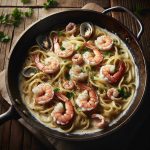
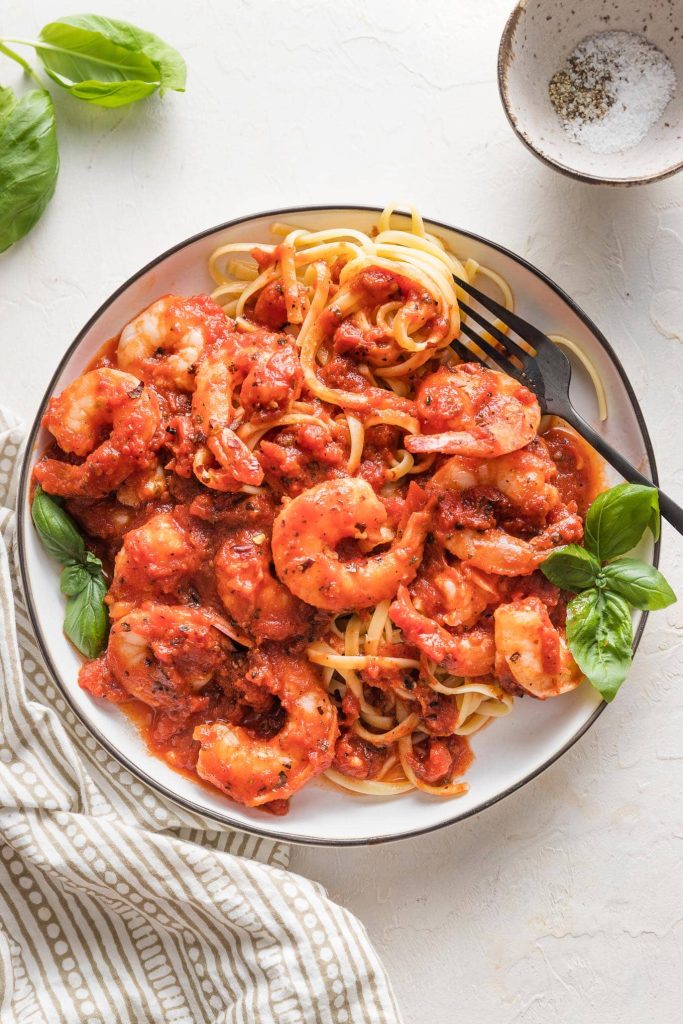

At its heart, Marinara sauce is a simple yet profoundly flavorful sauce, typically made from tomatoes, garlic, herbs, and onions. Its name, ‘marinara,’ literally means ‘mariner’s style,’ suggesting its origins among sailors who could quickly prepare it at sea. When paired with an assortment of succulent seafood, it becomes a dish that is both hearty and light, comforting and invigorating.
This comprehensive guide will delve into the intricacies of creating an exceptional Seafood Marinara, emphasizing the critical role of fresh ingredients, particularly the tomatoes. We will explore everything from selecting the finest produce and seafood to mastering the cooking techniques that ensure each component shines, culminating in a dish that will impress even the most discerning palates.
The allure of fresh tomato sauce cannot be overstated. Unlike canned varieties, which often carry a tinny aftertaste or an overly processed flavor, fresh tomatoes bring a vibrant acidity, natural sweetness, and a delicate, garden-fresh aroma to the sauce. They lend a brightness and depth that jarred sauces simply cannot replicate, making every bite a true celebration of natural flavors.
Choosing the right tomatoes is the first step towards an extraordinary sauce. Roma tomatoes, also known as plum tomatoes, are often favored for their meaty texture, low seed count, and intense flavor when ripe. San Marzano tomatoes, hailing from Italy, are often considered the gold standard for sauces due to their balanced sweetness and acidity, though they can be harder to source fresh outside of specific seasons.
Other excellent choices include vine-ripened beefsteak tomatoes or even a mix of heirloom varieties for a complex flavor profile. The key is to select tomatoes that are firm, deeply colored, and heavy for their size, with a fragrant aroma. Avoid any with soft spots or blemishes, as these indicate overripeness or damage.
Before embarking on the cooking process, proper preparation of the tomatoes is essential. This typically involves blanching, peeling, and seeding them. Blanching involves a quick dip in boiling water followed by an ice bath, which makes the skin easy to remove. Peeling eliminates any tough bits, while seeding reduces excess moisture and bitterness, allowing the pure tomato flavor to emerge.
Once peeled and seeded, the tomatoes can be crushed by hand for a rustic sauce or finely diced for a smoother consistency. Some chefs prefer to pass them through a food mill for an even silkier texture, though this is optional. The goal is to release their natural juices and prepare them for the slow simmer that will transform them into a rich, aromatic sauce.
Now, let’s turn our attention to the star of the dish: the seafood. The beauty of Seafood Marinara lies in its versatility. A typical selection often includes a mix of shrimp, mussels, clams, and calamari. However, you can customize it based on your preferences and what’s freshest at your local market.
When selecting seafood, freshness is paramount. For shrimp, look for firm, translucent bodies with a mild, ocean scent. Avoid any that smell strongly of ammonia. Mussels and clams should be tightly closed; discard any that are open and do not close when tapped. For calamari, choose tubes that are white and firm, without any discolored spots.
Other excellent additions can include scallops, firm white fish such as cod or snapper, or even chunks of lobster for a truly luxurious experience. Always source your seafood from a reputable fishmonger who can vouch for its freshness and origin. Sustainable choices are also highly recommended to support healthy ocean ecosystems.
Preparing the seafood correctly is crucial for both flavor and texture. Shrimp should be peeled and deveined, leaving the tails on for presentation if desired. Mussels and clams require thorough scrubbing and debearding (removing the fibrous beard from mussels). Calamari tubes should be cleaned, and the tentacles separated, then sliced into rings.
With the tomatoes and seafood prepared, we can now build the foundation of our marinara sauce. Begin by heating a generous amount of high-quality extra virgin olive oil in a large, heavy-bottomed pot or Dutch oven over medium heat. This oil will infuse the entire dish with its rich, fruity notes.
Add finely minced garlic and chopped onion to the hot oil. Sauté gently until the onions are translucent and the garlic is fragrant, taking care not to burn the garlic, which can turn bitter. This aromatic base is critical for developing the sauce’s depth of flavor, providing a sweet and savory counterpoint to the tomatoes.
Once the aromatics are softened, it’s time to introduce the prepared fresh tomatoes. Pour them into the pot, stirring well to combine with the garlic and onion. Season generously with salt and freshly ground black pepper. This initial seasoning is important, but remember to taste and adjust throughout the cooking process.
For an added layer of flavor, consider deglazing the pot with a splash of dry white wine, such as Pinot Grigio or Sauvignon Blanc, after sautéing the aromatics and before adding the tomatoes. Allow the wine to reduce by half, scraping up any browned bits from the bottom of the pan, which will add tremendous depth to the sauce.
Bring the sauce to a gentle simmer, then reduce the heat to low, cover partially, and let it cook for at least 30-45 minutes, or even longer for a richer flavor. The longer it simmers, the more the flavors will meld and deepen, and the sauce will thicken naturally. Stir occasionally to prevent sticking.
During the simmering process, incorporate fresh herbs. A handful of fresh basil leaves, torn or roughly chopped, and a pinch of dried oregano are classic additions. A bay leaf can also be added for an earthy undertone, removed before serving. A tiny pinch of sugar can help balance the acidity of the tomatoes if needed, but often fresh, ripe tomatoes won’t require it.
As the sauce nears completion, it’s time to introduce the seafood. The timing is critical here, as seafood cooks very quickly and can become rubbery if overcooked. Start with the seafood that requires the longest cooking time, typically mussels and clams.
Add the scrubbed mussels and clams to the simmering sauce, cover the pot, and cook for 5-7 minutes, or until they have fully opened. Discard any shellfish that remain closed after cooking. Their natural juices will contribute a wonderful briny flavor to the marinara.
Next, add the calamari rings and tentacles. Calamari cooks best either very quickly or for a long time. In this quick-cooking marinara, aim for 2-3 minutes until it just turns opaque and tender. Overcooking will make it tough and chewy.
Finally, gently stir in the peeled and deveined shrimp and any delicate white fish pieces. Cook for only 2-4 minutes, or until the shrimp turn pink and opaque and the fish flakes easily. The residual heat of the sauce will continue to cook the seafood, so err on the side of undercooking rather than overcooking.
Once all the seafood is cooked, remove the pot from the heat. Stir in a generous amount of freshly chopped flat-leaf parsley and perhaps a final sprinkle of fresh basil. Taste the sauce one last time and adjust the seasoning with salt, pepper, or a touch more sugar if necessary. A drizzle of your finest extra virgin olive oil just before serving can also enhance the aroma and mouthfeel.
Serving Seafood Marinara traditionally involves pairing it with pasta. Long, thin pasta shapes like spaghetti, linguine, or fettuccine are ideal, as they allow the luxurious sauce and delicate seafood to cling beautifully. Cook your pasta al dente according to package directions, then drain and add directly to the sauce, tossing gently to coat.
For those who prefer a lighter meal or are avoiding gluten, Seafood Marinara is equally delicious served without pasta. It makes a fantastic main course alongside crusty bread for dipping, a fresh green salad, or even a side of roasted vegetables. The robust flavors of the sauce and the tender seafood are satisfying on their own.
To elevate the presentation, serve the marinara in wide, shallow bowls, ensuring each serving has a good mix of sauce, pasta, and various seafood components. Garnish with additional fresh parsley or basil leaves, and perhaps a wedge of lemon for a final burst of freshness. While Parmesan cheese is often served with pasta, some purists avoid it with seafood dishes, believing it can overpower the delicate oceanic flavors.
Here are some essential tips for success:
- Don’t overcrowd the pan: Cook seafood in batches if necessary to ensure even cooking and prevent steaming.
- Taste as you go: Seasoning is an ongoing process.
- Quality matters: The better your ingredients, the better your final dish.
- Gentle handling: Seafood is delicate; stir gently to avoid breaking it apart.
- Don’t rush the sauce: Allow the marinara to simmer for the recommended time to develop deep flavors.
For those seeking variations, consider adding a pinch of red pepper flakes with the garlic for a spicy kick. A splash of clam juice or fish stock can also enhance the oceanic depth of the sauce. Some recipes include a tablespoon of tomato paste at the beginning to intensify the tomato flavor, particularly if your fresh tomatoes are less vibrant.
Storing and reheating leftovers requires a bit of care. While best enjoyed fresh, leftover Seafood Marinara can be stored in an airtight container in the refrigerator for up to 2 days. When reheating, do so gently on the stovetop over low heat, or in the microwave at short intervals, to avoid overcooking the seafood, which can become rubbery.
The health benefits of this dish are also noteworthy. Seafood provides lean protein and essential Omega-3 fatty acids, which are vital for heart and brain health. Fresh tomatoes are packed with antioxidants like lycopene, along with vitamins C and K. Coupled with olive oil and fresh herbs, it’s a meal that is as nutritious as it is delicious.
In conclusion, crafting an authentic Seafood Marinara with fresh tomato sauce is a rewarding culinary endeavor that brings the vibrant tastes of the Mediterranean to your table. By paying attention to ingredient quality, mastering the art of the slow-simmered sauce, and timing the addition of delicate seafood, you can create a dish that is truly exceptional.
Embrace the process, savor the aromas, and enjoy the satisfaction of creating a meal that is fresh, flavorful, and deeply satisfying. This comprehensive guide provides you with all the knowledge and techniques needed to confidently prepare a Seafood Marinara that will be cherished by all who taste it. Happy cooking!
:max_bytes(150000):strip_icc()/7972426-shrimp-marinara-ddmfs-4x3-608ceee07d004406b17237b5d8cbf231.jpg "Mastering the Art of Seafood Marinara with Fresh Tomato Sauce: A Comprehensive Guide")