
The foundation of any great Kwetiau Goreng Siram lies in the quality of its core ingredients. For the ‘kwetiau’ itself, opt for fresh, wide rice noodles. These are typically found in Asian grocery stores. Fresh noodles have a superior texture compared to dried ones, offering a delightful chewiness that absorbs the flavors beautifully. If fresh are unavailable, good quality dried kwetiau can be used, but be sure to follow package instructions for rehydration carefully to avoid mushiness.
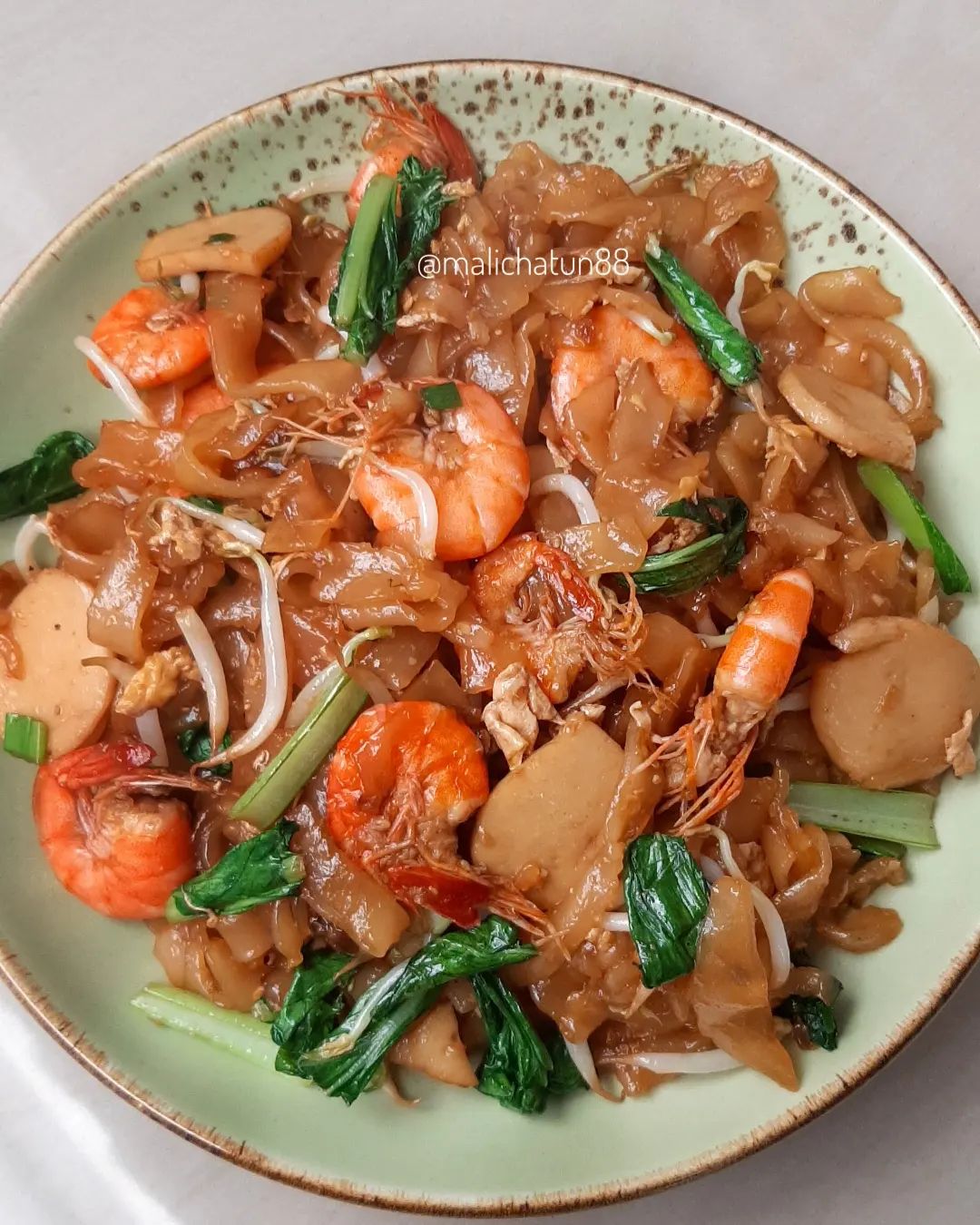
Seafood is the star of this dish, and variety is key to a complex flavor profile. A classic combination often includes plump shrimp, tender squid, and sometimes chunks of fish like snapper or grouper. For an extra touch of luxury, consider adding scallops or mussels. Ensure all seafood is fresh, firm to the touch, and free from any unpleasant odors. Proper cleaning and preparation are crucial; devein the shrimp, clean the squid thoroughly, and cut them into bite-sized pieces.
Beyond the noodles and seafood, a robust aromatic base is essential. This typically involves finely minced garlic and shallots, the backbone of many Indonesian stir-fries. Some recipes also incorporate a touch of ginger for warmth and a subtle zing. The quality and freshness of these aromatics will significantly impact the overall depth of flavor in your dish.
The ‘goreng’ (fried) aspect refers to the stir-frying process of the kwetiau noodles with the aromatics and other seasonings. This step requires high heat and a wok or a large, heavy-bottomed pan to ensure even cooking and achieve that slightly smoky ‘wok hei’ flavor. Overcrowding the pan should be avoided, as it can lead to steaming rather than frying, resulting in soggy noodles.
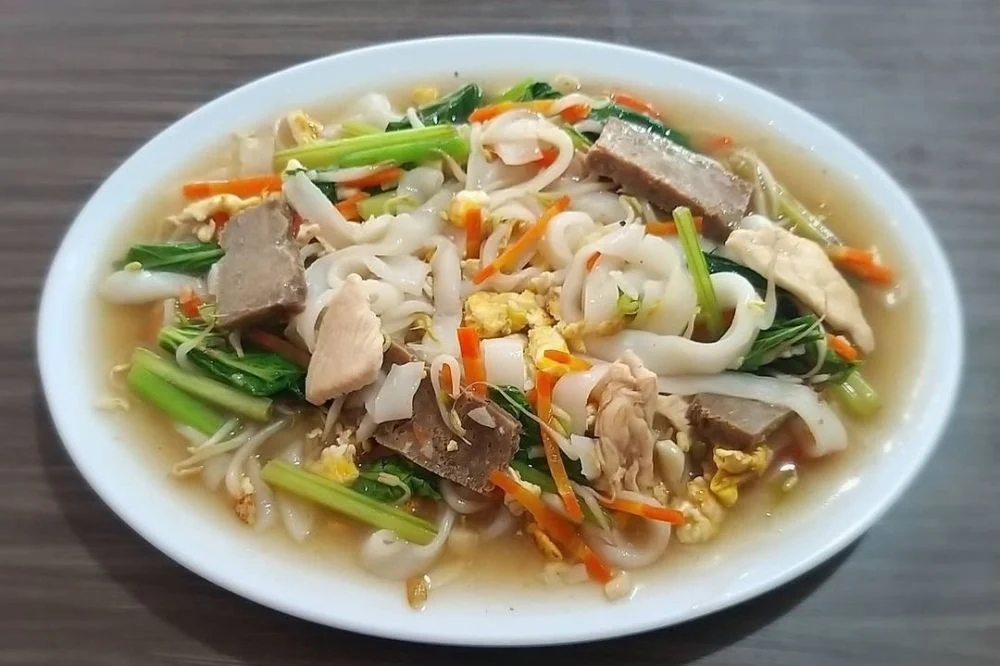
The ‘siram’ (pour) component is the thick, savory gravy that blankets the stir-fried noodles. This is where the dish truly comes alive. The gravy is typically thickened with a cornstarch or tapioca starch slurry, giving it a luscious, glossy finish. The base of the gravy is usually a flavorful broth, often chicken or seafood stock, combined with soy sauces, oyster sauce, and other seasonings.
Let’s delve into the specific ingredients for the gravy. A good quality chicken or seafood stock is paramount. For seasoning, a combination of light soy sauce for saltiness and umami, dark soy sauce for color and a hint of sweetness, and oyster sauce for its rich, savory depth is standard. A touch of sugar balances the saltiness, while white pepper adds a subtle kick.
Achieving the right consistency for the gravy is a delicate balance. Too thin, and it won’t coat the noodles properly; too thick, and it can become cloying. The starch slurry should be added gradually while stirring constantly to prevent lumps. The goal is a smooth, viscous sauce that clings to every strand of kwetiau and piece of seafood.
Vegetables play a supporting role, adding color, texture, and nutrients. Common additions include chopped chives, bean sprouts, and sometimes bok choy or Chinese broccoli. These vegetables should be added towards the end of the cooking process to retain their crispness and vibrant color. Stir-frying them briefly ensures they are tender-crisp, not mushy.
Marinating the seafood beforehand can elevate its flavor and texture. A simple marinade of a little soy sauce, a pinch of white pepper, and perhaps a dash of sesame oil can make a significant difference. This also helps to tenderize ingredients like squid.
The order of operations in stir-frying is crucial for success. First, prepare all your ingredients – chop the vegetables, mince the aromatics, clean and cut the seafood, and have your sauces measured and ready. This ‘mise en place’ is fundamental to efficient stir-frying.
Begin by stir-frying the aromatics (garlic, shallots, ginger) in hot oil until fragrant. Then, add the seafood and cook it briefly until it’s just opaque. This prevents overcooking, which can make seafood tough and rubbery. Remove the cooked seafood from the pan and set it aside.
Next, add the kwetiau noodles to the hot wok. Stir-fry them for a few minutes, ensuring they are heated through and slightly browned. Add your chosen seasonings like soy sauces and oyster sauce, tossing well to coat the noodles evenly.
Now, it’s time to prepare the gravy. In a separate pot or in the same wok after removing the noodles, combine the stock, soy sauces, oyster sauce, sugar, and white pepper. Bring it to a simmer.
Gradually whisk in the cornstarch or tapioca starch slurry until the desired gravy consistency is achieved. Stir continuously to ensure a smooth, lump-free sauce. This is the moment of transformation, turning simple ingredients into a luscious coating.
Once the gravy is thickened, gently fold in the stir-fried noodles and the pre-cooked seafood. Add the vegetables like bean sprouts and chives at this stage, tossing everything together quickly to combine without overcooking the vegetables.
The final plating is as important as the cooking. Serve the Seafood Kwetiau Goreng Siram immediately while hot. Garnish with fresh cilantro, a sprinkle of fried shallots, or a wedge of lime for an extra burst of freshness.
For those who prefer a spicier kick, consider adding sliced red chilies or a dollop of sambal oelek to the gravy or serving it on the side. This customizable element makes the dish appealing to a wider range of palates.
Tips for achieving perfect noodle texture: Ensure your wok is hot before adding the noodles. Stir-fry them actively, allowing them to get slightly crispy in places. If using fresh noodles, be gentle to avoid breaking them.
When stir-frying seafood, do not overcrowd the pan. Cook in batches if necessary. This ensures each piece gets seared properly and retains its tender texture.
The secret to a truly authentic flavor often lies in the balance of sweet, savory, and umami. Taste and adjust your seasonings as you go. A tiny bit more sugar, a splash of soy sauce, or a pinch of salt can make all the difference.
Consider using a combination of oils for stir-frying. A neutral oil like vegetable or canola oil is good for high heat, while a small amount of sesame oil added at the end can impart a wonderful aroma.
For a richer broth base, consider making your own seafood stock from shrimp shells and fish bones. This homemade stock will lend an unparalleled depth of flavor to your gravy.
Don’t be afraid to experiment with different types of seafood. Scallops, mussels, clams, or even small chunks of firm white fish can be incorporated to create your signature Seafood Kwetiau Goreng Siram.
The role of ‘wok hei’ cannot be overstated. While difficult to replicate perfectly at home without a powerful gas burner and a proper wok, high heat and quick, constant stirring will help you achieve a semblance of this desirable smoky flavor.
When adding vegetables, remember that different vegetables have different cooking times. Hardy greens like bok choy should be added slightly earlier than delicate bean sprouts or chives.
A common mistake is overcooking the sauce. The starch slurry should be added to simmering liquid and cooked just until thickened. Overcooking can break down the starch, resulting in a watery sauce.
For a gluten-free option, ensure you use tamari instead of soy sauce and check that your oyster sauce is gluten-free. Cornstarch is naturally gluten-free, but tapioca starch is also a good alternative.
The visual appeal of Kwetiau Goreng Siram is significant. The glossy, dark gravy coating the noodles, interspersed with colorful seafood and bright green vegetables, makes it a feast for the eyes as well as the palate.
This dish is best enjoyed immediately after preparation. The noodles will absorb more sauce over time, potentially becoming too soft.
Practicing the ‘mise en place’ technique will make the cooking process smoother and less stressful. Having everything prepped and within reach is key to successful stir-frying.
When selecting kwetiau, look for noodles that are plump and have a slightly translucent appearance. Avoid those that look dry or brittle.
The aroma that fills your kitchen as you prepare this dish is truly inviting. The sizzling of the aromatics, the fragrant steam from the gravy, and the fresh scent of seafood all contribute to the anticipation.
Ultimately, making delicious Seafood Kwetiau Goreng Siram is about understanding the interplay of textures and flavors. It’s a dish that rewards attention to detail and fresh ingredients.
Enjoy the process of creating this classic Indonesian favorite. With practice, you’ll be able to whip up a spectacular plate of Seafood Kwetiau Goreng Siram that rivals any restaurant’s offering.