
The foundation of any great soup lies in its broth. For Seafood Bee Hoon Soup, the broth is paramount. It should be light yet intensely flavorful, carrying the essence of the sea without being overpowering. Achieving this depth of flavor requires careful selection of ingredients and a patient approach to simmering.
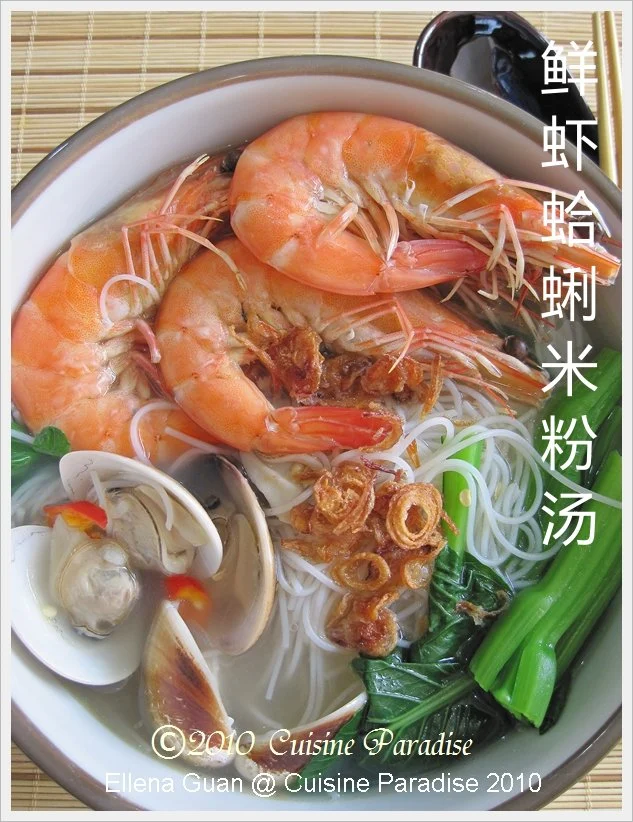
The star of this dish, besides the broth, is the variety of fresh seafood. A good Seafood Bee Hoon Soup typically features a medley of prawns, squid, fish slices, and sometimes mussels or clams. The key is to use the freshest possible ingredients, as their natural sweetness and brininess will significantly contribute to the overall taste profile.
Rice vermicelli, or ‘bee hoon’, is the noodle of choice. Its delicate texture absorbs the flavors of the broth beautifully, providing a satisfying chew without being too heavy. It’s important to prepare the bee hoon correctly, usually by soaking or briefly boiling, to ensure it’s tender but not mushy.
Let’s delve into the essential ingredients you’ll need to embark on this culinary journey. For the broth, chicken or seafood stock forms the base. You’ll also need aromatics like garlic, ginger, and scallions, which are crucial for building layers of flavor. For the seafood, consider plump prawns, cleaned and deveined; tender squid, scored for better texture; and firm white fish fillets, sliced thinly.
Other flavor enhancers for the broth can include dried shiitake mushrooms, which add an umami depth, and a touch of soy sauce or fish sauce for saltiness and complexity. Some recipes also call for a splash of Shaoxing wine to add fragrance and cut through any potential richness.
For the bee hoon, choose good quality dried rice vermicelli. The quantity will depend on how many servings you are preparing. It’s often recommended to prepare the bee hoon just before serving to maintain its ideal texture.
Preparing the seafood requires attention to detail. Prawns should be peeled and deveined, leaving the shells on some for added flavor in the broth if you’re making your own from scratch. Squid should be cleaned, and the body scored in a diamond pattern; this not only makes it more tender but also helps it absorb the broth. Fish should be sliced against the grain for tenderness.
The cooking process begins with building the aromatic base. Finely mince the garlic and ginger. Sauté them in a pot with a little oil until fragrant. This step is vital for releasing their pungent oils and setting the stage for the broth.
Next, add your chosen stock (chicken or seafood) to the pot. If you’re using dried shiitake mushrooms, add them now to rehydrate and infuse the broth with their earthy notes. Bring the stock to a gentle simmer.
While the broth simmers, prepare the bee hoon. Most dried bee hoon requires soaking in hot water for about 10-15 minutes until pliable, or a quick blanch in boiling water. Drain it well and set aside. It’s often divided into individual serving bowls before the hot broth is poured over.
Once the broth has simmered and developed its flavor, it’s time to introduce the seafood. Add the fish slices first, as they cook very quickly. Follow with the prawns and squid. Cook only until the seafood is just done – overcooked seafood becomes tough and rubbery.
The final seasoning of the broth is critical. Taste and adjust with soy sauce, fish sauce, or salt as needed. A pinch of white pepper can add a subtle warmth. If using, stir in a splash of Shaoxing wine just before serving for an aromatic lift.
To assemble the dish, place a portion of the prepared bee hoon into each serving bowl. Ladle the hot, flavorful broth generously over the noodles, ensuring all the seafood is distributed evenly among the bowls.
Garnish is key to elevating the presentation and adding fresh notes. Freshly chopped scallions (green parts) and cilantro (coriander leaves) are essential. A drizzle of chili oil or a side of sambal chili paste can be offered for those who enjoy a spicy kick.
For an even richer broth, consider making your own seafood stock. Simmer prawn shells, fish bones, and aromatics like celery, carrots, and onions in water for at least an hour. Strain thoroughly before using it as the base for your soup.
Another tip for enhancing flavor is to lightly pan-fry some of the seafood before adding it to the soup. This can add a subtle caramelized note and a more complex texture, especially for the prawns and squid.
When selecting fish, opt for firm white fish like sea bass, snapper, or cod. These varieties hold their shape well during cooking and have a mild flavor that complements the other seafood and broth.
For a vegetarian or vegan adaptation, you can omit the seafood and use a rich vegetable broth infused with mushrooms and other umami-rich ingredients. Tofu and more vegetables like bok choy, mushrooms, and bean sprouts can be added instead of seafood.
The consistency of the bee hoon is a matter of personal preference. Some prefer it slightly firmer, while others like it softer. Adjust the soaking or blanching time accordingly. Remember, it will continue to soften slightly in the hot broth.
A common mistake is overcrowding the pot when cooking the seafood. Cook in batches if necessary to ensure each piece cooks evenly and doesn’t release too much liquid, which can dilute the broth’s flavor.
The quality of your bee hoon matters. Look for brands that are made from pure rice flour for the best texture and flavor absorption.
Don’t underestimate the power of ginger. Slicing some ginger thinly and adding it directly to the simmering broth can impart a wonderful subtle spice and aroma.
For those who enjoy a creamy broth, a small amount of evaporated milk or coconut milk can be added towards the end of cooking. Be careful not to boil vigorously after adding dairy to prevent curdling.
Consider adding other types of seafood like scallops, clams, or even a piece of crab for an extra luxurious touch. Ensure they are cooked through but not overdone.
The broth can be prepared ahead of time and refrigerated. Reheat it gently before adding the seafood and assembling the soup. This is a great way to save time on busy evenings.
When serving, ensure each bowl has a good balance of noodles, broth, and seafood. The visual appeal is part of the dining experience.
Experiment with different types of mushrooms. Besides shiitake, enoki mushrooms or straw mushrooms can add interesting textures and flavors to the soup.
A squeeze of fresh lime or lemon juice just before serving can add a bright, zesty finish that cuts through the richness of the broth.
The art of making Seafood Bee Hoon Soup is a journey of layering flavors and textures. By understanding the role of each ingredient and employing careful cooking techniques, you can consistently create a dish that is both comforting and sophisticated.
This guide provides a solid framework, but feel free to adapt it to your personal taste. The beauty of home cooking lies in its flexibility. Enjoy the process and savor the delicious results of your culinary efforts.