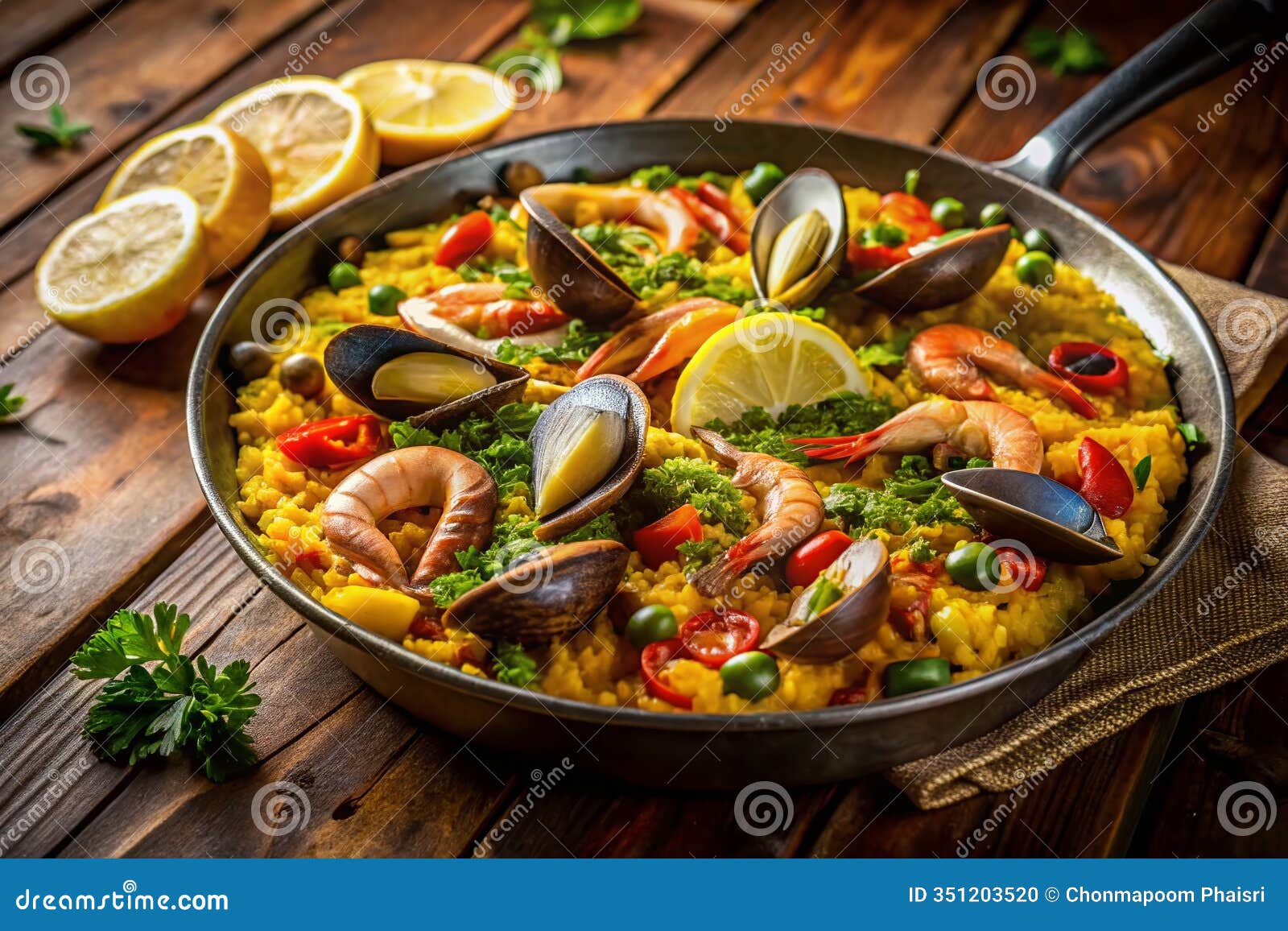

The allure of seafood yakisoba lies in its harmonious blend of fresh ocean flavors with the rich, tangy, and slightly sweet yakisoba sauce, all tossed with chewy noodles and crisp vegetables. It’s a symphony of textures and tastes that tantalizes the palate. This comprehensive guide will walk you through every step, from selecting the freshest ingredients to employing expert cooking techniques, ensuring you can replicate this culinary masterpiece with confidence and flair.
Before we delve into the intricate details, let’s understand what makes yakisoba distinct. It typically features ramen-style wheat noodles, stir-fried with bite-sized pieces of meat or seafood, and a medley of vegetables like cabbage, carrots, and onions. The magic, however, truly happens with the yakisoba sauce, which coats every strand of noodle and every piece of ingredient, creating that signature savory, umami-rich profile that defines the dish.
Why opt for seafood yakisoba? The inclusion of seafood introduces a delicate sweetness and a tender texture that complements the robust sauce beautifully. Unlike meat, seafood cooks quickly, making it an excellent choice for a fast yet flavorful meal. Furthermore, the natural brininess of ingredients like shrimp, squid, or scallops adds another layer of complexity, enhancing the overall savory experience without overpowering the other components.
The foundation of any great yakisoba begins with the noodles. Traditionally, steamed Chinese-style wheat noodles, often labeled as ‘yakisoba noodles,’ are used. These noodles have a distinct chewiness and are designed to absorb the sauce without becoming soggy. If specific yakisoba noodles are unavailable, fresh ramen noodles or even dried instant ramen noodles (without the seasoning packet) can be used, though they might require a quick boil and rinse before stir-frying to remove excess starch and prevent sticking.
When selecting your seafood, freshness is paramount. For a truly savory and delicious yakisoba, prioritize high-quality ingredients. Shrimp are a popular choice, offering a sweet and succulent bite. Opt for medium to large shrimp, peeled and deveined. Squid, with its slightly firmer texture and mild flavor, adds another dimension. Calamari rings or cleaned squid tubes, sliced into rings, work wonderfully. Scallops, particularly sea scallops, bring a luxurious sweetness and melt-in-your-mouth tenderness, making them an excellent addition for a more premium dish.
Other fantastic seafood options include fish cakes (kamaboko or chikuwa), which provide a unique texture and subtle fish flavor, or even small pieces of firm white fish like cod or snapper. The key is to choose seafood that cooks relatively quickly and won’t disintegrate during the stir-frying process. Always ensure your seafood is fresh, either purchased fresh from a reputable fishmonger or properly thawed if frozen.
Vegetables contribute not only to the nutritional value but also to the texture and visual appeal of yakisoba. The standard trio includes cabbage, carrots, and onions. Shredded cabbage provides a delightful crunch and sweetness that balances the savory sauce. Carrots, julienned or thinly sliced, add a touch of color and earthy sweetness. Onions, sliced thinly, caramelize slightly during cooking, contributing to the overall depth of flavor.
Beyond the core vegetables, feel free to experiment. Bean sprouts add an extra layer of crunch and freshness. Bell peppers (red or green) can introduce a mild sweetness and vibrant color. Mushrooms, such as shiitake or oyster mushrooms, offer an umami boost. Ensure all vegetables are cut into uniform, bite-sized pieces to ensure even cooking and easy eating.
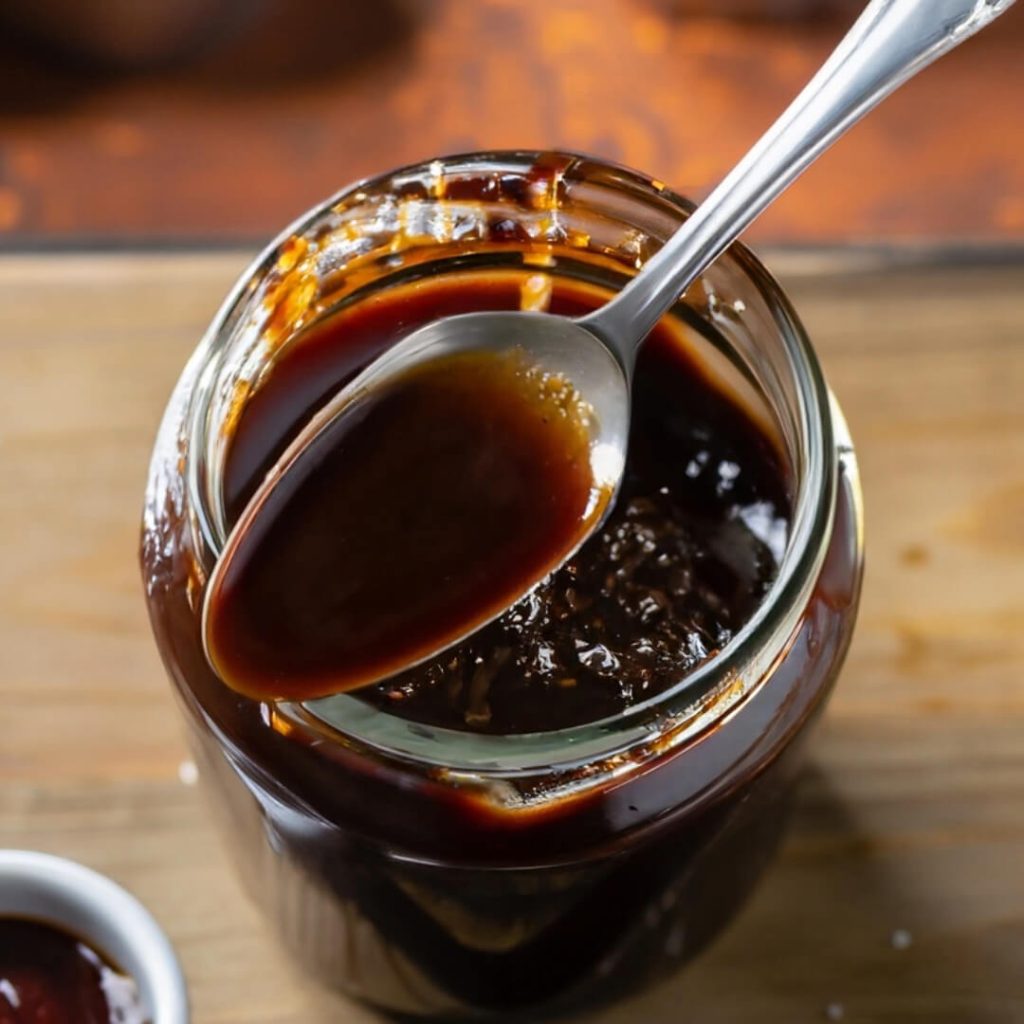
The yakisoba sauce is the heart and soul of the dish. While pre-made yakisoba sauces are readily available, crafting your own allows for customization and often yields a more authentic and savory flavor profile. A typical homemade yakisoba sauce combines:
- Worcestershire sauce: The primary base, providing a tangy, complex flavor.
- Soy sauce: For umami and saltiness.
- Oyster sauce: Adds a beautiful glaze, depth, and a touch of sweetness and savoriness.
- Ketchup: Contributes sweetness and a slight tang.
- Sugar: Balances the acidity and saltiness.
- Mirin or Sake (optional): For a subtle sweetness and aromatic depth.
- Grated ginger and garlic: For aromatic pungency and warmth.
Adjust the ratios to suit your preference for sweetness, tang, and saltiness. A truly savory sauce strikes a perfect balance.
Let’s prepare the ingredients. Mise en place is crucial for stir-fries, as the cooking process is rapid. Slice your cabbage and onions thinly. Julienne the carrots. If using bell peppers, slice them into thin strips. Prepare your chosen seafood: peel and devein shrimp, slice squid into rings, pat scallops dry. Cook your yakisoba noodles according to package directions; if using fresh noodles, a quick blanch and rinse under cold water is usually sufficient to separate them and remove excess starch. Drain them well.
Now, for the cooking process. Heat a large wok or a heavy-bottomed skillet over high heat. High heat is essential for stir-frying to achieve that desirable ‘wok hei’ – a smoky, charred flavor. Add a tablespoon of neutral oil (like vegetable or canola oil). Once the oil is shimmering, add your harder vegetables first, such as carrots and onions. Stir-fry for 1-2 minutes until they start to soften slightly.
Next, add the cabbage and any other vegetables like bell peppers. Continue to stir-fry for another 2-3 minutes until the vegetables are crisp-tender. Remove the vegetables from the wok and set them aside. This prevents overcooking and ensures they retain their texture.
Return the wok to high heat and add a little more oil if needed. Add your seafood. For shrimp and scallops, cook for 1-2 minutes per side until they turn opaque and are just cooked through. For squid, stir-fry for no more than 1-2 minutes, as overcooking will make it rubbery. Remove the seafood from the wok and set it aside with the vegetables. Cooking seafood separately ensures it’s not overcooked and prevents the wok from becoming overcrowded.
With the wok still hot, add the prepared yakisoba noodles. If they are clumpy, use tongs or chopsticks to separate them. Stir-fry the noodles for 1-2 minutes, allowing them to heat through and develop a slight char. This adds another layer of flavor and texture to the dish.
Pour your homemade yakisoba sauce evenly over the noodles. Using tongs, toss the noodles vigorously to ensure every strand is thoroughly coated in the rich, savory sauce. Continue to stir-fry for another 1-2 minutes, allowing the sauce to caramelize slightly and cling to the noodles.
Finally, return the cooked vegetables and seafood to the wok with the noodles. Toss everything together gently but thoroughly, ensuring all ingredients are well combined and heated through. Stir-fry for just one more minute to meld the flavors. Be careful not to overmix or overcook the seafood at this stage.
Serve your savory seafood yakisoba immediately while it’s hot and fresh. Garnish is an integral part of the yakisoba experience. Traditional garnishes include:
- Beni Shoga: Pickled red ginger, offering a sharp, tangy counterpoint to the rich flavors.
- Katsuobushi: Dried bonito flakes, which dance and curl from the heat, adding a delicate smoky, umami flavor.
- Aonori: Dried green seaweed flakes, for a hint of oceanic flavor and vibrant color.
- Japanese Mayonnaise: Often drizzled on top for an extra creamy, rich touch.
A sprinkle of chopped green onions or sesame seeds can also enhance the presentation and taste.
Achieving the perfect savory seafood yakisoba involves a few crucial tips. First, ensure all your ingredients are prepped and ready before you start cooking. Stir-frying is a fast process, and you won’t have time to chop vegetables mid-cook. Second, use high heat throughout the stir-frying process. This creates the desired texture and flavor, preventing ingredients from steaming instead of frying.
Third, do not overcrowd your wok or pan. Cook in batches if necessary, especially the seafood and vegetables, to maintain high heat and ensure proper caramelization. Overcrowding leads to steaming, resulting in soggy ingredients. Fourth, taste your sauce as you make it. Adjust the balance of sweet, salty, and tangy to your personal preference. A well-balanced sauce is key to a truly savory yakisoba.
Fifth, don’t overcook the noodles. They should be al dente before stir-frying, as they will continue to cook in the wok. Overcooked noodles will become mushy. Sixth, consider the type of oil. A neutral oil with a high smoke point is ideal. Olive oil, with its strong flavor, is generally not recommended for yakisoba.
For those looking to customize, the possibilities are endless. Experiment with different seafood combinations; try adding mussels or clams for a richer broth-like quality (though this deviates slightly from traditional stir-fry). You can also add other vegetables like snap peas, bamboo shoots, or water chestnuts for varied textures.
To introduce a spicy kick, add a dash of sriracha or shichimi togarashi (Japanese seven-spice blend) to your sauce or as a garnish. For an extra layer of richness, a fried egg placed on top of the finished yakisoba is a popular addition, with its runny yolk mingling with the savory noodles.
Beyond its incredible taste, seafood yakisoba offers notable health benefits. Seafood is an excellent source of lean protein, essential omega-3 fatty acids, and various vitamins and minerals. The abundance of vegetables provides dietary fiber, vitamins, and antioxidants. While yakisoba is a flavorful indulgence, it can be a relatively balanced meal when prepared with fresh ingredients and mindful portion sizes.
Yakisoba is a wonderfully complete meal on its own, but it can also be served alongside other Japanese dishes. A light miso soup, a simple cucumber salad, or even some edamame can complement the rich flavors of the yakisoba beautifully. For beverages, green tea or a crisp Japanese beer would be excellent choices.
If you happen to have leftovers, store them in an airtight container in the refrigerator for up to 2-3 days. Reheat gently in a microwave or a skillet over medium heat, adding a splash of water or a touch more yakisoba sauce to revive the flavors and moisture. While delicious fresh, yakisoba can still be enjoyable as a next-day meal.
In Japan, yakisoba is more than just food; it’s a cultural experience. It’s synonymous with summer festivals (matsuri) where vendors cook it on large griddles, its enticing aroma wafting through the air. It’s a symbol of comfort food and communal enjoyment, a dish that brings people together. Recreating this dish at home allows you to partake in a small piece of that vibrant culture.
Crafting savory seafood yakisoba is a rewarding culinary journey. From the careful selection of fresh ingredients to the precise execution of stir-frying techniques, each step contributes to a dish that is bursting with flavor and texture. By following this comprehensive guide, you are now equipped with the knowledge and confidence to create a truly authentic and irresistibly ‘gurih’ seafood yakisoba that will impress family and friends alike. So, gather your ingredients, fire up your wok, and prepare to embark on a delicious adventure!
Remember, the beauty of cooking lies in experimentation. Don’t be afraid to adjust seasonings, add your favorite vegetables, or try different types of seafood. The goal is to create a dish that you genuinely enjoy, making this savory seafood yakisoba truly your own signature creation. Happy cooking!