
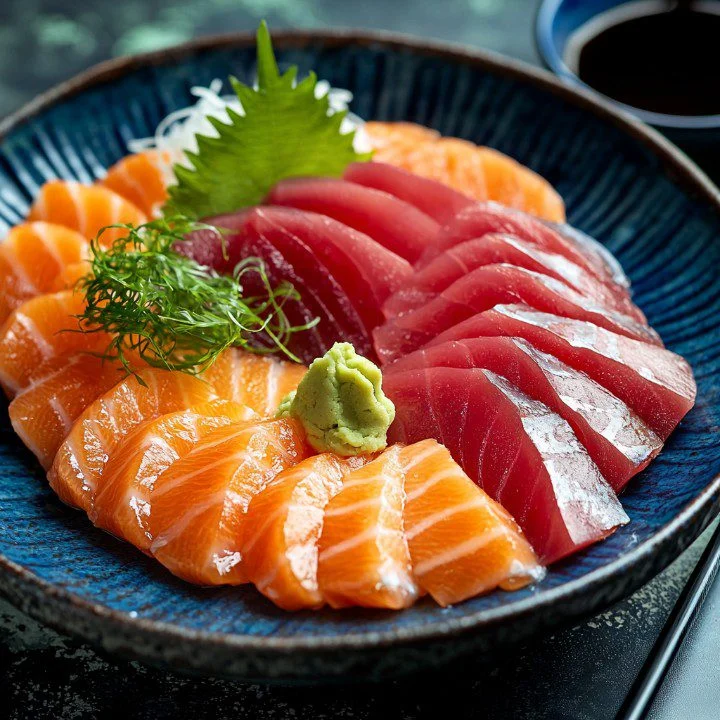

The journey to exceptional sashimi begins with the selection of the highest quality ingredients. Freshness is paramount, as the raw fish will be the star of the show. Understanding the characteristics of tuna and salmon, and how to source the best cuts, is essential for a truly remarkable culinary experience.
For tuna, the ideal choice is often toro, the fatty belly cut, prized for its rich flavor and melt-in-your-mouth texture. Other excellent options include akami (lean red meat) and chu-toro (medium fatty tuna). The specific type of tuna, such as bluefin or yellowfin, will influence the flavor profile. Regardless of the type, the fish should exhibit a vibrant color, a fresh, clean smell, and a firm texture.
Salmon, on the other hand, should display a bright orange or reddish hue, with visible marbling of fat. The fish should be firm to the touch and free from any off-putting odors. Scottish salmon, Norwegian salmon, and King salmon are popular choices, each with its own unique flavor nuances. Ensure the salmon is sushi-grade, meaning it has been treated to eliminate parasites and is safe for raw consumption.
Sourcing your fish from a reputable fishmonger or supplier is crucial. They should be able to provide information on the origin of the fish, the date it was caught, and how it has been handled and stored. Ask about their sushi-grade certifications and their handling practices to ensure the highest standards of safety and quality.
Once you’ve secured your prime cuts of tuna and salmon, the next step is proper handling and storage. The fish should be kept chilled at a consistent temperature, ideally between 30-38°F (-1 to 3°C). This helps to maintain its freshness and prevent bacterial growth.
When storing the fish, wrap it tightly in plastic wrap or place it in an airtight container to prevent it from drying out and absorbing odors. It’s best to consume the fish within a day or two of purchase to ensure optimal flavor and texture.
Before you begin slicing, ensure you have the right tools. A sharp, dedicated sashimi knife is essential. A yanagiba knife, a long, single-beveled blade, is the traditional choice for slicing sashimi. The single bevel allows for clean, precise cuts, minimizing the damage to the delicate fish fibers.
In addition to the knife, you’ll need a cutting board. Choose a wooden cutting board, as they are gentler on knife blades than glass or plastic. Ensure the cutting board is clean and free from any residual odors.
The art of slicing sashimi is all about precision and technique. The goal is to achieve thin, even slices that showcase the fish’s natural beauty and texture. The thickness of the slices will depend on the type of fish and the desired presentation. Generally, sashimi slices are between 1/8 to 1/4 inch thick.
For tuna, start by removing any skin or bones. Place the tuna on the cutting board and, using the yanagiba knife, begin slicing at a slight angle, using a drawing motion. This will help to create clean cuts. The angle of the knife will influence the shape of the slices; a steeper angle will result in wider slices, while a shallower angle will create thinner slices.
When slicing salmon, remove the skin and any pin bones. Place the salmon skin-side down on the cutting board. Similar to tuna, slice at a slight angle, using a drawing motion. The direction of the slices should be against the grain of the fish for optimal texture.
Mastering the drawing motion is key to achieving clean cuts. Instead of pressing down on the knife, use a smooth, continuous slicing motion, drawing the blade across the fish. This technique minimizes the tearing of the delicate flesh.
The presentation of sashimi is just as important as the quality of the fish and the precision of the slicing. The arrangement of the slices should be aesthetically pleasing, highlighting the natural beauty of the fish and inviting the diner to enjoy the experience.
Consider the color and texture of the fish when arranging the slices. Contrast is your friend. For example, you could arrange the red tuna alongside the orange salmon, creating a visually appealing contrast. Vary the shape and arrangement of the slices to add visual interest.
Garnish plays a crucial role in enhancing the visual appeal of the sashimi. Traditional garnishes include daikon radish, shiso leaves, and wasabi. These garnishes not only add visual interest but also complement the flavors of the fish.
Daikon radish, thinly sliced or grated, is a classic accompaniment. It provides a refreshing crunch and helps to cleanse the palate. Shiso leaves, with their unique flavor and aroma, add a touch of elegance and complexity. Wasabi, the fiery green paste, adds a spicy kick and enhances the flavors of the fish.
Beyond traditional garnishes, you can get creative with your presentation. Consider using edible flowers, microgreens, or thinly sliced vegetables to add color and texture. The goal is to create a visually stunning dish that tantalizes the senses.
The choice of plating also contributes to the overall aesthetic. Consider using a dark-colored plate to provide a contrast with the vibrant colors of the fish. A rectangular or oval plate is a popular choice for sashimi.
Arranging the sashimi in a visually appealing manner can involve various techniques. You can arrange the slices in a fan shape, a circular pattern, or a more abstract design. The key is to create a balanced composition that is both beautiful and inviting.
Consider the order in which you present the sashimi. Traditionally, the leaner cuts of fish are served first, followed by the fattier cuts. This allows the diner to gradually experience the increasing richness of the flavors.
Once you have plated the sashimi, add the garnishes. Arrange the daikon radish, shiso leaves, and wasabi strategically to complement the arrangement of the fish. A small dish of soy sauce and a separate dish for dipping are also essential.
Beyond the core ingredients and techniques, there are several variations and modern interpretations of sashimi. These variations can enhance the dining experience and showcase the versatility of this classic dish.
One popular variation is to add a touch of acidity or brightness to the sashimi. This can be achieved by marinating the fish in a citrus-based dressing, such as yuzu or ponzu. The acidity helps to balance the richness of the fish and adds a refreshing element.
Another variation involves adding texture and flavor with toppings. Thinly sliced scallions, sesame seeds, and toasted seaweed can add a layer of complexity to the dish. Consider experimenting with different types of sea salt to enhance the flavors.
Fusion sashimi combines traditional techniques with modern culinary influences. This could involve incorporating ingredients from different cuisines, such as avocado, mango, or chili oil. The possibilities are endless, and the key is to experiment and find flavor combinations that appeal to your palate.
Pairing sashimi with the right beverages can elevate the dining experience. Sake, with its clean and delicate flavors, is a classic pairing. The subtle sweetness and umami notes of sake complement the flavors of the fish without overpowering them.
Dry white wines, such as Sauvignon Blanc or Pinot Grigio, are also excellent choices. Their crisp acidity and refreshing flavors provide a counterpoint to the richness of the fish. The key is to choose a wine that doesn’t overpower the delicate flavors of the sashimi.
For those who prefer beer, a light and crisp lager or pilsner can be a refreshing accompaniment. The subtle bitterness of the beer can cut through the richness of the fish and cleanse the palate.
Beyond the fish and the presentation, the overall dining experience contributes to the enjoyment of sashimi. The atmosphere, the company, and the service all play a role in creating a memorable meal.
Consider the ambiance of your dining space. A calm and serene environment, with soft lighting and minimalist decor, can enhance the appreciation of the delicate flavors and textures of the sashimi.
Sharing the experience with friends and family can make the meal even more enjoyable. The act of sharing food and conversation creates a sense of connection and enhances the overall dining experience.
Pay attention to the details, such as the quality of the tableware and the presentation of the other dishes. These details contribute to the overall sense of elegance and sophistication.
Serving sashimi at home is a rewarding experience, allowing you to control the quality of the ingredients and the presentation. With practice, you can create restaurant-quality sashimi in the comfort of your own kitchen.
Start by sourcing the freshest fish possible. Don’t be afraid to ask your fishmonger for advice on the best cuts and how to handle them. Invest in a good quality sashimi knife, and practice your slicing technique.
Experiment with different garnishes and presentations. Don’t be afraid to get creative and develop your own signature style. Most importantly, enjoy the process and the delicious results.
Sashimi is more than just raw fish; it’s an art form. It’s a testament to the beauty of simplicity and the power of fresh, high-quality ingredients. By mastering the techniques of sourcing, slicing, and presenting sashimi, you can elevate your culinary skills and create a truly unforgettable dining experience.
Remember that the key to great sashimi is respecting the ingredients. Handle the fish with care, and allow its natural flavors and textures to shine. With patience, practice, and a passion for culinary excellence, you can master the art of sashimi and delight your guests with your creations.