
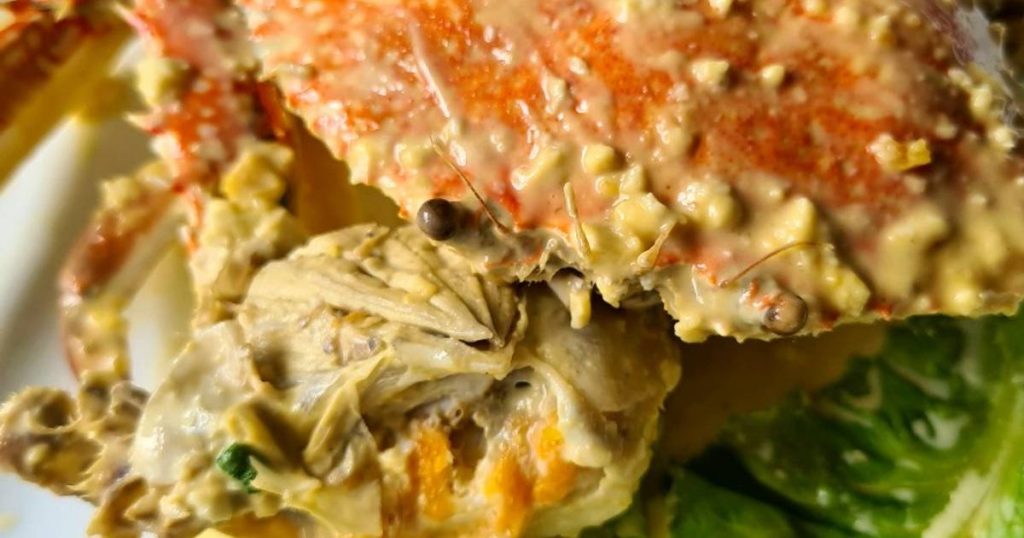

While often perceived as a dish best left to professional chefs in bustling Asian restaurants, mastering Salted Egg Crab in your own kitchen is more achievable than you might think. With the right ingredients, a few key techniques, and a dash of patience, you can recreate this exquisite meal, impressing your family and friends with your culinary prowess.
This comprehensive guide will take you through every step of the process, from selecting the freshest crab to achieving that perfect, luscious salted egg sauce. We’ll demystify the ingredients, break down the cooking methods, and offer tips to ensure your Salted Egg Crab is a resounding success.
Choosing Your Crab: The Foundation of Flavor
The quality of your crab is paramount. For the best results, opt for fresh, live crabs. Mud crabs (Scylla serrata) are a popular choice due to their meaty texture and sweet flavor, making them ideal for absorbing the rich salted egg sauce. Look for crabs that are lively and heavy for their size, indicating they are full of meat.
If live crabs are unavailable, frozen crab is an acceptable alternative. Ensure they are properly thawed before cooking. Crab clusters or sections can also be used, but whole crabs often yield a more satisfying presentation and a better meat-to-shell ratio for sauce adherence.
Understanding the Star Ingredient: Salted Duck Egg Yolks
The distinctive flavor profile of this dish comes from salted duck egg yolks. These are typically available in Asian markets, either pre-salted or vacuum-sealed. The curing process gives the yolks a firm texture and an intense, savory, and slightly briny taste, which is crucial for the sauce.
If you can only find whole salted eggs, carefully separate the yolks from the whites. The whites can be used in other dishes or discarded. For the best sauce consistency and flavor, it’s recommended to steam the salted egg yolks for about 10-15 minutes until firm, then mash them into a fine paste.
Essential Aromatics and Flavor Enhancers
Beyond the star ingredients, a supporting cast of aromatics and seasonings elevates the dish. Fresh garlic and shallots form the aromatic base, providing depth and pungency. Curry leaves are a non-negotiable element, imparting a unique herbaceous fragrance that is characteristic of many Southeast Asian stir-fries.
Chili padi (Thai bird’s eye chilies) add a welcome kick of heat, adjustable to your preference. A touch of sweetness is often introduced through sugar, balancing the saltiness of the egg yolks. Some recipes also incorporate a splash of milk or evaporated milk to create a creamier sauce, while others rely solely on the richness of the egg yolks and butter.
Preparing the Crab: Cleaning and Cutting
Properly cleaning the crab is essential for both hygiene and optimal flavor absorption. Start by scrubbing the shell thoroughly under running water. Remove the apron (the triangular flap on the underside), then lift the carapace and remove the feathery gills and the spongy ‘dead man’s fingers’ – these are inedible and can impart an unpleasant taste.
Rinse the crab thoroughly. Depending on your preference and the size of the crab, you can cook it whole or cut it into serving portions. Cutting the crab into sections makes it easier to eat and allows the sauce to penetrate the meat more effectively. Use a heavy cleaver or a sturdy knife for this task, cutting through the shell and body.
The Cooking Process: A Step-by-Step Approach
There are several methods to cook the crab, but a common approach involves steaming or boiling the crab pieces first until they are almost cooked through. This ensures the meat is tender and succulent.
Step 1: Sautéing the Aromatics
In a wok or a large, deep skillet, heat a generous amount of oil or butter over medium-high heat. Add the minced garlic and shallots and sauté until fragrant and lightly golden. This process builds the foundational flavor of the sauce.
Step 2: Introducing the Salted Egg Yolk Paste
Add the mashed salted egg yolk paste to the wok. Stir continuously, breaking up any clumps, and cook for a few minutes until the paste starts to bubble and become fragrant. This step is crucial for developing the rich, savory flavor of the salted egg sauce.
Step 3: Adding the Curry Leaves and Chilies
Toss in the curry leaves and chopped chili padi. Stir-fry for another minute until the curry leaves become slightly crisp and release their aroma. The combination of salted egg, garlic, shallots, curry leaves, and chili creates an intoxicating fragrance.
Step 4: Incorporating Liquid and Seasoning
Pour in a small amount of water, chicken broth, or even a splash of milk or evaporated milk if you desire a creamier sauce. Stir well to combine with the salted egg mixture. Add sugar to taste, balancing the saltiness. Season with a pinch of salt if needed, but be mindful of the inherent saltiness of the egg yolks.
Step 5: Adding the Crab and Stir-Frying
Add the pre-cooked crab pieces to the wok. Gently toss and stir-fry, ensuring each piece is thoroughly coated with the luscious salted egg sauce. Continue to cook for a few more minutes until the crab is fully cooked and the sauce has thickened to your desired consistency.
Step 6: Finishing Touches
Some chefs like to add a knob of butter at the end for an extra glossy finish and richer flavor. Stir until the butter is melted and incorporated into the sauce. Serve immediately while hot.
Tips for the Perfect Salted Egg Sauce Consistency
Achieving the right sauce consistency is key. If the sauce is too thick, add a little more liquid (water, broth, or milk) a tablespoon at a time until it reaches your desired consistency. If it’s too thin, you can let it simmer gently for a longer period to reduce and thicken, or sometimes, a small amount of cornstarch slurry (cornstarch mixed with water) can be used as a last resort, though this is less traditional.
The sauce should be thick enough to cling to the crab meat but still have a flowing, luscious quality. It should not be watery or overly clumpy.
Serving Suggestions: What to Pair with Your Salted Egg Crab
Salted Egg Crab is best enjoyed piping hot. Serve it with plenty of steamed white rice to soak up every last drop of the glorious sauce. Mantou buns, either steamed or fried, are also a fantastic accompaniment, perfect for dipping into the rich sauce.
A side of blanched greens, such as bok choy or broccoli, can provide a refreshing counterpoint to the richness of the crab. A simple cucumber salad or pickled vegetables can also offer a palate-cleansing contrast.
Variations and Customizations
While classic Salted Egg Crab is a masterpiece on its own, feel free to experiment. Some variations include adding a touch of oyster sauce for extra umami, a dash of white pepper for a subtle spicy note, or even a sprinkle of cheese for a fusion twist (though purists might object!).
The level of spice can be adjusted by increasing or decreasing the number of chili padi. For those who prefer a milder flavor, you can remove the seeds from the chilies before chopping them.
Troubleshooting Common Issues
Too Salty? If your sauce turns out too salty, you can try to balance it with more sugar or a splash of milk. Adding more crab can also help dilute the saltiness. In extreme cases, you might need to start the sauce again with less salted egg yolk.
Too Dry? If the sauce seems dry or not enough, it might be due to insufficient liquid or over-evaporation. Add more liquid and gently stir to create a saucier consistency.
Crab Not Cooked Through? Ensure you pre-cook the crab sufficiently before adding it to the sauce. If it’s added raw, it will need longer cooking time in the sauce, which could lead to the sauce breaking down.
The Importance of Freshness
As with any seafood dish, freshness is key. Using fresh crab not only ensures a better taste and texture but also minimizes the risk of any off-flavors. When buying salted duck eggs, check for freshness and ensure they are properly sealed.
A Culinary Adventure Worth Taking
Creating Salted Egg Crab at home is a rewarding culinary adventure. It’s a dish that brings people together, sparking conversations and creating memorable dining experiences. The process, from selecting the ingredients to the final stir-fry, is as enjoyable as the eating itself.
Don’t be intimidated by the ingredient list or the cooking process. Break it down into manageable steps, follow this guide, and you’ll be well on your way to producing a restaurant-quality Salted Egg Crab that will undoubtedly impress. Embrace the process, savor the aromas, and most importantly, enjoy the delicious results!
This dish represents more than just food; it’s a celebration of flavors, a testament to the richness of Asian cuisine, and an opportunity to share a truly special meal with loved ones. So, gather your ingredients, put on your apron, and get ready to embark on your own delicious journey into the world of Salted Egg Crab.