
The Cultural Significance of Steamed Fish
In Chinese culture, a whole steamed fish is symbolic of abundance and prosperity. The word for fish, ‘Yu’, sounds like the word for surplus, making this dish a mandatory inclusion during Lunar New Year celebrations and weddings. However, beyond the symbolism, the culinary technique represents the pursuit of Xian (umami/freshness). The goal is to taste the sea, enhanced but not overpowered by the earthiness of ginger and the pungency of garlic.
For the home cook, mastering this recipe is a rite of passage. It teaches temperature control, knife skills, and the delicate balance of seasoning. While it is often associated with expensive seafood restaurants, recreating ‘Resep Ikan Kerapu Tim Jahe Bawang Putih’ at home is surprisingly accessible if you understand the fundamental principles outlined in this guide.
Selecting the Perfect Grouper (Ikan Kerapu)
The success of this dish is determined before you even step into the kitchen. It begins at the fishmonger. Grouper is the preferred choice for this style of steaming due to its firm yet tender white flesh and its high gelatin content, particularly around the skin and head. When steamed, the flesh flakes beautifully without becoming mushy, and the skin provides a delightful, gelatinous contrast.
When selecting your fish, look for clear, bulging eyes. Cloudy or sunken eyes are a sign of age. The gills should be a vibrant red, not dull brown or gray. The flesh must be firm to the touch; if you press it with your finger, it should spring back immediately. Finally, smell the fish. It should smell like the ocean—clean and briny—never fishy or ammonia-like. For the best results, purchase a live grouper from a tank if available, or one that has been kept strictly on ice.
The Aromatics: Ginger, Scallions, and Garlic
The ‘Trinity’ of Chinese steaming usually involves ginger, scallions (spring onions), and coriander. However, this specific variation—Resep Ikan Kerapu Tim Jahe Bawang Putih—places a heavier emphasis on the interplay between ginger and garlic. These aromatics serve two purposes: they neutralize any potential fishiness and they infuse the meat with a warming fragrance.
Ginger: You will need a significant amount of ginger. It should be peeled and julienned into fine, needle-like strips. Old ginger is preferred for its spicy kick and intense aroma, while young ginger is milder and more tender. For steaming, old ginger is generally superior as it stands up to the heat.
Garlic: This recipe calls for a generous amount of garlic. A professional tip is to use garlic in two forms: minced raw garlic added during the steaming or sauce preparation, and crispy fried garlic sprinkled on top for texture. The contrast between the sharp bite of raw garlic and the nutty depth of fried garlic adds complexity to the dish.
Scallions: These are essential for both the steaming bed and the garnish. You will separate the white parts from the green parts. The white stalks are robust and great for lifting the fish off the plate, while the green tops are shredded for the final garnish.
The Secret Sauce: It’s Not Just Soy Sauce
A common misconception is that the sauce poured over the fish is merely straight soy sauce from the bottle. If you do this, the result will be overly salty and one-dimensional. The restaurant-style sauce is a compound mixture, often referred to as ‘Seasoned Soy Sauce for Seafood’.
To make this at home, you must dilute premium light soy sauce with a bit of water or unsalted chicken stock. It is then sweetened slightly with rock sugar or regular sugar to balance the salinity. Some chefs infuse this mixture by simmering it briefly with coriander roots, onion scraps, and white pepper. The result is a savory, sweet, and umami-rich liquid that complements rather than dominates the fish.
Preparation: Cleaning and Scoring
Proper cleaning is non-negotiable. After scaling and gutting the grouper, ensure you remove all traces of blood from the spine, as this is the primary source of ‘fishy’ odors. Scrub the belly cavity thoroughly. Pat the fish completely dry with paper towels; excess moisture can lead to a waterlogged final product.
Scoring the fish helps it cook evenly and allows the flavors to penetrate the thickest parts of the meat. Make two or three diagonal slashes on each side of the fish, cutting down to the bone. If the fish is particularly large or thick, you can butterfly it along the belly so it lays flat on the plate, reducing the cooking time significantly.
The Steaming Setup
You do not need a fancy bamboo steamer to cook this dish, although it helps. A wok with a lid and a steaming rack, or a large pot with a trivet, works perfectly. The most critical rule of steaming is: Wait for the water to boil fully before placing the fish inside. Putting the fish in while the water is cold will result in a slow cook that dries out the fish and makes it rubbery.
Prepare a heat-proof plate. Place large segments of spring onions (the white parts) and thick slices of ginger on the plate to create a ‘bed’. Lay the grouper on top of this bed. This technique lifts the fish, allowing steam to circulate underneath it for even cooking, and prevents the fish from stewing in its own juices.
The Cooking Process: Timing is Everything
How long should you steam the grouper? This depends entirely on the size. A standard 600g to 800g fish typically takes between 8 to 10 minutes over high heat. Do not open the lid to peek, as this releases the steam and drops the temperature. Trust the timer.
To check for doneness, insert a chopstick or a butter knife into the thickest part of the flesh near the head. If it slides through easily to the bone without resistance, the fish is done. If the flesh sticks to the bone, it needs another minute or two. Be careful not to overcook it, as grouper can become tough very quickly.
Post-Steam Handling: The Liquid
Once the fish is cooked, remove the plate from the steamer carefully. You will notice a pool of cloudy liquid on the plate. This is a point of contention among chefs. Purists often discard this liquid because it can contain the fishy proteins released during cooking. Discarding it ensures a cleaner taste. However, some home cooks prefer to keep it for nutrition.
For the most professional result (as per the Resep Ikan Kerapu Tim Jahe Bawang Putih Chinese Style standard), carefully pour off and discard about 80% of this steaming liquid. Remove the soggy ginger and scallions from underneath the fish and discard them as well—they have done their job.
The Final Assembly
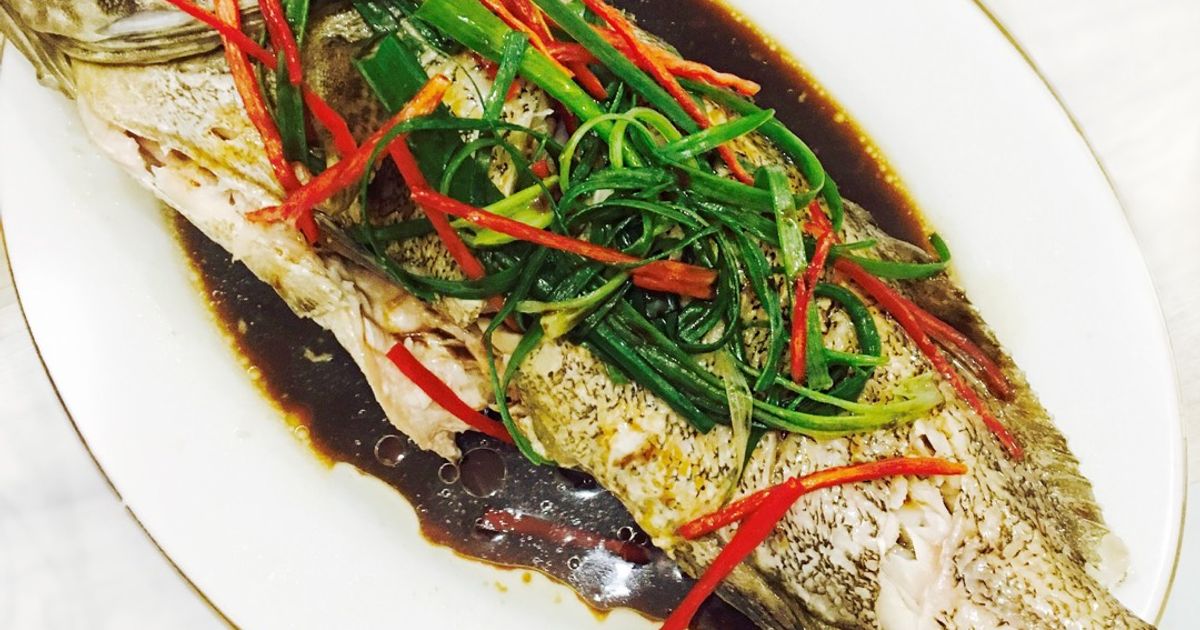
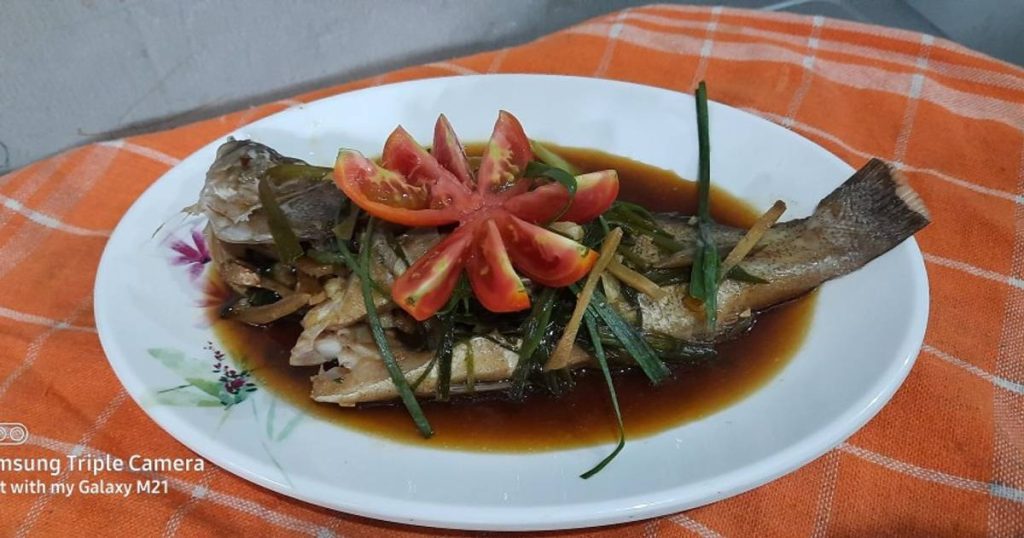
Now, transfer the fish to a clean serving platter if you wish, or keep it on the steaming plate if it’s presentable. Spread your fresh julienned ginger and the shredded green parts of the scallions generously along the length of the fish. If you are using minced garlic, place it on top now as well.
Pour your prepared, warm soy sauce mixture around the fish—not directly over the skin, to keep the garnish looking fresh. The sauce should pool around the fish, allowing the diners to dip the meat into it.
The Climax: The Hot Oil Flash
This is the step that defines the dish. Heat about 3-4 tablespoons of neutral cooking oil (canola, vegetable, or peanut oil) in a small pan until it is smoking hot. You want it shimmering and on the verge of smoking.
Carefully pour the smoking hot oil directly over the pile of ginger, scallions, and garlic sitting on top of the fish. You should hear a loud, satisfying sizzle. This technique, known as ‘flashing’ the aromatics, instantly cooks the raw herbs, releasing their essential oils and fragrances into the fish and the sauce below. It adds a glossy sheen and a rich mouthfeel to the dish.
Common Mistakes to Avoid
1. Over-seasoning the fish before steaming: Do not salt the fish heavily before steaming, as this draws out moisture and toughens the meat. The soy sauce added at the end provides sufficient salinity.
2. Using cold fish: If the fish is straight out of the fridge, the outside will cook faster than the inside. Let the fish sit at room temperature for 15 minutes before steaming.
3. Using sesame oil for frying: Do not use sesame oil for the hot oil flash; it burns at high temperatures and becomes bitter. Use a neutral oil, then drizzle a few drops of sesame oil at the very end for aroma.
Serving Suggestions
Steamed Grouper is best served immediately. It waits for no one. Serve it with steaming hot jasmine rice, which acts as the perfect vehicle for the savory soy sauce and sweet fish flesh. A side of stir-fried leafy greens, such as Bok Choy or Kai-Lan with oyster sauce, completes the meal, providing a crunchy contrast to the soft fish.
Nutritional Benefits
Beyond its incredible taste, this dish is highly nutritious. Grouper is a lean source of high-quality protein and contains essential omega-3 fatty acids. The steaming method requires no added fat during the cooking process (aside from the finishing oil), making it a heart-healthy option. Ginger and garlic are also renowned for their anti-inflammatory and immune-boosting properties.
Conclusion
Mastering Resep Ikan Kerapu Tim Jahe Bawang Putih Chinese Style is about respecting the ingredients. It is a dish that rewards patience and attention to detail. The transformation of a raw fish into a glistening, aromatic delight using nothing but steam and hot oil is a magical culinary experience.
By following the steps outlined in this guide—choosing the freshest catch, managing your heat, and perfecting the hot oil finish—you can bring the sophisticated flavors of a high-end Chinese banquet into your own dining room. Whether for a festive occasion or a special weekend dinner, this dish promises to impress both the eyes and the palate.