
The heart of this dish lies in the star ingredient: the red snapper head. Choosing the freshest, highest-quality fish head is paramount to achieving the authentic taste. Look for plump, firm flesh, clear eyes, and bright red gills. A well-portioned head, often from a large fish, offers a generous amount of tender, gelatinous meat that is incredibly flavorful and distinct from the fish’s fillet. The unique texture and richness of the snapper head are what elevate this gulai from ordinary to extraordinary.
Beyond the fish head, the soul of the gulai is its complex spice paste, known as ‘bumbu’. This intricate blend of aromatics forms the foundation of the curry’s depth and character. The typical ingredients include shallots, garlic, ginger, galangal, turmeric, chilies (for heat and color), and sometimes candlenuts (kemiri) for thickening and richness. Each ingredient plays a vital role, contributing its unique aroma and flavor profile to the symphony of tastes.
Shallots and garlic are the ubiquitous building blocks of many Indonesian dishes, providing a pungent and savory base. Ginger adds a warm, zesty kick, while galangal, a close relative of ginger, offers a more peppery and slightly citrusy note. Turmeric, indispensable for its vibrant golden hue and earthy undertones, also imparts a subtle bitterness that balances the sweetness of the coconut milk.
The type and quantity of chilies used will determine the heat level of your gulai. For a milder curry, opt for red chilies with fewer seeds. For a spicier experience, incorporate bird’s eye chilies (cabe rawit) or a combination of both. Freshness is key for all these aromatics; using dried spices will result in a less vibrant and nuanced flavor profile.
Candlenuts, or kemiri, are a traditional thickener in Indonesian cooking. When ground into a paste, they release a milky substance that lends a creamy texture and a subtle nutty flavor to the gulai. If candlenuts are unavailable, you can substitute with macadamia nuts or even a small amount of blanched almonds, though the flavor profile will be slightly altered.
Lemongrass, kaffir lime leaves, and turmeric leaves (daun kunyit) are essential aromatics that infuse the gulai with their distinctive fragrance. Lemongrass, bruised to release its oils, adds a subtle citrusy and floral note. Kaffir lime leaves, torn or bruised, contribute a bright, refreshing aroma, while turmeric leaves impart a unique herbal essence that is characteristic of many Sumatran gulai dishes.
To prepare the spice paste, all the aromatic ingredients are traditionally ground together using a mortar and pestle (ulekan dan cobek). This manual process breaks down the ingredients thoroughly, releasing their essential oils and creating a paste with a superior texture and flavor compared to blending. The rhythmic pounding is an integral part of the cooking ritual for many Indonesian home cooks.
However, for those seeking a quicker method, a food processor or blender can be used. If using a blender, add a little oil or water to help the ingredients blend smoothly. The goal is to achieve a fine, homogenous paste that will readily dissolve into the coconut milk.
Before cooking the gulai, the red snapper head needs to be prepared. It should be thoroughly cleaned, with any gills removed and the head cut into manageable pieces. Some cooks prefer to lightly sear or grill the fish head beforehand to add a smoky depth and to firm up the flesh, preventing it from breaking apart too much during the simmering process. This step is optional but highly recommended for an enhanced flavor.
The cooking process begins by sautéing the prepared spice paste in a generous amount of oil until fragrant and slightly darkened. This step, known as ‘menumis bumbu’, is crucial for developing the full flavor of the spices. The aroma released during this stage is intoxicating, signaling the transformation of raw ingredients into a culinary delight.
Once the spice paste is fragrant, add the bruised lemongrass, torn kaffir lime leaves, and turmeric leaves. Continue to sauté for another minute or two, allowing their aromas to meld with the spice paste. This layering of aromatics is key to the complexity of the gulai.
Next, pour in the coconut milk. Start with a portion of the thicker coconut milk (santan kental) and gradually add the thinner coconut milk (santan encer) or water as needed to achieve the desired consistency. Bring the mixture to a gentle simmer, stirring constantly to prevent the coconut milk from curdling.
Season the broth with salt, sugar (a pinch to balance the flavors), and optionally, a dash of fish sauce or shrimp paste (terasi) for an extra umami boost. Taste and adjust the seasoning as you go. The balance of salty, sweet, and savory is crucial for a well-executed gulai.
Now, it’s time to introduce the star ingredient: the red snapper head pieces. Gently place the fish head pieces into the simmering curry broth. Ensure that the pieces are mostly submerged. Avoid overcrowding the pot, as this can lower the cooking temperature and result in uneven cooking.
Simmer the gulai gently over low to medium heat. The key is to let the flavors meld and the fish head cook through without boiling vigorously, which can tougly the fish and cause the coconut milk to separate. This slow simmering process allows the fish head to absorb the rich flavors of the curry.
The cooking time will vary depending on the size of the fish head pieces, but typically it takes around 20-30 minutes. The fish is cooked when the flesh is opaque and easily flakes off the bone. The curry broth should have thickened slightly and developed a rich, glossy sheen.
For an added layer of flavor and texture, some variations of this gulai include additional ingredients such as okra, tomatoes, or pineapple chunks. Okra adds a slight thickening quality and a mild vegetal note. Tomatoes contribute a touch of acidity, while pineapple offers a surprising burst of sweetness and tanginess that complements the richness of the curry.
Serving Gulai Kepala Ikan Kakap Merah is an event in itself. It is traditionally served hot, often accompanied by steamed white rice. The rice acts as a perfect canvas to soak up the flavorful curry broth. A squeeze of fresh lime juice over the fish head just before serving can add a bright, zesty finish.
Garnishes are important for both visual appeal and added flavor. Fresh cilantro leaves, sliced red chilies, and a sprinkle of fried shallots (bawang goreng) are common and highly recommended additions. These elements provide freshness, a hint of heat, and a delightful crunch.
The gelatinous parts of the fish head, such as the cheeks and the area around the eyes, are considered delicacies by many. These succulent morsels are incredibly rich and flavorful, offering a unique textural experience that is highly sought after.
For those who are new to cooking gulai, starting with a well-tested recipe is advisable. Pay close attention to the proportions of the spices and the consistency of the coconut milk. Don’t be afraid to adjust the heat level to your preference.
Storage of leftover gulai is straightforward. Once cooled, it can be stored in an airtight container in the refrigerator for up to 2-3 days. Reheat gently on the stovetop or in the microwave, adding a splash of water or coconut milk if the curry has become too thick.
Freezing gulai is also an option, although the texture of the coconut milk might change slightly upon thawing. It is best to freeze the curry without the fish head, and then add freshly cooked fish head pieces when reheating for the best results. However, if freezing with the fish, ensure it is cooled completely before transferring to freezer-safe containers.
Exploring regional variations of this dish can be a culinary adventure. Different regions in Indonesia might have their own unique twists on the gulai, incorporating specific local spices or ingredients. For instance, some might add tamarind for a sour note or use a different type of fish head.
The aroma of the cooking gulai is a significant part of the experience. The complex blend of spices, coconut milk, and fish creates an olfactory symphony that is both comforting and enticing. It’s a scent that evokes warmth, home, and the joy of shared meals.
The texture of the fish head is particularly noteworthy. The soft, flaky flesh contrasts beautifully with the slightly firmer meat and the rich, gelatinous elements. This textural interplay is a key reason why this dish is so beloved.
When it comes to selecting the right fish head, size matters. A larger head will yield more meat and a richer broth. However, smaller heads can also be used, simply adjusting the cooking time accordingly.
The choice of chilies can significantly impact the final dish. If you prefer a milder curry, deseed the chilies thoroughly. For a fiery kick, leave some seeds in or add bird’s eye chilies.
The importance of ‘menumis bumbu’ cannot be overstated. Properly sautéing the spice paste unlocks its full aromatic potential and ensures a deeply flavorful curry. Rushing this step will result in a bland, one-dimensional gulai.
Patience is a virtue when making gulai. Allowing the curry to simmer gently ensures that the fish cooks perfectly and the flavors have ample time to meld. Avoid the temptation to rush the process by boiling.
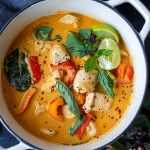
The visual appeal of Gulai Kepala Ikan Kakap Merah is also a significant aspect. The vibrant orange-yellow hue from the turmeric, studded with pieces of red snapper and garnished with fresh herbs and chilies, makes for a visually stunning presentation.
Ultimately, mastering Gulai Kepala Ikan Kakap Merah is about understanding the balance of flavors and textures, respecting the quality of the ingredients, and embracing the traditional cooking techniques. It’s a dish that rewards patience and passion, offering a truly authentic taste of Indonesia.