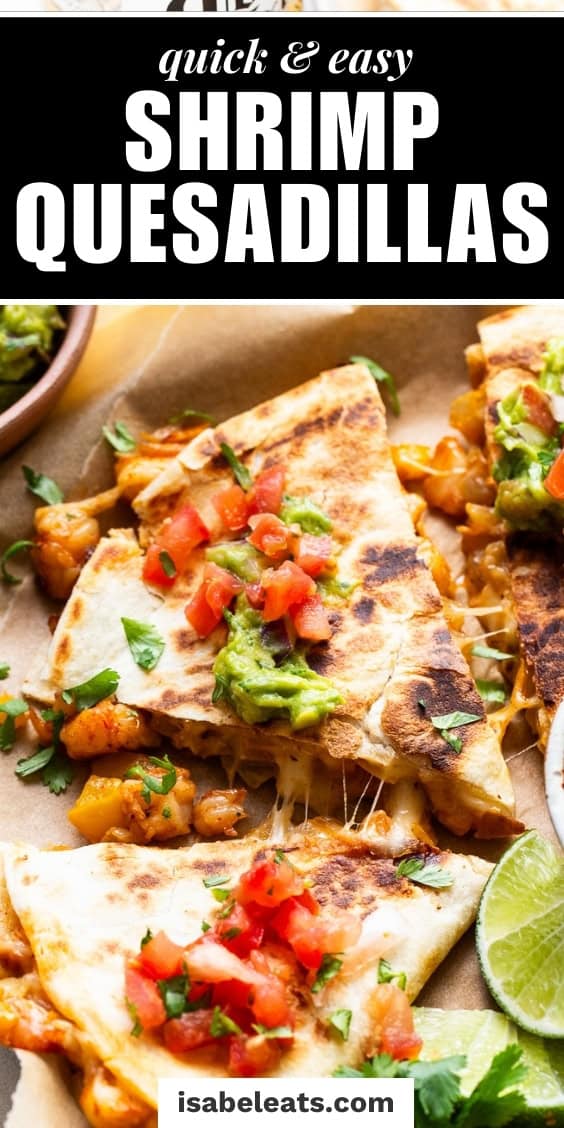
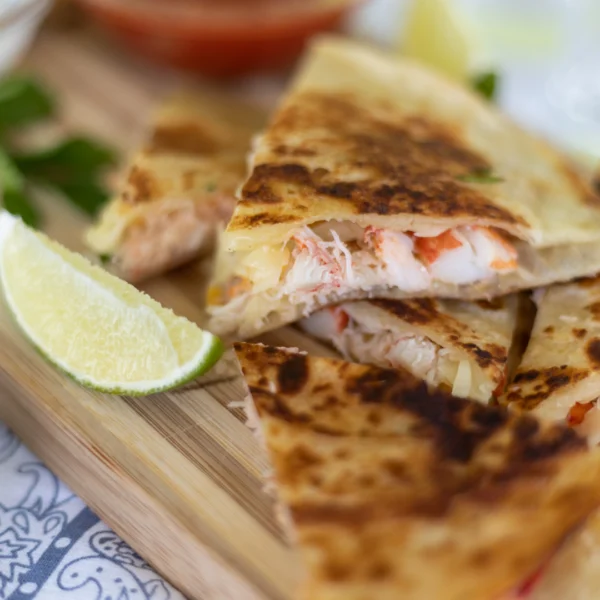

A quesadilla, at its heart, is a tortilla filled with cheese and other ingredients, folded in half, and cooked until the cheese melts and the tortilla becomes golden and slightly crispy. The addition of seafood transforms it from a simple snack into a substantial and incredibly flavorful meal. The term ‘praktis’ or practical, truly applies here, as a seafood quesadilla can be prepared relatively quickly, making it an ideal choice for busy weeknights or impromptu gatherings.
Why choose seafood for your quesadilla? Beyond the sheer delight of its taste, seafood offers a lean protein source packed with essential nutrients like omega-3 fatty acids, vitamins, and minerals. It cooks rapidly, which is a significant advantage for a quick meal. Furthermore, the delicate flavor of various seafood types, from shrimp to scallops to white fish, pairs wonderfully with the richness of melted cheese and the zest of Mexican-inspired seasonings.
The beauty of the seafood quesadilla lies in its adaptability. You can tailor it to your preferences, dietary needs, and what’s available in your pantry. Whether you prefer a mild, cheesy delight or a spicy, robust flavor profile, the seafood quesadilla provides a perfect canvas for culinary creativity.
Let’s begin our journey by exploring the foundational elements that make a seafood quesadilla truly exceptional. Every ingredient plays a crucial role in achieving that perfect balance of texture, flavor, and aroma. Understanding these components is the first step towards mastering this delightful dish.
Choosing the Right Seafood: The Star of Your Quesadilla
The selection of seafood is paramount. For convenience and widespread appeal, shrimp (udang) is often the top choice. Its sweet flavor, firm texture, and quick cooking time make it ideal. When selecting shrimp, opt for fresh or frozen raw shrimp, peeled and deveined for ease of use. Medium to large shrimp work best, as they provide a satisfying bite without overwhelming the quesadilla.
Beyond shrimp, other seafood options offer their unique characteristics. White fish such as cod, tilapia, snapper, or mahi-mahi can be flaked after being gently cooked, adding a tender, flaky texture. Scallops provide a luxurious, sweet component, while crab meat, whether fresh lump crab or high-quality imitation crab, introduces a distinct sweetness and delicate texture. For a truly indulgent experience, a mix of seafood, such as shrimp and crab, can create a complex flavor profile.
Regardless of your choice, ensure the seafood is fresh and of high quality. If using frozen seafood, thaw it thoroughly in the refrigerator overnight or under cold running water, then pat it very dry with paper towels. Excess moisture can lead to a soggy quesadilla and hinder proper browning.
The Foundation: Tortillas
Flour tortillas are the traditional and most common choice for quesadillas. Their pliability allows for easy folding, and they crisp up beautifully. Standard 8-inch or 10-inch tortillas are ideal, providing ample space for filling without being too unwieldy. Look for fresh, soft tortillas for the best results.
For those seeking alternatives, whole wheat tortillas offer a nuttier flavor and added fiber. Corn tortillas can also be used, though they are less pliable and might require a slightly different cooking approach to prevent cracking. Gluten-free tortillas are readily available for those with dietary restrictions, ensuring everyone can enjoy this delicious meal.
The Meltdown: Cheese Selection
Cheese is the glue that holds a quesadilla together, both literally and figuratively. The key is to choose cheeses that melt well and offer a pleasant flavor. Monterey Jack is a classic choice, known for its mild flavor and excellent melting properties. Cheddar, particularly a mild or medium variety, adds a sharper tang. A blend of both Monterey Jack and cheddar is often preferred for a balance of flavor and texture.
Other excellent options include Oaxaca cheese, a traditional Mexican string cheese that melts beautifully, or even a good quality mozzarella. Avoid pre-shredded cheeses if possible, as they often contain anti-caking agents that can hinder smooth melting. Shredding your own cheese from a block will yield superior results and a creamier texture.
Vibrant Veggies & Aromatics: Adding Depth and Color
While seafood and cheese are the stars, vegetables provide essential flavor, texture, and nutritional value. Onions (bawang bombay) and bell peppers (paprika), finely diced, are almost always a welcome addition, offering sweetness and a slight crunch. Sautéing them until tender and slightly caramelized builds a fantastic flavor base.
For those who enjoy a bit of heat, finely diced jalapeños or serrano peppers can be added. Remove the seeds and membranes for a milder spice level. Other vegetables like corn kernels (jagung manis), black beans, or even spinach can also be incorporated to enhance the nutritional profile and introduce new textures.
The Flavor Boosters: Seasonings and Spices
Seasoning is crucial to elevate the flavors of your seafood and vegetables. A simple blend of cumin, chili powder, paprika, garlic powder, onion powder, and a pinch of cayenne pepper (optional for heat) works wonders. Don’t forget salt and freshly ground black pepper.
Fresh herbs like chopped cilantro (daun ketumbar) add a bright, fresh note, while a squeeze of lime juice (jeruk nipis) at the end can bring all the flavors together with a zesty finish. Experiment with your favorite spices to create a signature flavor profile.
Essential Equipment for Success
You won’t need an array of specialized tools for this recipe. A good quality non-stick skillet or griddle is essential for cooking the quesadillas evenly and preventing sticking. A spatula, preferably a wide one, will make flipping the quesadillas much easier. A cutting board and a sharp knife are necessary for preparing your ingredients.
Step-by-Step Preparation: Crafting Your Seafood Masterpiece
The process of making a seafood quesadilla is straightforward, but attention to detail at each stage ensures a perfect outcome. Let’s break it down into manageable steps.
1. Preparing the Seafood: If using shrimp, peel and devein them, then pat them thoroughly dry. Season your chosen seafood generously with a portion of your spice blend, salt, and pepper. For shrimp or scallops, a quick sauté in a hot skillet with a little olive oil or butter until just cooked through (pink and opaque) is all that’s needed. Be careful not to overcook, as seafood can become rubbery quickly. If using white fish, you can pan-fry, bake, or poach it, then flake it gently.
2. Sautéing the Vegetables: In the same skillet (or a separate one), add a little more oil or butter. Sauté the diced onions and bell peppers over medium heat until they soften and become translucent, about 5-7 minutes. If adding jalapeños, cook them alongside. This step builds a robust flavor base for your filling.
3. Combining the Filling: Once the vegetables are tender, add the cooked seafood to the skillet. Stir in any additional ingredients like corn or black beans. Taste and adjust seasonings as needed. Remove the filling from the heat and set aside.
4. Assembling the Quesadilla: Heat your clean skillet over medium heat. Lightly grease the pan with a tiny bit of oil or butter. Place one flour tortilla flat in the skillet. Immediately sprinkle a layer of shredded cheese over half of the tortilla. This initial layer of cheese acts as a barrier and helps the tortilla crisp up.
Next, spoon a generous amount of your seafood and vegetable filling over the cheese on one half of the tortilla. Don’t overfill, as this can make folding and cooking difficult. Top the filling with another sprinkle of cheese. The cheese on top will melt and help bind the filling together.
5. Cooking to Golden Perfection: Once the cheese on the bottom has started to melt, carefully fold the empty half of the tortilla over the filled half, creating a crescent shape. Press down gently with your spatula. Allow it to cook for 2-4 minutes per side, or until the tortilla is golden brown and crispy, and the cheese is completely melted and gooey.
If you prefer a whole quesadilla rather than a folded one, place one tortilla down, layer cheese, filling, then more cheese, and top with a second tortilla. Cook until golden on both sides, flipping carefully with a wide spatula.
6. Serving: Once cooked, transfer the quesadilla to a cutting board. Let it rest for a minute or two before cutting it into wedges with a pizza cutter or sharp knife. This helps the cheese set slightly and prevents the filling from spilling out.
Complementary Dips and Sides: Elevating the Experience
A great quesadilla is often accompanied by equally great condiments. Salsa, whether homemade pico de gallo or a good quality store-bought variety, adds freshness and acidity. Guacamole, with its creamy texture and rich avocado flavor, is another essential. Sour cream or Greek yogurt can provide a cooling contrast, especially if your quesadilla has a spicy kick.
Consider making a simple avocado cream sauce by blending avocado, lime juice, cilantro, and a touch of sour cream or water. This adds an extra layer of creaminess and fresh flavor. For a side, a light salad with a vinaigrette dressing can perfectly balance the richness of the quesadilla.
Variations & Customizations: Unleash Your Creativity
The beauty of the seafood quesadilla lies in its endless possibilities for customization. Don’t be afraid to experiment!
- Spicy Kick: Increase the amount of cayenne pepper or add a dash of hot sauce to your filling. Include finely diced habanero for extreme heat.
- Smoky Flavors: A pinch of smoked paprika or a dash of chipotle powder can introduce a wonderful smoky depth.
- Different Seafood Combinations: Try a mix of shrimp and bay scallops, or crab and white fish.
- Tropical Twist: Add diced fresh mango or pineapple to your salsa for a sweet and tangy counterpoint to the savory seafood.
- Herbaceous Notes: Experiment with fresh dill, parsley, or oregano in your filling or as a garnish.
- Vegetable Boost: Incorporate sautéed mushrooms, zucchini, or even roasted red peppers for added complexity.
Tips for Success: Achieving Quesadilla Perfection
- Don’t Overfill: A common mistake is to pack too much filling into the tortilla. This makes it difficult to fold, cook evenly, and can result in a messy quesadilla. Less is often more.
- Medium Heat is Key: Cooking on too high a heat will burn the tortilla before the cheese has a chance to melt. Too low, and the tortilla won’t crisp up properly. Aim for medium heat and be patient.
- Pat Seafood Dry: This cannot be stressed enough. Excess moisture leads to steaming, not browning, and can make your quesadilla soggy.
- Pre-cook Seafood Properly: Ensure your seafood is cooked through before assembling, but avoid overcooking it, as it will cook a little more in the quesadilla.
- Use Freshly Shredded Cheese: It melts smoother and tastes better than pre-shredded varieties.
- Lightly Grease the Pan: A very thin layer of oil or butter is all you need for a golden, crispy exterior.
- Press Gently: When folding the quesadilla, press down lightly with your spatula to ensure good contact with the pan and help the cheese melt evenly.
Common Pitfalls to Avoid
- Soggy Quesadillas: Usually caused by overfilling, wet ingredients (especially seafood), or cooking on too low a heat.
- Bland Flavors: Insufficient seasoning for the seafood and vegetables. Don’t be shy with your spices!
- Burnt Tortillas: Cooking on too high a heat. Adjust your stove’s temperature and keep an eye on it.
- Unevenly Melted Cheese: Can happen if the heat is too low, or if the quesadilla isn’t pressed down adequately.
- Filling Falling Out: A clear sign of overfilling.
Nutritional Snapshot
A seafood quesadilla can be a relatively healthy meal, depending on your choices. Opting for lean seafood, whole wheat tortillas, and loading up on vegetables can increase fiber and nutrient content. Using low-fat cheese or Greek yogurt instead of sour cream can reduce fat. Seafood provides excellent protein and omega-3s, making it a smart choice for a balanced diet.
Storage and Reheating
Leftover seafood quesadillas can be stored in an airtight container in the refrigerator for up to 2-3 days. For best results when reheating, use a dry skillet over medium heat or a toaster oven until warmed through and crispy. Microwaving is not recommended as it can make the tortilla soggy.
Perfect Pairings: What to Serve With Your Quesadilla
To round out your meal, consider these pairings: Drinks: Fresh limeade, iced tea, a crisp Mexican lager, or a light-bodied white wine like Sauvignon Blanc or Pinot Grigio. Sides: A simple green salad, Mexican rice, or black beans can complement the quesadilla beautifully.
In conclusion, the practical seafood quesadilla is more than just a quick meal; it’s an opportunity to create a delicious, customizable, and nutritious dish that caters to a wide range of tastes. By understanding the ingredients, mastering the simple cooking techniques, and embracing creativity, you can consistently produce a quesadilla that is both impressive and incredibly satisfying. So, gather your ingredients, fire up your skillet, and embark on your journey to mastering the art of the practical seafood quesadilla. Selamat mencoba!