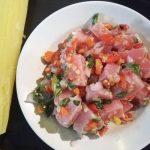


The visual appeal of Lempah Kuning is immediate and striking. As the name suggests—’Kuning’ means yellow in Indonesian—the broth possesses a radiant golden hue, primarily derived from fresh turmeric. However, it is not just a feast for the eyes; it is a complex sensory experience. The soup is characterized by a bold interplay of sourness, spiciness, and the savory umami depth of fresh fish, creating a flavor profile that is simultaneously refreshing and intense.
Unlike many other Indonesian curries or stews that rely heavily on coconut milk (santan) for richness, Lempah Kuning is celebrated for its clear, light broth. This absence of coconut milk makes the dish surprisingly light on the palate, allowing the natural sweetness of the fresh fish to shine through without being masked by heavy fats. It is a testament to the philosophy of island cooking: fresh ingredients, minimal processing, and maximum flavor extraction.
The Cultural Significance
To understand the technique of making Lempah Kuning, one must first appreciate its cultural context. In Bangka Belitung, fish is a staple dietary component, and this dish is prepared daily in many households. It serves as a communal meal, often shared among family members, representing warmth and hospitality. The dish varies slightly from household to household, with some preferring a sharper sourness and others leaning towards a fiery spice level, but the core identity of the dish remains the same.
Historically, the dish reflects the fusion of Malay and Chinese influences that characterize the demographic of Bangka Belitung. The use of clear broths and seafood points toward Chinese culinary traditions, while the heavy use of spices like turmeric, galangal, and fermented shrimp paste (terasi) is distinctly Malay-Indonesian. Mastering this dish is considered a rite of passage for home cooks in the region.
When selecting fish, look for clear, bulging eyes, bright red gills, and firm flesh that springs back when pressed. The slime on the skin should be clear, not cloudy, and the smell should be reminiscent of the ocean, not ammonia. For Lempah Kuning, the fish is typically cut into steaks or chunks, including the head. In fact, the fish head is often prized by connoisseurs for the gelatinous texture and rich flavor it imparts to the soup.
The Crucial Step: Cleaning and Preparation
One of the most critical techniques in preparing Lempah Kuning is the pre-treatment of the fish to remove any ‘amis’ (fishy odor). Skipping this step can ruin the delicate balance of the soup. After gutting and scaling the fish, it must be washed thoroughly. However, water alone is insufficient.
The traditional technique involves marinating the cleaned fish with lime juice (jeruk nipis) or tamarind water and a pinch of salt for about 10 to 15 minutes before cooking. The acid neutralizes the amines responsible for the strong fishy smell and begins to firm up the flesh slightly. After this short marination, the fish should be rinsed again to ensure the acid doesn’t overpower the broth later on.
The Architecture of Flavor: The ‘Bumbu’
The soul of Lempah Kuning lies in its spice paste, known locally as the bumbu. The specific ratio of ingredients can make or break the dish. The primary components are turmeric (kunyit), bird’s eye chilies (cabe rawit), red chilies (cabe merah), shallots (bawang merah), garlic (bawang putih), and toasted shrimp paste (terasi).
It is important to note that the inclusion of garlic is a subject of debate. Some traditional purists in Bangka argue that authentic Lempah Kuning does not use garlic, relying solely on shallots for the aromatic base. However, modern variations often include a small amount of garlic to round out the savory notes. For the most authentic experience, one might lean toward using a higher ratio of shallots and minimizing or omitting garlic.
The Terasi Bangka (Bangka shrimp paste) is the secret weapon. Bangka is famous for producing some of the best shrimp paste in Indonesia. It provides a pungent, savory depth that anchors the lighter, sharper flavors of the soup. The terasi must be toasted before being ground into the spice paste to release its oils and eliminate raw fermentation odors.
Turmeric and Galangal
Turmeric is non-negotiable. It provides the iconic yellow color and an earthy, slightly bitter undertone that balances the sourness. Fresh turmeric root is always preferred over powder for its vibrant aroma. Galangal (lengkuas) is usually bruised and thrown into the pot rather than ground, offering a pine-like, citrusy scent that cuts through the richness of the fish.
The Sour Agent: Pineapple vs. Tamarind
The ‘sour’ element in Lempah Kuning is just as important as the spice. There are two main schools of thought, and often they are combined: Tamarind (asam jawa) and Pineapple (nanas). Tamarind provides a deep, mellow sourness that permeates the liquid.
Pineapple, specifically the slightly under-ripe variety, is a distinct feature of Bangka style Lempah. The pineapple chunks add a fruity tartness and a varied texture to the soup. As the pineapple simmers, it releases enzymes that help tenderize the fish and sweeten the broth naturally. The technique involves slicing the pineapple into bite-sized triangles and adding them towards the end of the cooking process so they retain some crunch.
The Cooking Technique: Boiling vs. Sautéing
Here lies a significant technical divergence from standard curries. In many Indonesian dishes, the spice paste is sautéed in oil until fragrant before liquids are added. However, the most traditional technique for Lempah Kuning is the ‘cemplung’ method (boiling directly).
In the oil-free version, the ground spices are boiled directly in water until the raw smell of the aromatics dissipates. This creates a cleaner, healthier, and more refreshing soup. However, some modern cooks prefer to sauté the spices briefly in a tiny amount of oil to maximize aroma extraction before adding water. Both methods are acceptable, but the boiled version is considered more ‘classic’ and refreshing.
Water Management and Heat Control
The ratio of water to spices is crucial. You want a broth that is flavorful but not thick or sludge-like. Start with cold water and add your spice paste, bruised galangal, and lemongrass (sereh). Bring this mixture to a rolling boil. It is vital to let the broth boil for at least 5-10 minutes before adding the fish. This ensures the spices are fully cooked and the flavors have melded.
If you add the fish too early while the water is still heating up, the fish will spend too much time in the warm water, leading to a mushy texture. The fish must be introduced to boiling liquid to immediately seal the exterior and preserve the juices within.
Seasoning Balance: The Holy Trinity
The flavor profile of Lempah Kuning relies on the balance of three elements: Salt, Sugar, and Acid. Once the fish is in the pot, the seasoning process begins. Salt provides the savory base. Sugar (often a small amount of granulated sugar or palm sugar) is used not to make the dish sweet, but to counterbalance the intense heat of the chilies and the sharp acidity of the tamarind.
The acidity should be prominent but not astringent. If using tamarind paste, dissolve it in warm water and strain the juice into the pot. If relying on pineapple, adjust the added acid accordingly. Taste constantly. The broth should hit the back of the throat with a spicy kick, followed immediately by a refreshing sour wash and a savory finish.
The Final Simmer
Once the fish is added, the heat should be reduced to a gentle simmer. Fish cooks very quickly. Depending on the thickness of the cuts, it may only need 5 to 7 minutes. Overcooking the fish is the most common mistake, resulting in dry, rubbery flesh that falls apart in the soup.
If using pineapple, add it during the last 2-3 minutes of cooking. This preserves its vibrant yellow color and structural integrity. Some cooks also add a handful of bird’s eye chilies whole at this stage for those who desire extra heat to crush on their plate.
Garnishing and Aromatics
Just before turning off the heat, many cooks add a specific herb to elevate the aroma. In Bangka, Daun Kesum (Vietnamese Coriander) is sometimes used, though it is more common in Laksa. More frequently, the soup is finished with fresh basil leaves (kemangi) or just the residual aroma of the lemongrass and galangal. The goal is to keep the aroma fresh and herbaceous.
Serving Lempah Kuning
Lempah Kuning is best served piping hot. As it cools, the gelatin from the fish head may thicken the soup slightly, and the fishy notes can become more pronounced, so temperature is key. It is traditionally served with steamed white rice. The blandness of the rice provides the perfect canvas for the intense, spicy-sour broth.
Accompaniments
While the soup stands well on its own, it is often accompanied by Sambal Terasi (shrimp paste chili sauce) on the side for those who have an insatiable tolerance for spice. Additionally, fresh vegetables or ‘lalapan’ (raw vegetable salad) such as cucumber slices or cabbage can provide a cooling contrast to the heat of the soup.
Another popular accompaniment in Bangka is Rusip, a fermented fish sauce unique to the region. However, for a beginner, the Lempah Kuning with plain rice is a sufficient introduction to the cuisine.
Troubleshooting the Dish
If your broth looks muddy, you likely ground the spices too coarsely or boiled the fish too vigorously, causing it to disintegrate. If the soup tastes bitter, the turmeric may have been old, or the spices were burned during the sautéing phase (if used). If the soup lacks depth, you likely skimped on the shrimp paste (terasi) or didn’t use enough fish bones/head to flavor the water.
Health Benefits
From a nutritional standpoint, Lempah Kuning is an exceptionally healthy dish. It is high in lean protein and rich in omega-3 fatty acids from the fish. Turmeric contains curcumin, a powerful anti-inflammatory compound. The chilies boost metabolism, and the lack of coconut milk and oil (in the traditional method) makes it low in calories and heart-healthy.
Preserving the Heritage
Making Lempah Kuning is more than just following a recipe; it is an act of preserving the maritime heritage of Bangka Belitung. In an era of fast food and instant seasonings, taking the time to grind fresh spices, clean fresh fish, and balance the sour and spicy notes manually is a tribute to the generations of mothers and grandmothers who perfected this dish.
Conclusion
Mastering the technique of Lempah Kuning requires patience and a sensitive palate. It is about understanding the delicate nature of fish and the powerful properties of tropical spices. When executed correctly, the result is a bowl of ‘liquid gold’—a soup that warms the body, clears the sinuses, and transports the diner straight to the white sandy beaches of Bangka Belitung. Whether you are a professional chef or a home cook, adding this dish to your repertoire brings a vibrant, exotic, and deeply satisfying flavor of Indonesia to your table.