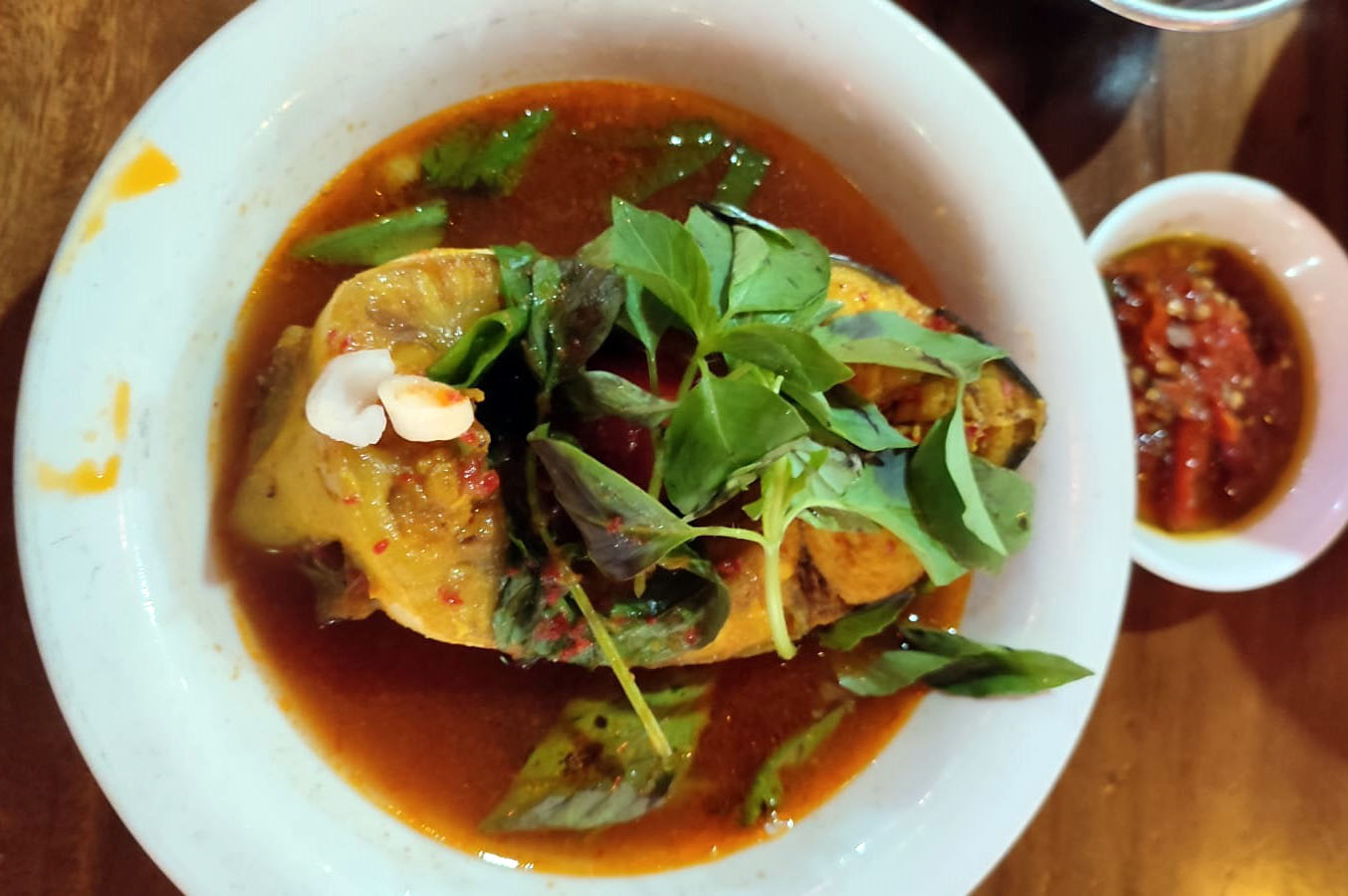
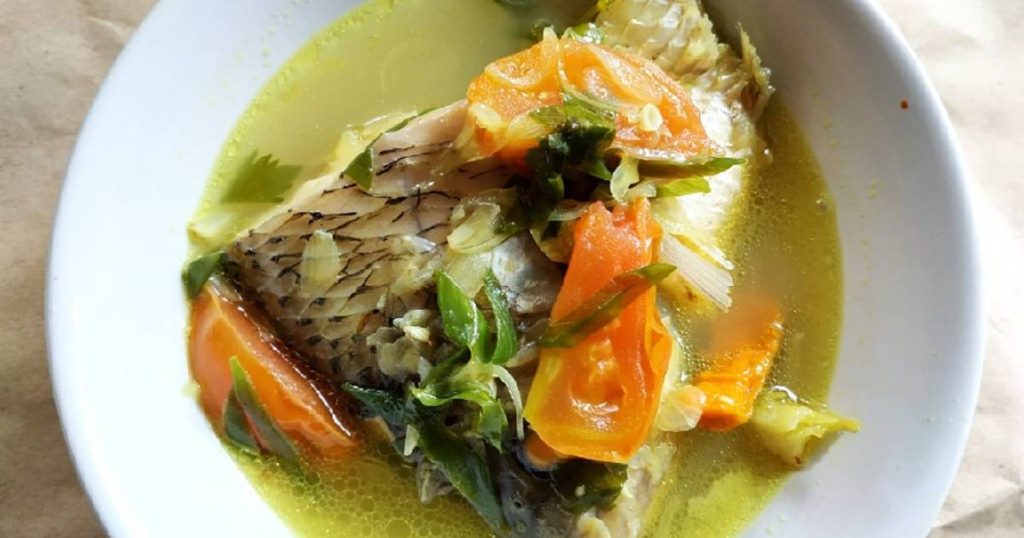

The pindang cooking method itself is a testament to Indonesian culinary ingenuity. Originating from Palembang, South Sumatra, pindang refers to a braising technique where ingredients, typically fish, are cooked in a flavorful broth infused with a variety of spices and often tamarind or vinegar for a distinct sourness. This results in a dish that is both deeply savory and refreshingly tangy, with the fish becoming incredibly tender and infused with the essence of the spices.
Combining tempoyak with pindang-style gurame elevates this dish to a whole new level. The fermented durian paste lends a unique umami depth and a characteristic tang that complements the natural sweetness of the gurame. The spices used in the pindang broth further enhance the complexity, creating a symphony of flavors that dance on the palate. This is not just a meal; it’s an exploration of Indonesian culinary heritage.
To embark on this culinary journey, the first crucial step is ingredient selection. The star of the show, gurame, should be as fresh as possible. Look for fish with clear, bright eyes, firm flesh, and a clean, oceanic smell. Medium-sized gurame, typically around 500-700 grams, are ideal as they offer a good balance of flesh and bone, ensuring a tender and flavorful result.
Beyond the fish, the quality of the tempoyak is paramount. Authentic tempoyak is made from ripe durian that has been fermented for several days or weeks. It should have a strong, distinctive aroma, a creamy texture, and a pronounced sourness. If you’re new to tempoyak, it’s advisable to purchase it from a reputable source or a trusted local market to ensure its quality and authenticity. Be prepared for its potent smell, which is a hallmark of its fermented nature.
The spice blend for the pindang broth is where much of the magic happens. Aromatic ingredients such as shallots, garlic, chilies, turmeric, ginger, galangal, lemongrass, and bay leaves form the backbone of the flavor profile. The specific proportions can be adjusted to personal preference, but a generous hand with these aromatics is key to achieving a truly rich and fragrant broth.
Turmeric is particularly important, not only for its earthy flavor but also for its vibrant golden hue, which gives the pindang broth its signature color. Fresh turmeric root is preferred for its potent flavor and aroma, though high-quality turmeric powder can be used as a substitute.
Lemongrass, galangal, and bay leaves are essential for their distinct aromatic qualities. Bruising the lemongrass stalks and slicing the galangal helps to release their essential oils, infusing the broth with their characteristic citrusy and pungent notes. The bay leaves add a subtle herbaceous depth.
For the chilies, a combination of red chilies and bird’s eye chilies can be used to achieve a balanced heat level. Deseed some of the larger red chilies if you prefer a milder spice, while the bird’s eye chilies will provide a sharper kick. The amount of chili can be adjusted based on your tolerance for heat.
The sour element in pindang dishes typically comes from tamarind or sometimes vinegar. Tamarind paste, made from the pulp of the tamarind fruit, offers a natural, fruity sourness that beautifully complements the other flavors. If tamarind is unavailable, a good quality white vinegar can be used, though it will impart a slightly different, sharper tang.
Now, let’s delve into the preparation process. Begin by preparing the gurame. Clean the fish thoroughly, removing any scales and innards. Make several diagonal slits on both sides of the fish. These slits will not only help the fish cook more evenly but also allow the flavorful broth to penetrate the flesh, ensuring every bite is packed with taste.
The spice paste, often referred to as ‘bumbu halus,’ is the foundation of the broth’s flavor. Finely grind or blend the shallots, garlic, turmeric, ginger, and galangal. A mortar and pestle can be used for a more traditional texture, or a food processor for convenience. The goal is a smooth, aromatic paste.
In a pot or wok, heat a bit of cooking oil and sauté the spice paste until it becomes fragrant and the raw smell disappears. This step is crucial for developing the deep flavors of the dish. Add the bruised lemongrass stalks, bay leaves, and sliced chilies, and continue to sauté for another minute or two until their aromas are released.
Pour in enough water to generously cover the fish. Bring the mixture to a simmer. This is where the pindang broth begins to take shape. Allow the broth to simmer gently for a few minutes to let the flavors meld together.
Introduce the tempoyak to the simmering broth. Stir it in gently, ensuring it dissolves and distributes its unique flavor throughout the liquid. This is the moment the dish starts to take on its characteristic taste. The pungent aroma will become more pronounced as it cooks.
Add the tamarind paste or vinegar to the broth. Stir well and taste. Adjust the sourness as needed. The balance of sour, savory, and spicy is key to a successful pindang dish.
Carefully place the prepared gurame into the simmering broth. Ensure the fish is submerged. Lower the heat to a gentle simmer, cover the pot, and let the fish cook. The cooking time will depend on the size of the fish, but typically, it takes about 15-20 minutes for the gurame to become tender and cooked through.
During the cooking process, occasionally spoon some of the flavorful broth over the fish to ensure it absorbs the spices evenly. Avoid overcooking, as this can make the fish dry and tough. The flesh should be opaque and flake easily with a fork.
Once the fish is cooked, it’s time to season the broth. Add salt and a touch of sugar (optional) to balance the flavors. Again, taste and adjust. The final seasoning should harmonize the sourness of the tempoyak and tamarind with the savory notes of the fish and spices.
Some variations of this dish may include additional ingredients like tomatoes, which add a touch of sweetness and acidity, or kaffir lime leaves for an extra layer of citrus aroma. These additions can be incorporated during the simmering process.
Serving Gurame Pindang Tempoyak is an experience in itself. It is traditionally served hot, directly from the pot or transferred to a serving dish. The vibrant golden broth, infused with the essence of tempoyak and spices, is as visually appealing as it is flavorful.
The tender, flaky gurame, permeated with the complex flavors of the pindang broth, is the star. The slight tang from the tempoyak and tamarind cuts through the richness of the fish, creating a perfectly balanced bite.
This dish is best enjoyed with steamed white rice. The plainness of the rice serves as a perfect canvas, allowing the bold flavors of the Gurame Pindang Tempoyak to shine. A generous portion of rice is essential to soak up the delicious broth.
Accompaniments can further enhance the dining experience. A side of fresh cucumber slices or pickled vegetables can provide a refreshing contrast to the richness of the dish. Some may also enjoy a sprinkle of crispy fried shallots for added texture and flavor.
For those who are new to tempoyak, it’s important to approach this dish with an open mind. The initial aroma might be challenging, but the taste is often surprisingly delightful and addictive. The fermentation process creates a unique umami that is difficult to replicate.
The health benefits of fermented foods like tempoyak are also worth noting. Fermentation can increase the bioavailability of nutrients and introduce beneficial probiotics, contributing to gut health.
Experimentation is encouraged when it comes to the spice levels and the amount of tempoyak used. Beginners might want to start with a smaller amount of tempoyak and gradually increase it with subsequent preparations as they become more accustomed to its flavor.
Gurame Pindang Tempoyak is a dish that embodies the spirit of Indonesian cuisine: a harmonious blend of diverse flavors, aromatic spices, and time-honored cooking techniques. It’s a dish that tells a story with every bite.
The process of making this dish is a labor of love, but the reward is a truly authentic and deeply satisfying culinary experience that showcases the unique ingredients and flavors of Indonesia.
Whether you are a seasoned fan of durian and fermented foods or a curious newcomer, Gurame Pindang Tempoyak offers a culinary adventure that is both exciting and delicious. It’s a dish that will linger in your memory long after the last spoonful.
The versatility of the pindang cooking method means that other types of fish can also be used, though gurame’s firm texture and mild sweetness make it an exceptional choice for this particular preparation.
Mastering this recipe requires patience and an appreciation for the nuances of Indonesian flavors. The careful balance of sour, savory, spicy, and aromatic elements is what elevates it from a simple meal to a gastronomic delight.
In conclusion, Gurame Pindang Tempoyak is more than just a recipe; it’s an invitation to explore the rich tapestry of Indonesian culinary traditions. Its unique ingredients and bold flavors are a testament to the country’s diverse food culture.