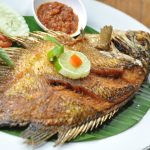
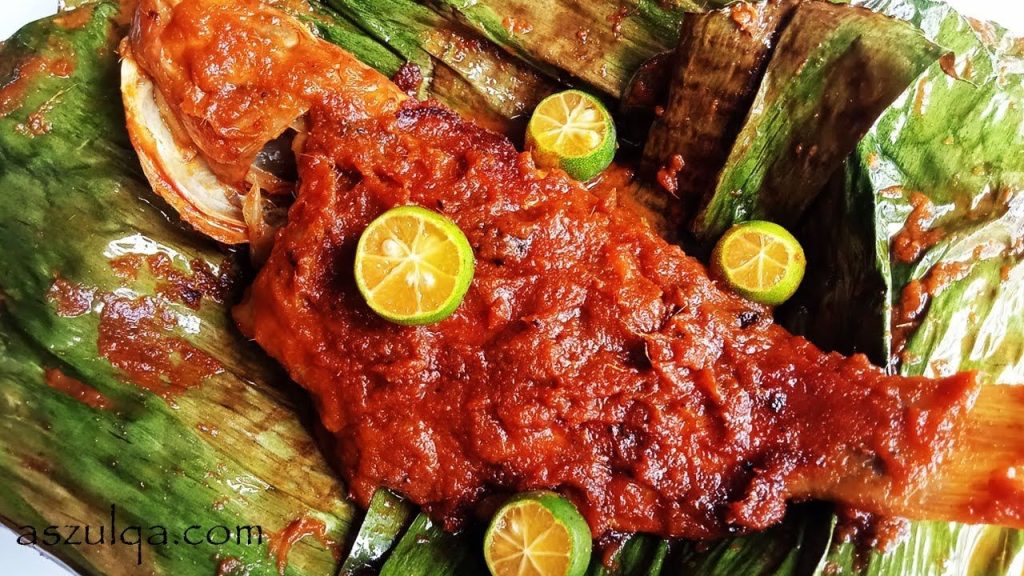

The allure of Ikan Nila Bakar Sambal Terasi lies in its harmonious contrast: the tender, flaky texture of perfectly grilled tilapia, imbued with a complex marinade, meets the bold, pungent, and spicy embrace of homemade sambal terasi. It’s a symphony for the senses, where each bite tells a story of sun-drenched islands, bustling markets, and generations of culinary wisdom. This article aims to guide you through every nuance, ensuring your venture into preparing this iconic dish is met with resounding success.
Why tilapia (Ikan Nila)? Tilapia is an excellent choice for grilling due to its mild flavor, firm flesh, and ability to absorb marinades beautifully. Widely available and sustainable, Ikan Nila offers a versatile canvas for the rich Indonesian spices. Its moderate fat content also helps keep the fish moist during the high heat of grilling, preventing it from drying out, which is a common pitfall with leaner fish.
When selecting your tilapia, always prioritize freshness. Look for fish with clear, bulging eyes, bright red gills, and firm, shiny skin. A fresh fish should have a mild, oceanic scent, not an overly fishy odor. Opt for whole fish, ideally weighing between 500-800 grams each, as they tend to grill more evenly and retain moisture better than fillets.
The ‘bakar’ (grilling) method in Indonesian cooking is an art form in itself. It’s not merely about cooking over heat; it’s about infusing the food with a distinctive smoky aroma and achieving that coveted caramelized char. Traditionally, this is done over an open charcoal flame, which imparts an unparalleled depth of flavor. However, with modern grills, both gas and electric, you can still achieve fantastic results with the right techniques.
Before any marination or grilling can begin, proper fish preparation is paramount. Start by thoroughly cleaning the fish: scale it, gut it, and rinse it meticulously under cold running water. Pat it completely dry with paper towels. This drying step is crucial, as excess moisture can hinder the marination process and prevent the skin from crisping up on the grill.
Next, create several diagonal scores (about 1-2 cm deep) on both sides of the fish. These incisions serve multiple purposes: they allow the marinade to penetrate deeper into the flesh, ensuring every bite is bursting with flavor, and they help the fish cook more evenly, especially thicker sections, reducing overall grilling time.
Now, let’s delve into the heart of the flavor: the Bumbu Oles, or the grilling marinade. This fragrant paste is what transforms simple tilapia into a succulent, aromatic dish. The typical ingredients include:
- Fresh turmeric, for its earthy flavor and vibrant yellow hue
- Ginger and galangal, for their pungent, citrusy notes
- Garlic and shallots, forming the aromatic base
- Candlenuts (kemiri), to add a creamy texture and nutty undertone
- Red chilies (optional, for a subtle background heat)
- Lemongrass, for a refreshing citrusy aroma
- Tamarind paste, providing a tangy counterpoint
- Palm sugar and salt, to balance the flavors
All these ingredients are typically ground into a fine paste using a mortar and pestle (ulekan) or a food processor. The traditional method is often preferred as it releases the essential oils more effectively, resulting in a more potent and aromatic marinade. Once the paste is ready, generously rub it all over the fish, ensuring it gets into the scores and even inside the cavity.
Allow the fish to marinate for at least 30 minutes, but ideally 1-2 hours in the refrigerator. For an even deeper flavor, you can marinate it overnight. This resting period is vital for the fish to fully absorb the complex medley of spices, ensuring a flavorful experience from the skin to the bone.
While the fish is marinating, it’s time to turn our attention to the true star of the show: Sambal Terasi. This iconic Indonesian chili paste is an indispensable accompaniment to many dishes, and its robust flavor profile perfectly complements grilled fish. The key ingredient, terasi (shrimp paste), gives it a distinct umami depth and an unmistakable aroma.
The core ingredients for a classic Sambal Terasi include: fresh red chilies (bird’s eye chilies for heat, larger red chilies for color and body), shallots, garlic, a piece of roasted terasi, a squeeze of lime or calamansi (jeruk limau), a pinch of salt, and a touch of palm sugar. Some variations might also include a ripe tomato to add sweetness and body.
The preparation of Sambal Terasi often begins by lightly frying or roasting the chilies, shallots, and garlic until slightly softened and aromatic. This step mellows their raw sharpness and enhances their natural sweetness. The terasi should also be lightly toasted or roasted to deepen its flavor and reduce its pungent raw smell.
Traditionally, all these ingredients are then painstakingly ground together in a mortar and pestle, starting with the hardest ingredients like terasi and salt, then adding chilies, shallots, garlic, and finally the palm sugar. This manual grinding process, known as mengulek, is believed to create a sambal with superior texture and flavor compared to using a blender, as it gently crushes the ingredients rather than chopping them.
The balance of flavors in Sambal Terasi is critical. It should be a complex interplay of spicy, savory, sweet, and tangy. The palm sugar provides sweetness, the lime juice offers acidity, and the salt and terasi contribute the essential savory and umami notes. Adjust these to your personal preference, aiming for a vibrant, harmonious blend that awakens the palate.
Now, for the grilling itself. If using a charcoal grill, ensure your coals are glowing red with a fine layer of ash, indicating medium-hot heat. For a gas grill, preheat to medium-high. Clean your grill grates thoroughly and lightly oil them to prevent the fish from sticking, a common pitfall that can ruin the presentation and texture of your Ikan Bakar.
Carefully place the marinated tilapia on the hot grill. The initial contact with the heat should create a satisfying sizzle. Resist the urge to move the fish too soon; allow it to cook undisturbed for 5-7 minutes per side, depending on thickness, to develop a beautiful char and prevent sticking. Flipping prematurely can cause the delicate skin to tear.
As the fish grills, periodically baste it with any leftover marinade or a fresh mixture of oil and a touch of sweet soy sauce (kecap manis). This not only adds another layer of flavor but also helps keep the fish moist and contributes to that enticing caramelized glaze on the skin. Turn the fish gently, using two spatulas if necessary, to ensure even cooking on both sides.
Knowing when your fish is perfectly cooked is key. Tilapia is done when its flesh turns opaque throughout and flakes easily with a fork. Be careful not to overcook, as this can result in dry, rubbery fish. A good indicator is when the skin is crispy and slightly charred, and the internal temperature reaches around 145°F (63°C).
Once cooked, carefully transfer the Ikan Nila Bakar from the grill to a serving platter. The aroma alone will be enough to make mouths water. The smoky, spiced fish, with its crispy skin and tender flesh, is now ready to be adorned with the fiery Sambal Terasi.
Serving Ikan Nila Bakar Sambal Terasi is an experience meant to be shared. Traditionally, it’s accompanied by steaming hot white rice, which helps to temper the heat of the sambal and complements the rich flavors of the fish. A selection of fresh raw vegetables, known as lalapan (such as cucumber slices, tomato wedges, fresh basil, and raw cabbage), provides a refreshing contrast and cleansing crunch.
A squeeze of fresh lime or calamansi juice over the grilled fish just before serving can elevate the flavors, adding a bright, zesty note that cuts through the richness of the marinade and the pungency of the sambal. Garnish with a sprig of fresh cilantro or a few slices of red chili for visual appeal.
Tips for Success: To prevent your fish from sticking, ensure your grill grates are impeccably clean and well-oiled before placing the fish. You can also place banana leaves or aluminum foil (pierced with holes) on the grill grates as a non-stick barrier, which also imparts a subtle aroma.
For an extra layer of flavor, consider smoking your tilapia with a handful of wood chips (like apple or hickory) if using a charcoal grill, or a smoker box on a gas grill. This can further enhance the smoky depth of the ‘bakar’ experience.
If you prefer a milder spice level in your Sambal Terasi, reduce the number of bird’s eye chilies and increase the larger red chilies. Conversely, for a truly fiery kick, add more of the smaller, potent chilies. Always taste and adjust as you go.
Making the Sambal Terasi a day in advance allows the flavors to meld and deepen, often resulting in an even more complex and satisfying chili paste. Store it in an airtight container in the refrigerator.
Common Mistakes to Avoid:
- Overcooking the fish: Leads to dry, tough texture. Monitor closely and remove promptly when done.
- Under-marinating: Results in bland fish. Ensure adequate marination time.
- Grilling on a cold grill: Causes sticking and prevents good charring. Always preheat properly.
- Flipping too often: Can break the fish apart. Let it cook undisturbed until it naturally releases from the grates.
The joy of preparing Ikan Nila Bakar Sambal Terasi extends beyond the plate. It’s about engaging with culinary traditions, experimenting with vibrant spices, and ultimately, sharing a delicious, authentic meal with loved ones. Each step, from the careful selection of ingredients to the patient grilling, contributes to the overall satisfaction of mastering this dish.
Beyond its exquisite taste, this dish also offers nutritional benefits. Tilapia is a lean source of protein and essential fatty acids, while the fresh chilies, garlic, and shallots in the sambal provide vitamins and antioxidants. It’s a flavorful way to incorporate healthy seafood into your diet.
While this recipe focuses on tilapia, the ‘bakar’ technique and sambal terasi pairing can be applied to other types of fish, such as pomfret (ikan bawal), mackerel (ikan kembung), or even snapper (ikan kakap), allowing for endless culinary exploration and personalization.
Indonesian cuisine is incredibly diverse, with regional variations of Ikan Bakar and Sambal Terasi being found across the archipelago. Some regions might add different herbs to the marinade, while others might incorporate more tomatoes or specific types of chilies into their sambal, each offering a unique flavor profile.
The cultural significance of food in Indonesia is profound. Meals are often communal events, a time for family and friends to gather, share stories, and reinforce bonds. Preparing a dish like Ikan Nila Bakar Sambal Terasi is not just cooking; it’s participating in a rich cultural heritage.
Embrace the process, savor the aromas, and relish the satisfaction of bringing a piece of Indonesia’s vibrant culinary landscape into your home kitchen. Whether you’re a seasoned chef or an adventurous home cook, mastering Ikan Nila Bakar Sambal Terasi is a culinary achievement that promises delicious rewards.
The journey to mastering this dish is an enriching one, culminating in a meal that is both profoundly satisfying and authentically Indonesian. It’s a testament to the power of fresh ingredients, meticulous preparation, and the passionate spirit of a cuisine that truly celebrates flavor.
So, gather your ingredients, fire up your grill, and embark on this incredible culinary adventure. The tantalizing aroma of grilled tilapia, perfectly seasoned and served with a fiery, flavorful Sambal Terasi, awaits you. Enjoy the unforgettable taste of Indonesia, right in your own home.