
This article is dedicated to guiding you through the intricate yet rewarding process of mastering the art of grilling Baronang fish with this classic Indonesian marinade. We will delve into every aspect, from selecting the prime specimens of Baronang to the nuanced techniques of marination and grilling, ensuring your culinary creations are nothing short of spectacular.
Baronang fish, scientifically known as Siganus spp., is a common inhabitant of tropical and subtropical waters, often found near coral reefs. Its distinctive appearance and delicious flesh have made it a popular choice in many coastal cuisines.
The ‘bumbu kuning’ is a cornerstone of Indonesian cooking, a complex blend of turmeric, ginger, galangal, garlic, shallots, chilies, and various aromatic herbs and spices. Its vibrant yellow hue is as appealing to the eye as its rich, savory, and slightly spicy flavor profile is to the palate.
The first crucial step in achieving succulent grilled Baronang fish is selecting the freshest catch. Look for fish with clear, bright eyes, firm flesh that springs back when pressed, and a fresh, oceanic aroma. Avoid fish with dull eyes, soft flesh, or a strong, unpleasant odor.
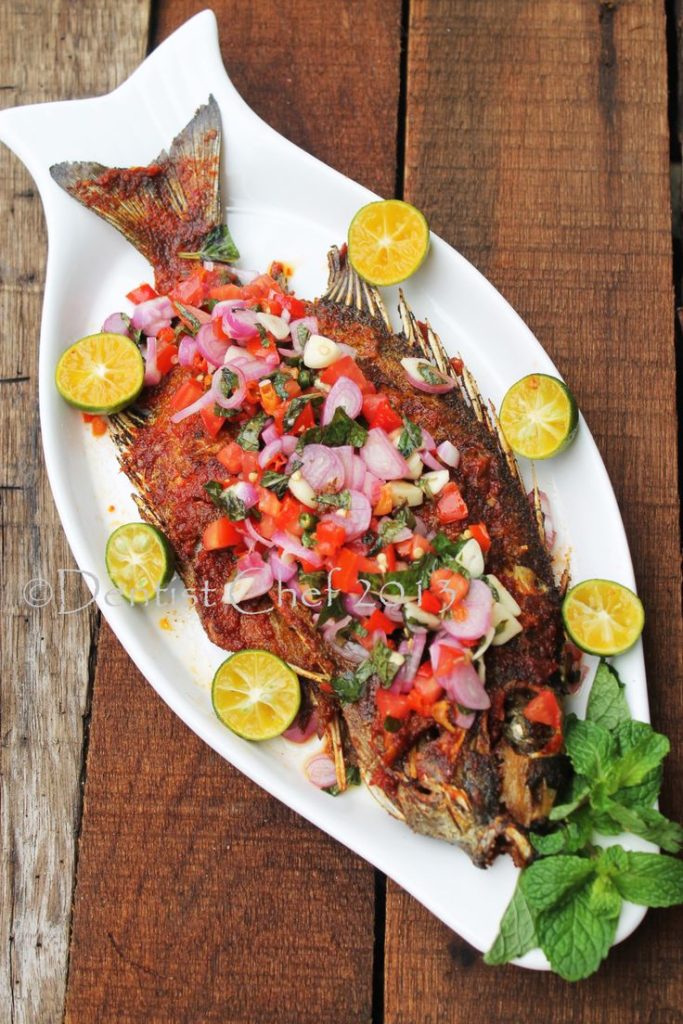
Baronang fish can be grilled whole or as fillets. Grilling whole fish allows the flavors to penetrate deeply and results in a more visually impressive presentation. Fillets offer a quicker cooking time and are easier to handle, but may require closer attention to prevent drying out.
Preparing the fish for grilling involves a few key steps. If grilling whole, ensure the fish is scaled, gutted, and thoroughly rinsed. Making a few shallow slits on the sides of the fish will allow the marinade to permeate the flesh more effectively.
For fillets, ensure all bones are removed and the skin is either left on for added flavor and crispness or removed, depending on your preference. Again, scoring the flesh side can be beneficial.
The heart of this dish lies in the ‘bumbu kuning’ marinade. The foundational ingredients typically include: turmeric (for color and earthy notes), ginger (for warmth and pungency), galangal (for a more complex, citrusy aroma than ginger), garlic (for sharp flavor), and shallots (for a sweeter, milder onion taste).
Other essential components often include: lemongrass (bruised to release its fragrant oils), candlenuts (kemiri) for thickening and richness, coriander seeds (for a citrusy, earthy note), white pepper (for a subtle heat), and salt to enhance all the flavors. Red chilies are often added for a spicy kick, though their quantity can be adjusted to personal preference.
To prepare the ‘bumbu kuning’, these ingredients are typically pounded or blended into a fine paste. Traditionally, a mortar and pestle are used, which yields a superior texture and aroma. However, a food processor or blender can also be used for convenience.
Once the spice paste is ready, it needs to be sautéed. Heating a bit of oil in a pan and cooking the paste over medium heat until fragrant and slightly darkened is crucial. This process, known as ‘menumis bumbu’, cooks out the raw flavors and deepens the complexity of the marinade.
The sautéed ‘bumbu kuning’ is then combined with other flavoring agents. This often includes lime or tamarind juice for a touch of acidity, sugar (palm sugar is preferred for its caramel notes) to balance the spices, and sometimes a splash of water or coconut milk to achieve the desired consistency.
Marinating the Baronang fish is a critical step. The prepared ‘bumbu kuning’ should be generously applied to the fish, ensuring it gets into the slits and crevices. For whole fish, coat the cavity as well. The fish should then be allowed to marinate for at least 30 minutes, or preferably longer (up to a few hours) in the refrigerator, to allow the flavors to fully penetrate the flesh.
While the fish is marinating, it’s time to prepare your grilling setup. Whether you’re using a charcoal grill, gas grill, or even an oven broiler, preheating is key. For charcoal grills, aim for medium-high heat. For gas grills, set to medium-high. A clean, well-oiled grill grate is essential to prevent sticking.
Grilling Baronang fish requires careful attention to temperature and timing. Overcooking will result in dry, tough fish, while undercooking leaves it unappetizingly raw. The goal is flaky, moist flesh with beautifully charred edges.
When placing the fish on the grill, start with the side that has less marinade or the skin side down (if applicable) to allow it to sear and develop a crust. Avoid moving the fish too frequently, as this can cause it to break apart.
Grilling time will vary depending on the size and thickness of the fish, as well as the heat of your grill. A medium-sized whole Baronang fish typically takes about 5-8 minutes per side. Fillets will cook faster, often 3-5 minutes per side.
A good indicator of doneness is when the flesh flakes easily with a fork and the internal temperature reaches around 145°F (63°C). The skin should be nicely charred and crispy.
For an extra layer of flavor and moisture, you can baste the fish during grilling with a mixture of the remaining marinade, oil, or a combination of butter and lime juice. This also helps to prevent the fish from drying out.
Serving the grilled Baronang fish hot is paramount. It is traditionally served with steamed rice, a side of fresh vegetables like cucumber and tomatoes, and a dollop of sambal (chili paste) for those who desire extra heat.
Consider garnishing the grilled fish with fresh cilantro, sliced chilies, or a squeeze of lime juice just before serving. These simple additions enhance both the visual appeal and the overall flavor profile.
Beyond the basic ‘bumbu kuning’, there are numerous variations and additions you can explore to customize the flavor. Some recipes incorporate shrimp paste (terasi) for a deeper umami flavor, while others might add ground peanuts for texture and richness.
The choice of chilies also plays a significant role. Bird’s eye chilies (cabe rawit) provide intense heat, while larger red chilies offer a milder, fruitier spice. Experimenting with different combinations allows for a personalized culinary experience.
For those who prefer a less spicy version, simply reduce the number of chilies or omit them entirely. The inherent flavors of the other spices will still create a delicious and aromatic dish.
When it comes to grilling methods, ‘pepes’ style grilling is another excellent option. This involves wrapping the marinated fish in banana leaves (or parchment paper) along with some of the marinade and then grilling it. The banana leaf imparts a subtle, earthy aroma and helps to keep the fish incredibly moist.
If grilling isn’t feasible, baked Baronang fish with ‘bumbu kuning’ is a viable alternative. Spread the marinated fish on a baking sheet and bake in a preheated oven at around 375°F (190°C) until cooked through.
The key to consistently delicious grilled Baronang fish lies in practice and attention to detail. Understanding the nuances of spice blending, marination times, and grilling temperatures will elevate your cooking from good to exceptional.
Embrace the process, experiment with ingredients, and don’t be afraid to adjust the recipe to suit your palate. The journey of mastering this dish is as rewarding as the final, delectable result.
Ultimately, ‘Menguasai Seni Memasak Ikan Baronang Bakar Bumbu Kuning’ is not just about following a recipe; it’s about understanding the interplay of flavors, textures, and cooking techniques to create a memorable dining experience.
So, gather your ingredients, ignite your grill, and embark on this culinary adventure. The fragrant aroma of ‘bumbu kuning’ and the sweet succulence of perfectly grilled Baronang fish await.