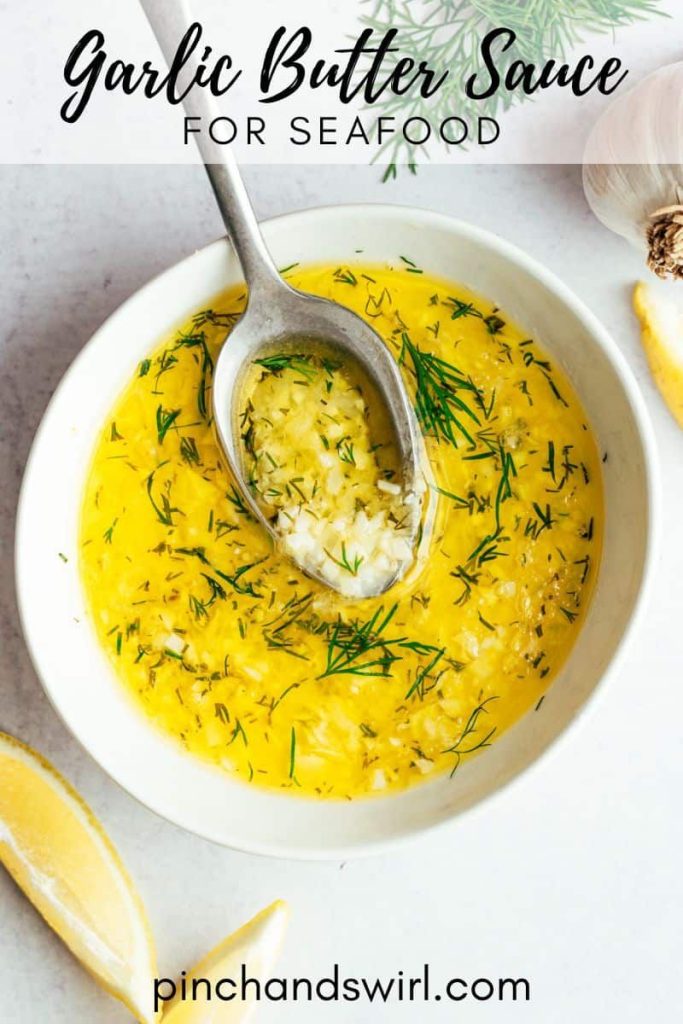

The magic of garlic butter sauce lies in its ability to enhance, rather than overpower, the delicate flavors of seafood. Imagine succulent shrimp glistening in a golden, fragrant sauce, or tender lobster meat dipped into a warm, garlicky elixir. It’s an experience that transcends mere sustenance, elevating a meal into a memorable occasion. Our journey begins by delving into the foundational components that make this sauce truly exceptional.
At the heart of any great garlic butter sauce is, naturally, butter. The choice of butter significantly impacts the final flavor and texture. We strongly recommend using unsalted butter. This gives you complete control over the seasoning, preventing your sauce from becoming overly salty, especially when reducing or concentrating flavors. High-quality butter, perhaps European-style with a higher fat content, will also yield a richer, more luxurious sauce with a better mouthfeel.
While unsalted butter is the standard, some chefs opt for clarified butter, also known as ghee. Clarified butter has had its milk solids and water removed, resulting in a pure butterfat that is less prone to burning and offers a cleaner, nuttier flavor. For a classic, emulsified sauce, whole butter is preferred, but for a sauce intended for basting or high-heat applications, clarified butter can be an excellent choice.
Next, let’s talk about garlic. The soul of the sauce. For an authentic and vibrant flavor, fresh garlic is non-negotiable. Pre-minced garlic in jars often contains preservatives and lacks the bright, pungent aroma of freshly prepared cloves. When selecting garlic, look for firm, plump heads without sprouts or soft spots. The type of garlic can also subtly influence flavor; hardneck varieties tend to have a more robust, intense garlic punch, while softneck varieties are milder.
The preparation of your garlic also matters. For a classic sauce, finely mincing or pressing the garlic is ideal, as it allows the flavors to infuse beautifully into the butter. Avoid grating it, as this can release too much moisture and create a bitter taste. If you prefer a milder garlic presence, you can slice it thinly and remove it before serving, or even roast whole cloves before adding them to the butter for a sweeter, more mellow profile.
While not always a primary ingredient, a touch of acidity can dramatically brighten and balance your garlic butter sauce. Freshly squeezed lemon juice is the most common and highly recommended choice. Its zesty notes cut through the richness of the butter, preventing the sauce from feeling too heavy and awakening the palate. Always opt for fresh lemons over bottled juice for superior flavor.
Alternatively, a splash of dry white wine, such as Sauvignon Blanc or Pinot Grigio, can introduce a sophisticated layer of complexity. The alcohol evaporates during cooking, leaving behind subtle fruity and acidic undertones that pair wonderfully with seafood. White wine vinegar or even a touch of rice vinegar can also be used sparingly for a sharp, clean finish, but be mindful not to overdo it, as vinegar can be quite potent.
Herbs are the supporting cast that can elevate your sauce from great to extraordinary. Fresh flat-leaf parsley is a classic addition, offering a vibrant green color and a fresh, peppery note. It should be finely chopped and added towards the end of cooking to preserve its bright flavor and color. Other herbs that marry well with garlic butter and seafood include fresh dill, chives, tarragon, or even a hint of thyme, depending on your desired flavor profile.
Finally, don’t forget the essential seasonings. Kosher salt or sea salt are preferred over table salt for their cleaner taste and better texture. Freshly ground black pepper adds a subtle warmth and a gentle bite. For those who enjoy a little heat, a pinch of red pepper flakes can introduce a delightful kick, while a whisper of smoked paprika can add an intriguing depth and warmth.
Once the butter is mostly melted, add your finely minced garlic. This is where the magic truly begins. Sauté the garlic gently for 1-2 minutes, stirring frequently, until it becomes fragrant and translucent. Do not let the garlic brown or burn. Burnt garlic turns bitter and will ruin the entire sauce. The goal is to ‘bloom’ the garlic, releasing its aromatic oils into the warm butter without imparting any harshness.
After the garlic has bloomed, if using, add your chosen acidity. A squeeze of lemon juice or a splash of white wine can be added now. If using wine, allow it to simmer gently for a minute or two to reduce slightly and allow the alcohol to evaporate, concentrating its flavor. This step is crucial for creating a well-rounded sauce that isn’t just rich but also bright and lively.
Finally, remove the pan from the heat and stir in your fresh, chopped herbs. Adding them off the heat preserves their vibrant color and fresh flavor. Season the sauce generously with salt and freshly ground black pepper. This is the moment to taste and adjust. A truly great chef always tastes their food throughout the cooking process. Does it need more salt? A touch more lemon? A hint of spice?
Beyond the classic, there are numerous variations to explore. For a spicy garlic butter, incorporate red pepper flakes with the garlic, or stir in a small amount of sriracha or cayenne pepper at the end. For an herbed garlic butter, experiment with different herb combinations; dill and chives are excellent with salmon, while tarragon pairs beautifully with lobster.
A lemon-herb garlic butter emphasizes the citrus notes, perhaps with lemon zest added alongside the juice for an extra aromatic punch. For a more decadent sauce, consider a creamy garlic butter by whisking in a tablespoon or two of heavy cream or half-and-half at the very end, just until it’s warmed through and slightly thickened. This adds a velvety texture and a richer mouthfeel.
For an umami boost, a small dollop of white miso paste can be whisked into the warm butter before adding the garlic, creating a profound depth of flavor that is truly unique. Or, for a warm, earthy twist, a pinch of smoked paprika garlic butter can transform the sauce into something wonderfully complex, especially with grilled seafood.
The pairing possibilities with seafood are endless. For shrimp, garlic butter is an iconic match, whether sautéed directly in the sauce, grilled and then tossed, or served as a dipping sauce. For crab legs or lobster tails, a warm bowl of garlic butter is practically a requirement, allowing the delicate meat to be dipped and coated in its luxurious embrace.
Clams and mussels truly shine when steamed in a white wine garlic butter sauce. The shellfish release their briny liquor, mingling with the sauce to create an incredibly flavorful broth perfect for sopping up with crusty bread. For fish such as cod, halibut, or salmon, the sauce can be drizzled generously over baked or pan-seared fillets, or used as a basting liquid during cooking to keep the fish moist and flavorful.
Even scallops, with their sweet, delicate flavor, are elevated by a light drizzle of garlic butter after being perfectly seared. And for a truly indulgent appetizer, consider broiling oysters with a dollop of garlic butter on top until bubbly and golden.
The versatility of garlic butter extends far beyond seafood. It’s a fantastic accompaniment for vegetables: toss roasted asparagus, steamed green beans, or corn on the cob in garlic butter for a burst of flavor. It can transform simple boiled potatoes or mashed potatoes into something extraordinary.
Even seasoned cooks encounter challenges. One common issue is the sauce breaking or separating. This often happens if the butter is heated too quickly or if cold liquids are added to very hot butter. To remedy this, try whisking in a tiny amount of cold water or an ice cube, or slowly whisking in another small pat of cold butter off the heat to re-emulsify the sauce.
Another pitfall is burnt garlic, which imparts an acrid, bitter taste. Prevention is key here: always use low heat and watch the garlic carefully. If it starts to brown too quickly, remove the pan from the heat immediately. If the garlic is truly burnt, it’s often best to start over, as the bitter flavor is difficult to mask.
If your sauce tastes too salty, add a squeeze of lemon juice or a small amount of unsalted butter to dilute the saltiness. If it’s too bland, a pinch more salt and pepper, or a fresh herb, can work wonders. If the sauce is too thin, you can reduce it slightly over low heat, or for a richer finish, whisk in a small amount of cream. If it’s too thick, a splash of warm water or seafood broth can thin it out.
To ensure consistent success, always prioritize fresh, high-quality ingredients. The difference in flavor between fresh garlic and jarred, or high-quality butter versus generic, is significant. Cook over low and slow heat, especially when blooming the garlic, to extract maximum flavor without burning.
Taste as you go. This cannot be stressed enough. Seasoning is a journey, not a destination. Don’t overcrowd your pan when sautéing garlic or seafood, as this can steam rather than sear, leading to less flavorful results. Finally, always serve your garlic butter sauce warm, perhaps with some crusty bread for dipping, to fully appreciate its aromatic richness.
For storage, leftover garlic butter sauce can be kept in an airtight container in the refrigerator for up to 3-4 days. It will solidify when chilled. To reheat, gently warm it in a small saucepan over low heat, stirring occasionally, or in the microwave in short bursts, stirring between each burst, until it’s melted and warm. Avoid high heat, which can cause it to separate.
In conclusion, mastering the art of garlic butter sauce for seafood is a rewarding culinary endeavor that adds a touch of gourmet elegance to any dish. It’s a testament to how simple, quality ingredients, combined with careful technique, can create something truly spectacular. From the foundational butter and garlic to the nuanced additions of acidity and herbs, every element plays a crucial role.
Embrace the process, experiment with variations, and trust your palate. Whether you’re preparing a weeknight dinner or a special occasion feast, a perfectly executed garlic butter sauce will undoubtedly elevate your seafood to new heights, leaving a lasting impression on anyone who tastes it. It’s more than just a sauce; it’s a celebration of flavor, a culinary cornerstone that truly embodies simple perfection.