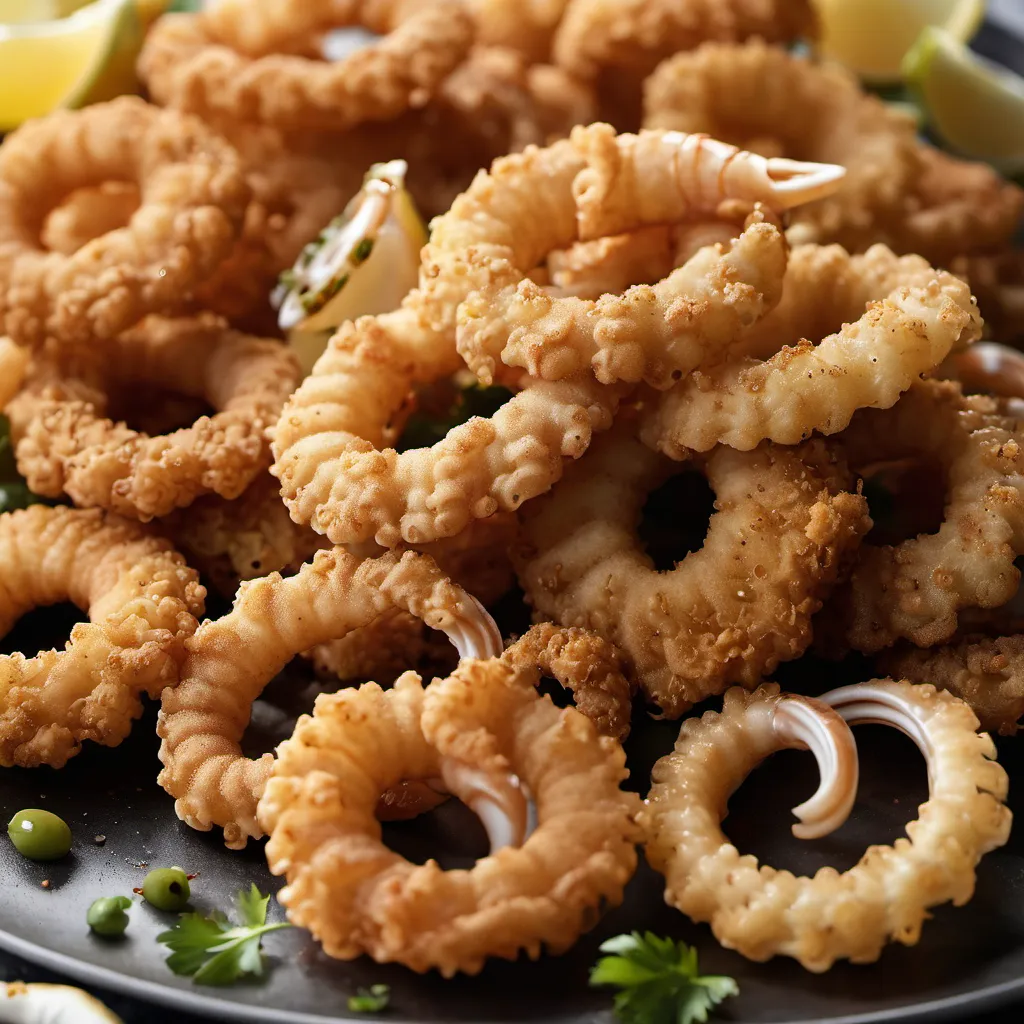


This article delves into the science behind why calamari explodes during frying and provides comprehensive, step-by-step guidance on how to prevent these culinary mishaps. We’ll cover everything from proper squid preparation and batter formulation to optimal frying temperatures and techniques, ensuring you can confidently create restaurant-quality calamari in your own kitchen without fear of oil-related incidents.
Understanding the Science Behind the Splatter
Before we dive into the practical tips, it’s crucial to understand the underlying cause of the explosions. Squid, like all seafood, contains a significant amount of moisture. When this moisture comes into contact with hot oil, it rapidly vaporizes, creating steam. If the steam is trapped within the squid or the batter, the pressure builds until it violently escapes, causing the oil to splatter and potentially ‘explode’.
The key to preventing this lies in minimizing the moisture content of the squid before frying and creating a batter that allows steam to escape gradually, rather than trapping it.
Step-by-Step Guide to Explosion-Proof Calamari Frying
1. Squid Selection and Preparation: The Foundation of Success
The first step to preventing explosions is selecting fresh, high-quality squid. Look for squid with firm, pearly white flesh and a mild, ocean-like scent. Avoid squid that appears slimy or has a strong, fishy odor, as these are signs of spoilage.
-
Rinse Thoroughly: Begin by rinsing the squid under cold running water. This removes any surface debris or sand.
-
Separate the Tentacles and Mantle: Gently pull the tentacles away from the body (mantle). Use a sharp knife to separate them if necessary.
-
Remove the Internal Organs: Locate the translucent quill (a plastic-like structure) inside the mantle and pull it out. Remove any remaining internal organs.
-
Remove the Skin: The outer skin of the squid can be removed by gently peeling it away with your fingers. This step is optional, but it can improve the texture of the fried calamari.
-
Remove the Beak: Locate the beak (a hard, black structure) at the center of the tentacles and squeeze it out. This is not edible.
-
Score the Mantle (Important!): This is a crucial step to prevent explosions. Use a sharp knife to lightly score the inside of the mantle in a crosshatch pattern. This creates small channels that allow steam to escape during frying. Be careful not to cut all the way through the mantle.
-
Cut into Rings: Slice the mantle into rings about ½ inch thick. You can also leave them as larger pieces if you prefer. The tentacles can be left whole or cut into smaller pieces.
-
Dry the Squid: This is perhaps the most critical step in preventing explosions. After cleaning and cutting the squid, thoroughly dry it using paper towels. Press the squid firmly to remove as much moisture as possible. You can even let the squid air dry in the refrigerator for an hour or two for even better results.
2. Crafting the Perfect Batter: Achieving Crispy, Not Soggy, Results
The batter is just as important as the squid preparation. A well-formulated batter will adhere to the squid, provide a crispy coating, and allow steam to escape without causing explosions.
-
1 cup all-purpose flour
-
½ cup cornstarch (for extra crispiness)
-
1 teaspoon baking powder (to create air pockets for steam to escape)
-
½ teaspoon salt
-
¼ teaspoon black pepper
-
Optional spices: garlic powder, onion powder, paprika, cayenne pepper (for a spicy kick)
-
¾ – 1 cup cold water or club soda (club soda adds extra lightness)
-
In a large bowl, whisk together the flour, cornstarch, baking powder, salt, pepper, and any optional spices.
-
Gradually add the cold water or club soda, whisking until just combined. Be careful not to overmix, as this can develop the gluten in the flour and result in a tough batter. The batter should be thin enough to easily coat the squid but thick enough to adhere well.
-
Important Tip: For an even lighter and crispier batter, consider using a combination of rice flour and cornstarch instead of all-purpose flour. Rice flour is naturally gluten-free and produces an incredibly delicate and crispy coating.
-
Buttermilk Batter: Substitute cold buttermilk for the water for a tangy flavor and extra tender squid.
-
Beer Batter: Use cold beer (lager or pilsner) for a richer flavor and a light, airy batter. The carbonation in the beer helps create a crispy coating.
-
Tempura Batter: For a light and delicate Japanese-style batter, use a tempura batter mix or make your own with flour, cornstarch, and ice-cold water.
3. The Frying Process: Temperature, Technique, and Timing
-
Choose the Right Oil: Use a high smoke point oil, such as canola oil, vegetable oil, peanut oil, or grapeseed oil. Avoid olive oil, as it has a lower smoke point and can burn easily.
-
Use a Deep Fryer or a Large Pot: A deep fryer is ideal for maintaining a consistent temperature, but a large, heavy-bottomed pot will also work well. Make sure the pot is deep enough to safely submerge the squid in oil.
-
Heat the Oil to the Correct Temperature: Use a deep-fry thermometer to monitor the oil temperature. The ideal temperature for frying calamari is between 350°F (175°C) and 375°F (190°C). If the oil is too cold, the calamari will absorb too much oil and become soggy. If the oil is too hot, the calamari will burn on the outside before it’s cooked through on the inside.
-
Don’t Overcrowd the Fryer: Fry the calamari in small batches to prevent the oil temperature from dropping too much. Overcrowding the fryer will also result in unevenly cooked and soggy calamari.
-
Coat the Squid Just Before Frying: Dip the dried squid rings and tentacles into the batter just before frying. This prevents the batter from becoming soggy and ensures a crispy coating.
-
Gently Lower the Squid into the Hot Oil: Use a slotted spoon or tongs to carefully lower the battered squid into the hot oil. Be careful not to splash the oil.
-
Fry Until Golden Brown and Crispy: Fry the calamari for 2-3 minutes, or until it’s golden brown and crispy. Turn the squid occasionally to ensure even cooking.
-
Remove and Drain: Use a slotted spoon to remove the fried calamari from the oil and place it on a wire rack lined with paper towels to drain excess oil. This will help keep the calamari crispy.
-
Season Immediately: Season the hot calamari with salt and any other desired seasonings, such as pepper, garlic powder, or paprika.
4. Advanced Tips for Crispy, Explosion-Free Calamari
-
Double Coating: For an extra crispy coating, try double coating the squid. Dip the squid in flour, then in the batter, and then back in the flour before frying.
-
Pre-Frying: For even more consistent results, consider pre-frying the calamari at a lower temperature (around 325°F or 160°C) for a minute or two, then letting it cool before frying it again at the higher temperature (375°F or 190°C) until golden brown. This technique helps cook the squid through evenly and ensures a super crispy exterior.
-
Using a Spider Skimmer: A spider skimmer (a large, shallow skimmer with a mesh basket) is ideal for removing the fried calamari from the oil quickly and efficiently.
-
Maintaining Oil Temperature: Use a candy or deep-fry thermometer to consistently monitor the oil temperature, adjusting the heat as needed. A stable oil temperature is key to crispy and evenly cooked calamari.
-
Filtering the Oil: After each batch of frying, use a fine-mesh sieve to filter the oil and remove any food particles. This will help keep the oil clean and prevent it from smoking or burning.
5. Serving Suggestions and Creative Calamari Creations
-
Classic Calamari: Serve the fried calamari with a side of marinara sauce, tartar sauce, or aioli for dipping. A squeeze of fresh lemon juice adds a bright, acidic touch.
-
Asian-Inspired Calamari: Toss the fried calamari with a sweet and spicy sauce made with soy sauce, honey, ginger, garlic, and chili flakes. Garnish with sesame seeds and chopped green onions.
-
Calamari Salad: Add the fried calamari to a fresh salad with mixed greens, cherry tomatoes, cucumbers, and a light vinaigrette dressing.
-
Calamari Tacos: Use the fried calamari as a filling for tacos, along with shredded cabbage, pico de gallo, and a creamy chipotle sauce.
-
Calamari Pizza: Top a pizza with fried calamari, marinara sauce, mozzarella cheese, and a sprinkle of oregano.
-
Calamari Pasta: Toss the fried calamari with your favorite pasta, marinara sauce, and a sprinkle of Parmesan cheese.
6. Troubleshooting Common Calamari Frying Problems
-
Soggy Calamari: This is usually caused by overcrowding the fryer, using oil that’s not hot enough, or not drying the squid thoroughly before frying. Make sure to fry in small batches, use a deep-fry thermometer to maintain the correct oil temperature, and thoroughly dry the squid before coating it in batter.
-
Burnt Calamari: This is usually caused by using oil that’s too hot or frying the calamari for too long. Use a deep-fry thermometer to maintain the correct oil temperature and fry the calamari until it’s golden brown, not burnt.
-
Unevenly Cooked Calamari: This can be caused by overcrowding the fryer or not turning the calamari occasionally during frying. Fry in small batches and turn the calamari occasionally to ensure even cooking.
-
Batter Falling Off: This can be caused by not drying the squid thoroughly before coating it in batter or using a batter that’s too thin. Make sure to dry the squid thoroughly and use a batter that’s thick enough to adhere well.
7. Safety Precautions When Frying
-
Never Leave Hot Oil Unattended: Always supervise the oil while it’s heating and frying.
-
Use a Deep-Fry Thermometer: This will help you maintain the correct oil temperature and prevent the oil from overheating and potentially catching fire.
-
Keep a Fire Extinguisher Nearby: In case of a grease fire, never use water to extinguish it. Use a fire extinguisher designed for grease fires or cover the pot with a lid to smother the flames.
-
Wear Appropriate Clothing: Avoid wearing loose clothing that could catch fire. Wear an apron to protect your clothes from splatters.
-
Be Careful When Adding Food to Hot Oil: Gently lower the food into the oil to prevent splattering. Use tongs or a slotted spoon to avoid getting burned.
-
Allow Oil to Cool Completely Before Disposing: Never pour hot oil down the drain. Allow it to cool completely before disposing of it properly.
Conclusion: Crispy Calamari Success is Within Reach
By following these comprehensive tips and techniques, you can confidently fry calamari at home without fear of explosions or soggy results. From proper squid preparation and batter formulation to optimal frying temperatures and safety precautions, mastering the art of calamari frying is within your reach. So, gather your ingredients, put on your apron, and get ready to create crispy, golden-brown calamari that will impress your family and friends. Happy frying!
Remember, practice makes perfect. Don’t be discouraged if your first batch isn’t flawless. With a little patience and attention to detail, you’ll be frying restaurant-quality calamari in no time.