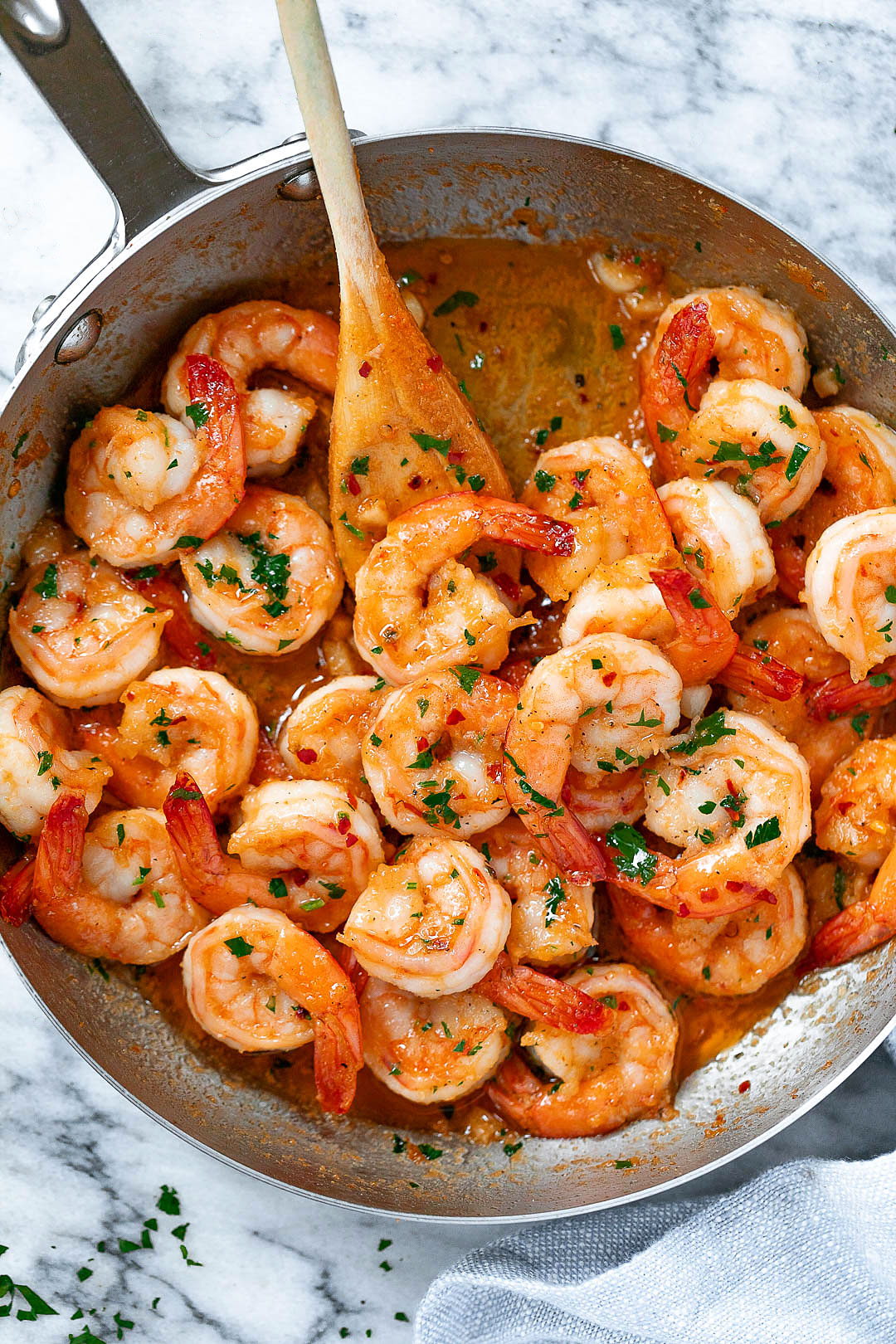
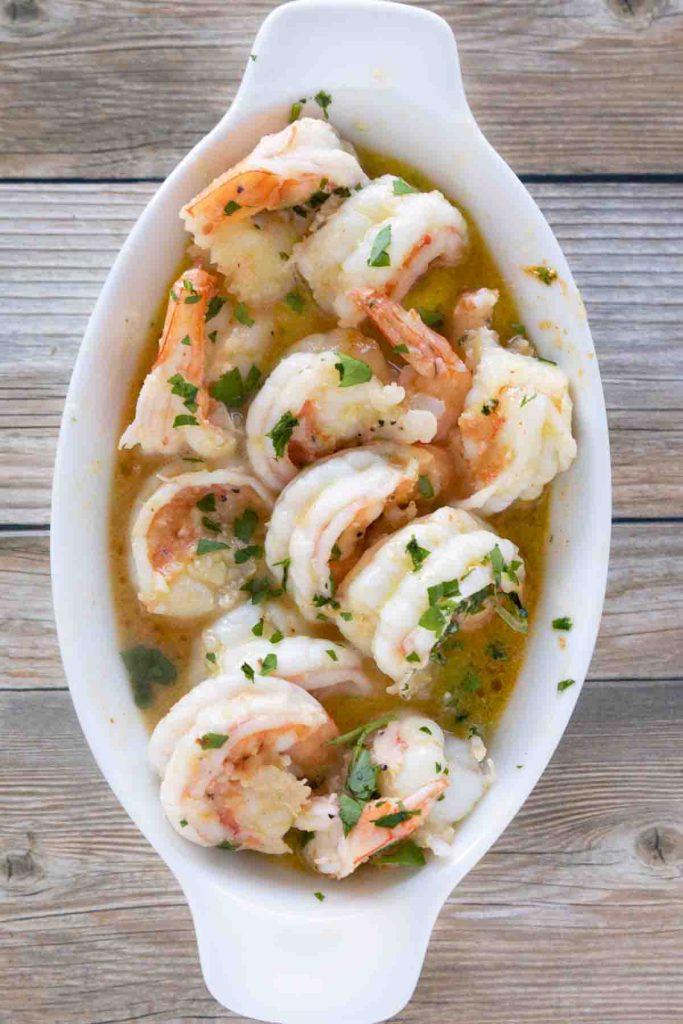

This comprehensive guide aims to demystify the art of creating garlic butter shrimp that isn’t just tasty, but truly ‘wangi menggoda’ – irresistibly fragrant. We’ll delve into everything from selecting the finest ingredients to mastering the cooking process, ensuring your next culinary endeavor with shrimp is nothing short of spectacular.
The journey to an extraordinary garlic butter shrimp begins long before the pan even touches the heat. It starts with the meticulous selection of each component, understanding that the quality of your raw materials directly dictates the final outcome. Compromise here, and you compromise the dish itself.
First and foremost, the shrimp. Opt for fresh, wild-caught shrimp whenever possible. Look for shrimp that are firm to the touch, translucent, and have a mild, oceanic scent – never fishy. If fresh isn’t an option, high-quality frozen shrimp can be an excellent alternative, provided they are properly thawed. Thaw them slowly in the refrigerator overnight, or under cold running water for a quicker method. The size matters too; medium to large shrimp (21/25 count or larger) tend to hold up better to cooking and offer a more satisfying bite.
Decide whether to use shell-on or peeled shrimp. While peeling shrimp can be tedious, pre-peeled and deveined shrimp are convenient. However, many chefs argue that cooking shrimp with the shell on, or at least with the tail on, helps retain moisture and flavor, particularly in the shell and fat under it. For maximum flavor infusion, consider leaving the tail on, even if the body is peeled.
Next, let’s talk about butter. This isn’t just a cooking medium; it’s a foundational flavor. Always choose unsalted butter of high quality. Unsalted butter gives you complete control over the dish’s seasoning. European-style butters, often with a higher fat content, can impart a richer, more luxurious mouthfeel and flavor. Avoid margarine or butter substitutes; they simply won’t deliver the same depth or aroma.
The star of the show, garlic, demands respect. Fresh garlic is non-negotiable. Pre-minced garlic in jars, while convenient, lacks the pungent, vibrant flavor and aroma of fresh cloves. For the best results, choose firm, unblemished garlic heads. The method of preparing the garlic is also crucial: fine mincing or grating will release more of its aromatic compounds, contributing significantly to the dish’s fragrance.
Beyond the main trio, a few supporting actors elevate the dish. Lemon juice provides a crucial burst of acidity, brightening the flavors and cutting through the richness of the butter. Freshly squeezed lemon juice is paramount here. Fresh herbs, particularly parsley, add a layer of freshness and visual appeal. Flat-leaf parsley is often preferred for its robust flavor and vibrant green color.
Finally, don’t forget the basics: high-quality salt (sea salt or kosher salt) and freshly ground black pepper. A pinch of red pepper flakes can introduce a subtle warmth and complexity, if desired, without making the dish overtly spicy.
With your ingredients meticulously selected, proper preparation is the next critical step. This ensures a smooth cooking process and optimal flavor development.
If using shell-on shrimp, peel them, leaving the tails on if preferred. Then, devein them carefully. You can do this by making a shallow incision along the back of the shrimp and removing the dark vein. Rinsing the shrimp under cold water and patting them thoroughly dry with paper towels is essential. Excess moisture will steam the shrimp instead of searing them, hindering that perfect texture and flavor.
Prepare your garlic: a minimum of 4-6 cloves, or even more if you’re a garlic enthusiast. Finely mince the garlic. Avoid crushing it with a press, as this can release bitter notes. The goal is small, uniform pieces that will infuse the butter beautifully without burning too quickly. Have all your other ingredients measured and ready – this is known as ‘mise en place’ and is a fundamental chef’s practice for efficient and stress-free cooking.
Now, the moment of truth: the cooking process. This is where skill and timing converge to transform simple ingredients into a culinary masterpiece. Heat management is paramount.
Begin by heating a large skillet or pan over medium-high heat. A stainless steel or cast-iron skillet works best for achieving a good sear. Once hot, add a generous knob of unsalted butter. Allow the butter to melt and foam, but be vigilant to prevent it from browning too quickly. The goal is to infuse the butter with garlic, not to burn the garlic.
As the butter melts, add your finely minced garlic. This is a crucial step for building fragrance. Sauté the garlic for about 30 seconds to 1 minute, stirring constantly, until it becomes fragrant. It should be aromatic, not browned. Burnt garlic tastes bitter and will ruin the dish. This gentle ‘blooming’ of the garlic in warm butter is a cornerstone of its irresistible aroma.
Immediately after the garlic becomes fragrant, add the dried shrimp to the pan in a single layer. Avoid overcrowding the pan, as this will lower the pan’s temperature and cause the shrimp to steam instead of sear, resulting in rubbery texture. If necessary, cook the shrimp in batches. Season the shrimp generously with salt and freshly ground black pepper at this stage.
Cook the shrimp for only 1-2 minutes per side, or until they turn opaque and pink. Shrimp cook very quickly, and overcooking is the most common mistake. Overcooked shrimp become tough and rubbery, losing their delicate sweetness. The moment they curl into a ‘C’ shape and lose their translucency, they are typically done.
Once the shrimp are almost cooked through, pour in the freshly squeezed lemon juice. This burst of acidity not only brightens the flavors but also helps deglaze the pan, picking up any flavorful bits stuck to the bottom. If you desire a slightly richer sauce, a splash of dry white wine or chicken broth can be added at this point, allowing it to reduce for a minute.
Just before removing the pan from the heat, stir in a generous amount of fresh, chopped parsley. The heat from the pan will gently wilt the parsley, releasing its fresh, herbaceous aroma without cooking it down too much. For an extra touch of richness and sheen, a small knob of cold unsalted butter can be swirled into the sauce right at the end, off the heat, creating an emulsified, glossy finish.
To achieve that truly ‘wangi menggoda’ aroma, chefs employ several subtle yet impactful techniques. One key is the gradual infusion of garlic. Instead of dumping all the garlic in at once, some chefs will add a small portion early to infuse the butter, and then add the remaining garlic towards the end of the shrimp cooking process for a fresh, vibrant garlic punch.
Another secret lies in using high heat initially for the shrimp, then reducing it slightly. This achieves a beautiful sear on the shrimp while preventing the garlic and butter from burning. The quick cooking time ensures the shrimp retain their tender texture and natural sweetness, which complements the robust garlic-butter flavor.
Consider adding a tiny pinch of sugar to the garlic as it sautés. This can help prevent the garlic from burning and slightly caramelize it, bringing out a sweeter, deeper garlic flavor without bitterness. This is a subtle trick that adds surprising depth.
For an even more profound garlic flavor, try making a garlic-infused oil beforehand. Gently simmer sliced garlic in olive oil over very low heat until fragrant and slightly golden, then use this oil in combination with butter. This technique allows for a deeper, more mellow garlic essence.
Don’t underestimate the power of a final flourish. A sprinkle of chili flakes (for a gentle kick), a dash of smoked paprika for earthy depth, or even a tiny amount of finely grated Parmesan cheese melted into the sauce can add layers of complexity and enhance the overall aromatic profile.
- Overcooking the Shrimp: This is the most prevalent error. Shrimp turn rubbery in seconds. Watch them closely; as soon as they curl into a loose ‘C’ shape and turn opaque pink, they’re done.
- Burning the Garlic: Burnt garlic is bitter and unpleasant. Keep the heat moderate when sautéing garlic and stir constantly. If it starts to brown too quickly, remove the pan from the heat momentarily.
- Overcrowding the Pan: This lowers the pan temperature, preventing a proper sear and causing the shrimp to steam in their own juices. Cook in batches if necessary.
- Using Cold Shrimp Directly from the Fridge: Cold shrimp will lower the pan temperature too much and cook unevenly. Allow them to come closer to room temperature for about 15-20 minutes before cooking.
- Skimping on Seasoning: Garlic butter shrimp needs proper seasoning. Taste as you go and adjust salt and pepper. The lemon juice also plays a role in balancing the flavors.
Garlic butter shrimp is incredibly versatile. It shines as a standalone appetizer, perhaps served with crusty bread to sop up every last drop of that glorious sauce. It also makes a fantastic main course.
Serve it over a bed of al dente pasta, such as linguine or spaghetti, for a complete meal. The rich sauce coats the pasta beautifully. Alternatively, pair it with fluffy white rice or quinoa for a lighter option. For a low-carb alternative, serve it alongside steamed asparagus, zucchini noodles, or a fresh green salad.
Garnish generously with extra fresh parsley and a lemon wedge. A light dusting of finely grated Parmesan cheese can also add a delightful savory note and visual appeal. Remember, presentation enhances the dining experience.
The beauty of garlic butter shrimp lies in its adaptability. Once you’ve mastered the basic technique, feel free to experiment and make it your own.
Consider adding other vegetables: cherry tomatoes, spinach, or thinly sliced mushrooms can be sautéed alongside the shrimp. For a slightly different herb profile, try fresh basil, thyme, or oregano. A touch of white wine or chicken broth can deepen the sauce, while a splash of heavy cream can transform it into a richer, creamier version.
For those who enjoy a bit of heat, increase the amount of red pepper flakes or add a dash of your favorite hot sauce. A sprinkle of smoked paprika can lend a subtle smoky depth, complementing the garlic and butter beautifully.
Ultimately, the goal is to create a dish that not only tastes incredible but also captivates the senses with its irresistible aroma. The ‘wangi menggoda’ comes from the harmonious interplay of fresh, quality ingredients and precise cooking techniques.
By paying attention to the details – from selecting the freshest shrimp and finest butter to carefully blooming your garlic and perfecting your cooking time – you can consistently achieve a garlic butter shrimp that rivals any restaurant. It’s a dish that speaks of comfort, indulgence, and culinary mastery, all wrapped up in a wonderfully fragrant package.
Embrace the process, experiment with subtle variations, and most importantly, enjoy the delightful journey of creating this timeless classic. Your kitchen will thank you, and your taste buds will rejoice in the fragrant, buttery goodness of perfectly cooked garlic butter shrimp. Happy cooking!