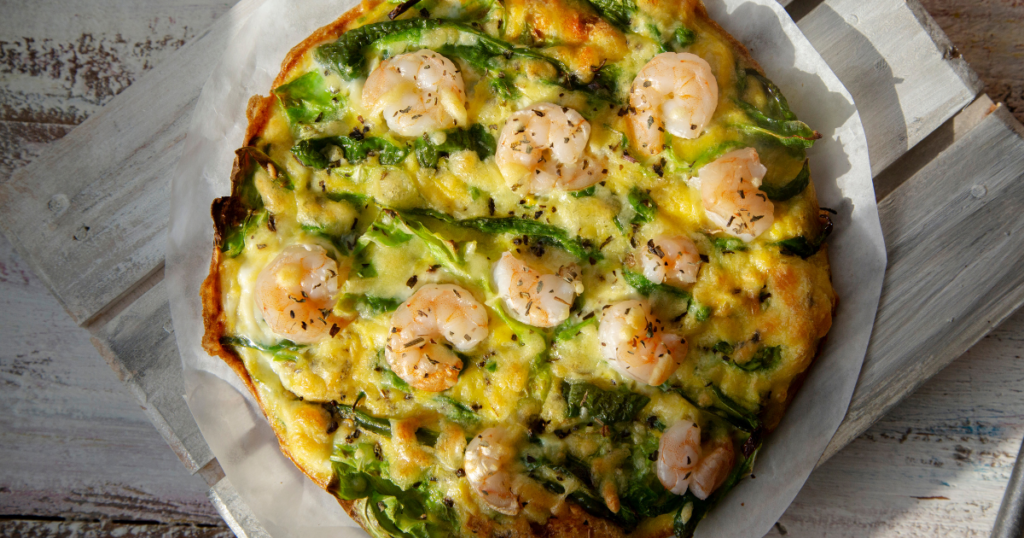
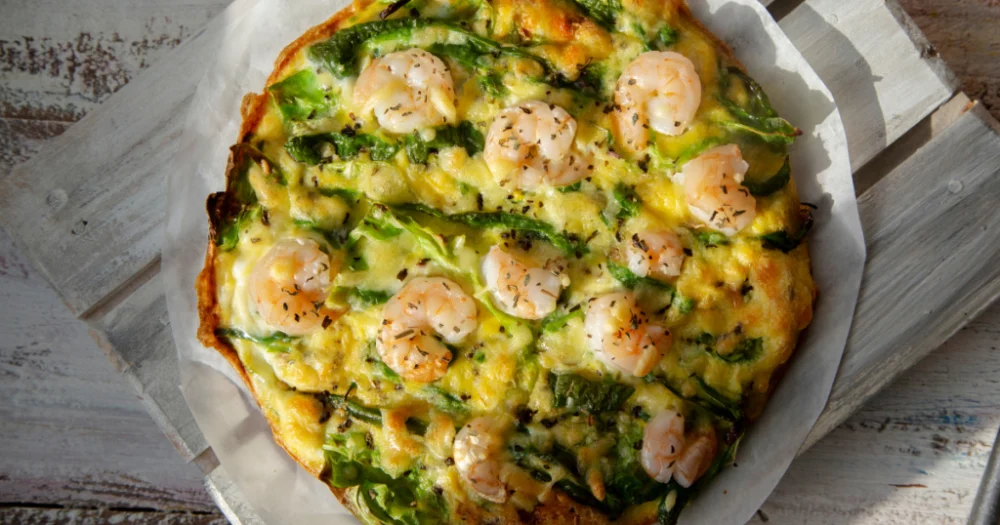

While traditional frittatas often feature vegetables, cheese, and cured meats, the seafood frittata offers a distinct and delightful twist. The delicate flavors of various seafood, from succulent shrimp to tender calamari or flaky fish, meld exquisitely with the richness of eggs and dairy. This combination creates a dish that is not only incredibly flavorful but also remarkably nutritious, packed with lean protein and essential omega-3 fatty acids, depending on your choice of seafood.
One of the greatest appeals of a seafood frittata is its incredible versatility. It transcends the boundaries of a single mealtime, making it an excellent choice for a hearty breakfast, an elegant brunch, a light lunch, or even a sophisticated dinner. Its ability to be served hot, warm, or at room temperature also makes it ideal for picnics, potlucks, or meal prepping for a busy week, offering convenience without compromising on taste or quality.
The concept of ‘practical’ in cooking often revolves around efficiency, accessibility, and simplicity. A practical seafood frittata means minimizing fuss, utilizing readily available ingredients, and employing techniques that guarantee success even for novice cooks. This article aims to demystify the process, providing you with all the practical tips and insights needed to create a seafood frittata that is consistently delicious, perfectly cooked, and a joy to prepare.
Understanding the Frittata Basics: What is a Frittata? At its core, a frittata is an Italian egg dish, typically started on the stovetop and then finished in the oven. Unlike an omelet, which is folded, a frittata is cooked flat and usually contains its fillings mixed directly into the egg base. This method allows for a beautiful, golden-brown top and a custardy, flavorful interior, making it a more substantial and shareable dish than its French counterpart.
Why Seafood Frittata? The choice of seafood brings a unique dimension to the frittata. Seafood offers a lighter, fresher flavor profile compared to heavier meats, making the dish feel gourmet yet accessible. Beyond taste, incorporating seafood introduces a wealth of nutritional benefits, including high-quality protein, vitamins (like B12 and D), and minerals such as iodine and selenium. For those seeking healthy and delicious meal options, a seafood frittata is an excellent choice.
Essential Ingredients: The Foundation of Flavor Crafting a truly exceptional seafood frittata begins with selecting the right ingredients. Quality matters immensely here, as the simplicity of the dish means each component truly shines. From the freshness of your eggs to the succulence of your seafood and the crispness of your vegetables, every element contributes to the final masterpiece.
Choosing Your Eggs: The Heart of the Frittata Eggs are, without a doubt, the star of the show. For a standard 8-10 inch frittata, you’ll typically need 6-8 large eggs. Always opt for the freshest eggs you can find, as they contribute significantly to the texture and flavor. Fresh eggs yield a richer, more vibrant yolk and a firmer, more cohesive whites, which translates to a superior frittata. Consider free-range or organic eggs for enhanced flavor and nutritional value.
Selecting the Perfect Seafood This is where you can truly personalize your frittata. Popular choices include:
- Shrimp: Quick-cooking, sweet, and widely available. Medium to large shrimp work best, peeled and deveined.
- Scallops: Offer a delicate, buttery flavor and tender texture. Small bay scallops or larger sea scallops, quartered, are excellent.
- Calamari (Squid): When cooked correctly, it’s tender and subtly sweet. Rings and tentacles are both suitable.
- Flaky White Fish: Cod, snapper, or halibut can be gently flaked and added. Ensure bones and skin are removed.
- Mussels or Clams: Cooked and shelled, these add a briny depth of flavor.
A mix of 1-2 types of seafood often creates the most interesting flavor profile and texture.
When it comes to seafood, you have the option of fresh or frozen. Fresh seafood, when available from a reputable source, will always offer the best flavor and texture. However, frozen seafood is a perfectly viable and practical alternative, especially for those who don’t live near the coast. If using frozen seafood, ensure it is properly thawed in the refrigerator overnight or under cold running water, and then thoroughly patted dry before cooking to prevent excess moisture from making your frittata watery.
Vegetables for Flavor and Texture Vegetables not only add nutritional value but also contribute significantly to the frittata’s flavor and texture. Start with an aromatic base:
- Onions: Yellow or red, finely diced, provide a sweet foundation.
- Garlic: Minced, adds a pungent depth that complements seafood wonderfully.
These should be sautéed until softened and fragrant to release their full flavor potential.
Beyond the aromatics, a variety of complementary vegetables can be included:
- Bell Peppers: Red, yellow, or orange, thinly sliced or diced, add sweetness and color.
- Spinach: Fresh spinach wilts down beautifully, adding iron and a vibrant green hue.
- Zucchini or Asparagus: Sliced thin, they offer a delicate crunch and earthy notes.
- Cherry Tomatoes: Halved, they burst with juicy sweetness.
- Mushrooms: Sliced and sautéed, they add an umami depth.
Remember to pre-cook denser vegetables to ensure they are tender by the time the frittata is ready.
Dairy Components: Richness and Creaminess Dairy adds an essential creaminess and richness to the frittata, preventing it from becoming too dense or rubbery. A splash of milk, cream, or half-and-half (about 2-4 tablespoons per 6-8 eggs) is typically whisked into the eggs. For cheese, consider:
- Parmesan or Pecorino Romano: Adds a sharp, salty, umami kick.
- Cheddar or Gruyère: Melts beautifully and provides a nutty, savory flavor.
- Mozzarella or Fontina: Offers a milder, stretchier texture.
A combination of a hard, salty cheese and a melting cheese often works best, with about 1/2 cup to 1 cup total, depending on preference.
Herbs and Spices: The Soul of Seasoning Proper seasoning is paramount. Salt and freshly ground black pepper are non-negotiable. Beyond that, fresh herbs elevate the dish significantly:
- Parsley: Fresh, chopped, adds a clean, herbaceous note.
- Dill: Pairs exceptionally well with most seafood, offering a bright, slightly anise-like flavor.
- Chives: Provide a mild oniony zest.
- Thyme or Oregano: Can add an earthy, Mediterranean touch, especially with certain fish.
Dried herbs can be used, but use them sparingly as their flavor is more concentrated. A pinch of paprika or a hint of red pepper flakes can introduce a subtle warmth or kick, if desired.
Preparation: Getting Started Right (Mise en Place) The key to a ‘practical’ frittata lies in efficient preparation, known in professional kitchens as ‘mise en place’ (everything in its place). Before you even turn on the stove, have all your ingredients chopped, measured, and ready to go. This streamlines the cooking process, prevents frantic searching for ingredients, and ensures a smooth, enjoyable culinary experience.
Step 1: Sautéing Your Aromatics and Vegetables Begin by heating a tablespoon or two of olive oil or butter in an oven-safe, non-stick skillet over medium heat. Add your diced onions and cook until softened and translucent, usually 5-7 minutes. Then, add minced garlic and any other denser vegetables like bell peppers or zucchini, cooking until they are tender-crisp. This step is crucial for building the foundational flavor of your frittata.
Step 2: Incorporating the Seafood Once your vegetables are nearly done, add your prepared seafood to the skillet. Seafood cooks very quickly, so be mindful not to overcook it at this stage. Shrimp, scallops, and calamari typically need only 2-3 minutes per side, or until just opaque. If using pre-cooked seafood, simply warm it through. Remove the seafood from the pan and set aside briefly if you’re concerned about overcooking it during the egg mixture phase, adding it back just before pouring the eggs.
Step 3: Crafting the Egg Mixture In a large mixing bowl, crack your eggs. Add the milk or cream, a generous pinch of salt, and a good grind of black pepper. Whisk vigorously until the yolks and whites are fully combined and slightly frothy. This aeration helps create a lighter, fluffier frittata. Stir in about half of your chosen fresh herbs and some of the cheese into the egg mixture; this ensures flavor is distributed throughout the frittata.
Step 4: Combining and Initial Stovetop Cooking Return the cooked vegetables and seafood (if removed) to the skillet, distributing them evenly across the bottom. Pour the egg mixture over the top. Gently stir once or twice to ensure the fillings are evenly suspended. Let the frittata cook on the stovetop over medium-low heat for about 5-7 minutes, or until the edges begin to set and the bottom is lightly golden. You should see the sides firming up, but the center will still be quite liquid.
Step 5: The Oven Finish This is where the magic happens. Sprinkle the remaining cheese and herbs over the partially set frittata. Transfer the skillet to a preheated oven (usually 350°F / 175°C). Bake for 10-15 minutes, or until the frittata is puffed, golden brown on top, and set in the center. To check for doneness, gently jiggle the pan; the center should be firm with no liquid movement. Avoid overbaking, as this can lead to a dry or rubbery texture.
Step 6: Resting and Serving Once baked, remove the frittata from the oven and let it rest in the skillet for 5-10 minutes. This resting period allows the frittata to set completely and makes it easier to slice and serve. Running a knife around the edge of the pan before inverting it onto a serving plate (or simply slicing and serving directly from the pan) helps ensure a clean presentation. Garnish with additional fresh herbs before serving.
Practical Tips for Frittata Perfection: Insider Secrets Achieving a consistently perfect frittata involves more than just following steps; it’s about understanding the nuances. These practical tips will elevate your frittata from good to truly exceptional, ensuring a delightful experience every time.
Tip 1: Don’t Overcrowd the Pan A common mistake is packing too many ingredients into the skillet. Overcrowding prevents even cooking, particularly for vegetables, and can lead to a soggy frittata. For a standard 10-inch pan, aim for no more than 2-3 cups of fillings (vegetables and seafood combined). If you have more ingredients, consider making two smaller frittatas or using a larger pan.
Tip 2: Pre-cook Dense Vegetables Thoroughly Vegetables like potatoes, carrots, or even denser bell peppers need more time to cook than the eggs. Always sauté these ingredients until they are tender before adding the egg mixture. If they are undercooked, they will remain hard and unpleasant in the finished frittata, detracting from the overall texture.
Tip 3: Drain Excess Liquid from Seafood and Vegetables Seafood, especially when thawed from frozen, can release a significant amount of water. Similarly, certain vegetables like mushrooms or spinach can be quite watery. After cooking, ensure you drain off any excess liquid from your fillings before combining them with the eggs. This crucial step prevents a watery, diluted frittata and ensures a firm, custardy texture.
Tip 4: Season at Every Stage Layering flavor is the secret to a delicious dish. Season your vegetables as they sauté, season your seafood as it cooks, and most importantly, season your egg mixture generously. Taste as you go, remembering that eggs can absorb a fair amount of salt. This ensures that every bite of your frittata is bursting with flavor, rather than tasting bland.
Tip 5: Choose the Right Pan An oven-safe, non-stick skillet is your best friend for frittatas. A 10-inch pan is ideal for 6-8 eggs. The non-stick surface ensures easy release, and the oven-safe handle (often cast iron or stainless steel) allows for a seamless transition from stovetop to oven. Cast iron pans are also excellent as they retain heat well and provide a beautiful crust.
Tip 6: Monitor Oven Temperature and Don’t Overbake While the oven finishes the cooking, a moderate temperature (around 350°F / 175°C) is key. Too high, and the outside will brown too quickly while the inside remains raw. Too low, and it might dry out. Avoid overbaking at all costs; a frittata should be just set, still slightly custardy in the center, not dry and rubbery. The ‘jiggle test’ is your best indicator.
Tip 7: The "Jiggle Test" for Doneness To ascertain if your frittata is perfectly cooked, gently shake the pan. The edges should be firm and set, but the very center might still have a slight, barely perceptible jiggle. This indicates a moist, tender interior. If it’s completely firm with no movement, it’s likely overcooked. Remember, it will continue to cook slightly from residual heat as it rests.
Variations and Customizations: Unleash Your Creativity The beauty of a frittata lies in its adaptability. Once you master the basic technique, you can endlessly experiment with different combinations of seafood, vegetables, cheeses, and seasonings to suit your taste and whatever ingredients you have on hand.
For seafood, consider smoked salmon for a richer flavor, or even canned tuna or sardines (well-drained) for a budget-friendly option. Experiment with different cheese pairings: feta and spinach, goat cheese and sun-dried tomatoes, or provolone with roasted red peppers. The possibilities are truly limitless, allowing you to create a unique frittata every time.
Herb and spice variations can completely transform the dish. Try a Mediterranean twist with oregano, basil, and olives, or an Asian-inspired frittata with ginger, scallions, and a dash of soy sauce (be mindful of salt). A pinch of nutmeg can enhance the creamy notes of the dairy, while a dash of hot sauce in the egg mixture can add a pleasant warmth.
Making it Healthier: For a lighter version, consider using more egg whites than whole eggs, or substituting some of the whole eggs with egg whites entirely. Reduce the amount of cheese, or opt for lower-fat dairy options. Maximize vegetable content, particularly leafy greens like spinach or kale, to boost fiber and nutrients while keeping calories low. Lean fish like cod or tilapia are also excellent choices for a lighter seafood option.
Serving Suggestions: More Than Just Breakfast While often associated with breakfast or brunch, a seafood frittata is far too delicious and versatile to be confined to morning meals. It makes an excellent light lunch, paired with a simple green salad and a crusty slice of bread. For dinner, it can be the star of the show, accompanied by roasted vegetables or a quinoa salad.
As a side dish, a smaller frittata can complement grilled chicken or fish. Its ability to be served at room temperature also makes it a fantastic addition to a picnic basket or a buffet spread. Consider pairing it with a fresh tomato salsa, a dollop of sour cream or Greek yogurt, or a drizzle of good quality olive oil and a sprinkle of flaky sea salt.
Storage and Reheating: Enjoying Leftovers One of the practical advantages of a frittata is how well it stores and reheats. Allow the frittata to cool completely before transferring it to an airtight container. It will keep beautifully in the refrigerator for up to 3-4 days. For longer storage, slices can be individually wrapped and frozen for up to 1-2 months. Thaw frozen frittata in the refrigerator overnight before reheating.
To reheat, you have a few options:
- Microwave: For a quick reheat, individual slices can be microwaved on medium power until warmed through, usually 1-2 minutes. Be careful not to overcook, as this can make the eggs rubbery.
- Oven: For the best texture, especially if reheating a larger portion, place the frittata on a baking sheet and reheat in a preheated oven at 300°F (150°C) for 10-15 minutes, or until warmed through.
- Stovetop: You can also gently reheat slices in a non-stick pan over low heat until warm.
Troubleshooting Common Frittata Problems Even with the best intentions, sometimes things don’t go exactly as planned. Knowing how to identify and fix common frittata issues can save your meal and boost your confidence in the kitchen. Most problems stem from either too much moisture or incorrect cooking temperatures.
Problem: Watery Frittata If your frittata turns out watery, the most likely culprit is excess moisture from your fillings. This can happen if seafood isn’t properly drained after thawing or if vegetables with high water content (like mushrooms, spinach, or zucchini) aren’t sufficiently cooked down before adding the eggs. Ensure you always pat seafood dry and sauté watery vegetables until most of their liquid has evaporated.
Problem: Rubber Frittata A rubbery texture is almost always a sign of overcooked eggs. This can occur if the heat is too high on the stovetop, if the oven temperature is too high, or if the frittata is left in the oven for too long. Remember the ‘jiggle test’ and remove the frittata when it’s just set. Using a splash of dairy in your egg mixture also helps keep the frittata tender and moist.
Conclusion: Your Culinary Journey Awaits Making a practical seafood frittata is a rewarding experience that offers a delicious, healthy, and versatile meal for any time of day. By understanding the key ingredients, following a simple step-by-step process, and applying these practical tips, you can consistently achieve a perfectly cooked, flavorful frittata that will impress your family and friends. Embrace the freedom to customize and experiment, letting your creativity guide you to countless delicious variations. Happy cooking!