
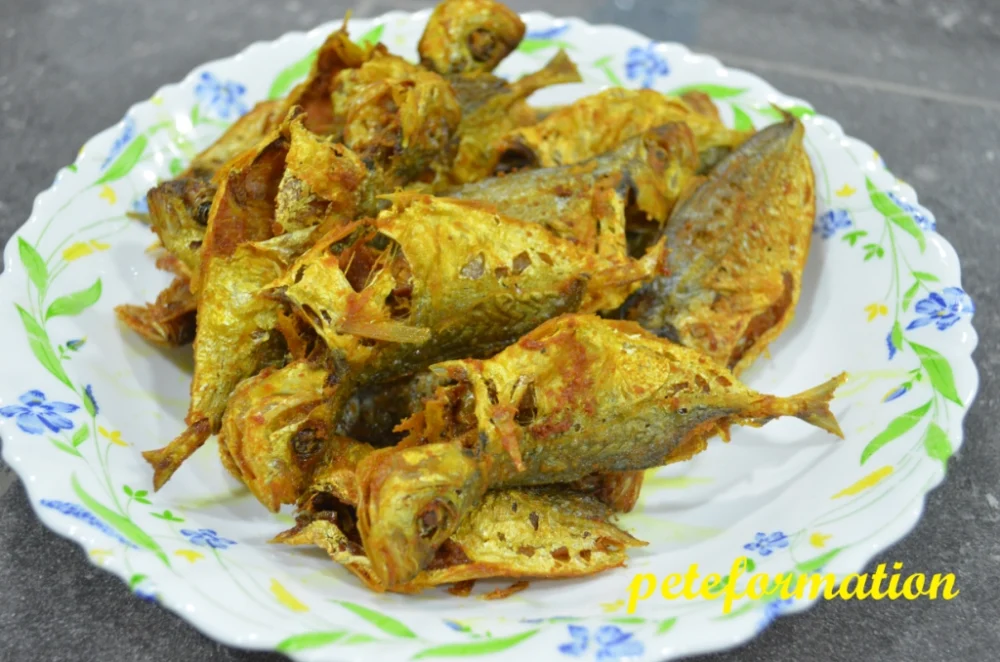

The journey to achieving perfectly crispy and flavorful selar fish begins with selecting the freshest ingredients. For ikan layang, freshness is paramount. Look for fish with clear, bright eyes, firm flesh that springs back when pressed, and a clean, briny smell. Avoid fish that appear dull, have soft or mushy flesh, or emit a strong, unpleasant odor. The size of the fish also matters; medium-sized selar are often ideal, offering a good balance of flesh and bone, which contributes to the overall texture when fried.
Preparing the selar fish properly is the next crucial step. Begin by thoroughly cleaning the fish. Remove the scales by scraping them off with the back of a knife or a specialized fish scaler, working from the tail towards the head. Next, make a slit along the belly and carefully remove the internal organs. Rinse the fish under cold running water, ensuring all blood and debris are washed away from the cavity. Some prefer to remove the head and tail, while others leave them on for presentation and added flavor during frying. Pat the fish completely dry with paper towels. This step is critical for achieving crispiness, as excess moisture will prevent the fish from frying properly and can lead to a soggy texture.
The ‘bumbu kuning’ or yellow spice paste is the heart and soul of this dish. This aromatic blend typically includes turmeric (kunyit), shallots (bawang merah), garlic (bawang putih), ginger (jahe), galangal (lengkuas), candlenuts (kemiri), coriander seeds (ketumbar), and sometimes a touch of chili for heat. The key to a potent bumbu kuning is the quality and freshness of the spices. Using fresh turmeric root, for example, will yield a more vibrant color and robust flavor compared to using dried powder alone.
To prepare the bumbu kuning, all the spice ingredients are typically ground or blended together. Traditionally, a mortar and pestle (ulekan) are used, which imparts a wonderfully rustic texture. Alternatively, a food processor or blender can be used for a smoother paste. If using dried spices like coriander, they should be lightly toasted beforehand to release their aromatic oils. The candlenuts, if used, should also be lightly toasted or blanched to soften them and make them easier to grind.
Beyond the core spices, the bumbu kuning often incorporates aromatics like lemongrass (serai) and kaffir lime leaves (daun jeruk). These are usually bruised or finely chopped and added to the spice paste. A stalk of lemongrass, bruised to release its fragrant oils, and a few kaffir lime leaves, finely sliced or torn, add layers of citrusy and herbaceous notes that beautifully complement the richness of the fish.
Once the bumbu kuning paste is ready, it needs to be cooked to develop its full flavor and aroma. This is typically done by sautéing the paste in a bit of cooking oil over medium heat until it becomes fragrant and the oil begins to separate from the spices. This process, known as ‘menumis bumbu’, is essential for removing the raw taste of the spices and creating a deeply flavorful base. Stir continuously to prevent burning.
After sautéing, the cooked bumbu kuning is then generously coated onto the cleaned and dried selar fish. Ensure each fish is evenly coated, both inside and out, with the spice paste. This allows the flavors to penetrate the flesh during the marination period. Some recipes suggest letting the fish marinate for at least 15-30 minutes, or even longer in the refrigerator, to allow the spices to fully infuse.
For an extra layer of crispiness, a coating is often applied to the fish before frying. This can be a simple dusting of rice flour or cornstarch, or a more elaborate batter. A common method involves mixing rice flour with a bit of salt and pepper, and sometimes a pinch of turmeric for extra color. The fish, coated in the bumbu kuning, is then lightly dredged in this flour mixture. This coating helps to create a barrier that fries up beautifully crisp.
Another popular method for achieving extra crispiness involves a two-step coating process. After marinating in the bumbu kuning, the fish might be dipped in a thin batter (often made from flour, water, and seasonings) and then immediately fried. Alternatively, some recipes employ a technique where the fish is first coated in flour, then dipped in egg, and finally coated in a mixture of flour and breadcrumbs or crispy rice flour for maximum crunch.
The frying process itself is critical for achieving that coveted ‘krispi’ texture. Selar fish are typically deep-fried or pan-fried. For deep-frying, use a generous amount of neutral cooking oil (like vegetable or canola oil) in a wok or deep pot. Heat the oil to the correct temperature – around 170-180°C (340-350°F). Too low a temperature will result in greasy fish, while too high a temperature will burn the outside before the inside is cooked.
Carefully place the coated fish into the hot oil, ensuring not to overcrowd the pan. Overcrowding lowers the oil temperature and leads to uneven cooking and soggy results. Fry the fish in batches until golden brown and crispy on all sides. This usually takes about 3-5 minutes per side, depending on the size of the fish and the oil temperature. Use tongs or a slotted spoon to gently turn the fish to ensure even browning.
For pan-frying, use a slightly smaller amount of oil in a skillet. Heat the oil over medium-high heat. Place the marinated and coated fish in the hot oil and fry until golden and crisp on both sides. This method requires more attention to flipping and ensuring even cooking, especially for smaller fish like selar.
Once the selar fish is perfectly golden and crispy, remove it from the oil using a slotted spoon or spider strainer. Place the fried fish on a wire rack set over a baking sheet or on paper towels to drain any excess oil. Draining on a wire rack is preferable as it allows air to circulate, preventing the bottom of the fish from becoming soggy.
The aroma that fills the kitchen at this stage is intoxicating – a blend of fried fish, fragrant spices, and citrus notes. The visual appeal is equally striking: golden-brown fish with a slightly textured coating, hinting at the crispiness within.
Serving crispy yellow-seasoned selar fish is an art in itself. It is traditionally served hot, immediately after frying, to ensure maximum crispiness. It pairs exceptionally well with steamed white rice, which acts as a perfect neutral canvas to absorb the fish’s flavors and any accompanying sauces or sambals.
Accompanying sambals are essential for elevating the dish. A classic choice is ‘sambal terasi’ (shrimp paste chili sauce), which adds a pungent, spicy kick. ‘Sambal matah’, a Balinese raw chili relish with shallots, lemongrass, and lime, offers a fresh, zesty contrast. Even a simple sambal kecap (sweet soy sauce with chilies and shallots) can be a delightful accompaniment.
Beyond rice and sambal, other side dishes can complement the meal. Fresh cucumber slices, blanched long beans, or a simple stir-fried vegetable dish like ‘kangkung tumis’ (stir-fried water spinach) provide a refreshing counterpoint to the richness of the fried fish.
The ‘bumbu kuning’ itself can sometimes be served as a sauce. After frying the fish, some of the remaining spice paste can be re-heated and drizzled over the fish, or served on the side. This intensifies the yellow spice flavor and adds moisture.
For those who prefer a less intense spice profile, the bumbu kuning can be made milder by reducing the amount of chili or omitting it altogether. The core flavors of turmeric, galangal, and lemongrass will still provide a delicious aromatic base.
The use of turmeric in the ‘bumbu kuning’ not only imparts a beautiful golden hue but also offers potential health benefits. Turmeric is known for its anti-inflammatory and antioxidant properties, making this dish not just delicious but also potentially healthful.
Galangal, another key ingredient, adds a distinct peppery and slightly citrusy note that is different from ginger. Its unique flavor profile is crucial to the authentic taste of ‘bumbu kuning’.
Candlenuts, when used, contribute to the thickness and richness of the spice paste. They have a mild flavor and a creamy texture when ground, helping to bind the spices together.
Coriander seeds provide a warm, earthy, and slightly citrusy aroma that is fundamental to many Indonesian spice blends. Toasting them before grinding significantly enhances their fragrance.
The texture of the final dish is a symphony of contrasts: the shatteringly crisp exterior of the fish yielding to tender, flaky flesh within. The aromatic ‘bumbu kuning’ infuses every bite with its complex, savory, and slightly sweet notes.
To ensure the best results, it’s important to manage the oil temperature during frying. If you are frying multiple batches, allow the oil to return to the optimal temperature between batches. Using a thermometer can be very helpful.
Leftover crispy selar fish, if any, can be enjoyed cold, though the crispiness will be diminished. They can also be gently reheated in an oven or air fryer to restore some of the crispness, but they are best consumed fresh.
Variations of this dish exist across different regions of Indonesia. Some might add tamarind for a slight tang, while others might incorporate different types of chilies for varying levels of heat.
The simplicity of ‘ikan layang krispi bumbu kuning’ lies in its ability to transform humble ingredients into an extraordinary meal. It’s a testament to the rich culinary heritage of Indonesia, where fresh ingredients and aromatic spices are celebrated.
Mastering this dish requires practice, particularly in managing the spice paste consistency and the frying temperature. However, the reward is a deeply satisfying and flavorful meal that is sure to impress.
Ultimately, ‘ikan layang krispi bumbu kuning’ is more than just a fried fish recipe; it’s an experience. It’s the crunch, the aroma, the explosion of flavors, and the joy of sharing a delicious meal.