
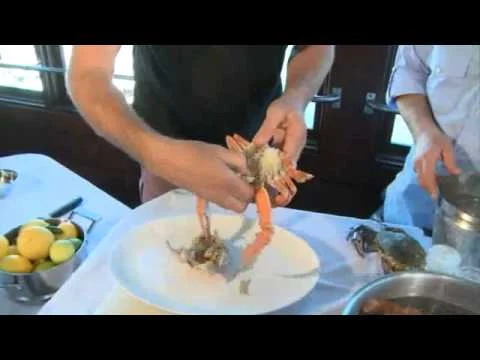

Understanding the Anatomy of Blue Swimming Crab
Before diving into the cooking process, it’s crucial to understand the basic anatomy of a blue swimming crab. The crab’s body is divided into two main sections: the carapace (the upper shell) and the abdomen (the lower flap). The crab also has several legs, including two powerful claws used for catching prey and defense. The meat is primarily found in the body, claws, and legs. The key to preventing disintegration lies in understanding how these parts are connected and how they react to heat.
Selecting Fresh and High-Quality Blue Swimming Crab
Live Crabs: If possible, choose live crabs. They should be active and responsive, with all their legs and claws intact. A sluggish or unresponsive crab may not be fresh.
Smell: Fresh crabs should have a mild, sea-like smell. Avoid crabs that have a strong, ammonia-like odor, as this indicates spoilage.
Weight: The crab should feel heavy for its size, indicating that it’s full of meat.
Shell: The shell should be hard and free from cracks or damage. Avoid crabs with soft shells, as they are likely to be molting and will have less meat.
Color: The color of the crab can vary depending on its origin and diet, but it should be bright and vibrant. Avoid crabs with dull or discolored shells.
Preparing Blue Swimming Crab for Boiling: A Step-by-Step Guide
Cleaning: Rinse the crabs thoroughly under cold running water to remove any dirt or debris. Use a stiff brush to scrub the shell and legs, paying particular attention to the crevices.
Dispatching (Optional but Recommended): While some cooks boil live crabs, it’s generally considered more humane to dispatch them first. This can be done by placing the crab in the freezer for about 30 minutes to induce a state of torpor. Alternatively, you can quickly pierce the crab’s brain with a sharp knife or ice pick. The brain is located in the center of the underside of the crab, where the abdomen meets the carapace.
Removing the Gills (Optional): Some cooks prefer to remove the gills, as they are not edible and can impart a slightly bitter taste. To remove the gills, lift the carapace and cut away the feathery structures on either side of the body.
Securing the Legs and Claws: This is a crucial step in preventing disintegration. Use kitchen twine or rubber bands to tie the legs and claws together. This will help to keep the crab’s body intact during boiling.
The Boiling Process: Achieving the Perfect Cook
Choosing the Right Pot: Use a large pot that can comfortably accommodate all the crabs without overcrowding. Overcrowding can lead to uneven cooking and increase the risk of disintegration.
Preparing the Boiling Liquid: Fill the pot with enough water to completely submerge the crabs. Add salt to the water (about 1-2 tablespoons per gallon) to season the crab meat. You can also add other flavorings, such as bay leaves, peppercorns, lemon slices, or Old Bay seasoning.
Bringing the Water to a Boil: Bring the water to a rolling boil before adding the crabs. This will help to ensure that the crabs cook evenly and quickly.
Adding the Crabs: Gently lower the crabs into the boiling water. Be careful not to splash yourself with the hot water.
Cooking Time: The cooking time will vary depending on the size of the crabs. As a general rule, cook the crabs for 8-10 minutes per pound. For example, a 1-pound crab should be cooked for 8-10 minutes, while a 2-pound crab should be cooked for 16-20 minutes.
Checking for Doneness: The crabs are done when their shells turn bright orange or red. You can also check for doneness by inserting a knife into the thickest part of the body. The meat should be opaque and firm.
Cooling the Crabs: Once the crabs are cooked, immediately remove them from the boiling water and place them in a bowl of ice water. This will stop the cooking process and help to prevent the meat from becoming tough. Allow the crabs to cool for about 10-15 minutes before handling them.
Tips and Tricks for Preventing Disintegration
Don’t Overcook: Overcooking is one of the most common causes of disintegration. Overcooked crab meat becomes dry, tough, and prone to falling apart.
Use a Gentle Boil: Avoid a vigorous boil, as this can cause the crabs to bounce around in the pot and increase the risk of damage. A gentle simmer is sufficient.
Add Vinegar or Lemon Juice: Adding a tablespoon or two of vinegar or lemon juice to the boiling water can help to firm up the crab meat and prevent it from falling apart. The acid helps to coagulate the proteins.
Avoid Disturbing the Crabs: Once the crabs are in the pot, avoid stirring or moving them around unnecessarily. This can damage their shells and cause them to fall apart.
Cool Properly: Cooling the crabs in ice water is crucial for preventing disintegration. The cold water helps to firm up the meat and prevent it from becoming too soft.
Consider Steaming: Steaming is a gentler cooking method than boiling and can help to prevent the crabs from falling apart. To steam the crabs, place them in a steamer basket over a pot of boiling water. Cover the pot and steam for 15-20 minutes per pound.
Troubleshooting Common Problems
Crabs Falling Apart: If your crabs are falling apart despite your best efforts, it’s likely due to overcooking or rough handling. Try reducing the cooking time and being more gentle when handling the crabs.
Crab Meat is Mushy: Mushy crab meat is usually a sign of overcooking or poor-quality crabs. Make sure to select fresh, high-quality crabs and avoid overcooking them.
Crab Meat is Dry: Dry crab meat is often caused by overcooking. Try reducing the cooking time and cooling the crabs in ice water to prevent them from drying out.
Crab Meat Tastes Bitter: A bitter taste can be caused by the gills. Make sure to remove the gills before cooking the crabs. It can also be caused by using unclean pots or utensils.
Serving and Enjoying Your Perfectly Boiled Blue Swimming Crab
Crab Cakes: Use the cooked crab meat to make delicious crab cakes. Combine the crab meat with breadcrumbs, mayonnaise, eggs, and seasonings, then pan-fry or bake until golden brown.
Crab Salad: Toss the crab meat with mayonnaise, celery, onion, and seasonings for a classic crab salad. Serve it on crackers, sandwiches, or lettuce cups.
Crab Soup: Add the crab meat to your favorite soup recipe for a flavorful and protein-rich addition. Crab bisque is a particularly popular choice.
Steamed Crabs with Dipping Sauce: Serve the steamed crabs whole with a variety of dipping sauces, such as butter, garlic butter, or cocktail sauce.
Crab Rangoon: Use the cooked crab meat to make crab rangoon, a popular appetizer. Combine the crab meat with cream cheese, scallions, and seasonings, then wrap in wonton wrappers and deep-fry until golden brown.
Conclusion: Mastering the Art of Cooking Blue Swimming Crab
Cooking blue swimming crab without it falling apart requires a combination of careful selection, proper preparation, and precise cooking techniques. By following the guidelines outlined in this comprehensive guide, you can confidently prepare delicious and intact blue swimming crab every time. Remember to choose fresh, high-quality crabs, prepare them carefully, and avoid overcooking. With a little practice, you’ll be able to master the art of cooking blue swimming crab and impress your family and friends with your culinary skills.
Enjoy the sweet, succulent flavor of perfectly cooked blue swimming crab in your favorite dishes, knowing that you’ve mastered the techniques to prevent disintegration and ensure a delightful dining experience. Happy cooking!
Final Thoughts
The joy of cooking and sharing a meal of perfectly cooked blue swimming crab is truly rewarding. From selecting the freshest crabs to mastering the art of boiling without disintegration, each step contributes to a memorable culinary experience. So, embrace these techniques, experiment with flavors, and savor the taste of success. Bon appétit!
Disclaimer
This article is for informational purposes only. Always practice safe food handling techniques and ensure that the crab is cooked thoroughly to prevent foodborne illness.