
The name itself offers a clue to the cooking method. It is derived from the Occitan words bolh (to boil) and baissa (to lower), referring to the way the broth is brought to a rapid boil before the heat is reduced to gently cook the fish. Understanding this thermal dance is crucial for any chef aspiring to recreate the authentic texture and flavor profile of the dish.
The Historical Roots
Historically, Bouillabaisse was a dish of necessity. It was created by Marseille fishermen using the bony rockfish that they were unable to sell to restaurants or markets. These fish, often rascasse (scorpionfish), gurnard, and conger eel, were thrown into a cauldron of boiling water with seawater, garlic, and fennel. It was a rustic, communal meal meant to sustain hard-working men.
The Essential Ingredients: The Fish
The most critical component of Bouillabaisse is, naturally, the seafood. Purists will argue that without Rascasse (red scorpionfish), it is not a true Bouillabaisse. This fish provides a gelatinous quality to the broth that is difficult to replicate. However, for those cooking outside the Mediterranean, sourcing rascasse can be impossible. The goal is to find a variety of rockfish that mimic this texture.
A proper Bouillabaisse requires a minimum of four distinct types of fish. Professional chefs categorize these into ‘firm’ fish, which take longer to cook, and ‘delicate’ fish, which are added at the very end. Good substitutes for the traditional Mediterranean catch include red snapper, monkfish (for texture), sea bass, grouper, and halibut. Avoid oily fish like salmon, tuna, or mackerel, as their strong flavors will overpower the delicate saffron broth.
The Aromatics: Saffron and Fennel
The signature flavor profile of Bouillabaisse comes from the ‘Holy Trinity’ of Provençal aromatics: saffron, fennel, and orange zest. Saffron is non-negotiable; it provides the stew with its characteristic golden-rust color and a distinct, earthy floral note. High-quality saffron threads should be steeped in warm liquid before being added to release their full potency.
Fennel adds a subtle anise flavor that pairs exceptionally well with seafood, cutting through the richness of the olive oil. Dried orange peel (or fresh zest) introduces a bitter citrus note that brightens the heavy, gelatinous broth. These three ingredients distinguish Bouillabaisse from other fish soups like Cioppino or Soupe de Poisson.
The Liquid Gold: Olive Oil
One cannot cook French Mediterranean cuisine without an abundance of high-quality Extra Virgin Olive Oil. In this dish, olive oil is used not just for sautéing the vegetables but also as an emulsifier in the broth. The rapid boiling action forces the oil and water to mix, creating a creamy, velvety consistency without the addition of dairy.
Step 1: Preparing the Base (The Soup)
The foundation of the dish is a rich fish stock. In a professional setting, this is often made using small rockfish that are cooked down until they disintegrate and then passed through a food mill (a moulinette). For the home cook, a robust stock can be made using fish heads and bones (rinsed of all blood), onions, leeks, tomatoes, garlic, and bouquet garni.
Sauté the aromatic vegetables (onions, leeks, fennel) in olive oil until soft but not browned. Add the chopped tomatoes and garlic. Then, introduce the fish bones or small soup fish. Cook these together for a few minutes to build heat before deglazing with a dry white wine—typically a Sauvignon Blanc or a crisp wine from Provence.
Cover with water or a pre-made fish fumet. Add the saffron, orange peel, and herbs. Allow this to simmer for about 40 minutes. It is crucial not to simmer too long, or the fish bones can impart a chalky taste. Once cooked, the solids are pressed firmly to extract every drop of flavor before being discarded, leaving a potent, aromatic broth.
Step 2: The Rouille
While the stock simmers, one must prepare the Rouille. This is a garlic and saffron mayonnaise that serves as the essential condiment. The word means ‘rust,’ referring to its color. Traditionally, this was made by pounding garlic, chili, saffron, and breadcrumbs with olive oil in a mortar and pestle. Today, an egg yolk is often used as a binder to create a stable emulsion.
To make a classic Rouille, blend garlic cloves, a pinch of cayenne pepper, saffron, and an egg yolk. Slowly drizzle in olive oil while whisking constantly until a thick mayonnaise forms. Some chefs add a spoonful of the hot fish stock to the mixture to temper it and enhance the flavor. This sauce will be spread on croutons and floated in the soup.
Step 3: The Potatoes
Unlike many other fish stews, Bouillabaisse traditionally includes potatoes. They serve a dual purpose: they make the dish hearty enough to be a main course, and the starch released during cooking helps to slightly thicken the broth. Use a waxy variety, like Yukon Gold, sliced into rounds. These are usually cooked directly in the saffron broth before the fish is added.
Step 4: The Rapid Boil
This is the technique that defines the dish. Once your strained broth is ready and the potatoes are par-cooked, bring the liquid to a roaring boil. This is counter-intuitive to most fish cookery, which favors gentle poaching. However, the turbulence of the boil is necessary to emulsify the oil and stock.
Step 5: Adding the Fish
Add the fish in stages based on the density of the flesh. The firmest fish (like monkfish or conger eel) go in first. Wait about five minutes, keeping the boil active, then add the medium-firm fish (like snapper or grouper). Finally, add the delicate fish (like John Dory or whiting) and any shellfish if you are using them.
The total cooking time for the fish should be short—usually no more than 10 to 15 minutes depending on the size of the cuts. The fish should be cooked through but remain moist. Overcooking is the enemy of a good Bouillabaisse; the fish should flake easily but not disintegrate into the soup.
Step 6: Final Seasoning
Taste the broth. It should be robust, briny, and aromatic. Adjust the salt and pepper. A splash of Pastis (an anise-flavored liqueur) is a secret ingredient used by many French chefs at the very end to accentuate the fennel notes and add a distinct Provençal kick.
The Art of Service
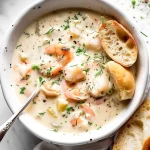
Serving Bouillabaisse is a ritual in itself. In traditional Marseille restaurants, the dish is served in two courses. First, the broth is served in a deep bowl with the rouille-slathered croutons floating on top. The diner enjoys the ‘soup’ aspect first, savoring the complex liquid.
Then, the fish and potatoes are brought out on a separate platter, often deboned tableside by the waiter, with more broth ladled over them. However, in a home setting, it is perfectly acceptable to serve everything together in a large, shallow tureen, allowing guests to see the bounty of the sea.
The Bread
The croutons are not an afterthought. Use a baguette, sliced on a bias, rubbed with a cut clove of garlic, and toasted until very crisp. The crunch of the bread provides necessary texture against the soft fish and liquid broth. When spread with the spicy, garlicky rouille, it acts as a flavor bomb in every bite.
Wine Pairing
Pairing wine with Bouillabaisse requires a selection that can stand up to the strong flavors of garlic, saffron, and fennel without overpowering the fish. A dry Rosé from Provence is the most traditional choice, offering acidity and fruitiness. Alternatively, a full-bodied white wine like a Bandol Blanc or a Cassis Blanc works beautifully.
Common Mistakes to Avoid
One of the most common errors is stirring the pot too vigorously once the fish is added. This can break the delicate fillets. Instead, shake the pot gently by the handles to move the ingredients. Another mistake is using water instead of fish stock for the base; water will result in a diluted, lackluster flavor.
Conclusion
Cooking a classic Bouillabaisse is a labor of love. It requires sourcing the best ingredients, patience in preparing the stock, and precision in timing the addition of the fish. It is not a 30-minute meal, but rather a project for a Sunday afternoon shared with friends and family.
When done correctly, the result is magical. The aroma of saffron and the sea fills the kitchen, transporting you directly to the Old Port of Marseille. It is a dish that demands conversation, good wine, and plenty of bread to soak up the golden broth. Bon appétit!