
The Appeal of Boiling
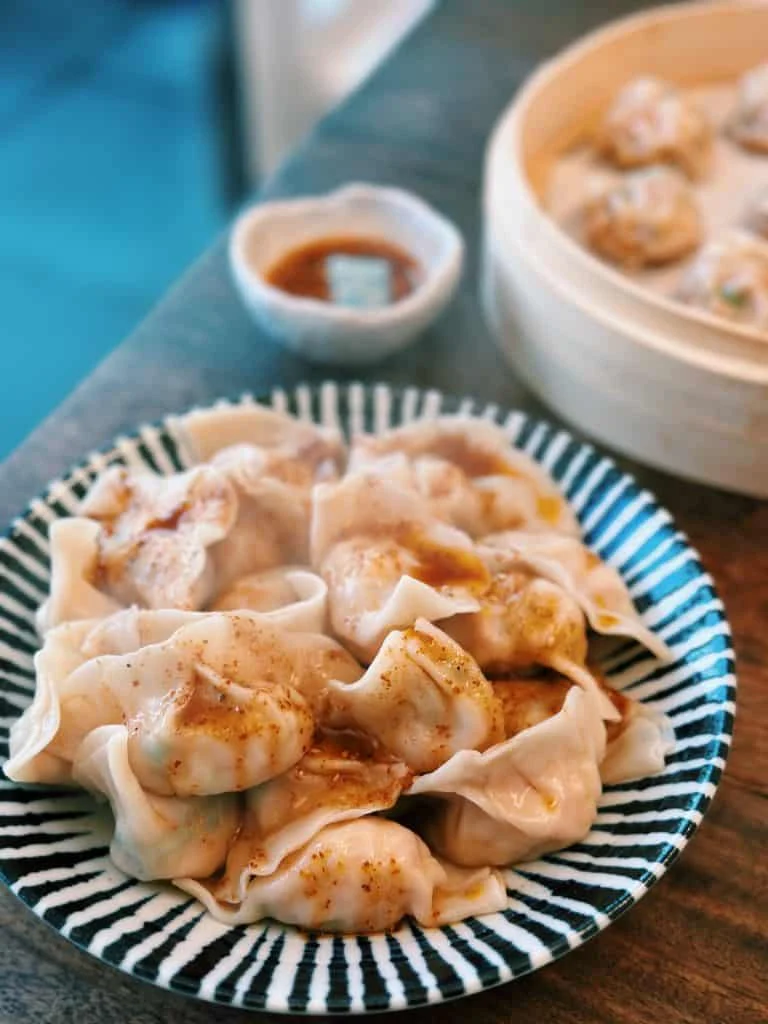
While pan-frying (potstickers) and steaming are popular methods, boiling is arguably the most traditional and effective way to prepare seafood dumplings, particularly in Northern Chinese cuisine. Boiling creates a unique texture where the wrapper becomes silky and tender, contrasting beautifully with the bouncy, firm texture of the seafood filling. Furthermore, boiling is a healthier alternative to frying, as it requires no additional oil during the cooking process. It allows the natural sweetness of the seafood to shine without being masked by the grease or char associated with searing.
Selecting the Best Seafood
The foundation of a superior seafood dumpling lies in the quality of the ingredients. For the filling, freshness is paramount. Shrimp is the most common base because of its natural elasticity and sweetness. When selecting shrimp, opt for raw, shell-on varieties rather than pre-cooked or pre-peeled options, as the latter often lack the necessary texture and binding properties. For a luxurious twist, fresh scallops or white-fleshed fish like cod or snapper can be incorporated. Avoid oily fish like salmon or mackerel, as their strong flavors can overpower the delicate balance of the dumpling.
The Importance of Texture: The ‘Crunch’
One of the hallmarks of a professionally made seafood dumpling is the texture of the filling. It should not be mushy; rather, it should have a distinct ‘snap’ or crunch. To achieve this, it is crucial not to over-mince the seafood. A combination of a fine paste (for binding) and roughly chopped chunks (for texture) yields the best results. Many chefs recommend soaking the shrimp in cold water with a teaspoon of baking soda for 15 minutes before rinsing and chopping; this alkaline treatment alters the pH of the shrimp, resulting in a snappier, firmer texture after cooking.
Aromatics and Seasoning
Seafood naturally carries a high water content and a subtle brininess that requires careful seasoning. Ginger is an essential aromatic in seafood dumplings as it neutralizes any potential fishiness and adds a warming, spicy undertone. Scallions (green onions) provide freshness and a mild onion flavor that complements the sweetness of the shellfish. White pepper is preferred over black pepper for its sharper, cleaner heat and aesthetic ability to blend into the light-colored filling. A dash of sesame oil and Shaoxing wine (Chinese cooking wine) rounds out the flavor profile, adding depth and complexity.
The Binding Agents
Unlike meat fillings which have high fat content to keep them juicy, seafood fillings are lean. To prevent the filling from becoming dry or falling apart, a binder is necessary. Egg whites are commonly used to add silkiness and help the ingredients adhere to one another. Cornstarch or potato starch is also added to lock in moisture. When the dumplings are boiled, the starch gelatinizes, trapping the natural juices within the meat, ensuring that the filling remains succulent even after the dumpling skin is breached.
The Technique of ‘Da Da’ (Beating the Filling)
Perhaps the most critical step in preparing the filling is the mechanical action known in Chinese kitchens as ‘da da’ or beating the filling. After mixing the ingredients, the cook must vigorously stir the mixture in one direction or pick up the entire mass of filling and throw it back into the bowl repeatedly. This agitation extracts myosin, a protein in the muscle fibers, creating a sticky, emulsified paste. This process is what gives the cooked dumpling its signature springy, cohesive texture. Without this step, the filling will crumble inside the wrapper.
Choosing the Right Wrapper
For boiled dumplings (shuijiao), the wrapper differs slightly from those used for wontons or potstickers. A boiled dumpling wrapper should be slightly thicker in the center to support the weight of the filling and taper to a thinner edge for sealing. While store-bought wrappers are convenient, they are often too thin and prone to breaking during the vigorous boiling process. Homemade dough, made simply from wheat flour and water, offers the elasticity and chewiness (often referred to as ‘QQ’ texture) that defines a high-quality boiled dumpling.
The Art of Folding
Folding dumplings is both an art and a functional necessity. The primary goal is to create a hermetic seal to prevent water from entering and diluting the flavor, or filling from leaking out. For seafood dumplings, the ‘crescent moon’ or pleated fold is traditional. Place a tablespoon of filling in the center, fold the wrapper in half, and pinch the center. Then, create pleats on the side facing you, pressing them into the back side of the wrapper. Ensure no air pockets remain, as trapped air can expand during boiling and cause the dumpling to burst.
Preparation for Boiling
Before you begin the cooking process, ensure you have a large pot of water. A common mistake is using a pot that is too small. Dumplings need ample space to move around freely. If they are crowded, they will stick together and cook unevenly. Fill the pot about two-thirds full to prevent boiling over when the starch from the wrappers thickens the water. Bring the water to a rolling boil over high heat before dropping in a single dumpling.
The Boiling Process: Step-by-Step
Once the water is boiling vigorously, gently slide the dumplings in one by one or use a spider strainer to lower them to prevent splashing. Immediately after adding them, use the back of a ladle (the convex side) to gently push the water in a circular motion. Do not touch the dumplings directly with the edge of the ladle to avoid cutting the skins. This swirling motion prevents the dumplings from sinking and sticking to the bottom of the pot, which is the most common cause of torn wrappers.
The ‘Three Boils’ Method (Add Cold Water)
The traditional Chinese method for boiling dumplings involves adding cold water during the process. This technique is essential for seafood dumplings. When the water returns to a boil after adding the dumplings, add a cup of cold water to the pot. The boiling will stop. Wait for it to boil again, and add a second cup of cold water. Repeat this a third time. This method, known as ‘dian shui’, lowers the temperature of the water effectively. It allows the filling to cook through thoroughly without the wrappers overcooking and becoming mushy or disintegrating. It ensures a perfect equilibrium between the doneness of the dough and the seafood.
Why the ‘Three Boils’ Works for Seafood
Seafood proteins are delicate and can become rubbery if subjected to sustained high heat. By periodically lowering the water temperature, you are essentially poaching the seafood gently while the pasta skin continues to cook. This results in a filling that remains tender and juicy. Furthermore, this method gives the starch in the wrapper time to hydrate fully, resulting in a smoother, glossier texture that is pleasant to the palate.
Visual Cues for Doneness
If you choose not to use the cold water method, you must rely on visual cues. Initially, raw dumplings will sink to the bottom. As they cook, the air inside expands, and the density changes, causing them to float. Once all dumplings are floating, let them boil for an additional 1 to 2 minutes. The skins should appear slightly translucent (depending on thickness), and the dumpling should look plump and swollen. For seafood, be careful not to overcook, as shrimp can turn hard very quickly.
Removing the Dumplings
Turn off the heat before removing the dumplings. If you remove them while the water is violently boiling, the turbulence can damage the delicate skins. Use a slotted spoon or a spider strainer to lift them out gently. Shake off excess water. To prevent them from sticking together on the serving plate, you can drizzle a tiny amount of sesame oil over them and give them a gentle toss, although this is optional if they are to be eaten immediately.
Troubleshooting: Tough Filling
If the seafood filling turns out rubbery or tough, it is likely due to overcooking or a lack of fat/liquid in the mixture. Remember that seafood is lean. Incorporating a small amount of water or oil into the filling during the mixing stage helps. Additionally, ensure you are not boiling them for too long. Seafood dumplings generally cook faster than pork dumplings. 5 to 6 minutes is usually sufficient for fresh dumplings.
Serving Suggestions: Dipping Sauces
Boiled seafood dumplings are best enjoyed with a dipping sauce that cuts through the starch and enhances the seafood’s sweetness. A classic accompaniment is Chinese black vinegar (Chinkiang vinegar) mixed with julienned fresh ginger. The acidity of the vinegar balances the savory filling, while the ginger adds a fresh kick. For those who enjoy heat, a spoonful of chili oil or chili crisp can be added. Soy sauce should be used sparingly, as the dumplings are already seasoned.
Serving in Broth
Another excellent way to serve boiled seafood dumplings is in a light broth. Instead of draining them completely, transfer the cooked dumplings into a bowl of hot chicken or vegetable stock. Garnish with chopped scallions, cilantro, and a drop of sesame oil. This transforms the dish into a hearty soup meal, perfect for cold weather. The broth keeps the dumplings hot and prevents them from sticking together.
Freezing and Storage
Making dumplings is a labor-intensive process, so it makes sense to produce a large batch and freeze some for later. To freeze, place the uncooked dumplings on a baking sheet lined with parchment paper, ensuring they do not touch. Place the sheet in the freezer until the dumplings are rock hard (about 2 hours). Then, transfer them to a freezer-safe bag. This method prevents them from clumping together into a giant icy block.
Cooking from Frozen
You do not need to thaw frozen dumplings before boiling them. In fact, thawing them will likely cause the dough to become sticky and unmanageable. Simply add the frozen dumplings directly into boiling water. Note that the cooking time will increase. The ‘three boils’ method is particularly useful for frozen dumplings as it ensures the frozen center cooks through before the skin dissolves. Expect the process to take an additional 3 to 4 minutes compared to fresh dumplings.
Health Benefits
Boiled seafood dumplings are a nutritious option for a balanced diet. Steaming and boiling are fat-free cooking methods that preserve the nutrients in the food. Seafood is an excellent source of lean protein, omega-3 fatty acids, and essential minerals like zinc and iodine. By making them at home, you can control the sodium levels and avoid MSG or preservatives often found in commercial varieties.
Variations on the Filling
While shrimp is the standard, feel free to experiment. A mix of crab meat and pork fat is a luxurious option often found in high-end dim sum. For a zestier profile, add chopped cilantro and water chestnuts to the shrimp mixture for added crunch and fragrance. Leeks and shrimp are another classic combination in Northern China, offering a sweeter, milder flavor than scallions.
Conclusion
Mastering ‘Cara Memasak Seafood Dumplings Rebus’ is a rewarding culinary journey. It combines the technical precision of dough making and folding with the intuitive art of seasoning and boiling. Whether you are preparing a quick weeknight dinner from a frozen stash or hosting a dumpling-making party with friends and family, the result is always a dish that comforts the soul and delights the palate. With the tips and techniques outlined in this guide, you are well on your way to creating seafood dumplings that rival those of the best dumpling houses.