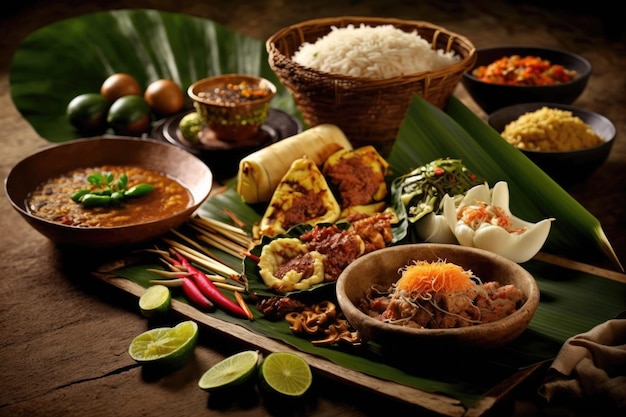
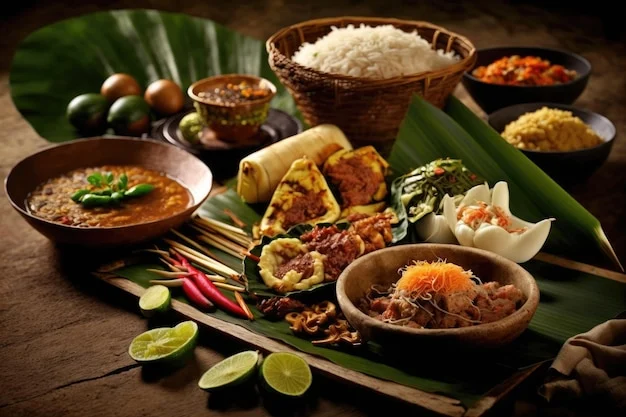

Indonesian cuisine is renowned worldwide for its bold, complex flavor profiles that often dance between spicy, sweet, savory, and sour. Among the archipelago’s vast culinary repertoire, seafood holds a place of honor, particularly in coastal regions where fresh catch is abundant. One dish that perfectly encapsulates the refreshing nature of tropical cooking is ‘Asem-Asem Ikan Kembung,’ or Sour Mackerel Soup. Unlike the heavy, coconut milk-laden curries often associated with the region, this clear soup is light, invigorating, and packed with health benefits.
The name ‘Asem-Asem’ literally translates to ‘sour-sour,’ indicating the dominant flavor profile of the dish. However, to describe it merely as sour would be a disservice to the symphony of ingredients involved. It is a delicate balance where the acidity of tamarind or bilimbi (belimbing wuluh) cuts through the natural richness of the mackerel, while fresh herbs and spices provide a warming background note. This dish is a staple in many Javanese and Sumatran households, cherished for its ability to awaken the appetite and cleanse the palate.
In this comprehensive guide, we will explore every facet of preparing the perfect Asem-Asem Ikan Kembung Segar. From selecting the freshest fish at the market to mastering the ‘bumbu’ (spice paste) and achieving the perfect broth clarity, this article serves as your definitive roadmap. Whether you are a novice home cook or a seasoned chef looking to expand your Asian repertoire, understanding the nuances of this dish will elevate your culinary skills.
The Star Ingredient: Understanding Ikan Kembung (Mackerel)
The success of this dish hinges entirely on the quality of its main protein: the Ikan Kembung, known in English as the Indian Mackerel. This fish is a nutritional powerhouse, rich in Omega-3 fatty acids, protein, and essential vitamins. However, because it is an oily fish, it has a distinct, robust flavor that pairs exceptionally well with acidic broths. The oiliness of the mackerel provides a savory depth that water-based soups often lack, creating a mouthfeel that is both light and satisfying.
Selecting fresh mackerel is the first and most critical step in the cooking process. When shopping, look for fish with clear, bulging eyes; cloudy or sunken eyes are a sign of age. The gills should be a vibrant red or pink, not brown or gray. Furthermore, the flesh should be firm to the touch, bouncing back immediately when pressed. If the indentation remains, the fish is past its prime. The skin should be shiny with a metallic sheen, and the fish should smell like the ocean—fresh and saline—rather than emitting a strong, fishy ammonia odor.
The Aromatics: Building the Foundation of Flavor
The broth of Asem-Asem is built upon a foundation of aromatic roots and leaves that are quintessential to Southeast Asian cooking. The holy trinity for this specific dish usually involves shallots, garlic, and chilies, but the complexity comes from the rhizomes. Turmeric, ginger, and galangal play pivotal roles. Turmeric, often used fresh or in powder form, provides an earthy note and a beautiful golden hue, but more importantly, it helps neutralize strong fish odors.
Ginger adds a sharp, peppery warmth that soothes the stomach and complements the sourness, while galangal offers a pine-like, citrusy aroma that is distinct from ginger. These roots are typically bruised or sliced rather than ground into a paste for this specific version of the soup, allowing them to infuse the broth gently without making it cloudy. This technique preserves the clear, jewel-like quality of the soup which is visually appetizing.
The Sour Agents: Tamarind, Tomatoes, and Bilimbi
Achieving the signature ‘asem’ (sour) taste requires a nuanced approach to acidic ingredients. Traditional recipes often use a combination of souring agents to create depth. Tamarind (asem jawa) provides a deep, fruity sourness. It is usually dissolved in warm water to create a juice, which is then strained into the broth. This provides the baseline acidity.
To brighten the flavor profile, chefs often add ‘Belimbing Wuluh’ (vegetable starfruit or bilimbi). These small, green, finger-like fruits provide a sharp, piercing acidity that hits the palate immediately. They retain their crunch even after cooking, adding a textural contrast to the tender fish. If Belimbing Wuluh is unavailable, green unripe tomatoes are a worthy substitute, offering tartness and body to the soup. Red tomatoes are also added towards the end of cooking, primarily for a touch of sweetness and vibrant color.
Preparation: Cleaning and Marinating the Fish
Proper preparation of the fish is the secret to a soup free of unpleasant odors. After gutting and cleaning the mackerel, it is imperative to wash the abdominal cavity thoroughly to remove any blood clots, which can make the soup bitter. Once cleaned, the fish should be scored along the sides. This allows the marinade and broth to penetrate the thickest part of the flesh.
The ‘pre-marinade’ is a step you should not skip. Rub the cleaned fish with a mixture of lime juice (jeruk nipis) and salt. Let it sit for about 15 minutes. The citric acid in the lime juice begins to denature the proteins slightly and neutralizes the trimethylamine, the compound responsible for the ‘fishy’ smell. After 15 minutes, rinse the fish lightly to remove excess salt and acid before adding it to the pot. This ensures the fish tastes fresh and clean.
Step-by-Step Cooking Method
1. Sautéing the Aromatics: Begin by heating a small amount of oil in a soup pot. Sauté sliced shallots and garlic until they become translucent and fragrant. Unlike fried rice where you might want crispy shallots, here you want them soft and sweet. Add the bruised stalks of lemongrass, galangal, ginger, and lime leaves (daun jeruk). The heat releases the essential oils in these herbs, creating a fragrant base that water alone cannot extract.
3. Poaching the Fish: Lower the heat to a simmer before adding the mackerel. If the water is boiling too violently, the agitation can cause the delicate fish flesh to break apart. Gently slide the fish into the broth. Do not stir excessively. Fish cooks relatively quickly; depending on the size, it may only take 5 to 7 minutes. Overcooked mackerel becomes dry and tough, so vigilance is key.
4. The Final Seasoning: As the fish cooks, add the sliced chilies (bird’s eye chilies for heat, large red chilies for color), sliced tomatoes, and pieces of Belimbing Wuluh. Season with salt and a touch of sugar. The sugar is not meant to make the dish sweet, but to balance the harshness of the acidity and the salt, rounding out the flavor profile. Taste the broth continuously. It should hit the tongue with a sour punch, followed by savory umami, and a trailing spicy kick.
5. Finishing Touches: Just before turning off the heat, some cooks like to add a handful of Kemangi (lemon basil) leaves. This adds a burst of fresh, herbal aroma that pairs beautifully with the lime leaves already in the broth. Once the fish is opaque and flakes easily with a fork, the dish is ready. Turn off the heat immediately to prevent the residual heat from overcooking the basil and tomatoes.
Nutritional Breakdown and Health Benefits
Asem-Asem Ikan Kembung is a model of healthy eating. It is low in calories as it does not rely on coconut milk or heavy oils. Mackerel is one of the best sources of Omega-3 fatty acids, which are crucial for heart health, reducing inflammation, and supporting brain function. The abundance of spices also contributes to the dish’s health credentials; turmeric is a known anti-inflammatory, ginger aids digestion, and garlic boosts the immune system.
Furthermore, the high protein content helps with satiety and muscle repair. For those monitoring their carbohydrate intake, the soup can be eaten on its own, though it is traditionally served with rice. The acidity of the soup also stimulates the production of digestive enzymes, making it a light meal that doesn’t leave you feeling lethargic.
Serving Suggestions and Pairings
In Indonesia, Asem-Asem Ikan Kembung is typically served as a main course for lunch or dinner, accompanied by a plate of steaming white jasmine rice. The neutral canvas of the rice absorbs the tangy broth, making every bite flavorful. For a complete meal, it is often paired with ‘Tempe Goreng’ (fried fermented soybean cake) or ‘Tahu Goreng’ (fried tofu), which adds a crunchy texture to contrast the soft fish.
Sambal is an optional but recommended addition. While the soup already contains chilies, many Indonesians prefer an extra side of Sambal Terasi (shrimp paste chili sauce) or Sambal Kecap (sweet soy sauce with chopped chilies) for dipping the fish meat. A side of ‘Kerupuk’ (prawn crackers) adds a delightful crunch that rounds out the dining experience.
Common Mistakes to Avoid
Even with a simple recipe, pitfalls exist. The most common mistake is over-stirring. Mackerel is delicate; once it is in the pot, stir only gently and rarely. Another issue is balancing the sourness. Natural ingredients like tamarind and bilimbi vary in acidity levels. Always start with less souring agent than the recipe calls for and adjust to taste. You can always add more, but you cannot take it away.
Another error is adding the vegetables too early. Tomatoes and Belimbing Wuluh soften quickly. If added at the beginning with the water, they will disintegrate into mush by the time the fish is cooked. Add them in the last few minutes of cooking to retain their shape and texture. Finally, ensure the water is boiling before adding the fish to seal the surface immediately and reduce the leakage of proteins that can cloud the soup.
Variations of the Dish
While this guide focuses on fresh mackerel, the Asem-Asem technique is versatile. In different regions of Indonesia, you might find variations using beef ribs (Asem-Asem Iga) or chicken (Asem-Asem Ayam). However, the cooking times for these proteins are significantly longer. For seafood variations, Milkfish (Bandeng) is a popular alternative, though it is much bonier than mackerel.
Some regional variations, particularly in East Java, might add buncis (green beans) or carrots to the soup to make it a more substantial one-pot meal. Others might char the ginger and turmeric over an open flame before adding them to the pot, imparting a subtle smoky flavor that adds another layer of complexity to the broth.
Conclusion: Bringing the Taste of Indonesia Home
Cooking Asem-Asem Ikan Kembung Segar is more than just following a recipe; it is an exercise in balancing flavors. It teaches the cook to understand the interplay between the richness of the sea and the brightness of the land’s produce. This dish is a testament to the philosophy that healthy food does not have to be bland, and flavorful food does not have to be heavy.
By following the steps outlined in this guide—respecting the freshness of the fish, patiently building the aromatic base, and carefully balancing the sour and savory notes—you can recreate an authentic Indonesian dining experience in your own kitchen. It is a dish that comforts the soul, nourishes the body, and delights the senses, proving that the simplest ingredients, treated with care, can produce the most extraordinary meals.