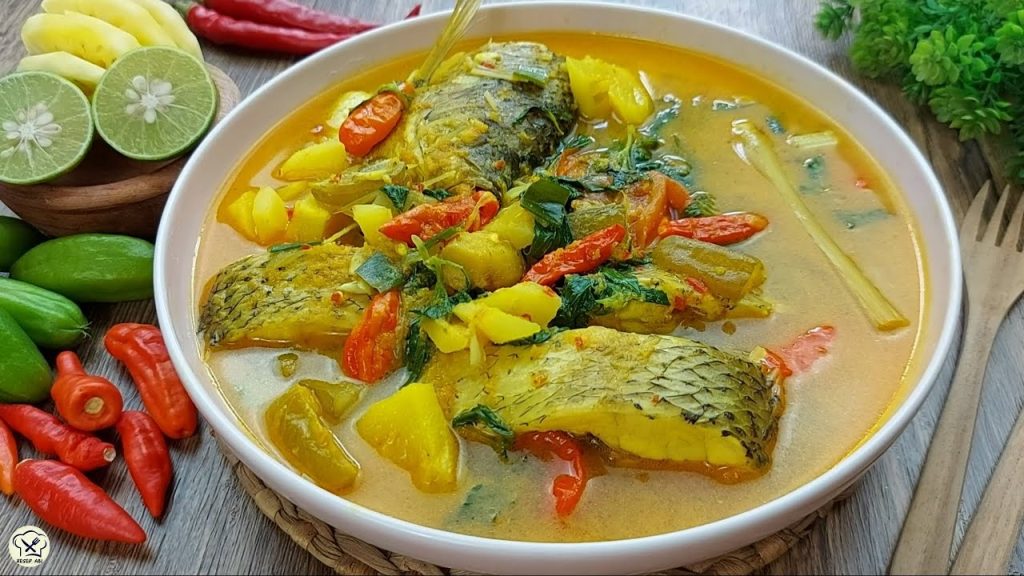

At its core, the success of Tempoyak Ikan Tuna Pindang Kuning lies in the quality and preparation of its key components. Understanding each element, from the freshness of the tuna to the fermentation stage of the tempoyak, is crucial for achieving an authentic and delicious result. This article aims to guide you through every step, demystifying the process and empowering you to recreate this culinary gem in your own kitchen.
The star protein of this dish is tuna. When selecting tuna, opt for fresh, firm fillets or steaks. The color should be a vibrant red, indicating freshness. For this particular preparation, slightly oilier cuts of tuna can be beneficial as they remain moist and flavorful during the cooking process. Avoid any fish that has a strong, unpleasant odor, which can be a sign of spoilage.
Tempoyak, the fermented durian paste, is arguably the most distinctive ingredient. It is made by fermenting ripe durian fruit, often with a pinch of salt, for several days or weeks. The fermentation process breaks down the sugars in the durian, resulting in a strong, pungent aroma and a unique sour, tangy, and slightly sweet flavor profile. The quality of tempoyak can vary significantly, so sourcing good quality, well-fermented tempoyak is essential. If you are making it at home, ensure proper hygiene and fermentation times to achieve the desired taste without any off-flavors.
The ‘Pindang Kuning’ aspect refers to the yellow spice paste, a vibrant and aromatic blend that forms the flavor base of many Indonesian dishes. This paste typically includes ingredients like turmeric (for its characteristic yellow color and earthy flavor), galangal, ginger, garlic, shallots, chilies, and sometimes candlenuts for thickening. The precise combination and proportions can vary by region and personal preference, but the goal is a fragrant and flavorful foundation.
Preparing the bumbu kuning from scratch is a rewarding process. Begin by gathering fresh turmeric, galangal, ginger, garlic, and shallots. Clean and peel these aromatics. For the chilies, adjust the quantity based on your desired level of heat. Remove seeds if you prefer a milder spice.
Traditionally, these ingredients are ground into a fine paste using a mortar and pestle (cobek and ulekan). This traditional method is believed to release more aromatic oils compared to using a blender or food processor. However, if a mortar and pestle is not available, a food processor can be used, though you may need to add a little oil or water to achieve a smooth consistency.
Once the bumbu kuning paste is ready, it’s time to begin the cooking process. Heat a generous amount of cooking oil in a wok or a deep frying pan over medium heat. Add the prepared bumbu kuning paste to the hot oil.
Sauté the spice paste until it becomes fragrant and the raw aroma disappears. This process, known as ‘menumis,’ is crucial for developing the depth of flavor. Continue stirring to prevent the paste from sticking to the bottom of the pan and burning. The paste should deepen in color and become slightly darker and oilier.
Now, it’s time to introduce the tempoyak. Add the fermented durian paste to the sautéed spice mixture. Stir well to combine. Cook the tempoyak with the bumbu kuning for a few minutes, allowing its unique flavors to meld with the spices. Be mindful of the strong aroma at this stage; it’s a characteristic of the dish.
Next, add the tuna pieces. Gently place the tuna into the wok, ensuring it is coated with the spice and tempoyak mixture. Avoid overcrowding the pan; cook in batches if necessary to allow each piece of tuna to cook evenly.
Pour in enough water or coconut milk to create a sauce. Coconut milk will add a richer, creamier texture and a subtle sweetness that complements the tanginess of the tempoyak. Water will result in a lighter, more broth-like consistency.
Bring the mixture to a gentle simmer. Cover the pan and let it cook for about 10-15 minutes, or until the tuna is cooked through and flakes easily. The exact cooking time will depend on the thickness of your tuna pieces.
During the simmering process, the flavors will meld together beautifully. The tempoyak will soften and integrate into the sauce, while the tuna absorbs the aromatic spices. Stir occasionally to ensure even cooking and prevent sticking.
Seasoning is a critical step. Taste the sauce and adjust the seasoning as needed. Add salt to enhance the flavors. Some recipes may also call for a touch of sugar to balance the sourness of the tempoyak and the spiciness of the chilies, but this is often optional and depends on the inherent sweetness of your tempoyak.
For added depth and complexity, some variations of this dish include additional ingredients like lemongrass, kaffir lime leaves, or tamarind paste. Lemongrass and kaffir lime leaves can be bruised and added during the simmering stage to infuse their citrusy aroma. Tamarind paste, added sparingly, can further enhance the sour notes.
Garnishes can elevate the presentation and flavor of Tempoyak Ikan Tuna Pindang Kuning. Fresh herbs like cilantro or thinly sliced chilies can add a burst of freshness and a touch of visual appeal. A sprinkle of fried shallots can provide a delightful crunch and an extra layer of savory flavor.
Serving Tempoyak Ikan Tuna Pindang Kuning is traditionally done hot, accompanied by steamed white rice. The fluffy rice is the perfect canvas to soak up the rich, flavorful sauce. The contrast between the tender tuna, the pungent sauce, and the plain rice is what makes this dish so satisfying.
This dish is best enjoyed immediately after cooking to appreciate the freshness of the ingredients and the vibrancy of the flavors. However, like many Indonesian dishes, the flavors can deepen and meld further if allowed to sit for a short period.
For those new to tempoyak, the initial aroma can be quite intense. It’s recommended to start with a smaller amount of tempoyak if you are unsure about its strong flavor. Gradually increasing the quantity in subsequent preparations will allow you to develop a taste for this acquired delicacy.
The culinary journey of Tempoyak Ikan Tuna Pindang Kuning is not just about following a recipe; it’s about understanding the interplay of unique ingredients and traditional techniques. It’s a dish that tells a story of the land and its people, a story of resourcefulness and flavor.
Exploring regional variations can be a fascinating aspect of mastering this dish. Different areas might use different types of fish, adjust the spice levels, or incorporate unique local herbs and spices. Engaging with these variations allows for a deeper appreciation of Indonesian cuisine.
The nutritional profile of this dish is also noteworthy. Tuna is an excellent source of lean protein and omega-3 fatty acids. Turmeric, a key ingredient in the bumbu kuning, contains curcumin, which has been studied for its anti-inflammatory and antioxidant properties.
When sourcing ingredients, consider visiting local Asian markets. These markets are often the best places to find authentic tempoyak, fresh turmeric, galangal, and other essential spices that might be harder to locate in mainstream supermarkets.
The cooking process itself can be a meditative experience. The careful grinding of spices, the slow sautéing of the paste, and the gentle simmering of the fish all contribute to a mindful approach to cooking.
For those who enjoy spicy food, feel free to increase the amount of chili in the bumbu kuning. Bird’s eye chilies (cabe rawit) can provide a significant kick, while larger red chilies offer a milder heat and a richer color.
Storage and reheating: If you have leftovers, store them in an airtight container in the refrigerator for up to 2-3 days. Reheat gently on the stovetop or in the microwave, adding a splash of water or coconut milk if the sauce has become too thick.
Pairing this dish with other Indonesian side dishes can create a complete meal. A simple cucumber salad or a side of stir-fried vegetables can offer a refreshing contrast to the richness of the Tempoyak Ikan Tuna.
The art of balancing flavors is paramount in Indonesian cooking, and Tempoyak Ikan Tuna Pindang Kuning is a prime example. The goal is to harmonize the sourness of the tempoyak, the savory notes of the tuna, the aromatic spices, and the potential heat from the chilies.
Ultimately, cooking Tempoyak Ikan Tuna Pindang Kuning is an invitation to explore the vibrant and diverse flavors of Indonesian cuisine. It’s a dish that challenges the palate in the most delightful way, offering a memorable culinary adventure.
Embrace the pungent aroma, savor the complex taste, and enjoy the rich cultural tapestry that this dish represents. It is a true celebration of local ingredients and time-honored culinary traditions.
:strip_icc():format(webp)/kly-media-production/medias/4751082/original/083690000_1708674531-shutterstock_2181401093.jpg "Mastering Tempoyak Ikan Tuna Pindang Kuning: A Culinary Journey")