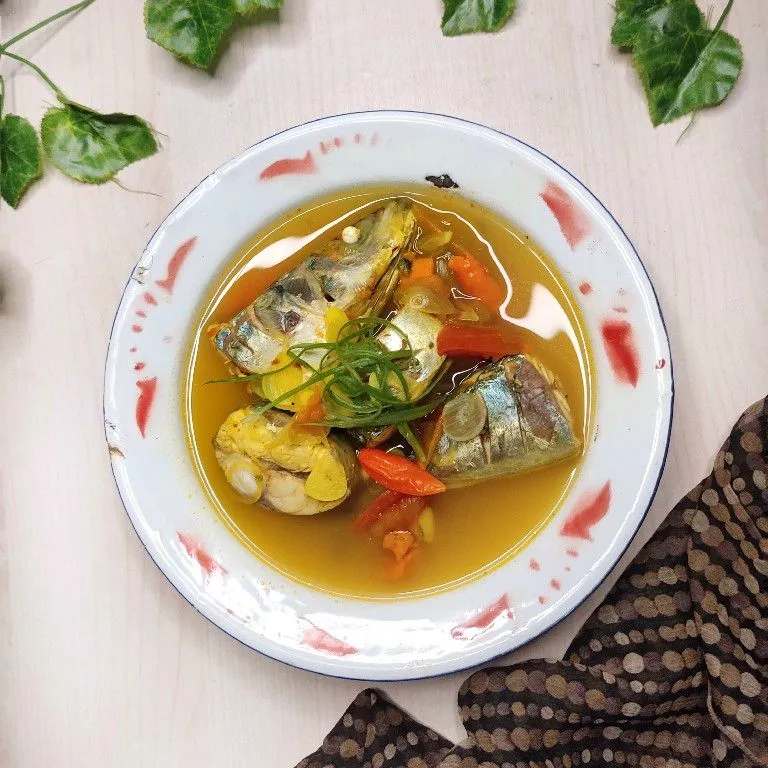
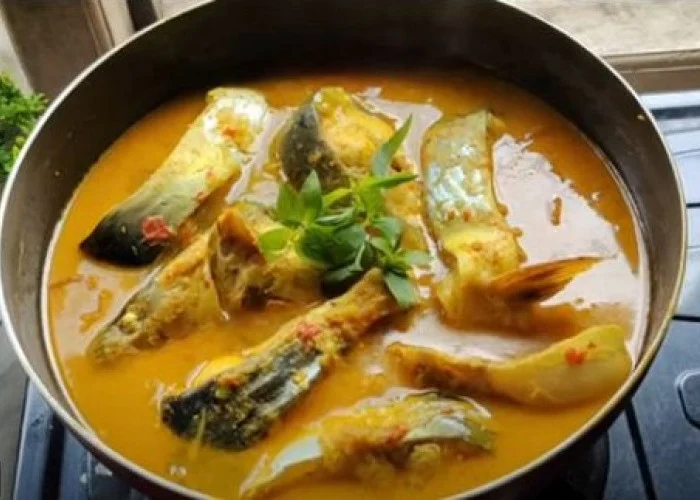

The foundation of this dish lies in its three core components: tempoyak, ikan layang, and the pindang cooking style. Each plays a crucial role in defining the final flavor profile. Understanding the nuances of each element is the first step towards achieving culinary excellence.
Tempoyak, the fermented durian paste, is perhaps the most distinctive ingredient. Its preparation involves fermenting ripe durian flesh for several days or even weeks, allowing natural yeasts and bacteria to break down the sugars and proteins. This process results in a unique, intensely savory, and slightly sour paste with a pungent aroma that some find challenging but is highly prized by enthusiasts. The quality and fermentation stage of your tempoyak will significantly impact the dish’s final taste.
Ikan Layang, or mackerel, is a popular choice for this dish due to its firm texture and rich, oily flesh, which holds up well to the robust flavors of tempoyak and spices. The pindang method, often associated with Indonesian and Malaysian cuisine, involves poaching fish in a flavorful broth, typically seasoned with turmeric, ginger, chilies, and other aromatics. This cooking technique not only infuses the fish with flavor but also tenderizes it, making it ideal for dishes where the fish is meant to be soft and succulent.
The ‘pedas’ or spicy element comes from the generous use of chilies, which can be adjusted to personal preference. Fresh chilies, dried chilies, or chili paste can be used, each contributing a different layer of heat and flavor. The careful balance of spice is key to complementing, rather than overpowering, the other complex flavors in the dish.
Preparing Tempoyak Ikan Layang Pindang Pedas requires attention to detail. One of the primary challenges is managing the pungency of the tempoyak. To mitigate this, some cooks prefer to rinse or lightly sauté the tempoyak before incorporating it into the dish. This helps to mellow its intensity while retaining its characteristic umami flavor.
When selecting your ikan layang, opt for fresh, firm fish. The freshness of the fish is paramount to achieving a clean taste. If using frozen fish, ensure it has been thawed properly and is of good quality. The size of the fish can also be a factor; medium-sized fish are often ideal for even cooking.
The pindang broth is where much of the magic happens. A good pindang base typically includes ingredients like turmeric (for color and earthy notes), ginger (for warmth and spice), garlic, shallots (or onions), and lemongrass (for a citrusy aroma). These aromatics are usually pounded into a paste or finely chopped and then sautéed before the liquid is added.
For the liquid base of the pindang, water or a light fish stock can be used. Some recipes also incorporate a touch of tamarind paste for a subtle sourness that complements the richness of the fish and tempoyak. The goal is to create a flavorful, aromatic liquid that will gently cook the fish and meld all the flavors together.
The spicy component often starts with a sambal base. This can be made by blending fresh red chilies, bird’s eye chilies (for extra heat), shallots, garlic, and sometimes belacan (shrimp paste) for an added layer of umami. Sautéing this sambal until fragrant is crucial to developing its full flavor profile.
When combining the tempoyak with the sambal and pindang base, the order of addition and cooking time are important. Often, the sautéed sambal is mixed with the tempoyak, and this mixture is then added to the simmering pindang broth. Allowing this mixture to cook together for a short period helps to integrate the flavors.
Adding the ikan layang to the simmering broth should be done carefully. The fish should be submerged in the liquid and cooked gently until just done. Overcooking will result in dry, flaky fish, while undercooking will leave it raw. The pindang method typically involves a relatively short cooking time for the fish.
Seasoning is a critical step. Taste the broth as it simmers and adjust the salt, sugar, and spice levels as needed. The tempoyak itself is salty, so it’s important to season cautiously. A touch of sugar can help to balance the saltiness and sourness of the tempoyak and tamarind, if used.
Garnishes can elevate the dish. Fresh herbs like cilantro, Thai basil, or Vietnamese mint can add a burst of freshness and aroma. Sliced chilies or a sprinkle of fried shallots can also enhance the visual appeal and add textural contrast.
Serving Tempoyak Ikan Layang Pindang Pedas is traditionally done with steamed white rice. The fluffy, neutral rice acts as a perfect canvas to absorb the rich, spicy broth and complement the complex flavors of the dish. It’s a meal that is both comforting and intensely satisfying.
For those new to tempoyak, it’s advisable to start with a smaller amount or to use tempoyak that has been fermented for a shorter period. This allows you to gradually get accustomed to its unique taste and aroma. High-quality, well-fermented tempoyak is key to a truly authentic experience.
Variations exist in how the pindang broth is prepared. Some recipes might include a splash of coconut milk for a creamier texture and richer flavor, though this is less common in the spicier, more traditional versions. Others might add different types of fish or seafood.
The choice of chilies is highly personal. For a milder heat, use larger red chilies and remove the seeds. For a more fiery experience, incorporate bird’s eye chilies or even a small amount of dried chili that has been rehydrated and blended.
Ensure all your aromatics for the sambal and pindang base are fresh. The vibrancy of ingredients like ginger, turmeric, and garlic will translate directly into the final taste of the dish. Grinding or blending these fresh ingredients releases their essential oils and maximizes their flavor.
When sautéing the spice paste (sambal and pindang aromatics), cook it thoroughly until the oil separates and the paste becomes fragrant. This process, known as ‘pecah minyak’ in Malay, is essential for developing the depth of flavor and removing any raw taste from the spices.
The cooking time for the fish is crucial. Mackerel cooks relatively quickly. Aim for a gentle simmer rather than a rolling boil once the fish is added to ensure it doesn’t break apart and remains tender. The fish should flake easily with a fork when cooked through.
Balance is the keyword when it comes to seasoning. The interplay of salty (from tempoyak and fish), sour (from tempoyak or tamarind), spicy (from chilies), and a hint of sweetness (from sugar) creates a harmonious bite. Don’t be afraid to taste and adjust throughout the cooking process.
For an authentic experience, consider using fresh turmeric root and galangal (lengkuas) if available. These ingredients offer a more complex and nuanced flavor profile compared to their powdered counterparts.
The texture of the tempoyak itself matters. It should be a smooth paste, free from large fibrous pieces of durian. If your tempoyak is too watery, you might need to drain some of the liquid before use. Conversely, if it’s too dry, a splash of water can help.
When making the pindang broth, don’t overcrowd the pot. Ensure the fish has enough space to cook evenly. If you are cooking a large batch, consider doing it in stages.
The ‘pindang’ aspect refers to the poaching method. The liquid should be sufficient to mostly cover the fish. Maintain a gentle simmer throughout the cooking process to ensure tender results.
Consider the aroma. The combination of tempoyak, chilies, and aromatics creates a powerful fragrance. Ensure your cooking area is well-ventilated, especially when sautéing the spice paste and tempoyak.
If you find the pungency of tempoyak overwhelming, you can try using a ‘younger’ tempoyak, which has been fermented for a shorter duration. This will have a milder flavor and aroma.
For an extra layer of depth, some cooks like to add a small piece of dried shrimp paste (belacan or terasi) to the spice paste. This adds a distinct umami flavor that pairs wonderfully with the fish and tempoyak.
The final consistency of the gravy is also important. It should be rich and slightly thickened from the spices and the tempoyak, but not overly watery. If it’s too thin, you can simmer it uncovered for a few extra minutes to reduce it.
Tempoyak Ikan Layang Pindang Pedas is a dish that rewards patience and practice. Each time you make it, you’ll gain a better understanding of how to balance the intense flavors and achieve your desired result. Enjoy the journey of creating this unique and delicious Southeast Asian delicacy.