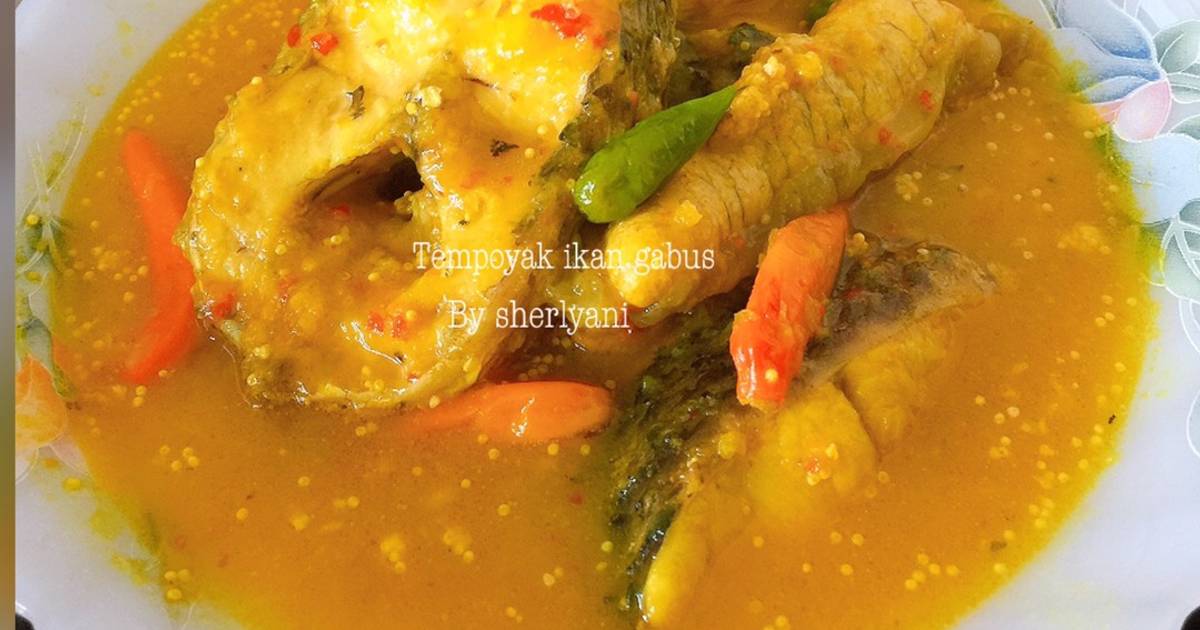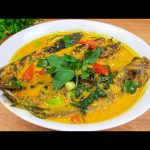
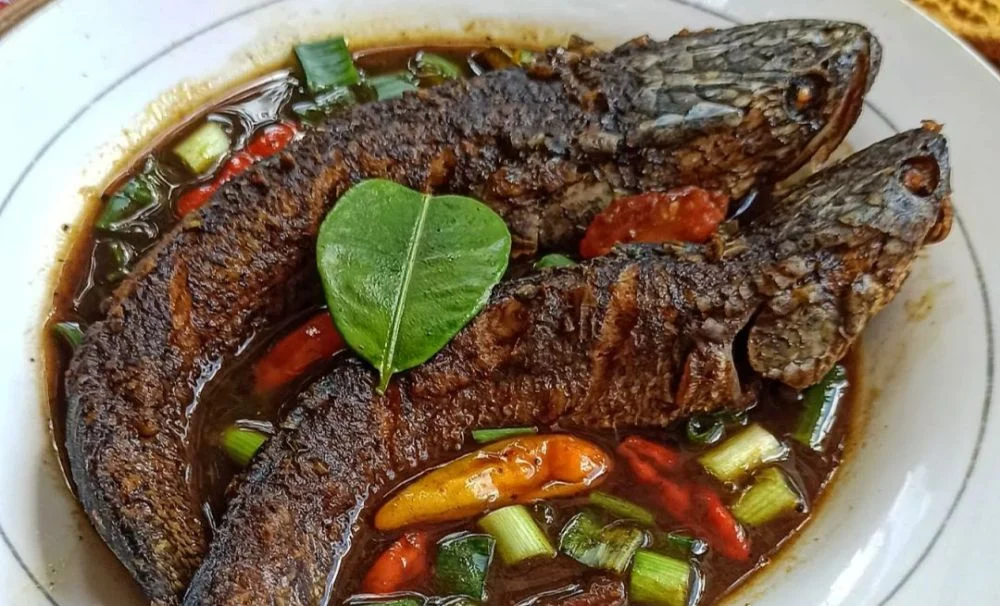

The foundation of any great Tempoyak Ikan Gabus Pucung lies in the quality of its core ingredients. Let’s begin with the star of the show: Ikan Gabus, or snakehead fish. This freshwater fish is prized for its firm, white flesh and its ability to absorb flavors beautifully. When selecting ikan gabus, opt for fresh specimens. Look for clear, bright eyes, firm flesh that springs back when pressed, and a clean, oceanic (not fishy) smell. The size of the fish can also influence the cooking time and texture; medium-sized fish are often ideal for this preparation.
Next, we delve into the heart of the dish’s unique character: Tempoyak. Tempoyak is essentially fermented durian. The process involves salting ripe durian flesh and allowing it to ferment for several days or even weeks. The resulting paste is intensely aromatic, with a complex flavor profile that is simultaneously sweet, sour, and savory, with a characteristic pungent aroma that is both polarizing and addictive. When purchasing tempoyak, seek out well-fermented, but not overly spoiled, paste. Its consistency should be paste-like, and its aroma should be strong but pleasant to your senses. If you’re feeling adventurous, you can even make your own tempoyak at home, though this requires patience and careful monitoring.
The ‘pucung’ in this dish refers to the use of Pucung nuts (often Pangium edule). These nuts, when properly prepared, impart a deep, slightly bitter, and nutty flavor that complements the richness of the fish and the pungency of the tempoyak. Crucially, pucung nuts require careful preparation to remove their natural toxins. Traditional methods often involve boiling or roasting them for extended periods. If fresh pucung nuts are unavailable, some recipes may substitute with ingredients that offer a similar depth of flavor, though the authentic taste will be altered.
Beyond these primary components, a symphony of aromatics and spices forms the supporting cast. A typical spice paste, or bumbu, will include ingredients such as shallots, garlic, chilies (adjusting the quantity to your preferred heat level), turmeric for color and earthy notes, and ginger for warmth. The specific blend can vary regionally, but these form the common backbone.
Preparation often begins with cleaning and preparing the ikan gabus. The fish is typically cut into pieces, and some may choose to marinate it briefly with lime juice to reduce any fishy odors and to tenderize the flesh. The spice paste is then prepared by finely grinding or blending the aromatics and spices. This paste is the flavor powerhouse that will infuse the fish and tempoyak.
One of the most popular methods for cooking Tempoyak Ikan Gabus Pucung is steaming. This gentle cooking method helps to preserve the delicate flavors and textures of the ingredients. The fish pieces are often layered with the tempoyak paste and the prepared spice paste, sometimes with the addition of some water or coconut milk for moisture and richness. This mixture is then carefully wrapped in banana leaves (which impart a subtle, pleasant aroma) and steamed until the fish is cooked through and the flavors have melded beautifully.
Another common preparation method involves simmering or stewing the ingredients. In this approach, the spice paste is first sautéed until fragrant, followed by the addition of the tempoyak and fish. A liquid, such as water or coconut milk, is added to create a flavorful broth. The mixture is then simmered gently until the fish is cooked and the sauce has thickened, allowing the flavors to penetrate the fish.
The role of banana leaves in this dish cannot be overstated. Wrapping the ingredients in banana leaves before steaming or cooking not only prevents the mixture from sticking but also infuses a subtle, earthy, and sweet aroma that is integral to the authentic taste of many Indonesian dishes. Ensure the banana leaves are softened (often by briefly passing them over a flame or dipping them in hot water) to make them pliable and prevent tearing.
Achieving the perfect balance of flavors is key to a successful Tempoyak Ikan Gabus Pucung. The inherent pungency and sourness of the tempoyak need to be expertly balanced with the savory notes of the fish and the aromatic spices. Taste and adjust seasoning as you cook; a touch of sugar might be needed to round out the sourness, while salt should be added judiciously, considering the saltiness already present in the tempoyak.
Heat level is another critical consideration. The amount and type of chilies used will dictate the spiciness of the dish. For a milder version, deseed the chilies or use fewer of them. For those who love a fiery kick, incorporate a generous amount of bird’s eye chilies. It’s always best to start with a moderate amount and add more if desired.
The texture of the fish is also important. Overcooking can lead to dry, flaky fish, while undercooking will leave it raw. Steaming or gentle simmering ensures the fish remains moist and tender. The flesh should flake easily with a fork when done.
For those who find the aroma of fresh tempoyak overwhelming, consider rinsing the tempoyak lightly before use. However, be mindful that this can also wash away some of its characteristic flavor. A better approach might be to start with a smaller amount of tempoyak and gradually increase it to your liking.
When it comes to serving, Tempoyak Ikan Gabus Pucung is typically enjoyed hot, accompanied by steamed white rice. The fluffy rice acts as a perfect canvas to soak up the rich, flavorful sauce and to temper the intensity of the dish. Fresh accompaniments like sliced cucumber or blanched vegetables can provide a refreshing contrast.
The fermentation process of tempoyak is crucial for its flavor development. A well-fermented tempoyak will have a complex, tangy, and slightly sweet profile. If your tempoyak tastes too harsh or overly sour, it might need further fermentation or a careful adjustment of sweetness and salt during cooking.
For those exploring vegetarian or vegan adaptations, while this specific dish is fish-centric, the concept of using fermented ingredients with vegetables can be explored. However, to achieve the authentic Tempoyak Ikan Gabus Pucung, the ikan gabus and tempoyak are indispensable.
The preparation of pucung nuts is a critical safety step. These nuts contain hydrocyanic acid and must be treated properly before consumption. Traditional methods involve prolonged boiling or roasting to neutralize the toxins. If you are unsure about the safe preparation of pucung nuts, it is advisable to omit them or seek guidance from experienced cooks.
Marinating the fish with lime or calamansi juice not only helps to remove any fishy odor but also begins the process of tenderizing the flesh, ensuring a more succulent final product. This step is simple yet highly effective.
When making the spice paste (bumbu), the fineness of the grind significantly impacts the final texture and flavor distribution. A very smooth paste will integrate seamlessly into the sauce, while a coarser paste will provide more distinct textural elements.
The use of coconut milk can add a luxurious richness and creaminess to the dish, especially if you are simmering or stewing the ingredients. It helps to mellow out the strong flavors and create a more comforting, palatable sauce.
Patience during the cooking process is a virtue. Rushing the simmering or steaming can result in undercooked fish or a lack of flavor integration. Allow ample time for the ingredients to meld and for the fish to cook through gently.
Experimentation with chili varieties can lead to nuanced flavor profiles. Beyond standard red chilies, consider incorporating bird’s eye chilies for intense heat, or even a small amount of dried chilies for a smoky undertone.
Storage and Reheating: Leftover Tempoyak Ikan Gabus Pucung can be stored in an airtight container in the refrigerator for up to 2-3 days. Reheat gently on the stovetop or in the microwave, adding a splash of water or coconut milk if it seems too dry.
Regional Variations: While the core ingredients remain consistent, slight variations exist across different regions. Some might add kaffir lime leaves for citrusy notes, lemongrass for fragrance, or even a touch of tamarind for extra sourness.
The importance of fresh ingredients cannot be overstated. Using the freshest ikan gabus and well-fermented tempoyak will make a significant difference in the final taste and aroma of your dish.
For beginners, it is recommended to start with a recipe that uses a moderate amount of tempoyak and chilies. As you become more accustomed to the flavors, you can adjust these to your preference.
The aroma of cooking Tempoyak Ikan Gabus Pucung is truly distinctive. It fills the kitchen with a complex blend of savory, pungent, and aromatic notes, a testament to the unique ingredients at play.
Presentation matters. Serving the dish in banana leaf parcels, perhaps garnished with fresh herbs like cilantro or sliced chilies, can enhance the visual appeal and add to the overall dining experience.
Understanding the fermentation process of tempoyak is key. The longer it ferments, the more intense its flavor and aroma become. This process transforms the sweet durian into a savory condiment.
When sautéing the spice paste, ensure it is cooked until fragrant and the oil separates. This step is crucial for developing the depth of flavor in the bumbu.
The final consistency of the sauce should be rich and flavorful, coating the fish pieces without being too watery or too dry. Adjust with a little liquid or by simmering longer as needed.
Pairing with side dishes is essential for a balanced meal. Besides rice, consider serving with a simple stir-fried green vegetable or a light, refreshing salad.
Enjoying the process is as important as the end result. Cooking Tempoyak Ikan Gabus Pucung is an opportunity to explore bold flavors and traditional culinary techniques. Embrace the unique taste and savor the journey.
In conclusion, mastering Tempoyak Ikan Gabus Pucung is a rewarding culinary endeavor. By understanding the nuances of each ingredient, employing appropriate cooking techniques, and paying attention to flavor balance, you can create a dish that is not only delicious but also a true reflection of Southeast Asian culinary artistry. So, gather your ingredients, embrace the adventure, and prepare to delight your senses.